Woven Animal Hair Fabric (270 340 g/m²)
CN → US| HS编码 | 关税税率 | 原产国 | 目的国 | 文档 |
|---|---|---|---|---|
| 5112199520 | 60.0% | CN | US | 官方文档 |
| 5111196020 | 60.0% | CN | US | 官方文档 |
| 5113000000 | 37.7% | CN | US | 官方文档 |
商品图片
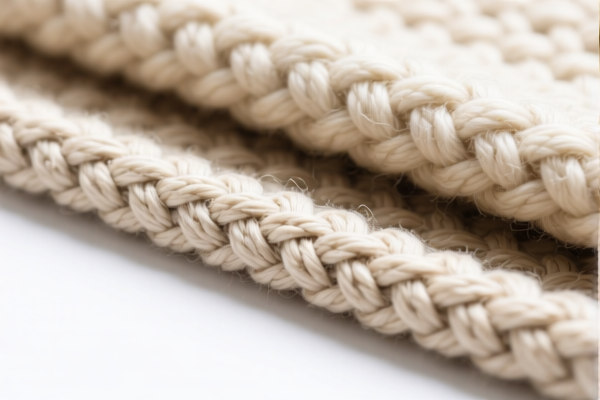
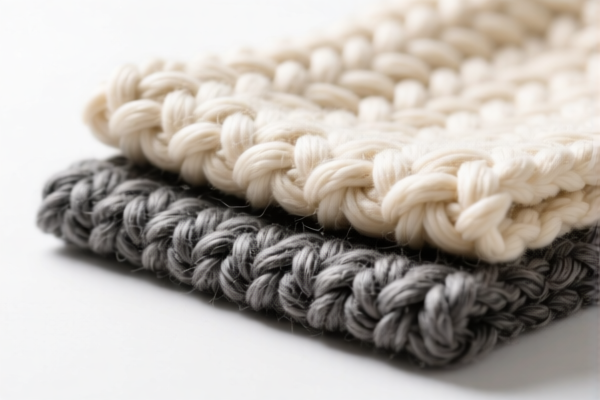
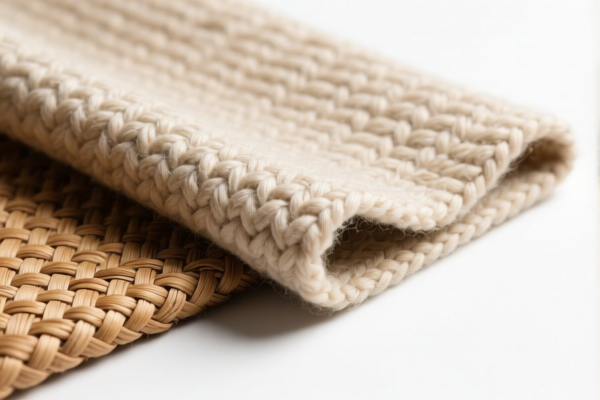
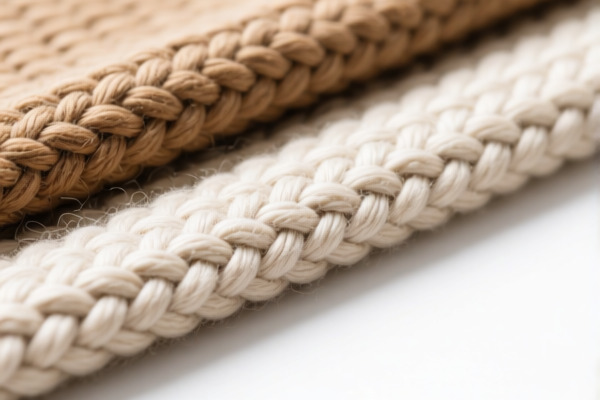
AI分析
🐑 Woven Animal Hair Fabric (270–340 g/m²)
🌐 HS Code Reference & Customs Clearance Guide | 2026 Latest Tariff Analysis | Professional Import Strategy
📌 One, Product Definition & Classification: What Exactly Is This Fabric?
Woven animal hair fabric refers to textile materials made from coarse animal hair or horsehair, or fine animal hair (such as cashmere, mohair, or alpaca), woven into fabric form. These fabrics are typically used in high-end fashion, luxury accessories, outerwear, and specialty industrial applications.
In this case, the product falls under woven fabrics containing 85% or more by weight of wool or fine animal hair, with a weight between 270 g/m² and 340 g/m², and is partially or wholly composed of fine animal hair.
⚠️ Critical Distinction: - If the fabric contains ≥85% wool/fine animal hair, and weighs >270 g/m² but ≤340 g/m², it is classified under specific subheadings based on whether it's combed or carded. - Combed wool/fine animal hair → higher quality, smoother finish, more refined fibers. - Carded wool/fine animal hair → coarser texture, less processed.
📦 Two, HS Code Classification Details (2026 Official Tariff Match)
| HS Code | Product Description | Weight Range | Fiber Type | Key Feature | Applicable To |
|---|---|---|---|---|---|
5112.19.95.20 |
Woven fabrics of combed wool or combed fine animal hair: Containing ≥85% wool/fine animal hair: Other: Other: Wholly or in part of fine animal hair: Weighing >270 g/m² but ≤340 g/m² | 270–340 g/m² | Combed fine animal hair | High-quality, smooth texture, premium finish | Luxury coats, tailored garments, high-end accessories |
5112.19.60.20 |
Woven fabrics of combed wool or combed fine animal hair: Containing ≥85% wool/fine animal hair: Other: Other: Of wool yarns with avg. fiber diameter ≤18.5 microns: Containing fine animal hair: Weighing >270 g/m² but ≤340 g/m² | 270–340 g/m² | Fine animal hair (≤18.5µm) | Ultra-fine fibers, softness, high value | Premium knitwear, designer fashion, luxury textiles |
🔍 Why Two Codes?
-5112.19.95.20: General category for combed fabrics with fine animal hair in the specified weight. -5112.19.60.20: More specific — applies only when wool yarns have average fiber diameter ≤18.5 microns, indicating ultra-fine fibers, such as cashmere or high-grade mohair.✅ Both codes apply to fabrics weighing between 270 and 340 g/m², but only one can be used per shipment — based on fiber fineness.
💰 Three, 2026 Latest Tariff Breakdown (With附加 Taxes & Policy Clauses)
✅ Applicable Country: United States (US)
✅ Origin: China (CN)
✅ Effective Date: November 10, 2025 (including subsequent imports)
🎯 1. 5112.19.95.20 — Combed Fine Animal Hair Fabric (270–340 g/m²)
| Item | Detail |
|---|---|
| Base Duty Rate | 0.0% (ad valorem) |
| USITC Additional Duty | +25% (under Section 301 of U.S. Trade Act) |
| IEEPA Additional Duty | +10% (International Emergency Economic Powers Act, targeting China/HK) |
| Total Effective Duty | 45.0% |
| Tax Calculation | CIF Value × 45% |
| De Minimis Threshold | ❌ Not applicable (denied under US law) |
| Legal Basis Path | IEEPA:9903.01.25 → IEEPA:9903.01.24 → USITC:5112.19.95.20 → FOOTNOTE:9903.88.01 |
📌 Explanation:
- Despite the base rate being 0%, the combined 35%附加 taxes (25% USITC + 10% IEEPA) make this a high-risk, high-cost import. - This applies regardless of quality or use — even for luxury fashion or handmade garments.
🎯 2. 5112.19.60.20 — Ultra-Fine Fiber Combed Fabric (≤18.5µm, 270–340 g/m²)
| Item | Detail |
|---|---|
| Base Duty Rate | 0.0% |
| USITC Additional Duty | +25% |
| IEEPA Additional Duty | +10% |
| Total Effective Duty | 45.0% |
| Tax Calculation | CIF Value × 45% |
| De Minimis Threshold | ❌ Not applicable |
| Legal Basis Path | IEEPA:9901.25 → IEEPA:9903.01.24 → USITC:5112.19.60.20 → FOOTNOTE:9903.88.01 |
📌 Note:
- Even though this code specifies ultra-fine fibers, the tariff treatment is identical to the broader code. - The higher quality does not reduce duty — only affects market value and branding, not customs cost.
🛠️ Four, Customs Clearance Best Practices (Real-World Tips)
✅ 1. Required Documentation (Must-Have Checklist)
| Document | Required? | Why It Matters |
|---|---|---|
| ✅ Product Specification Sheet | ✔️ | Clearly state fiber type, weight (g/m²), processing method (combed/carded), and average fiber diameter |
| ✅ Fiber Test Report (e.g., ISO 1813) | ✔️ | Prove fiber fineness (≤18.5µm) for 5112.19.60.20 eligibility |
| ✅ Fabric Sample (with label) | ✔️ | For customs inspection or pre-clearance review |
| ✅ Commercial Invoice | ✔️ | Must include exact HS code, weight, fiber composition, and origin |
| ✅ Certificate of Origin (CO) | ✔️ | If not from China, may qualify for lower tariffs |
| ✅ Packing List | ✔️ | Show total weight, roll count, and packaging details |
| ✅ Third-Party Lab Report (RoHS, REACH, etc.) | ✔️ | For compliance with U.S. chemical regulations |
✅ 2.申报技巧(Pro申报 Tips)
🔥 “Fiber First, Weight Second, Code Last – Accuracy Saves Thousands!”
| Scenario | Correct HS Code | Common Mistake |
|---|---|---|
| Fabric weighs 300 g/m², combed, fine animal hair (19µm) | 5112.19.95.20 |
Misreported as 5112.19.60.20 → audit risk |
| Fabric weighs 320 g/m², combed, fiber diameter 18.0µm | 5112.19.60.20 |
Reported as general code → lose premium classification |
| Fabric contains 85% wool, 15% synthetic, 300 g/m² | ❌ Not eligible for either code | Incorrectly claimed as animal hair → penalties |
| Fabric is carded, not combed | ❌ Not eligible | Misclassified as combed → refund & penalties |
✅ Correct Description Example:
"Woven fabric, 300 g/m², 85% combed fine animal hair (average fiber diameter: 17.8µm), fully combed, suitable for luxury outerwear. HS Code: 5112.19.60.20"
✅ 3. Special Cases & Solutions
| Situation | Recommended Action |
|---|---|
| Fabric from Vietnam, Mexico, or Thailand | Apply for IEEPA exemption — may qualify for 0% duty |
| Small consignment (<$1,000) | Still no de minimis relief — must pay full 45% |
| Customs Audit or Entry Review | Prepare fiber test report + process documentation in advance |
| Re-export or Duty Drawback | File for duty drawback if fabric is used in exported finished goods |
| Use in High-End Fashion Design | Consider pre-ruling application to confirm code and avoid disputes |
🌍 Five, Global Market Customs Comparison (2026)
| Country/Region | Recommended HS Code | Tariff | Certification | Notes |
|---|---|---|---|---|
| 🇺🇸 United States | 5112.19.95.20 or 5112.19.60.20 |
45.0% (China-origin) | None (but compliance needed) | Highest risk — no de minimis |
| 🇨🇳 China | 5112.19.95.20 |
5% | CCC (if applicable) | No附加 taxes |
| 🇪🇺 European Union | 5112.19.95.20 |
0% (if CE/REACH compliant) | CE, REACH, RoHS | No additional tariffs |
| 🇦🇺 Australia | 5112.19.95.20 |
5% | RCM | No附加 taxes |
| 🇯🇵 Japan | 5112.19.95.20 |
0% | PSE | No附加 taxes |
📌 Key Insight:
- Only the U.S. imposes 45%附加 taxes on this category. - China-origin products face the highest cost — consider shifting production to Vietnam, Mexico, or India for tariff savings.
📌 Six, Common Mistakes & Risk Warnings (Avoid These!)
❌ Mistake 1: Reporting a carded fabric as combed
👉 Consequence: Incorrect HS code → penalties, refunds, audit
❌ Mistake 2: Using "animal hair fabric" without specifying fiber diameter or processing
👉 Consequence: Customs delays, request for clarification, or entry denial
❌ Mistake 3: Assuming ultra-fine fibers reduce duty
👉 Consequence: Same 45% rate — no relief, only branding benefit
❌ Mistake 4: Not providing fiber test report for 5112.19.60.20
👉 Consequence: Code rejection, reclassification, and retroactive duties
✅ Correct Approach:
Use precise technical language in invoices and declarations:
"Woven fabric, 310 g/m², 88% combed fine animal hair, average fiber diameter: 17.5 microns, processed via combing, suitable for premium coats. HS Code: 5112.19.60.20"
🎯 Seven, Conclusion: Precision Wins in Global Trade
🎯 Remember the Golden Rule:
🔹 "Fiber First, Weight Second, Code Last — One Mistake Can Cost 45%!"
🔹 "Combed ≠ Combed if No Test Report — Prove It!"
🔹 "No de minimis in the U.S. — Even $100 Shipments Pay Full Duty!"
📌 Pro Tip:
If your fabric is produced in Vietnam, Mexico, or India, apply for IEEPA exemption — you may qualify for 0% duty on this HS code.
📣 Take Action Now:
📞 Contact a licensed customs broker + Submit product specs + fiber test report
🚀 Apply for Advance Ruling (Pre-Approval) to lock in the correct HS code
💼 Avoid costly delays, audits, and penalties — classify right the first time!
✨ Professional Customs Starts with Accurate Classification!
💼 Your product’s value depends on its correct HS code — don’t gamble with duty!
用户评价
关于 HS 编码归类
协调制度(HS)是由世界海关组织(WCO)制定的国际贸易商品分类标准。全球 200 多个国家采用 HS 系统作为海关关税、贸易统计和进出口监管的基础。
每个 HS 编码遵循以下层级结构:
- 章(2 位)——商品大类(例如:第 84 章:机器和机械设备)
- 品目(4 位)——章内的更具体分类
- 子目(6 位)——国际通用细分,所有 WCO 成员国统一使用
- 本国细分(8-10 位)——各国自行扩展的细分编码,如美国 HTSUS 10 位编码
正确的 HS 编码归类对于顺利通关、准确缴纳关税和遵守贸易法规至关重要。错误归类可能导致海关延误、多缴关税或罚款。
从CN进口到US时,适用的关税税率可能包括:
- 最惠国(MFN)税率——适用于 WTO 成员国的标准关税税率
- 普通税率——适用于无贸易协定国家
- 贸易救济关税——附加关税,如 301 条款(反倾销)、232 条款(国家安全)或反补贴税
本页内容仅供参考。如需正式归类,请咨询当地海关或持牌报关代理。