Woven Handbag (Ethnic Style)
CN → US| HS编码 | 关税税率 | 原产国 | 目的国 | 文档 |
|---|---|---|---|---|
| 4202228930 | 52.6% | CN | US | 官方文档 |
| 4202224020 | 42.4% | CN | US | 官方文档 |
| 4202228980 | 52.6% | CN | US | 官方文档 |
| 4202929100 | 52.6% | CN | US | 官方文档 |
| 4202228930 | 52.6% | CN | US | 官方文档 |
商品图片
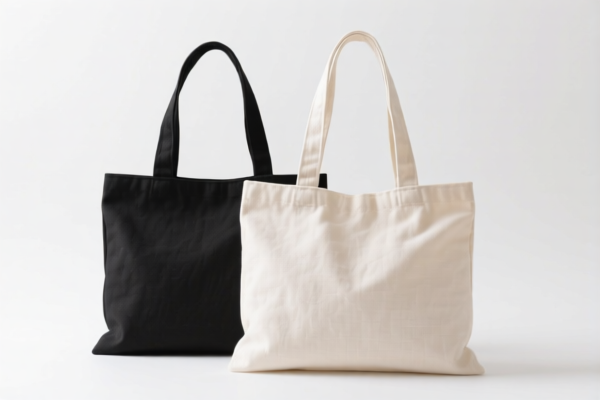
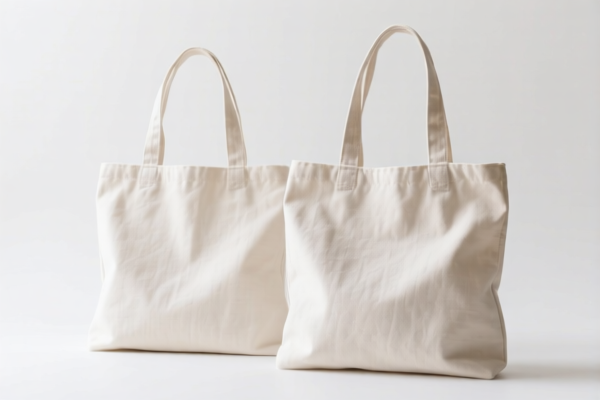
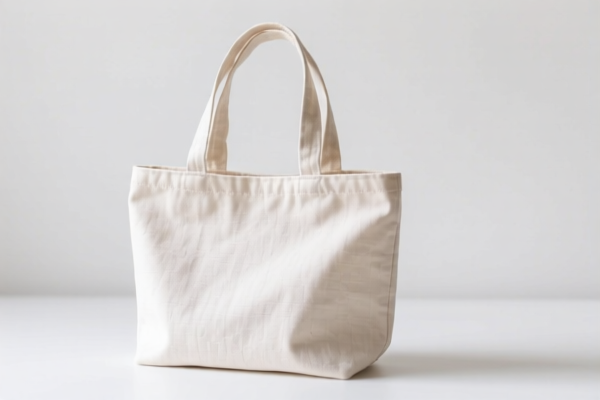
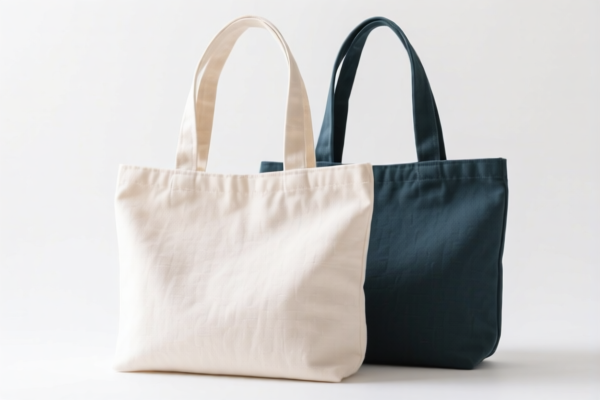
AI分析
👜 Woven Handbag (Ethnic Style)
🌐 HS Code Reference & Customs Clearance Guide | 2024-2026 Latest Tariff Analysis | Professional Clearance Strategy
📌 Part I: Product Definition & Classification: Do You Truly Understand "Woven Handbags"?
A woven handbag, particularly in an "ethnic style," is a versatile fashion accessory. In international trade, the key to accurate classification lies in the material of the outer surface and the structure of the bag. For woven bags, the distinction often comes down to whether the weaving material is classified as "cotton" (textile) or other textiles (like jute, straw, or synthetic blends), and which specific subheading best captures its form.
⚠️ Key Classification Distinction:
- Cotton Woven Bags: Specifically classified under 4202.22 series when the outer surface is textile (cotton).
- Other Textile/Canvas Bags: Classified under 4202.22 (if cotton/textile) or 4202.92 (if other textiles like jute/bast fibers or generic textile fallbacks).
- Critical Factor: The "ethnic style" does not change the HS code; the material composition (e.g., 100% Cotton vs. Canvas/Other Textiles) determines the code.
📦 Part II: HS Code Classification Details (Based on Provided Data)
| HS Code | Product Description | Material/Structure | Total Tax Rate | Tax Breakdown |
|---|---|---|---|---|
4202.22.89.30 |
Cotton Woven Handbag (Fits classification for outer surface of textile material) | Cotton Woven | 52.6% | Base: 17.6%, Section 301: 25%, Section 122: 10% |
4202.22.40.20 |
Cotton Woven Handbag (Material & form fully match classification requirements) | Cotton Woven | 42.4% | Base: 7.4%, Section 301: 25%, Section 122: 10% |
4202.22.89.80 |
Canvas Woven Handbag (Other textile material fallback classification) | Canvas/Other Textile | 52.6% | Base: 17.6%, Section 301: 25%, Section 122: 10% |
4202.92.91.00 |
Canvas Handbag (Outer surface is textile, fits classification definition) | Canvas/Other Textile | 52.6% | Base: 17.6%, Section 301: 25%, Section 122: 10% |
4202.22.89.30 |
Canvas Handbag (Material is textile, consistent with classification explanation) | Canvas/Textile | 52.6% | Base: 17.6%, Section 301: 25%, Section 122: 10% |
🔍 Focus Alert:
-4202.22.40.20is the most cost-effective option if your bag is confirmed as Cotton and matches specific structural criteria (lower base duty of 7.4%).
- All other codes carry a higher base duty (17.6%), resulting in a total tax of 52.6%.
- The term "Canvas" in the data maps to both4202.22.89.80and4202.92.91.00, suggesting slight nuances in material definition or fallback categories, both resulting in the higher 52.6% rate.
💰 Part III: Detailed Tariff Rate Analysis (Including Surcharges & Policies)
✅ Applicable Country: United States (US)
✅ Origin: China (CN)
✅ Effective Time: Ongoing (Post-2024 tariff regime)
🎯 1. 4202.22.89.30 —— Cotton Woven Handbag (Textile Outer Surface)
| Item | Content |
|---|---|
| Base Tariff | 17.6% (ad valorem) |
| Section 301 Surcharge | +25.0% (USITC Footnote 9903.88.01) |
| Section 122 Surcharge | +10.0% (IEEPA Targeted Measures) |
| Total Tax Rate | 52.6% |
| Calculation | CIF Value × 52.6% |
| De Minimis Exemption | ❌ Not Eligible (deny_de_minimis) |
| Legal Basis | IEEPA:9903.01.25 → USITC:4202.22.89.30 |
📌 Explanation:
- The 17.6% base duty applies to handbags with an outer surface of textile materials.
- The 25% Section 301 duty is standard for Chinese-made handbags.
- The 10% Section 122 duty is a specific additional levy.
- Total 52.6% is a significant cost barrier. Pre-clearance is essential.
🎯 2. 4202.22.40.20 —— Cotton Woven Handbag (Optimal Match)
| Item | Content |
|---|---|
| Base Tariff | 7.4% (ad valorem) |
| Section 301 Surcharge | +25.0% |
| Section 122 Surcharge | +10.0% |
| Total Tax Rate | 42.4% |
| Calculation | CIF Value × 42.4% |
| De Minimis Exemption | ❌ Not Eligible (deny_de_minimis) |
| Legal Basis | IEEPA:9901.25 → USITC:4202.22.40.20 |
📌 Note:
- This code offers a 10% savings in base duty compared to the other codes, reducing the total tax burden from 52.6% to 42.4%.
- It is critical to prove the bag is 100% Cotton and meets the specific "form and material" criteria defined in this subheading to qualify for the lower 7.4% base rate.
🎯 3. 4202.22.89.80 & 4202.92.91.00 —— Canvas/Other Textile Handbags
| Item | Content |
|---|---|
| Base Tariff | 17.6% |
| Section 301 Surcharge | +25.0% |
| Section 122 Surcharge | +10.0% |
| Total Tax Rate | 52.6% |
| De Minimis Exemption | ❌ Not Eligible |
📌 Warning:
- If your "Canvas" bag is deemed to have an outer surface of textile materials (other than specific cotton subheadings), it falls into the higher bracket.
-4202.92.91.00is often a fallback for "other" textile materials, attracting the same high total duty.
🛠️ Part IV: Customs Clearance Practical Advice (Actionable Pitfall Guide)
✅ 1. Preparation Checklist (Non-Negotiable)
| Document | Required | Reason |
|---|---|---|
| ✅ Material Composition Report | ✔️ | Must explicitly state "100% Cotton" or "Canvas/Other Textile." Critical for distinguishing between 7.4% and 17.6% base duties. |
| ✅ Product Photos | ✔️ | Show weaving texture, handles, and lining. To confirm "woven" structure. |
| ✅ Commercial Invoice | ✔️ | Must clearly describe the item as "Woven Handbag" and specify material. |
| ✅ Packing List | ✔️ | Standard format, no missing items. |
| ✅ Country of Origin Certificate | ✔️ | Confirms China origin (triggering Section 301 & 122 duties). |
✅ 2. Declaration Strategy (Key Mnemonics)
🔥 “Material is King, Code is Queen. Cotton Specifics Save Money!”
| Scenario | Correct Declaration | Incorrect Action |
|---|---|---|
| 100% Cotton Woven Bag | 4202.22.40.20 |
Misdeclare as generic textile → Lose 7.4% base duty benefit |
| Canvas/Synthetic Woven Bag | 4202.22.89.80 or 4202.92.91.00 |
Claim "Cotton" when it’s not → Customs seizure/Fraud |
| Mixed Material Bag | Analyze outer surface material | Ambiguous description → High scrutiny/Delays |
✅ 3. Special Considerations
| Issue | Solution |
|---|---|
| "Ethnic Style" Labeling | Do not rely on "Ethnic Style" for classification. Use technical terms: "Woven Handbag, Cotton." |
| Canvas vs. Cotton | "Canvas" can be cotton or synthetic. If synthetic, ensure correct "Other Textile" code. If 100% Cotton, aim for 4202.22.40.20 if structure permits. |
| De Minimis Risk | DO NOT use Section 321 (De Minimis) for these items. All codes listed are deny_de_minimis. Full formal entry is required. |
🌍 Part V: Global Market Comparison (2026 Perspective)
| Country/Region | Recommended HS Code | Est. Tariff (China Origin) | Notes |
|---|---|---|---|
| 🇺🇸 USA | 4202.22.40.20 (Best) |
42.4% | Highest risk due to Section 301 & 122. |
| 🇺🇸 USA | 4202.22.89.30 |
52.6% | Default for many cotton textiles if structure not specific. |
| 🇪🇺 EU | 4202.22.90 |
~6-12% | No Section 301/122. Lower overall cost. |
| 🇨🇳 China | 4202.22.90 |
~10-15% | Import duty for domestic resale. |
📌 Conclusion:
- USA is the most expensive market for Chinese-made woven handbags due to multiple layers of surcharges.
- Cost Optimization Tip: If possible, ensure the product documentation explicitly supports4202.22.40.20(Cotton, specific form) to save 10.2% in total duty.
📌 Part VI: Common Errors & Pitfalls (Lessons Learned)
❌ Error 1: Using "Handbag" generically without specifying material.
👉 Result: Customs assigns a default higher duty code (17.6% base) → Extra 10.2% cost.
❌ Error 2: Assuming "Canvas" is always Cotton.
👉 Result: If Canvas is Synthetic, 4202.22 codes may be incorrect, leading to misclassification penalties.
❌ Error 3: Attempting De Minimis Entry (Section 321).
👉 Result: Rejection/Seizure. These items are explicitly excluded from de minimis treatment under current US trade policies.
❌ Error 4: Ignoring Section 122.
👉 Result: Unexpected 10% surcharge at border if not pre-calculated.
✅ Correct Practice:
"Woven Handbag, 100% Cotton, Ethnic Design, Outer Surface Textile, Model XYZ, Origin: China"
🎯 Part VII: Conclusion: Precision in Classification Saves Profit!
🎯 Remember the Mantra:
🔹 "Cotton Specifics = 42.4% | Generic Textile = 52.6%"
🔹 "No De Minimis for Chinese Handbags!"
🔹 "Section 301 + 122 = High Duty Reality!"
📌 Pro Tip:
If your woven handbag is not from China (e.g., Vietnam, India, Bangladesh), you may avoid Section 301 & 122 duties, drastically reducing the tax burden.
✅ Recommendation:
📞 Consult a Customs Broker for an Advance Ruling on
4202.22.40.20eligibility.
🚀 Optimize your supply chain to ensure material certificates match the optimal HS Code.
✨ Professional Customs Clearance Starts with Accurate Classification!
💼 Every Percent of Duty Saved is Pure Profit!
用户评价
关于 HS 编码归类
协调制度(HS)是由世界海关组织(WCO)制定的国际贸易商品分类标准。全球 200 多个国家采用 HS 系统作为海关关税、贸易统计和进出口监管的基础。
每个 HS 编码遵循以下层级结构:
- 章(2 位)——商品大类(例如:第 84 章:机器和机械设备)
- 品目(4 位)——章内的更具体分类
- 子目(6 位)——国际通用细分,所有 WCO 成员国统一使用
- 本国细分(8-10 位)——各国自行扩展的细分编码,如美国 HTSUS 10 位编码
正确的 HS 编码归类对于顺利通关、准确缴纳关税和遵守贸易法规至关重要。错误归类可能导致海关延误、多缴关税或罚款。
从CN进口到US时,适用的关税税率可能包括:
- 最惠国(MFN)税率——适用于 WTO 成员国的标准关税税率
- 普通税率——适用于无贸易协定国家
- 贸易救济关税——附加关税,如 301 条款(反倾销)、232 条款(国家安全)或反补贴税
本页内容仅供参考。如需正式归类,请咨询当地海关或持牌报关代理。