Woven Handbag (with Inner Compartment)
CN → US| HS编码 | 关税税率 | 原产国 | 目的国 | 文档 |
|---|---|---|---|---|
| 4202224020 | 42.4% | CN | US | 官方文档 |
| 3926909989 | 22.8% | CN | US | 官方文档 |
| 4602122500 | 53.0% | CN | US | 官方文档 |
| 4602192920 | 40.3% | CN | US | 官方文档 |
商品图片
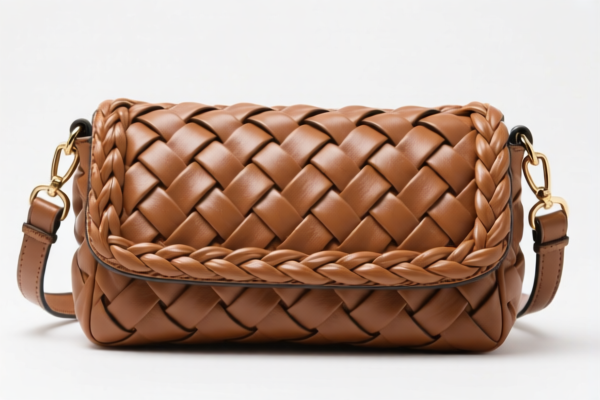
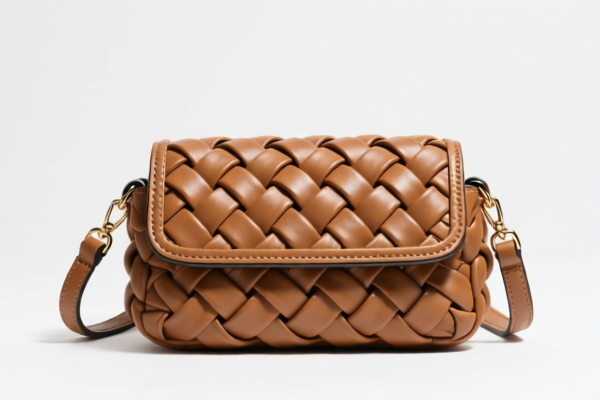
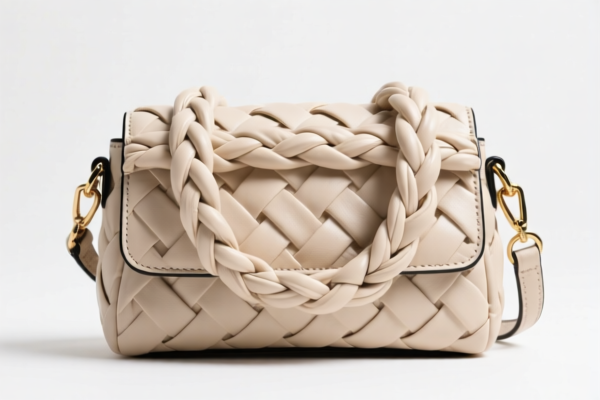
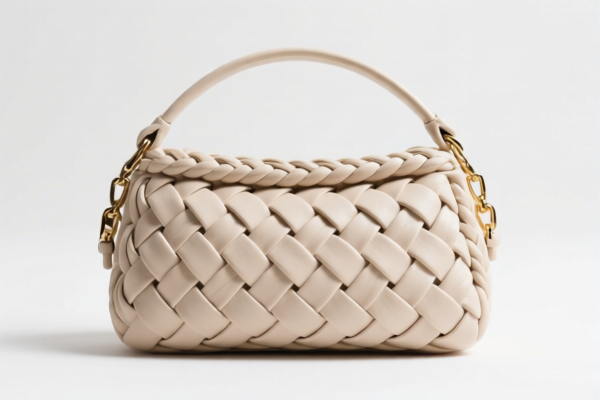
AI分析
👜 Woven Handbag (With Inner Compartment)
🌐 HS Code Reference & Customs Clearance Guide | 2024/2025 Tariff Rate Schedule | Professional Clearance Strategy
📌 1. Product Definition & Classification: What is a "Woven Handbag"?
A Woven Handbag refers to bags primarily constructed from plaiting materials (such as rattan, straw, reed, bamboo, or plastic strips) or articles made up from such materials. The key characteristic is the manufacturing process: directly shaped from plaiting materials or made up from articles of heading 4601.
The mention of an "Inner Compartment" is a structural detail that does not change the fundamental nature of the bag. It remains classified based on the outer material and the type of goods (handbags).
⚠️ Key Distinction:
- If the bag is made of natural vegetable materials (rattan, straw, etc.) → Heading 4602.
- If the bag is made of plastics (synthetic wicker look-alikes) → Heading 3926.
- If the bag is made of textile materials (cotton braid/woven fabric) → Heading 4202.
📦 2. HS Code Classification Details (From DATA)
Based on the provided <DATA>, here are the specific HS Codes applicable to Woven Handbags, categorized by material:
| HS Code | Product Description | Material Type | Key Features |
|---|---|---|---|
4602.19.29.20 |
Other Handbags of vegetable materials (not rattan) | Vegetable Materials | Made directly to shape or from plaiting materials (e.g., straw, reed). "Other" excludes rattan. |
4602.12.25.00 |
Other Luggage, Handbags, Flatgoods of Rattan | Vegetable Materials (Rattan) | Specifically for rattan-based woven handbags. |
3926.90.33.00 |
Handbags of plastics | Plastics | Synthetic woven look; beads/bugles/spangles not included in main classification but handbags are explicitly listed. |
4202.22.40.20 |
Handbags of Cotton (Braid) | Textile Materials (Cotton) | Outer surface of textile materials; wholly/in part of braid. |
4202.22.89.30 |
Other Handbags of Cotton | Textile Materials (Cotton) | Outer surface of textile materials; "Other" (not braid). |
3926.90.99.89 |
Other articles of plastics | Plastics | General plastics articles if not specifically listed elsewhere (less common for standard handbags if 3926.90.33.00 applies). |
🔍 Focus on Your Product:
Since your product is a "Woven Handbag", the most likely classifications are:
1. Natural Woven (Non-Rattan):4602.19.29.20
2. Natural Woven (Rattan):4602.12.25.00
3. Synthetic Woven (Plastic):3926.90.33.00
4. Textile Woven (Cotton Braid):4202.22.40.20
💰 3. Tariff Rate Analysis (From DATA)
✅ Applicable Country: United States (US)
✅ Origin: China (CN) (Assumed based on typical export scenarios, but rates below are from DATA)
✅ Data Source: Provided<DATA>only
🎯 1. Natural Vegetable Materials (Wicker/Rattan/Straw)
| HS Code | Description | Base Tariff | Additional Tariff | Total Tax | Notes |
|---|---|---|---|---|---|
4602.19.29.20 |
Other Handbags of Vegetable Materials | 0.0% | 0.0% | 0.0% | Very favorable! No additional tariffs. |
4602.12.25.00 |
Other Handbags of Rattan | 0.0% | 0.0% | 0.0% | Also very favorable. |
📌 Explanation:
- Woven handbags made from natural vegetable materials (rattan, straw, etc.) currently enjoy 0% tariff under the provided data.
- This includes both Section 301 additional tariffs and other surcharges in this specific dataset.
- Advantage: Low-cost entry for natural woven products.
🎯 2. Plastic-Based Woven Handbags (Synthetic)
| HS Code | Description | Base Tariff | Additional Tariff | Total Tax | Notes |
|---|---|---|---|---|---|
3926.90.33.00 |
Handbags of Plastics | 6.5% | 0.0% | 6.5% | Standard tariff for plastic handbags. |
3926.90.99.89 |
Other Plastic Articles | 5.3% | 7.5% | 12.8% | Higher tariff if not specifically classified as "Handbags" under 3926.90.33.00. |
📌 Explanation:
- If your "woven" bag is made of plastic strips (imitating wicker), it falls under Chapter 39.
- Critical Note: Try to classify under3926.90.33.00(6.5%) rather than3926.90.99.89(12.8%) to save 6.3% in tariffs.
- The 7.5% additional tariff in3926.90.99.89likely refers to Section 301 or other trade measures, making it significantly more expensive.
🎯 3. Textile-Based Woven Handbags (Cotton Braid/Fabric)
| HS Code | Description | Base Tariff | Additional Tariff | Total Tax | Notes |
|---|---|---|---|---|---|
4202.22.40.20 |
Handbags of Cotton (Braid) | 0.0% | 0.0% | 0.0% | Zero tariff for cotton braid handbags. |
4202.22.89.30 |
Other Handbags of Cotton | 0.0% | 0.0% | 0.0% | Also zero tariff. |
📌 Explanation:
- Handbags made from textile materials (e.g., cotton braid, woven fabric) also enjoy 0% tariff in this dataset.
- This makes textile-based woven bags highly competitive.
🛠️ 4. Customs Clearance Practical Advice (Step-by-Step)
✅ 1. Preparation of Documents (Must-Have)
| Document | Required | Purpose |
|---|---|---|
| Commercial Invoice | ✔️ | Must clearly state: "Woven Handbag," material composition (e.g., "100% Rattan," "Plastic Wicker," "Cotton Braid"), and HS Code. |
| Packing List | ✔️ | Detail contents, including inner compartments, linings, and hardware (zippers, clasps). |
| Product Photos | ✔️ | Crucial: Show close-ups of the weaving material to prove it's natural/plastic/textile. Show the inner compartment structure. |
| Material Declaration | ✔️ | Specify if "Rattan," "Straw," "Plastic," or "Cotton." Misclassification here leads to wrong HS codes. |
| Bill of Lading/Air Waybill | ✔️ | Standard shipping documents. |
✅ 2. Classification Strategy (Avoid Pitfalls)
🔥 "Material is King, Shape is Secondary!"
| Scenario | Correct HS Code | Wrong HS Code | Consequence of Error |
|---|---|---|---|
| Bag made of Rattan | 4602.12.25.00 (0%) |
4202.22.89.30 |
No tax difference, but description mismatch may cause inspection. |
| Bag made of Plastic Strips | 3926.90.33.00 (6.5%) |
3926.90.99.89 (12.8%) |
Overpayment of 6.3% tariff! |
| Bag made of Cotton Braid | 4202.22.40.20 (0%) |
4202.22.89.30 (0%) |
Same rate, but 4202.22.40.20 is more precise for "Braid." |
| Bag made of Straw/Reed (Non-Rattan) | 4602.19.29.20 (0%) |
4202.22.89.30 |
Misclassification may lead to delays if customs questions the material. |
✅ 3. Special Notes for "Inner Compartment"
- The presence of an inner compartment does not change the HS Code.
- However, it must be declared in the product description to avoid being classified as a "simple pouch" or "clutch" if that distinction affects marketing or labeling requirements.
- Ensure the lining material (if any) is disclosed, as some materials (e.g., PVC lining) might trigger additional environmental or safety certifications (e.g., REACH in EU, though US focuses on tariff).
✅ 4. Risk Mitigation
- If Plastic Wicker: Be prepared to prove it's "Handbags" under
3926.90.33.00. Provide photos showing it's a functional handbag, not a generic "plastic article." - If Natural Wicker: Emphasize "Vegetable Material" in the invoice. Customs may request a material test report if they suspect plastic coating.
- Always Apply for Advance Ruling (if possible): For large shipments, request a US Customs Border Protection (CBP) Advance Ruling to lock in the HS Code and avoid post-entry audits.
🌍 5. Summary of Tariffs & Recommendations
| Material Type | Recommended HS Code | Total Tariff | Clearance Tip |
|---|---|---|---|
| Rattan | 4602.12.25.00 |
0.0% | Highlight "Rattan" in description. |
| Straw/Reed/Other Veg. | 4602.19.29.20 |
0.0% | Highlight "Vegetable Material." |
| Plastic (Wicker Look) | 3926.90.33.00 |
6.5% | Critical: Avoid 3926.90.99.89 (12.8%). Use exact "Handbag" terminology. |
| Cotton Braid/Fabric | 4202.22.40.20 |
0.0% | Specify "Cotton Braid" or "Textile Material." |
📌 Final Verdict:
- Natural & Textile Woven Bags: Highly tariff-friendly (0%).
- Plastic Woven Bags: Moderate tariff (6.5%).
- Action: Ensure your invoice and product photos accurately reflect the outer material to secure the lowest possible duty.
📌 6. Common Mistakes & How to Avoid Them
❌ Mistake 1: Calling a plastic woven bag "Rattan"
👉 Result: Misclassification, potential penalties for fraud.
✅ Fix: Label accurately as "Synthetic Wicker" or "Plastic Woven."
❌ Mistake 2: Using generic "Handbag" without material specification
👉 Result: Customs may default to a higher tariff code or hold the shipment for inspection.
✅ Fix: Specify "Woven Handbag, Material: Rattan/Cotton/Plastic."
❌ Mistake 3: Ignoring the inner compartment description
👉 Result: Minor risk, but could lead to queries if the bag is unusually structured.
✅ Fix: Mention "With inner compartment" in the description for clarity.
🎯 7. Conclusion
For Woven Handbags with Inner Compartments, the tariff burden is minimal if classified correctly:
- Zero Tariff for Natural Vegetable Materials (Rattan, Straw) and Textiles (Cotton).
- 6.5% Tariff for Plastic-based Woven Handbags.
Pro Tip: Always verify the outer surface material against the HS Code headings. The "inner compartment" is a functional feature but does not override material-based classification.
📣 Immediate Action:
📞 Confirm Material: Is your bag Natural, Plastic, or Textile?
📄 Update Invoice: Use the correct HS Code and detailed material description.
📸 Take Photos: Capture close-ups of the weaving texture and structure.
✅ Clearance: Submit with accurate documentation for smooth customs passage.
✨ Precision in Classification = Savings in Customs Duties!
💼 Ensure every woven handbag is declared with its true material identity.
用户评价
关于 HS 编码归类
协调制度(HS)是由世界海关组织(WCO)制定的国际贸易商品分类标准。全球 200 多个国家采用 HS 系统作为海关关税、贸易统计和进出口监管的基础。
每个 HS 编码遵循以下层级结构:
- 章(2 位)——商品大类(例如:第 84 章:机器和机械设备)
- 品目(4 位)——章内的更具体分类
- 子目(6 位)——国际通用细分,所有 WCO 成员国统一使用
- 本国细分(8-10 位)——各国自行扩展的细分编码,如美国 HTSUS 10 位编码
正确的 HS 编码归类对于顺利通关、准确缴纳关税和遵守贸易法规至关重要。错误归类可能导致海关延误、多缴关税或罚款。
从CN进口到US时,适用的关税税率可能包括:
- 最惠国(MFN)税率——适用于 WTO 成员国的标准关税税率
- 普通税率——适用于无贸易协定国家
- 贸易救济关税——附加关税,如 301 条款(反倾销)、232 条款(国家安全)或反补贴税
本页内容仅供参考。如需正式归类,请咨询当地海关或持牌报关代理。