Woven Handbasket
CN → US| HS编码 | 关税税率 | 原产国 | 目的国 | 文档 |
|---|---|---|---|---|
| 4602110900 | 45.0% | CN | US | 官方文档 |
| 4602110700 | 35.0% | CN | US | 官方文档 |
| 4601920500 | 37.7% | CN | US | 官方文档 |
| 3926909989 | 22.8% | CN | US | 官方文档 |
商品图片
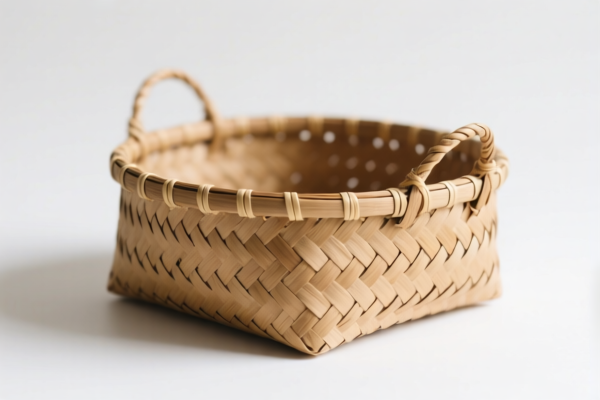
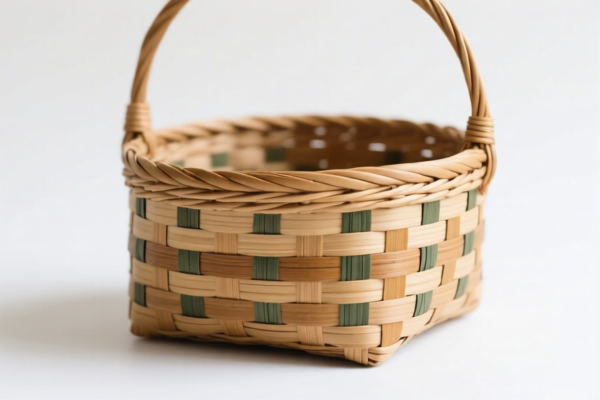
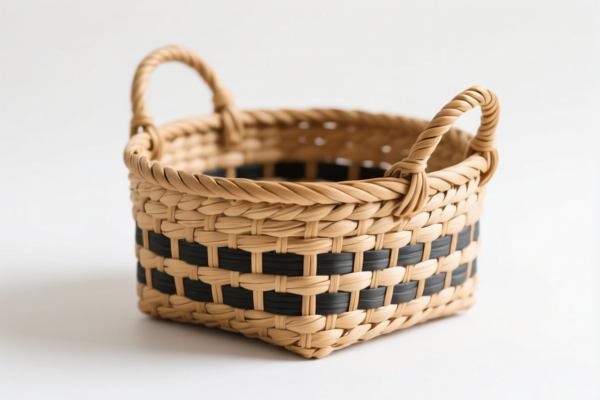
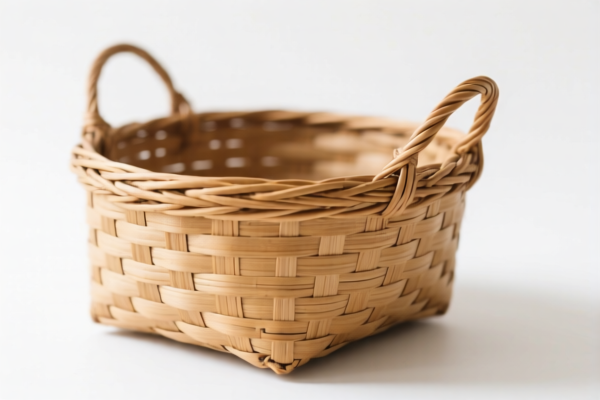
AI分析
🧺 Woven Handbasket (Woven Basket)
🌐 HS Code Reference & Customs Clearance Guide | 2026 Latest Tariff Analysis | Professional-Level Compliance Strategy
📌 I. Product Definition & Classification: Do You Really Know What a "Woven Handbasket" Is?
A woven handbasket is a versatile container used for storage, display, or gifting. In international trade, its classification depends heavily on material and construction method. The key distinction lies between:
Plant-Derived Baskets (4602): Made from bamboo, rattan, wicker, reed, or other vegetable plaiting materials. These are classified under Chapter 46. Plastic/Synthetic Baskets (3926): Made from plastic strips or synthetic fibers that mimic weaving. These are classified under Chapter 39 as plastic articles.
⚠️ Critical Distinction Point:
- If the material is natural plant fiber (bamboo, rattan, willow, etc.) → HS Code 4602 series
- If the material is plastic/synthetic → HS Code 3926 series
📦 II. HS Code Classification Details (2026 Latest Tariff Authoritative Comparison)
| HS Code | Product Description | Applicable Scenario | Material Type | Total Tax Rate |
|---|---|---|---|---|
4602.11.09.00 |
Woven baskets of vegetable plaiting materials (other than bamboo or rattan) | General plant-fiber baskets (e.g., willow, seagrass, paper straw) | Plant Material | 45.0% |
4602.11.07.00 |
Woven baskets of vegetable plaiting materials (bamboo/rattan) | Traditional bamboo or rattan baskets | Bamboo/Rattan | 35.0% |
4601.92.05.00 |
Woven mats & matting; basketware (other) | Woven flower baskets or decorative plant-weave items | Plant Material | 37.7% |
3926.90.99.89 |
Other articles of plastics (not elsewhere specified) | Plastic fiber baskets, synthetic rattan, or plastic wicker | Plastic/Synthetic | 22.8% |
🔍 Key Reminder:
- All baskets made from natural plant materials fall under Chapter 46.
- All baskets made from plastic strips/synthetic fibers fall under Chapter 39.
- Do not misclassify plastic baskets as plant baskets → This will lead to severe penalties and delays!
💰 III. 2026 Latest Tariff Rate Details (Including Additional Taxes & Policy Surcharges)
✅ Applicable Country: United States (US)
✅ Country of Origin: China (CN)
✅ Effective Date: From November 10, 2025 (including subsequent imports)
🎯 1. 4602.11.09.00 – Woven Baskets of Vegetable Plaiting Materials (Non-Bamboo/Rattan)
| Item | Content |
|---|---|
| Base Tariff | 10.0% (ad valorem) |
| Section 301 Additional Tariff | +25.0% |
| Section 122 Tariff | +10.0% |
| Total Tax Rate | 45.0% |
| Tax Calculation | CIF Value × 45% |
| De Minimis Exemption Eligible? | ❌ No (denied) |
| Legal Basis Path | USITC:4602.11.09.00 → Section 301 Footnote → Section 122 |
📌 Explanation:
- "Base Tariff 10%": Standard Most-Favored-Nation (MFN) rate for plant-fiber baskets.
- "Section 301 Additional Tariff 25%": Imposed under U.S. Trade Act Section 301 on Chinese goods.
- "Section 122 Tariff 10%": Additional duty under Section 122 of the Trade Expansion Act of 1962 (if applicable to specific trade conditions).
- Total 45%: A very high tariff rate. Must be calculated into your cost structure!
🎯 2. 4602.11.07.00 – Woven Baskets of Vegetable Plaiting Materials (Bamboo/Rattan)
| Item | Content |
|---|---|
| Base Tariff | 0.0% |
| Section 301 Additional Tariff | +25.0% |
| Section 122 Tariff | +10.0% |
| Total Tax Rate | 35.0% |
| Tax Calculation | CIF Value × 35% |
| De Minimis Exemption Eligible? | ❌ No |
| Legal Basis Path | USITC:4602.11.07.00 → Section 301 Footnote → Section 122 |
📌 Note:
- Base rate is 0% for bamboo/rattan baskets, which is lower than other plant fibers.
- However, Section 301 (25%) and Section 122 (10%) still apply, resulting in a 35% total rate.
- Still expensive, but 10% cheaper than non-bamboo plant baskets.
🎯 3. 4601.92.05.00 – Woven Flower Baskets / Other Woven Plant Articles
| Item | Content |
|---|---|
| Base Tariff | 2.7% |
| Section 301 Additional Tariff | +25.0% |
| Section 122 Tariff | +10.0% |
| Total Tax Rate | 37.7% |
| Tax Calculation | CIF Value × 37.7% |
| De Minimis Exemption Eligible? | ❌ No |
| Legal Basis Path | USITC:4601.92.05.00 → Section 301 Footnote → Section 122 |
📌 Note:
- This code applies to woven flower baskets or other plant-weave articles that do not fit standard basket definitions.
- Base rate is slightly higher than bamboo/rattan (2.7%), leading to a 37.7% total.
- Use only if the item is clearly a decorative flower basket or non-standard weave.
🎯 4. 3926.90.99.89 – Plastic/Synthetic Woven Baskets
| Item | Content |
|---|---|
| Base Tariff | 5.3% |
| Section 301 Additional Tariff | +7.5% |
| Section 122 Tariff | +10.0% |
| Total Tax Rate | 22.8% |
| Tax Calculation | CIF Value × 22.8% |
| De Minimis Exemption Eligible? | ❌ No |
| Legal Basis Path | USITC:3926.90.99.89 → Section 301 Footnote → Section 122 |
📌 Note:
- Lowest total tax rate (22.8%) among all options.
- Base tariff is 5.3%, and Section 301 is only 7.5% (lower than plant baskets).
- Best for cost optimization if your product is made of plastic fibers or synthetic materials.
🛠️ IV. Customs Clearance Practical Advice (Battle-Tested Pitfall Avoidance Guide)
✅ 1. Preparation Checklist (All Items Required)
| Document | Mandatory? | Description |
|---|---|---|
| ✅ Product Specification Sheet | ✔️ | Include material type, dimensions, weaving technique, handle details |
| ✅ Material Certificate | ✔️ | Proof of plant origin (for 4602) or plastic composition (for 3926) |
| ✅ Product Photos (with labels) | ✔️ | Clear images of weave pattern, handles, and any branding |
| ✅ Commercial Invoice | ✔️ | Must accurately describe product as "Woven Basket" with material specified |
| ✅ Packing List | ✔️ | Detail quantity, weight, and packaging type |
| ✅ Third-Party Test Report | ✔️ | If applicable, include FDA (for food contact) or CPSIA (for children’s items) |
✅ 2. Declaration Tips (Key Mantra)
🔥 "Material First, Code Second; Don't Mix Plant and Plastic!"
| Scenario | Correct Declaration | Error to Avoid |
|---|---|---|
| Bamboo/Rattan Basket | 4602.11.07.00 |
Mislabel as "Plastic Basket" → Higher tax risk |
| Willow/Paper Straw Basket | 4602.11.09.00 |
Mislabel as "Bamboo" → Base tariff 10% vs 0% |
| Plastic Wicker Basket | 3926.90.99.89 |
Mislabel as "Plant Basket" → Tax jumps from 22.8% to 45% |
| Decorative Flower Basket | 4601.92.05.00 |
Mislabel as "Standard Basket" → Higher base tariff |
✅ 3. Special Handling Cases
| Situation | Handling Advice |
|---|---|
| Mixed Materials | If basket has plastic handles or metal accents, declare based on essential character (usually the main weaving material) |
| OEM Custom Baskets | Provide client order + design specs to avoid "standard item" disputes |
| Food-Contact Baskets | May require FDA compliance; ensure material certificates include food-safe claims |
| Children’s Products | Must comply with CPSIA; provide tracking labels and test reports |
🌍 V. Global Market Customs Comparison (2026 Latest)
| Country/Region | Recommended HS Code | Tariff (China Origin) | Certification Requirements | Notes |
|---|---|---|---|---|
| 🇺🇸 USA | 3926.90.99.89 |
22.8% | FDA/CPSIA (if applicable) | Plant baskets (4602) face 35–45% |
| 🇨🇳 China | 4602.11.07.00 |
0% | No special cert | Import duty-free for plant baskets |
| 🇪🇺 EU | 4602.11.07.00 |
4.0–7.0% | CE/RoHS (if plastic) | Lower tariffs than US |
| 🇬🇧 UK | 3926.90.99.89 |
5.0–10.0% | UKCA | Post-Brexit rules apply |
| 🇦🇺 Australia | 4602.11.07.00 |
5.0% | None | Low tariffs for plant baskets |
📌 Conclusion:
- USA is the most expensive market due to Section 301 and Section 122 tariffs.
- Plastic baskets (3926) have lower tariffs (22.8%) compared to plant baskets (35–45%).
- Consider supply chain diversification (e.g., Vietnam, India) if targeting the US with plant baskets.
📌 VI. Common Errors & Pitfall Guide (Lessons from Blood & Tears)
❌ Error 1: Declaring a plastic basket as a plant basket
👉 Consequence: Customs inspection reveals synthetic material → 45% tax instead of 22.8% → Back taxes + fines!
❌ Error 2: Declaring a bamboo basket as paper straw basket
👉 Consequence: Base tariff 10% vs 0% → Unnecessary 10% cost increase
❌ Error 3: Not specifying material in the declaration
👉 Consequence: Customs assigns highest possible rate → 45% tax regardless of actual material
❌ Error 4: Using vague terms like "Decorative Basket" without material details
👉 Consequence: Delayed clearance, requests for additional documentation → Shipment delays
✅ Correct Practice:
"Woven Basket, 12-inch, Made of Natural Bamboo, Handle: Same Material, Model: WOV-001, FDA Compliant"
🎯 VII. Conclusion: Precise Classification Saves Money!
🎯 Remember the Mantra:
🔹 "Plant Basket: 35–45%, Plastic Basket: 22.8%"
🔹 "Material Determines Code, Code Determines Cost"
🔹 "Don’t Guess, Declare Precisely!"
📌 Tips:
- If your baskets are originally from Vietnam, India, or Thailand, you may qualify for lower Section 301 rates or FTA benefits.
- Consider applying for an Advance Ruling (Pre-classification) from US Customs to avoid surprises.
📣 Immediate Action:
📞 Contact a professional customs broker + Provide material samples + Apply for HS Code Pre-classification
🚀 Ensure your woven baskets clear customs smoothly, reduce costs, and maximize profits!
✨ Professional Clearance Starts with Accurate Classification!
💼 Every cent of your cost deserves precise calculation!
用户评价
关于 HS 编码归类
协调制度(HS)是由世界海关组织(WCO)制定的国际贸易商品分类标准。全球 200 多个国家采用 HS 系统作为海关关税、贸易统计和进出口监管的基础。
每个 HS 编码遵循以下层级结构:
- 章(2 位)——商品大类(例如:第 84 章:机器和机械设备)
- 品目(4 位)——章内的更具体分类
- 子目(6 位)——国际通用细分,所有 WCO 成员国统一使用
- 本国细分(8-10 位)——各国自行扩展的细分编码,如美国 HTSUS 10 位编码
正确的 HS 编码归类对于顺利通关、准确缴纳关税和遵守贸易法规至关重要。错误归类可能导致海关延误、多缴关税或罚款。
从CN进口到US时,适用的关税税率可能包括:
- 最惠国(MFN)税率——适用于 WTO 成员国的标准关税税率
- 普通税率——适用于无贸易协定国家
- 贸易救济关税——附加关税,如 301 条款(反倾销)、232 条款(国家安全)或反补贴税
本页内容仅供参考。如需正式归类,请咨询当地海关或持牌报关代理。