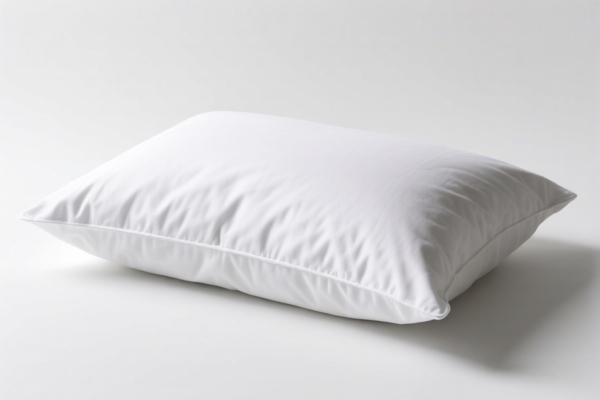
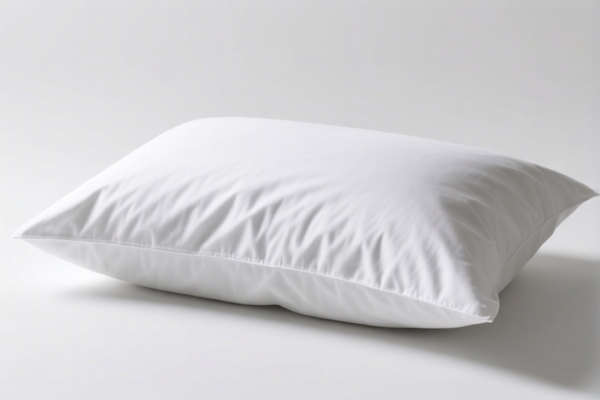
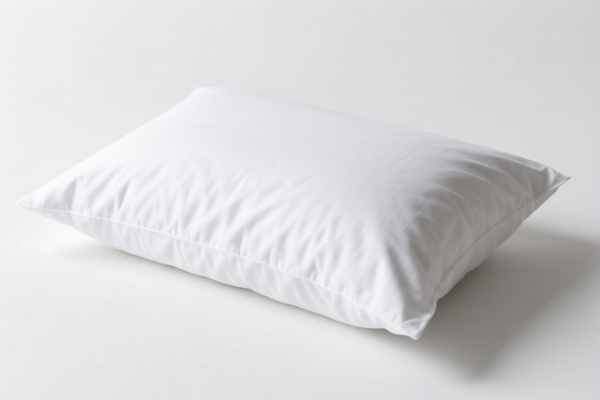
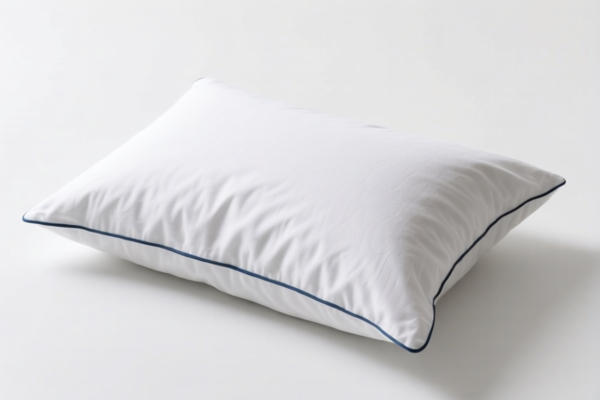
Woven Pillowcase
CN → US| HS编码 | 关税税率 | 原产国 | 目的国 | 文档 |
|---|---|---|---|---|
| 6304996030 | 20.7% | CN | US | 官方文档 |
| 6304994000 | 21.3% | CN | US | 官方文档 |
| 6307908945 | 17.0% | CN | US | 官方文档 |
| 6304910170 | 23.3% | CN | US | 官方文档 |
| 6307909884 | 24.5% | CN | US | 官方文档 |
商品图片
AI分析
🛏️ Woven Pillowcase (Textile Home Furnishings)
🌐 HS Code Reference & Customs Clearance Guide | 2024 Tax Classification Analysis | Strategic Entry Strategies
📌 I. Product Definition & Classification: Are You Importing the Right "Pillowcase"?
"Woven Pillowcase" is a broad term in international trade that encompasses various household textile items used for bedding and decoration. The critical factor for customs classification is not just the form (pillowcase), but the specific material (Silk, Wool, Cotton, Knit, etc.) and the intended use (Bedding vs. Furniture Decor). Misclassification here leads to significant tariff discrepancies, especially with current US-China trade policies.
⚠️ Key Distinction:
- Silk Bedding Items: Specifically regulated under Chapter 63 for silk furnishings.
- Wool/Fine Animal Hair: Heavily taxed due to protective tariffs on textiles.
- Cotton/Other Woven Fabrics: Often fall under "Other Made-up Textile Articles" with lower base duties but subject to Section 301.
- Knitted/Crocheted Items: Classified differently as "Knit" rather than "Woven," triggering different HTS codes.
📦 II. HS Code Classification Details (Based on Provided Data)
The following HS Codes are derived strictly from the provided dataset. Each code represents a specific material or form of "Pillowcase."
| HS Code | Product Description & Material | Key Characteristics |
|---|---|---|
| 6304.99.60.30 | Silk Woven Pillowcase (Shape: Pillowcase, Material: Silk) |
High-end bedding; pure silk fabric. |
| 6304.99.40.00 | Wool/Fine Hair Pillowcase (Shape: Pillowcase, Material: Wool or Fine Animal Hair) |
Luxury/natural fiber; likely "Cushion Cover" in function. |
| 6307.90.89.45 | Cotton/Other Fabric Pillowcase (Shape: Pillowcase, Material: Cotton or Other Woven Fabric) |
Most common household item; "Cushion Cover." |
| 6304.91.01.70 | Knitted/Crocheted Pillowcase (Shape: Furniture Accessory/Pillowcase, Material: Knit/Crochet) |
Decorative throw pillow cover; knit structure. |
| 6307.90.98.84 | General Textile Pillowcase (Shape: Made-up Article, Material: Textile Fiber) |
General category for other textile fiber pillowcases. |
🔍 Critical Observation:
- 6304 vs 6307:6304generally covers "Bedding" or "Furniture Furnishings," while6307covers "Other Made-up Textile Articles." The specific material determines the chapter.
- Knit vs. Woven: Code6304.91.01.70explicitly mentions "Knitted or Crocheted," whereas others imply woven or general textile construction. Do not confuse knit structures with woven ones.
💰 III. 2024 Latest Tariff Rate Analysis (Including Add-on Duties)
✅ Applicable Country: United States (US)
✅ Origin: China (CN) (Implied by "122 Clause" and specific duty rates)
✅ Effective Time: Current Status (Post-Section 301 & Section 122)
🎯 1. 6304.99.60.30 — Silk Woven Pillowcase
| Item | Detail |
|---|---|
| Base Tariff | 3.2% |
| Section 301 Add-on | 7.5% |
| Section 122 Add-on | 10.0% |
| Total Tariff Rate | 20.7% |
| Calculation Basis | CIF Value × 20.7% |
| De Minimis Exemption | ❌ Not Applicable (High risk for small packages) |
| Legal Basis | HTS 6304.99.60.30 + Section 301 List 4 + Section 122 Directive |
📌 Explanation:
- Base (3.2%): Standard MFN rate for silk bedding items.
- Section 301 (7.5%): Tariffs on Chinese textile imports.
- Section 122 (10%): Additional duty on certain textile/apparel products from China.
- Total 20.7%: This is a high-entry-cost item. Importers must account for this in pricing.
🎯 2. 6304.99.40.00 — Wool/Fine Animal Hair Pillowcase
| Item | Detail |
|---|---|
| Base Tariff | 3.8% |
| Section 301 Add-on | 7.5% |
| Section 122 Add-on | 10.0% |
| Total Tariff Rate | 21.3% |
| Calculation Basis | CIF Value × 21.3% |
| De Minimis Exemption | ❌ Not Applicable |
| Legal Basis | HTS 6304.99.40.00 + Section 301 List 4 + Section 122 Directive |
📌 Explanation:
- Base (3.8%): Slightly higher than silk due to protective tariffs on wool.
- Same Add-ons: Subject to the same 301 and 122 duties as silk.
- Total 21.3%: The most expensive option in the dataset. High protectionist barrier for woolen goods.
🎯 3. 6307.90.89.45 — Cotton/Other Fabric Pillowcase
| Item | Detail |
|---|---|
| Base Tariff | 7.0% |
| Section 301 Add-on | 0.0% |
| Section 122 Add-on | 10.0% |
| Total Tariff Rate | 17.0% |
| Calculation Basis | CIF Value × 17.0% |
| De Minimis Exemption | ❌ Not Applicable |
| Legal Basis | HTS 6307.90.89.45 + Section 122 Directive |
📌 Explanation:
- Base (7.0%): Higher base rate than silk/wool for general textile articles.
- Section 301 (0.0%): Note: Some cotton items may be excluded from the highest 301 bracket, or this specific subheading has a lower/add-on structure. The data explicitly states 0.0% for Section 301 here.
- Section 122 (10%): Still applies.
- Total 17.0%: The most cost-effective option among the five, due to the absence of Section 301 duties.
🎯 4. 6304.91.01.70 — Knitted/Crocheted Pillowcase
| Item | Detail |
|---|---|
| Base Tariff | 5.8% |
| Section 301 Add-on | 7.5% |
| Section 122 Add-on | 10.0% |
| Total Tariff Rate | 23.3% |
| Calculation Basis | CIF Value × 23.3% |
| De Minimis Exemption | ❌ Not Applicable |
| Legal Basis | HTS 6304.91.01.70 + Section 301 List 4 + Section 122 Directive |
📌 Explanation:
- Base (5.8%): Moderate base rate for knit furnishings.
- Total 23.3%: The highest total tariff in the dataset. Knit items are often scrutinized heavily. Ensure the item is truly "knit/crochet" and not woven.
🎯 5. 6307.90.98.84 — General Textile Fiber Pillowcase
| Item | Detail |
|---|---|
| Base Tariff | 7.0% |
| Section 301 Add-on | 7.5% |
| Section 122 Add-on | 10.0% |
| Total Tariff Rate | 24.5% |
| Calculation Basis | CIF Value × 24.5% |
| De Minimis Exemption | ❌ Not Applicable |
| Legal Basis | HTS 6307.90.98.84 + Section 301 List 4 + Section 122 Directive |
📌 Explanation:
- Base (7.0%): Standard for "Other Made-up Textile Articles."
- Total 24.5%: The absolute highest rate. This is a "catch-all" category for textile fibers not specified elsewhere. Avoid this code if a more specific material code (like Silk or Cotton) applies. Specificity reduces audit risk.
🛠️ IV. Customs Clearance Practical Advice (Pitfall Avoidance Guide)
✅ 1. Documentation Checklist (Non-Negotiable)
| Document | Mandatory? | Description |
|---|---|---|
| ✅ Commercial Invoice | ✔️ | Must specify material (e.g., "100% Silk," "100% Cotton"). Vague terms like "Pillowcase" lead to delays. |
| ✅ Packing List | ✔️ | Detail contents. If mixed materials, list each separately. |
| ✅ Product Spec Sheet | ✔️ | Include fiber content, weave type (Knit vs. Woven), and use (Bedding vs. Decor). |
| ✅ Fabric Swatch/Photo | ✔️ | Customs may request physical evidence to determine fiber content. |
| ✅ Country of Origin | ✔️ | Critical for Section 301 & 122 application. Must be clearly marked "Made in China." |
✅ 2. Classification Strategy (Key Mantra)
🔥 "Material First, Form Second. Specificity Saves Tax!"
| Scenario | Correct HS Code | Incorrect Code | Consequence |
|---|---|---|---|
| Silk Pillowcase | 6304.99.60.30 (20.7%) |
6307.90.98.84 (24.5%) |
Overpaying 3.8% |
| Cotton Pillowcase | 6307.90.89.45 (17.0%) |
6307.90.98.84 (24.5%) |
Overpaying 7.5% |
| Wool Pillowcase | 6304.99.40.00 (21.3%) |
6304.91.01.70 (23.3%) |
Overpaying 2.0% |
| Knitted Pillowcase | 6304.91.01.70 (23.3%) |
6304.99.60.30 (20.7%) |
Underpaying Tax → Audit/Fine! |
📌 Warning:
- Do not use6307.90.98.84(24.5%) if the material is identifiable. It is the "default" high-tax bucket.
- Do not mislabel "Knitted" as "Woven." The structural difference changes the code to6304.91.01.70.
✅ 3. Special Cases & Recommendations
| Case | Recommendation |
|---|---|
| Mixed Material Items | If a pillowcase is 50% Silk, 50% Cotton, classify based on the principal material or the material that gives it its essential character. Provide a detailed composition breakdown. |
| Set of Pillowcases | If sold as a set, declare the complete set under the appropriate HS code. Do not split into individual pieces unless required by specific packaging rules. |
| Section 122 Exemptions | Check if your specific product type is exempt from Section 122. Currently, most textiles are subject, but verify the latest USCBP announcements. |
| De Minimis (Section 321) | ❌ Not Recommended. With tariffs above 10%, Section 321 ($800) exemptions are often not worth the compliance risk and potential duty drawbacks if audited. |
🌍 V. Global Market Comparison (2024 Context)
| Market | Recommended HS Code | Est. Tariff (China Origin) | Notes |
|---|---|---|---|
| 🇺🇸 USA | 6304.99.60.30 (Silk) |
20.7% | Includes 301 + 122. High barrier. |
| 🇪🇺 EU | 6302.53 (Bedding) |
~12% | No 301/122. VAT applies separately. |
| 🇨🇳 China | 6302.53 |
~5-10% | Import duties for Chinese exports back to China? (N/A for domestic). |
| 🇬🇧 UK | 6302.53 |
~12% | Post-Brexit tariff structure. |
📌 Conclusion:
- USA is the most challenging market for pillowcases due to the layering of Section 301 and Section 122 duties.
- Cost Optimization: Choose Cotton (6307.90.89.45) if possible, as it has the lowest total duty (17.0%) due to the absence of Section 301 duties.
- Premium Products: If selling Silk or Wool, factor in the higher duty (20-21%) into your retail pricing strategy.
📌 VI. Common Mistakes & Blood-Curdling Lessons
❌ Mistake 1: Declaring all pillowcases as 6307.90.98.84 (24.5%)
👉 Result: You overpaid up to 7.5% in duties on Silk/Cotton items. Fix: Use specific material codes.
❌ Mistake 2: Misclassifying "Knitted" as "Woven"
👉 Result: Customs may reclassify to 6304.91.01.70 (23.3%) or penalize for misdeclaration. Fix: Always verify fabric construction (Knit vs. Woven).
❌ Mistake 3: Ignoring Section 122
👉 Result: Unexpected 10% duty hit on every shipment. Fix: Budget for Section 122 in all textile imports from China to the US.
✅ Best Practice:
"Be Specific. Be Accurate. Budget for Section 301 & 122."
🎯 VII. Conclusion: Professional Clearance, Profit Protection!
🎯 Remember the Golden Rules:
🔹 "Silk: 20.7%, Wool: 21.3%, Cotton: 17.0%, Knit: 23.3%, General: 24.5%."
🔹 "Section 122 (10%) is the constant. Section 301 (7.5%) is the variable. Cotton avoids it."
🔹 "Don't use the General Code (24.5%) if you can use a Specific Code."
📌 Pro Tip:
If your product is 100% Cotton, prioritize HS Code
6307.90.89.45for the lowest total duty (17.0%).
If your product is Silk or Wool, accept the higher duty but ensure accurate material declaration to avoid audits.
📣 Immediate Action:
📞 Contact your Customs Broker with the exact fiber content and construction type (Knit/Woven).
📄 Request an Advance Ruling if importing high-volume shipments.
🚀 Optimize your supply chain by shifting material mix (e.g., to Cotton) if duty savings outweigh material cost increases.
✨ Professional Clearance Starts with Precision!
💼 Your Margin Depends on the Right HS Code!
用户评价
关于 HS 编码归类
协调制度(HS)是由世界海关组织(WCO)制定的国际贸易商品分类标准。全球 200 多个国家采用 HS 系统作为海关关税、贸易统计和进出口监管的基础。
每个 HS 编码遵循以下层级结构:
- 章(2 位)——商品大类(例如:第 84 章:机器和机械设备)
- 品目(4 位)——章内的更具体分类
- 子目(6 位)——国际通用细分,所有 WCO 成员国统一使用
- 本国细分(8-10 位)——各国自行扩展的细分编码,如美国 HTSUS 10 位编码
正确的 HS 编码归类对于顺利通关、准确缴纳关税和遵守贸易法规至关重要。错误归类可能导致海关延误、多缴关税或罚款。
从CN进口到US时,适用的关税税率可能包括:
- 最惠国(MFN)税率——适用于 WTO 成员国的标准关税税率
- 普通税率——适用于无贸易协定国家
- 贸易救济关税——附加关税,如 301 条款(反倾销)、232 条款(国家安全)或反补贴税
本页内容仅供参考。如需正式归类,请咨询当地海关或持牌报关代理。