Woven Rattan Handbags
CN → US| HS编码 | 关税税率 | 原产国 | 目的国 | 文档 |
|---|---|---|---|---|
| 4602112100 | 41.2% | CN | US | 官方文档 |
| 4602192920 | 40.3% | CN | US | 官方文档 |
| 4202224020 | 42.4% | CN | US | 官方文档 |
| 4202228980 | 52.6% | CN | US | 官方文档 |
商品图片
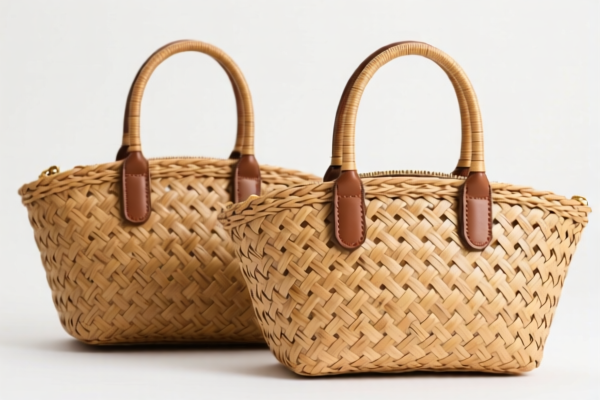
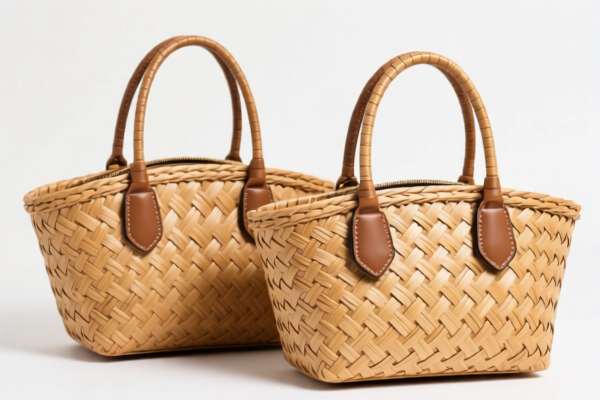
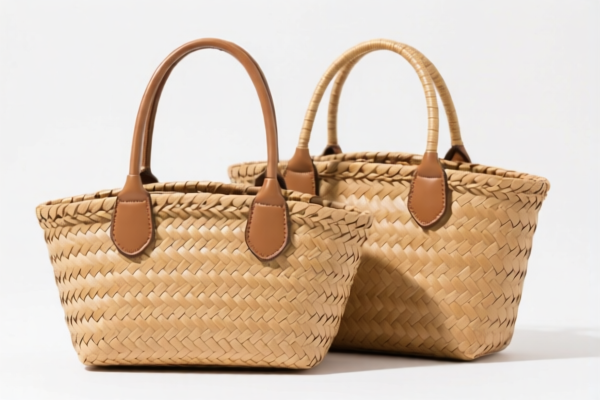
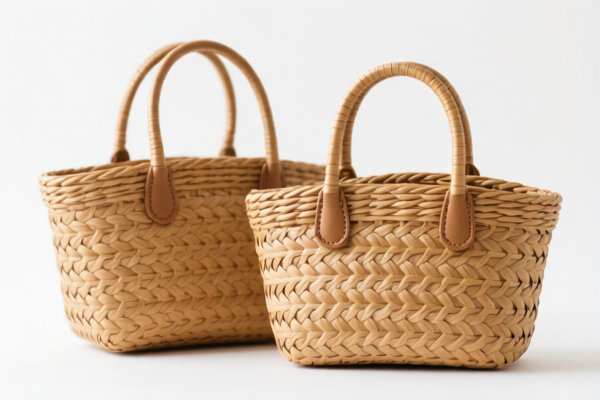
AI分析
🎒 Woven Rattan Handbags (Natural Fiber Bags)
🌐 HS Code Reference & Clearance Guide | 2024/2026 Tariff Breakdown | Professional Entry Strategies
📌 1. Product Definition & Classification: Do You Know "Woven Rattan Bags"?
Woven rattan handbags are fashion accessories made from natural plant materials, primarily rattan, bamboo, vine, or other similar fibers. In international trade, they are classified differently based on material composition, processing level, and structural integrity.
⚠️ Critical Distinction:
- If made from bamboo, cane, or plant fibers that are woven into a rigid or semi-rigid structure → Chapter 46 (Articles of Vegetable Plaiting Materials)
- If made from textiles, woven fabrics, or other materials (even if the surface looks "woven") → Chapter 42 (Articles of Leather; Saddle harness...)
- Misclassification Risk: Declaring a bamboo bag as a "textile bag" or vice versa leads to severe tariff penalties and customs delays.
📦 2. HS Code Classification Matrix (Detailed Breakdown)
| HS Code | Product Description | Material Specification | Total Tax Rate | Tax Breakdown |
|---|---|---|---|---|
4602.11.21.00 |
Woven handbags, made of bamboo, cane, or similar plant materials | Natural vegetable plaiting materials (e.g., rattan, bamboo strips) | 41.2% | Base: 6.2% Section 301: 25.0% Section 122: 10.0% |
4602.19.29.20 |
Woven handbags, made of other plant material weaving products | Other natural fibers (e.g., reed, grass, palm leaf) not classified under 4602.11 | 40.3% | Base: 5.3% Section 301: 25.0% Section 122: 10.0% |
4202.22.40.20 |
Woven handbags, made of woven materials (non-textile, non-plant plaiting) | Composite woven materials, synthetic plaiting, or mixed fibers | 42.4% | Base: 7.4% Section 301: 25.0% Section 122: 10.0% |
4202.22.89.80 |
Woven handbags, made of textile materials | Fabric-based, canvas, cotton, polyester, or any textile weave | 52.6% | Base: 17.6% Section 301: 25.0% Section 122: 10.0% |
🔍 Key Insight:
- Chapter 46 items benefit from lower base tariffs (5.3%–6.2%) because they are considered "agricultural/plaiting goods."
- Chapter 42 items, especially textile-based ones (4202.22.89.80), face much higher base tariffs (17.6%) due to competition protections for domestic textile industries.
- Section 301 (25%) and Section 122 (10%) apply uniformly to all Chinese-origin goods in this category, regardless of HS code.
💰 3. 2024/2026 Tariff Structure Explanation (For US Imports from China)
✅ Applicable Jurisdiction: United States (US)
✅ Origin: China (CN)
✅ Effective Date: Ongoing (Section 301 & Section 122)
🎯 1. 4602.11.21.00 — Bamboo/Cane Handbags
- Base Duty: 6.2%
- Section 301 Surcharge: +25.0%
- Section 122 Surcharge: +10.0%
- Total Effective Rate: 41.2%
- Legal Basis:
19 CFR 122(Section 122 – Small Value Shipments)19 CFR 301(Section 301 – China Actions)USITC Heading 4602
📌 Why this matters:
Section 122 is a recent policy targeting small-value shipments from China, applying an additional 10% duty. Even if the item qualifies for de minimis, Section 301 and Section 122 may override exemptions for specific categories. Always verify current enforcement status.
🎯 2. 4602.19.29.20 — Other Plant Fiber Handbags
- Base Duty: 5.3%
- Section 301 Surcharge: +25.0%
- Section 122 Surcharge: +10.0%
- Total Effective Rate: 40.3%
- Note: Slightly cheaper than bamboo/cane due to lower base rate, but still subject to full surcharges.
🎯 3. 4202.22.40.20 — Woven Material Handbags (Non-Textile)
- Base Duty: 7.4%
- Section 301 Surcharge: +25.0%
- Section 122 Surcharge: +10.0%
- Total Effective Rate: 42.4%
- Clarification: "Woven materials" here refers to non-textile, non-plant plaiting items (e.g., synthetic wicker, paper-based weaves). These are classified under Chapter 42 as "bags with outer surface of textile materials or other materials."
🎯 4. 4202.22.89.80 — Textile Handbags
- Base Duty: 17.6%
- Section 301 Surcharge: +25.0%
- Section 122 Surcharge: +10.0%
- Total Effective Rate: 52.6%
- Warning: This is the highest tax bracket for woven handbags. Textile imports face higher base duties due to historical protectionism. Even if the bag looks like rattan, if it’s made of fabric, it falls here.
🛠️ 4. Clearance Practical Advice (Avoiding Customs Delays & Penalties)
✅ 1. Essential Documentation Checklist
| Document | Required? | Purpose |
|---|---|---|
| ✅ Product Specification Sheet | ✔️ | Clearly state material composition (e.g., “100% Natural Rattan,” “Bamboo Strip,” “Polyester Canvas”) |
| ✅ Material Composition Declaration | ✔️ | Must specify % of each material. Critical for Chapter 46 vs. Chapter 42 distinction |
| ✅ High-Resolution Photos | ✔️ | Show texture, weaving pattern, lining, hardware. Proves natural plant fiber vs. textile |
| ✅ Commercial Invoice | ✔️ | Must match HS code and describe item as “Woven Handbag, [Material], [Country of Origin]” |
| ✅ Packing List | ✔️ | Include weight, dimensions, number of pieces |
| ✅ Certificate of Origin (CO) | ✔️ | To prove Chinese origin (triggers Section 301/122) |
📌 Pro Tip:
- For Chapter 46 items, include a manufacturer’s declaration stating that the product is made from vegetable plaiting materials (bamboo, rattan, cane, reed, etc.).
- For Chapter 42 items, especially textiles, ensure the invoice specifies “Textile Material” clearly to avoid misclassification disputes.
✅ 2. Declaration Best Practices (Golden Rules)
| Scenario | Correct Declaration | Incorrect Declaration | Risk |
|---|---|---|---|
| Natural Rattan Bag | “Handbag, woven from natural bamboo strips, 100% vegetable plaiting material” | “Woven bag” or “Plastic bag” | Misclassification → Penalty |
| Bamboo + Fabric Lining | “Handbag, exterior: 100% bamboo; lining: polyester” → Still 4602.11.21.00 if bamboo is primary |
“Textile handbag” | Higher tax (52.6% vs 41.2%) |
| Synthetic Wicker Bag | “Handbag, made of woven polypropylene” → 4202.22.40.20 |
“Rattan handbag” | Fraud risk, fines |
| Canvas Tote with Woven Pattern | “Handbag, woven polyester fabric” → 4202.22.89.80 |
“Plant fiber bag” | Severe penalty, audit |
🔥 Golden Rule:
“Material defines Chapter, not appearance. If it’s plant plaiting → Chapter 46. If it’s textile or synthetic weave → Chapter 42.”
✅ 3. Special Cases & Exceptions
| Case | Handling Advice |
|---|---|
| Mixed Materials (e.g., Rattan + Leather Straps) | Primary material determines classification. If rattan is >50% by volume/value, likely 4602.11.21.00 |
| Sample Bags for Promotion | Still subject to duties. No de minimis exemption if Section 301/122 applies |
| OEM Custom Bags | Provide design specs to prove material composition. Avoid generic terms like “eco-friendly bag” |
| Repairs/Refurbished Bags | New goods only. Repaired goods may have different HS codes and duties |
🌍 5. Global Market Comparison (2024/2026)
| Destination | Recommended HS Code | Base Duty | Section 301/122? | Total Approx. Rate | Notes |
|---|---|---|---|---|---|
| 🇺🇸 USA | 4602.11.21.00 |
6.2% | ✅ Yes (+35%) | 41.2% | High barriers for Chinese goods |
| 🇨🇳 China | 4602.11.00.00 |
6.0% | ❌ No | 6.0% | Low duty, easy clearance |
| 🇪🇺 EU | 4602.11.00 |
3.5% | ❌ No | 3.5% | No Section 301/122 |
| 🇬🇧 UK | 4602.11.00 |
3.5% | ❌ No | 3.5% | Post-Brexit rules apply |
| 🇦🇺 Australia | 4602.11.00 |
5.0% | ❌ No | 5.0% | Free trade agreement with China |
| 🇯🇵 Japan | 4602.11.00 |
5.0% | ❌ No | 5.0% | No additional surcharges |
📌 Strategic Insight:
- US Market: Extremely costly due to Section 301 (25%) and Section 122 (10%). Consider third-country manufacturing (Vietnam, Thailand) to avoid surcharges.
- EU/Asia: Favorable for direct export from China. No punitive tariffs.
- Diversification: If targeting US, consider sourcing from non-China origins to reduce total landed cost by 35%+.
📌 6. Common Mistakes & Pitfalls (Learn from Others’ Errors)
❌ Mistake 1: Calling a textile bag a “rattan bag”
👉 Consequence: Customs reclassifies to 4202.22.89.80 → 52.6% tax + penalties
👉 Fix: Accurate material declaration on invoice and spec sheet
❌ Mistake 2: Assuming all woven bags are Chapter 46
👉 Consequence: Synthetic wicker misclassified as bamboo → Audit, back taxes
👉 Fix: Verify material composition with lab tests if unsure
❌ Mistake 3: Ignoring Section 122
👉 Consequence: Underpaying 10% duty → Debt collection, shipment hold
👉 Fix: Include Section 122 in all cost calculations for China-origin goods
✅ Best Practice:
“Declare Material, Not Just Appearance. Verify Origin, Avoid Surcharges. Keep Documentation, Pass Clearance.”
🎯 7. Conclusion: Smart Classification Saves Money
🎯 Key Takeaways:
- Chapter 46 (4602.11.21.00, 4602.19.29.20) is cheaper for natural plant fibers.
- Chapter 42 (4202.22.40.20, 4202.22.89.80) is more expensive for textiles/synthetics.
- Section 301 (25%) + Section 122 (10%) apply to all Chinese-origin goods in this category.
- Total tax ranges from 40.3% to 52.6%, significantly impacting profitability.
📌 Action Items:
1. Audit your product specs – Confirm material composition.
2. Choose the right HS code – Based on actual material, not marketing terms.
3. Factor in total duties – Include 35% surcharges in pricing models.
4. Consider supply chain shift – If targeting US, explore non-China origins.
📣 Next Steps:
📞 Consult a licensed customs broker for pre-classification review.
📄 Prepare detailed material declarations for every shipment.
🚀 Optimize landed cost through accurate HS coding and strategic sourcing.
✨ Professional clearance starts with precise classification!
💼 Every percentage point matters – don’t let misclassification eat your margins!
用户评价
关于 HS 编码归类
协调制度(HS)是由世界海关组织(WCO)制定的国际贸易商品分类标准。全球 200 多个国家采用 HS 系统作为海关关税、贸易统计和进出口监管的基础。
每个 HS 编码遵循以下层级结构:
- 章(2 位)——商品大类(例如:第 84 章:机器和机械设备)
- 品目(4 位)——章内的更具体分类
- 子目(6 位)——国际通用细分,所有 WCO 成员国统一使用
- 本国细分(8-10 位)——各国自行扩展的细分编码,如美国 HTSUS 10 位编码
正确的 HS 编码归类对于顺利通关、准确缴纳关税和遵守贸易法规至关重要。错误归类可能导致海关延误、多缴关税或罚款。
从CN进口到US时,适用的关税税率可能包括:
- 最惠国(MFN)税率——适用于 WTO 成员国的标准关税税率
- 普通税率——适用于无贸易协定国家
- 贸易救济关税——附加关税,如 301 条款(反倾销)、232 条款(国家安全)或反补贴税
本页内容仅供参考。如需正式归类,请咨询当地海关或持牌报关代理。