Woven Rattan Products
CN → US| HS编码 | 关税税率 | 原产国 | 目的国 | 文档 |
|---|---|---|---|---|
| 9403830015 | 35.0% | CN | US | 官方文档 |
| 4421999880 | 38.3% | CN | US | 官方文档 |
| 4602121600 | 40.0% | CN | US | 官方文档 |
| 9403830001 | 35.0% | CN | US | 官方文档 |
商品图片
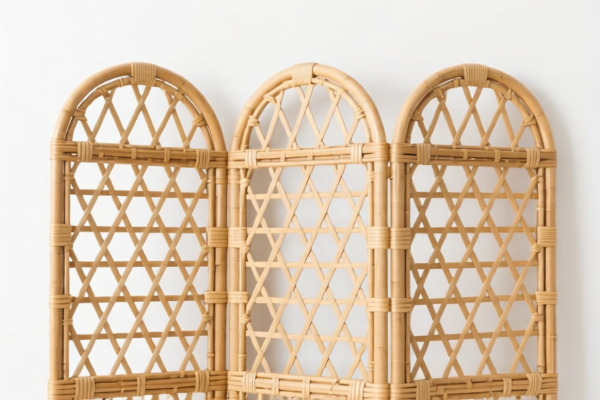
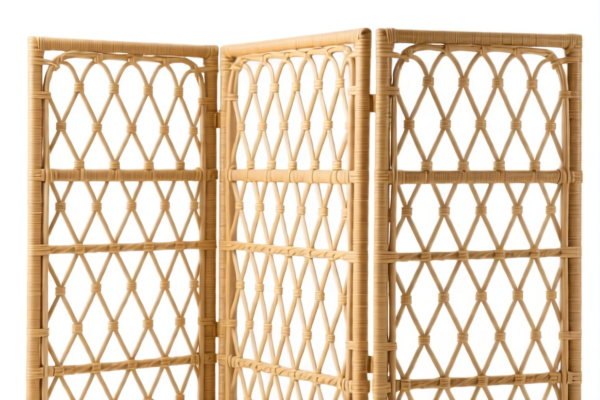
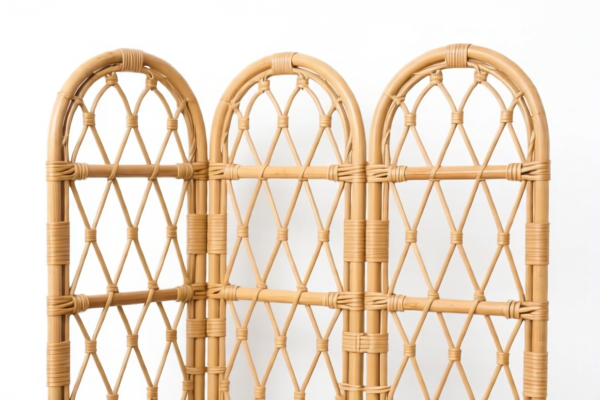
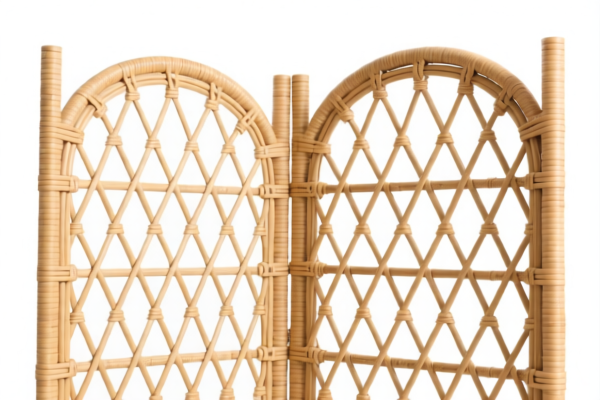
AI分析
🌿 Woven Rattan Products: HS Code Classification & US Customs Clearance Guide 2026
🌐 HS Code Reference & Customs Strategy | Latest Tariff Breakdown for Woven Rattan | High-Tax Alert
📌 I. Product Definition & Core Distinction: What Exactly is "Woven Rattan"?
Woven rattan products are versatile items made from natural rattan stems or plant fibers, widely used in home decor, furniture, and storage. In international trade, their classification hinges entirely on functionality and form. Misclassification is the #1 cause of customs delays and unexpected tax bills.
Key Distinctions: * Furniture (Chapter 94): Items intended for sitting, sleeping, or supporting the body (chairs, tables, cabinets). * Household Containers/Baskets (Chapter 46): Items intended for holding, carrying, or storing goods (baskets, bags, mats). * Other Wood/Plant Products (Chapter 44): A "catch-all" for items that don't fit specific furniture or basket definitions, often used for structural components or non-standalone decorative pieces.
⚠️ Critical Classification Point:
- If it’s a chair/table/cabinet → Chapter 94 (Furniture).
- If it’s a basket/bag → Chapter 46 (Baskets).
- If it’s other (e.g., wall hanging, decorative screen, non-furniture item) → Chapter 44 (Wood/Plant).
📦 II. HS Code Classification Matrix (US HTS 2026)
| HS Code | Product Description | Category | Key Features |
|---|---|---|---|
9403.83.00.01 |
Rattan Furniture (Other) | Furniture | Chairs, tables, cabinets made of rattan. Not specified elsewhere. |
9403.83.00.15 |
Rattan Household Furniture | Furniture | Similar to above, often used for general home use. |
4421.99.98.80 |
Other Wooden/Plant Products | General | Catch-all for rattan items not classified as furniture or baskets. |
4602.12.16.00 |
Woven Baskets & Similar Articles | Containers | Rattan baskets, bags, mats, and woven containers. |
🔍 Important Note:
- Furniture vs. Basket: A rattan chair is 9403.83, not 4602.12. A rattan basket is 4602.12, not 9403.83. - Material Matters: All codes below assume natural rattan or plant fiber construction. Synthetic materials may fall under different chapters.
💰 III. 2026 Tariff Rate Breakdown (US Imports from China)
✅ Applicable Country: United States (US)
✅ Origin: China (CN)
✅ Effective Date: Current rates apply (Section 301 + IEEPA)
🎯 1. 9403.83.00.01 & 9403.83.00.15 — Rattan Furniture
| Item | Details |
|---|---|
| Base Duty Rate | 0.0% (Standard MFN rate for most furniture) |
| Section 301 Duty | +25.0% (Trade Action under US Trade Act Section 301) |
| IEEPA Duty | +10.0% (International Emergency Economic Powers Act - China-specific) |
| Total Effective Rate | 35.0% |
| De Minimis Exemption | ❌ NOT ALLOWED (Denies de minimis for Section 301/IEEPA goods) |
| Legal Basis | USITC:9403.83.00.01/15 → Section 301 → IEEPA:9903.01.25 |
📌 Explanation:
- Furniture made in China is heavily taxed.
- The 25% is due to US-China trade tensions (Section 301).
- The 10% is an additional emergency tariff under IEEPA.
- Total: 35% on CIF value. This is a high-cost category.
🎯 2. 4421.99.98.80 — Other Plant-Based Products (Non-Furniture/Basket)
| Item | Details |
|---|---|
| Base Duty Rate | 3.3% (Standard MFN rate for other wooden/plant products) |
| Section 301 Duty | +25.0% |
| IEEPA Duty | +10.0% |
| Total Effective Rate | 38.3% |
| De Minimis Exemption | ❌ NOT ALLOWED |
| Legal Basis | USITC:4421.99.98.80 → Section 301 → IEEPA:9903.01.25 |
📌 Explanation:
- This is a "catch-all" for rattan items that are not furniture and not baskets (e.g., decorative screens, wall panels, rattan mats for flooring).
- Base rate is slightly higher (3.3%), leading to a higher total tax (38.3%).
🎯 3. 4602.12.16.00 — Woven Rattan Baskets & Containers
| Item | Details |
|---|---|
| Base Duty Rate | 5.0% (Standard MFN rate for baskets) |
| Section 301 Duty | +25.0% |
| IEEPA Duty | +10.0% |
| Total Effective Rate | 40.0% |
| De Minimis Exemption | ❌ NOT ALLOWED |
| Legal Basis | USITC:4602.12.16.00 → Section 301 → IEEPA:9903.01.25 |
📌 Explanation:
- Baskets, bags, and woven containers made of rattan.
- Highest base rate (5%) among the options, resulting in the highest total tax (40%).
🛠️ IV. Customs Clearance Strategy & Best Practices
✅ 1. Pre-Shipment Checklist (Mandatory)
| Document | Required? | Purpose |
|---|---|---|
| Product Photos | ✅ Yes | Must clearly show function (e.g., is it a chair or a basket?). |
| Material Specification | ✅ Yes | Confirm 100% natural rattan vs. synthetic blend. |
| Commercial Invoice | ✅ Yes | Must state: "Rattan [Furniture/Basket/Other], Made in China" |
| HS Code Pre-Ruling | ✅ Recommended | Submit to CBP before shipment to avoid audits. |
| FCC/CE Certs | ❌ Not Required | Unless electrical components are included (rare for pure rattan). |
✅ 2. Classification Tips (Avoid Common Pitfalls)
| Scenario | Correct HS Code | Why? |
|---|---|---|
| Rattan Chair | 9403.83.00.01 |
It’s furniture, even if made of woven plant material. |
| Rattan Basket | 4602.12.16.00 |
It’s a container/basket, not furniture. |
| Rattan Wall Hanging | 4421.99.98.80 |
Not furniture, not a basket. Falls under "other plant products." |
| Rattan Table with Glass Top | 9403.83.00.01 |
Main material/function is furniture. Glass top doesn’t change classification. |
🔥 Golden Rule:
"Function Defines HS Code. Not Material!"
Even if made of rattan, if it’s a chair, it’s Chapter 94. If it’s a basket, it’s Chapter 46.
✅ 3. Cost-Saving Strategies
| Strategy | Action |
|---|---|
| Avoid De Minimis Abuse | Do not ship via USPS/UPS/FedEx small parcels to claim de minimis exemption. These tariffs apply to all shipments, regardless of value. |
| Product Redesign | Consider if the item can be classified as accessories (e.g., rattan handles) to lower base duty. |
| Country of Origin | Ensure no substantial transformation in a third country. If assembled in Vietnam, rules of origin may apply, but pure Chinese rattan imports are heavily taxed. |
🌍 V. Global Market Comparison (2026)
| Market | HS Code (Example) | Total Tax Rate | Notes |
|---|---|---|---|
| 🇺🇸 USA | 9403.83.00.01 |
35.0% | Heavy Section 301 + IEEPA tariffs. |
| 🇪🇺 EU | 9403.83 |
0% | No additional tariffs. Free trade agreement benefits may apply. |
| 🇨🇳 China | 9403.83 |
5.0% | Low import duty for rattan furniture. |
| 🇯🇵 Japan | 9403.83 |
0% | No additional tariffs. |
📌 Key Insight:
The US is the most expensive market for woven rattan products due to geopolitical tariffs.
EU, Japan, and China have significantly lower or zero tariffs.
📌 VI. Common Mistakes & How to Avoid Them
❌ Mistake 1: Classifying a rattan chair as "basket" (4602.12)
👉 Consequence: Audit by CBP. Penalty + back taxes.
👉 Fix: Use 9403.83.00.01 for furniture.
❌ Mistake 2: Assuming de minimis exemption applies to small shipments
👉 Consequence: Goods seized at customs.
👉 Fix: All Section 301/IEEPA goods are taxable regardless of value.
❌ Mistake 3: Vague description on invoice ("Rattan Item")
👉 Consequence: Customs delays, additional fees.
👉 Fix: Specify "Rattan Chair" or "Rattan Basket" clearly.
🎯 VII. Final Recommendations
- Pre-Ruling is Key: Submit an Advance Ruling Request to US Customs (CBP) with product photos and descriptions. This locks in the HS code and prevents surprises.
- Cost Calculation: Budget for 35–40% total tax on CIF value. This is not a high-margin product for the US market unless prices are adjusted.
- Supply Chain Diversification: If possible, source from Vietnam, Thailand, or Indonesia where tariffs may differ (though still subject to Section 301 if Chinese-origin materials are used).
📣 Immediate Action Step:
📞 Contact a licensed customs broker to verify your specific product’s HS code before shipping.
📝 Document everything: Photos, specs, invoices.
💡 Pro Tip: If your product is decorative only (e.g., wall art), ensure it’s not accidentally classified as furniture to avoid higher tax bases.
✨ Accurate Classification = Predictable Costs
💼 Don’t let hidden tariffs eat your profits!
用户评价
关于 HS 编码归类
协调制度(HS)是由世界海关组织(WCO)制定的国际贸易商品分类标准。全球 200 多个国家采用 HS 系统作为海关关税、贸易统计和进出口监管的基础。
每个 HS 编码遵循以下层级结构:
- 章(2 位)——商品大类(例如:第 84 章:机器和机械设备)
- 品目(4 位)——章内的更具体分类
- 子目(6 位)——国际通用细分,所有 WCO 成员国统一使用
- 本国细分(8-10 位)——各国自行扩展的细分编码,如美国 HTSUS 10 位编码
正确的 HS 编码归类对于顺利通关、准确缴纳关税和遵守贸易法规至关重要。错误归类可能导致海关延误、多缴关税或罚款。
从CN进口到US时,适用的关税税率可能包括:
- 最惠国(MFN)税率——适用于 WTO 成员国的标准关税税率
- 普通税率——适用于无贸易协定国家
- 贸易救济关税——附加关税,如 301 条款(反倾销)、232 条款(国家安全)或反补贴税
本页内容仅供参考。如需正式归类,请咨询当地海关或持牌报关代理。