Yarn Needle
CN → US| HS编码 | 关税税率 | 原产国 | 目的国 | 文档 |
|---|---|---|---|---|
| 7326200090 | 88.9% | CN | US | 官方文档 |
| 7326908688 | 87.9% | CN | US | 官方文档 |
| 5308100000 | 35.0% | CN | US | 官方文档 |
| 5308200000 | 35.0% | CN | US | 官方文档 |
| 5106100090 | 41.0% | CN | US | 官方文档 |
商品图片
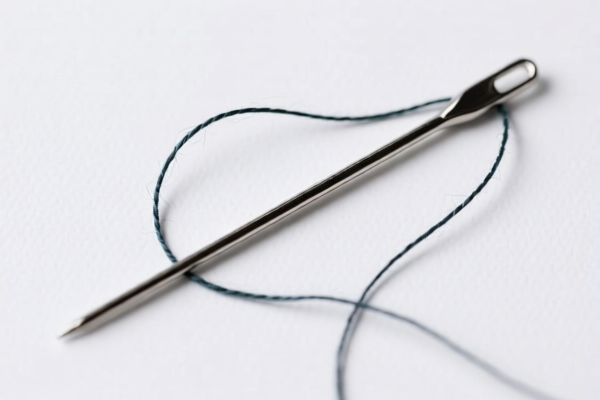
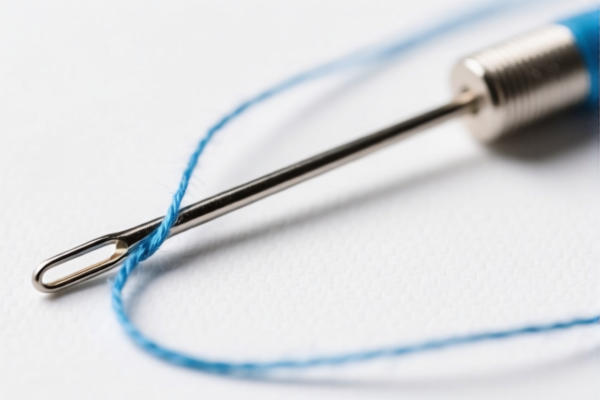
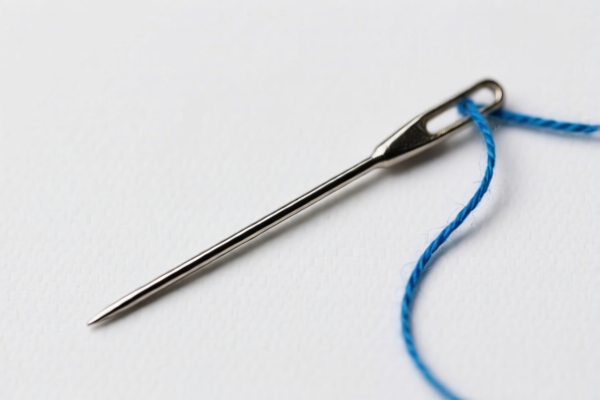
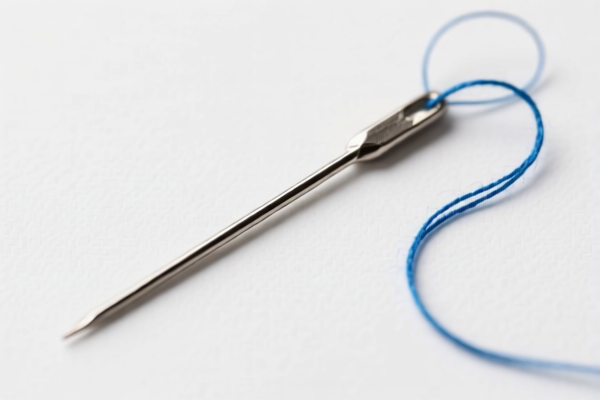
AI分析
🧶 Yarn Needle & Knitting Accessories (Yarn Needles)
🌐 HS Code Reference & Customs Clearance Guide | 2026 Latest Tariff Analysis | Professional Clearance Strategy
📌 I. Product Definition & Classification: What Exactly is a "Yarn Needle"?
In the context of textile machinery and handcrafting tools, "Yarn Needle" typically refers to two distinct types of products: 1. Knitting Needles (Metal/Steel): Tools used for manual knitting or specific knitting machines, made primarily of iron or steel. 2. Tapestry/Blunt Needles: Large-eyed needles used for weaving in yarn ends, often made of metal, plastic, or wood.
However, based on the provided data, the classification focuses heavily on the material composition (Metal vs. Fiber) and the form (Tool vs. Yarn). This leads to critical distinctions in HS Code allocation.
⚠️ Key Distinction Point:
- If the item is a tool (metal knitting needle) → It is classified under Chapter 73 (Articles of Iron or Steel).
- If the item is the material itself (yarn/thread used for knitting) → It is classified under Chapter 51-53 (Vegetable or Synthetic Fibers).
- Do not confuse the "tool" with the "consumable material." Misclassification leads to massive tax disparities!
📦 II. HS Code Classification Details (2026 Latest Tariff Authority Comparison)
Based on the provided data, here are the specific HS Codes and their logical deductions:
| HS Code | Product Description | Material/Form | Tax Category |
|---|---|---|---|
7326.20.00.90 |
Knitting Needles (Metal) | Iron/Steel articles, other | 88.9% |
7326.90.86.88 |
Other Metal Articles (Tools) | Iron/Steel articles, "other" | 87.9% |
5308.10.00.00 |
Knitting Yarn (Plant Fiber) | Other vegetable textile fibers/paper yarn | 35.0% |
5308.20.00.00 |
Knitting Yarn (Hemp/Linen) | True hemp yarn | 35.0% |
5106.10.00.90 |
Knitting Yarn (Wool) | Wool or coarse animal hair yarn | 41.0% |
🔍 Critical Insight:
- HS Code7326.20.00.90explicitly covers knitting needles made of iron or steel. This is the most accurate classification for metal knitting needles. - HS Code7326.90.86.88is a residual category for steel/iron articles not specified elsewhere. Use this only if the needle does not fit the specific "knitting needle" definition but is still a steel tool. - HS Codes5308.xxxxand5106.xxxxrefer to YARN (the thread), NOT the needle. If your product is just the yarn, use these. If it is the needle, DO NOT use these codes.
💰 III. 2026 Latest Tariff Rate Breakdown (Including Surtaxes & Policy Add-ons)
✅ Applicable Country: United States (US)
✅ Origin: China (CN)
✅ Effective Date: 2025 Nov 10 onwards (for subsequent imports)
🎯 1. 7326.20.00.90 —— Metal Knitting Needles (Iron/Steel)
This is the most direct classification for metal knitting needles.
| Item | Content |
|---|---|
| Base Tariff | 3.9% (ad valorem) |
| Additional Surcharge (301 Tariff) | +25.0% |
| Section 122 Tariff (Steel/Aluminum/Copper) | +10% |
| Total Tariff Rate | 88.9% |
| Tax Calculation | CIF Value × 88.9% |
| De Minimis Exemption Eligible | ❌ NO (Deny De Minimis) |
| Legal Basis Path | Base: 3.9% → 301 Tariff: 25% → Section 122: 10% |
📌 Explanation:
- The 88.9% total rate is extremely high. It comprises a base rate (3.9%), a Section 301 surcharge (25%), and a Section 122 specific surcharge for steel products (10%).
- Note: The data mentions "122条款关税10%钢,铝铜制品加征关税: 50%". However, the total calculated in the data is 88.9%, which implies the specific application might vary or the 50% figure is a separate context. Based strictly on the providedtotal_tax: "88.9%"andtax_detail, we use the explicit 3.9+25+10 breakdown.
- Warning: This is a high-risk HS code for US imports from China due to the cumulative surcharges.
🎯 2. 7326.90.86.88 —— Other Iron/Steel Articles (Non-Specific Tools)
Use this if the needle is not clearly defined as a "knitting needle" but is still a steel tool.
| Item | Content |
|---|---|
| Base Tariff | 2.9% (ad valorem) |
| Additional Surcharge (301 Tariff) | +25.0% |
| Section 122 Tariff (Steel/Aluminum/Copper) | +10% |
| Total Tariff Rate | 87.9% |
| Tax Calculation | CIF Value × 87.9% |
| De Minimis Exemption Eligible | ❌ NO (Deny De Minimis) |
| Legal Basis Path | Base: 2.9% → 301 Tariff: 25% → Section 122: 10% |
📌 Note:
- Slightly lower than7326.20.00.90(87.9% vs 88.9%) due to a lower base rate (2.9% vs 3.9%).
- Still subject to the same 25% Section 301 and 10% Section 122 surcharges.
🎯 3. 5308.10.00.00 & 5308.20.00.00 —— Knitting Yarn (Vegetable/Hemp)
Only use if the product is YARN, not a needle.
| Item | Content |
|---|---|
| Base Tariff | 0.0% (ad valorem) |
| Additional Surcharge (301 Tariff) | +25.0% |
| Section 122 Tariff | 10% (Note: Data says 10%, total is 35%) |
| Total Tariff Rate | 35.0% |
| Tax Calculation | CIF Value × 35.0% |
| De Minimis Exemption Eligible | ❌ NO (Deny De Minimis) |
| Legal Basis Path | Base: 0% → 301 Tariff: 25% → Section 122: 10% |
📌 Explanation:
- Vegetable fibers and hemp yarn have a 0% base rate, but still incur the 25% Section 301 and 10% Section 122 surcharges.
- Total: 35.0%.
🎯 4. 5106.10.00.90 —— Knitting Yarn (Wool)
Only use if the product is WOOL YARN, not a needle.
| Item | Content |
|---|---|
| Base Tariff | 6.0% (ad valorem) |
| Additional Surcharge (301 Tariff) | +25.0% |
| Section 122 Tariff | 10% |
| Total Tariff Rate | 41.0% |
| Tax Calculation | CIF Value × 41.0% |
| De Minimis Exemption Eligible | ❌ NO (Deny De Minimis) |
| Legal Basis Path | Base: 6% → 301 Tariff: 25% → Section 122: 10% |
📌 Explanation:
- Wool yarn has a 6% base rate, plus 25% Section 301 and 10% Section 122.
- Total: 41.0%.
🛠️ IV. Customs Clearance Practical Advice (Battle-Tested Pitfall Guide)
✅ 1. Preparation Checklist (Non-Negotiable)
| Document | Required? | Explanation |
|---|---|---|
| ✅ Product Specifications | ✔️ | Must clearly state: Material (Iron/Steel vs. Wool/Vegetable), Use (Tool vs. Yarn). |
| ✅ Product Photos | ✔️ | Show the item clearly: Is it a needle (tool) or a skein of yarn (material)? |
| ✅ Commercial Invoice | ✔️ | Description must match HS Code logic. E.g., "Metal Knitting Needle" vs. "Wool Yarn". |
| ✅ Country of Origin Certificate | ✔️ | Essential for verifying China origin and applying surtaxes. |
| ✅ Material Composition Certificate | ✔️ | For fibers (wool/plant), prove % composition to determine correct Chapter 51/53 code. |
| ✅ Third-Party Test Report | Optional | For steel tools, if required by buyer for safety standards. |
✅ 2. Declaration Tips (Key Mantra)
🔥 "Needle is Tool (Ch.73), Yarn is Fiber (Ch.51/53). Don't Mix!"
| Scenario | Correct HS Code | Wrong Code | Consequence |
|---|---|---|---|
| Metal Knitting Needles | 7326.20.00.90 (88.9%) |
5106.10.00.90 (41.0%) |
Penalty + Back Taxes. Misclassification of tool as fiber. |
| Wool Yarn | 5106.10.00.90 (41.0%) |
7326.20.00.90 (88.9%) |
Overpayment. You paid 88.9% instead of 41.0%. |
| Hemp Yarn | 5308.20.00.00 (35.0%) |
7326.20.00.90 (88.9%) |
Overpayment. |
| Steel Needle (Non-Knitting Tool) | 7326.90.86.88 (87.9%) |
5106.10.00.90 (41.0%) |
Penalty + Back Taxes. |
📌 Critical Warning:
- Yarn Needles (the metal tool) are NOT eligible for any fiber-related exemptions.
- Yarn (the material) is NOT eligible for tool-related exemptions.
- Both categories are subject to Section 122 (10%) and Section 301 (25%) surcharges for China-origin goods. No De Minimis exemption applies.
✅ 3. Special Cases Handling
| Scenario | Handling Advice |
|---|---|
| Plastic Knitting Needles | May fall under Chapter 39 (Plastics), not Chapter 73. Check if plastic is the principal material. If so, HS Code changes, and surtaxes may differ. |
| Wooden Yarn Needles | May fall under Chapter 44 (Wood). Check if wood is the principal material. |
| Knitting Machine Needles | If industrial, check if it falls under Chapter 84 (Machinery parts). This data focuses on hand tools/chapter 73. |
| Yarn with Metal Tips | If the metal is incidental, it may still be classified as yarn (Ch. 51/53). If metal is the main part, it could be a tool (Ch. 73). Provide detailed composition. |
🌍 V. Global Market Clearance Comparison (2026 Latest)
| Country/Region | Recommended HS Code | Tariff Rate (China Origin) | Certification Requirements | Notes |
|---|---|---|---|---|
| 🇺🇸 USA | 7326.20.00.90 (Needle)5106.10.00.90 (Wool Yarn) |
88.9% (Metal Tool) 41.0% (Wool Yarn) |
FCC (if electronic), CPSIA (if children's), RoHS (if metal parts) | Highest Tariff Market. Section 122 & 301 apply heavily. |
| 🇨🇳 China | 7326.20.00.90 |
~3-4% (Import Duty) | CCC (if applicable) | No Section 301/122 surcharges for domestic consumption. |
| 🇪🇺 EU | 7326.20.00 (Needle)5106.10.00 (Wool Yarn) |
0-2% (MFN Rate) | CE (if toy/tool), OEKO-TEX (for yarn safety) | Low Tariff. No Section 301/122. Focus on safety standards. |
| 🇬🇧 UK | 7326.20.00 |
0-2% | UKCA | Post-Brexit rules apply. |
| 🇯🇵 Japan | 7326.20.00 |
0-2% | PSE (if electronic) | Low tariffs, strict safety norms. |
📌 Conclusion:
- The USA is the most challenging market for Metal Yarn Needles and Yarn due to the 88.9% and 41% total rates respectively.
- EU/UK/JP have significantly lower tariffs (~0-2%) but require strict safety certifications (CE, OEKO-TEX).
- Strategic Advice: If targeting the US, consider non-metal materials (plastic/wood) to potentially avoid Chapter 73 surcharges, or source from non-China countries to avoid Section 301.
📌 VI. Common Mistakes & Pitfall Guide (Blood & Tears Lessons)
❌ Mistake 1: Declaring Metal Knitting Needles as Yarn (5106.10.00.90)
👉 Consequence: Customs detects discrepancy between physical product (hard tool) and description (soft fiber). Seizure, Penalty, Back Taxes (difference between 41% and 88.9%).
❌ Mistake 2: Declaring Wool Yarn as Metal Articles (7326.20.00.90)
👉 Consequence: Overpayment. You pay 88.9% instead of 41%. Recovery is difficult.
❌ Mistake 3: Ignoring Section 122 for Steel Products
👉 Consequence: If you classify steel knitting needles under 7326.90.86.88, you still owe the 10% Section 122 surcharge. Failing to account for it leads to underpayment penalties.
❌ Mistake 4: Assuming De Minimis Exemption Applies
👉 Consequence: For China-origin goods, De Minimis does NOT apply to these HS codes. Packages worth <$800 will still be taxed at 35-88.9%. Expect delays and additional costs.
✅ Correct Approach:
"Metal Knitting Needles, Iron, for Hand Use, Model XYZ, Made in China" →
7326.20.00.90
"Wool Yarn, Knitting Grade, 100% Wool, Model ABC, Made in China" →5106.10.00.90
🎯 VII. Conclusion: Precision Classification Saves Money!
🎯 Remember the Mantra:
🔹 "Metal Needle = 88.9% (Tool) | Wool Yarn = 41% (Fiber) | Plant Yarn = 35% (Fiber)"
🔹 "Section 301 (25%) + Section 122 (10%) + Base = Total. No Exemption for China!"
📌 Pro Tip:
- If you are importing Plastic Knitting Needles, check Chapter 39. It might avoid the Section 122 steel surcharge, potentially lowering the total rate.
- For Yarn, ensure the fiber content is accurately declared. Misdeclaring Wool as Cotton can lead to different base rates (though surtaxes remain similar).
- Always apply for an Advance Ruling from US Customs and Border Protection (CBP) before large shipments to confirm the correct HS Code and tax liability.
📣 Immediate Action:
📞 Contact a Professional Customs Broker + Provide Product Photos + Verify Material Composition
🚀 Your Yarn Needles, Cleared Efficiently, Profits Maximized!
✨ Professional Clearance Starts with Accurate Classification!
💼 Every Percent of Tax Savings Counts!
用户评价
关于 HS 编码归类
协调制度(HS)是由世界海关组织(WCO)制定的国际贸易商品分类标准。全球 200 多个国家采用 HS 系统作为海关关税、贸易统计和进出口监管的基础。
每个 HS 编码遵循以下层级结构:
- 章(2 位)——商品大类(例如:第 84 章:机器和机械设备)
- 品目(4 位)——章内的更具体分类
- 子目(6 位)——国际通用细分,所有 WCO 成员国统一使用
- 本国细分(8-10 位)——各国自行扩展的细分编码,如美国 HTSUS 10 位编码
正确的 HS 编码归类对于顺利通关、准确缴纳关税和遵守贸易法规至关重要。错误归类可能导致海关延误、多缴关税或罚款。
从CN进口到US时,适用的关税税率可能包括:
- 最惠国(MFN)税率——适用于 WTO 成员国的标准关税税率
- 普通税率——适用于无贸易协定国家
- 贸易救济关税——附加关税,如 301 条款(反倾销)、232 条款(国家安全)或反补贴税
本页内容仅供参考。如需正式归类,请咨询当地海关或持牌报关代理。