Youth Baseball Glove
CN → US| HS编码 | 关税税率 | 原产国 | 目的国 | 文档 |
|---|---|---|---|---|
| 6116100800 | 20.3% | CN | US | 官方文档 |
| 6216000800 | 18.3% | CN | US | 官方文档 |
| 6116930800 | 20.3% | CN | US | 官方文档 |
| 4203214000 | 35.0% | CN | US | 官方文档 |
| 4203212000 | 38.0% | CN | US | 官方文档 |
| 6216004600 | 20.3% | CN | US | 官方文档 |
商品图片
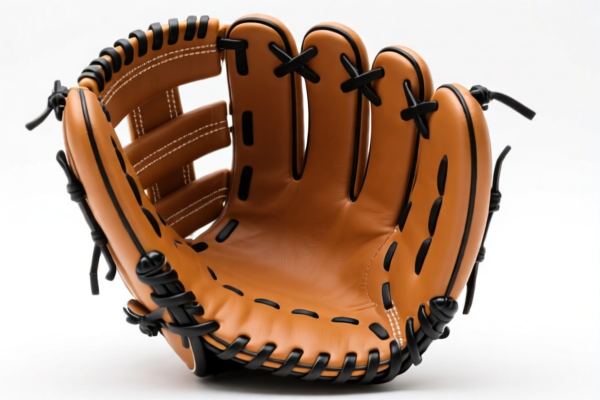
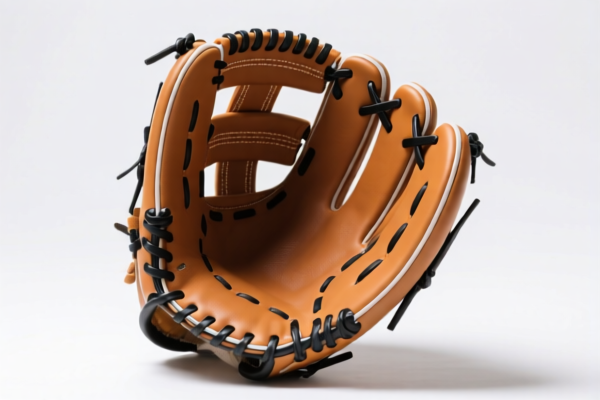
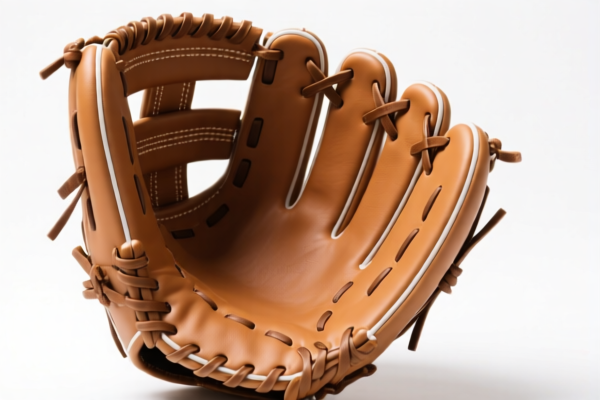
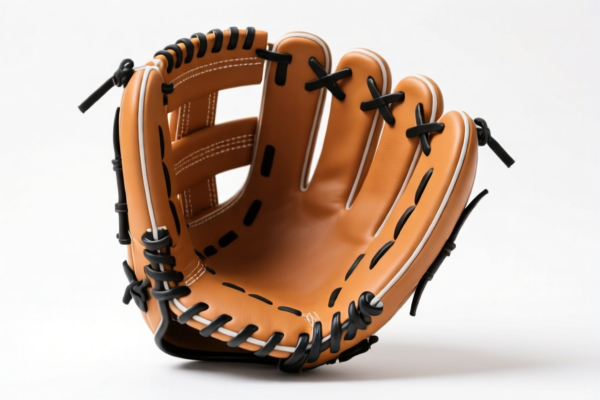
AI分析
⚾ Youth Baseball Glove: The Ultimate HS Code & Customs Clearance Guide | 2026 Tax Strategy
🌐 HS Code Reference & Customs Guide | 2026 Latest Tariff Analysis | Professional Clearance Strategy
📌 I. Product Definition & Classification: Do You Really Know a "Baseball Glove"?
A Youth Baseball Glove is not just a piece of leather; it is a specialized piece of sports equipment. In international trade, its classification depends heavily on material composition (Leather vs. Textile vs. Plastic/Rubber) and construction method (Knitted vs. Woven).
The Two Main Categories:
- Leather/Synthetic Leather Gloves (Chapter 42):
- Made primarily of leather or composition leather.
- Considered "Articles of apparel and clothing accessories, other" or specific leather goods.
- Textile/Plastic Coated Gloves (Chapter 61/62):
- Made of knit/crochet fabrics (Chapter 61) or woven fabrics (Chapter 62).
- May include rubber/plastic coatings on the palm for grip.
⚠️ Key Distinction Point:
- If the primary material is leather/composition leather → Go to Chapter 42.
- If the primary material is knit fabric (even if coated) → Go to Chapter 61.
- If the primary material is woven fabric → Go to Chapter 62.
- Misclassification Risk: Declaring a leather glove as textile can lead to severe penalties due to tariff differences (35-38% vs. ~20%).
📦 II. HS Code Classification Details (2026 Latest Tariff Authority Comparison)
Based on the provided data for a Left-Handed Baseball Glove, here are the potential HS Codes, summaries, and tax structures.
| HS Code | Product Summary & Material Inference | Total Tax Rate | Tax Breakdown Details |
|---|---|---|---|
6116.10.08.00 |
Left-hand baseball glove. Belongs to the glove category. Based on common sense, it may be coated or contain related functional materials. | 20.3% | Base Tariff: 2.8% Additional Tariff: 7.5% Section 122 Tariff: 10% |
6216.00.08.00 |
Left-hand baseball glove. Glove shape, surface contains leather or plastic/rubber coating. Purpose fits sports protective gear classification. | 18.3% | Base Tariff: 0.8% Additional Tariff: 7.5% Section 122 Tariff: 10% |
6116.93.08.00 |
Left-hand baseball glove. Form and purpose match for sports use. Material inferred as synthetic fiber or leather. | 20.3% | Base Tariff: 2.8% Additional Tariff: 7.5% Section 122 Tariff: 10% |
4203.21.40.00 |
Left-hand baseball glove. Purpose and form match. Material inferred as leather or synthetic leather. | 35.0% | Base Tariff: 0.0% Additional Tariff: 25.0% Section 122 Tariff: 10% |
4203.21.20.00 |
Left-hand baseball glove. Purpose and form fully match. Material inferred as leather or synthetic leather. | 38.0% | Base Tariff: 3.0% Additional Tariff: 25.0% Section 122 Tariff: 10% |
6216.00.46.00 |
Left-hand baseball glove. Form and purpose match. Material inferred as artificial fiber or leather. Fits definition of sports gloves. | 20.3% | Base Tariff: 2.8% Additional Tariff: 7.5% Section 122 Tariff: 10% |
🔍 Critical Observation:
- Leather Gloves (Ch 42) suffer from Higher Additional Tariffs (25%), leading to total taxes of 35-38%.
- Textile/Coated Gloves (Ch 61/62) have Lower Additional Tariffs (7.5%), leading to total taxes of 18.3-20.3%.
- Strategy: If the glove is made of knitted fabric (even with a small amount of leather trim), classify under 6116 or 6216 to save ~15% in taxes.
💰 III. 2026 Latest Tariff Rate Details (Including Surcharges & Policy Add-ons)
✅ Applicable Country: USA (US)
✅ Origin: China (CN) (Implied by Section 122 and Additional Tariffs)
✅ Effective Time: Current regulations apply.
🎯 1. 6116.10.08.00 / 6116.93.08.00 / 6216.00.46.00 —— Textile/Coated Sports Gloves
| Item | Content |
|---|---|
| Base Tariff | 0.8% - 2.8% (Ad Valorem) |
| Section 301 Additional Tariff | +7.5% (Based on provided data) |
| Section 122 Tariff | +10% (Specific to sports equipment/textiles from China) |
| Total Tax Rate | 18.3% - 20.3% |
| Tax Calculation | CIF Value × (18.3% to 20.3%) |
| De Minimis Exemption | ❌ No (Section 122 and Additional Tariffs usually negate de minimis for these categories in specific contexts, or value thresholds are low). |
| Legal Basis Path | USITC:6116.10.08.00 → Section 122: 10% + Section 301: 7.5% |
📌 Explanation:
- The 7.5% Additional Tariff is a specific rate applied to these textile/glove items.
- The 10% Section 122 Tariff is a retaliatory or specific duty on Chinese sports goods.
- Total Cost Impact: For a $100 glove, you pay $18.30 - $20.30 in duties.
🎯 2. 4203.21.40.00 / 4203.21.20.00 —— Leather/Synthetic Leather Gloves
| Item | Content |
|---|---|
| Base Tariff | 0.0% - 3.0% (Ad Valorem) |
| Section 301 Additional Tariff | +25.0% (Standard high-rate tariff for leather goods from China) |
| Section 122 Tariff | +10% |
| Total Tax Rate | 35.0% - 38.0% |
| Tax Calculation | CIF Value × (35.0% to 38.0%) |
| De Minimis Exemption | ❌ No |
| Legal Basis Path | USITC:4203.21.40.00 → Section 301: 25% + Section 122: 10% |
📌 Warning:
- These are high-tax categories.
- If your product is actually textile-based but declared as leather, you risk underpayment penalties if corrected by customs.
- If your product is leather-based, you cannot avoid the 25% additional tariff easily.
🛠️ IV. Customs Clearance Practical Advice (Real-World Pitfall Guide)
✅ 1. Preparation Checklist (Non-negotiable)
| Document | Required | Explanation |
|---|---|---|
| ✅ Product Specification Sheet | ✔️ | Must detail: Material composition (e.g., "90% Knitted Polyester, 10% Leather Palm"), Dimensions, Age Group (Youth). |
| ✅ Photos (Labeled) | ✔️ | Clear images of the palm (coating?), back (knit?), and label. |
| ✅ Commercial Invoice | ✔️ | Describe item as "Youth Baseball Glove, Knit/Synthetic" or "Leather Baseball Glove". Avoid vague terms like "Sports Accessory". |
| ✅ Origin Certificate | ✔️ | Confirm Country of Origin. If not China, Section 122 may not apply (but verify current rules). |
| ✅ Structure Diagram | ✔️ | Helpful to prove if it's "Knit" (Ch 61) or "Woven" (Ch 62) vs. "Leather" (Ch 42). |
✅ 2. Declaration Tips (Key Mnemonics)
🔥 “Material Determines Chapter, Chapter Determines Cost!”
| Scenario | Correct HS Code Strategy | Wrong Action | Consequence |
|---|---|---|---|
| Knit Fabric Glove (even with rubber palm) | Use 6116.10.08.00 or 6116.93.08.00 | Declare as Leather (4203) |
Overpaying by ~15% |
| Woven Fabric Glove (with coating) | Use 6216.00.08.00 or 6216.00.46.00 | Declare as Leather (4203) |
Overpaying by ~15-20% |
| True Leather Glove | Use 4203.21.20.00 or 4203.21.40.00 | Declare as Textile (6116) |
SEVERE PENALTY for misclassification, potential seizure |
| Mixed Material (Leather Palm + Knit Back) | Analyze Essential Character. If Knit dominates volume/value, try Ch 61. If Leather dominates, Ch 42. | Ambiguous description | Customs Audit, Delay, Re-classification Fees |
✅ 3. Special Case Handling
| Situation | Handling Advice |
|---|---|
| OEM/White Label Gloves | Provide customer contract. Ensure material description matches the actual product, not the brand's preference. |
| "Synthetic Leather" | Clarify if it is "Composition Leather" (Ch 42) or "Synthetic Fabric Coated" (Ch 59/61). This is the biggest source of disputes. |
| Youth vs. Adult | Size does not change HS Code, but "Youth" may imply smaller materials/volume, affecting valuation. |
| Set with Balls | If sold as a set, the glove is the essential character. Declare separately or as a set depending on packaging. |
🌍 V. Global Market Comparison (2026 Latest)
| Country/Region | Recommended HS Code | Est. Tax Rate (China Origin) | Key Requirements | Notes |
|---|---|---|---|---|
| 🇺🇸 USA | 6116 or 6216 |
18.3% - 20.3% (Textile) 35.0% - 38.0% (Leather) |
Section 122 + 301 Apply | High Tariff. Leather is very expensive to import. |
| 🇨🇳 China | 4203 or 6116 |
0% - 10% | No Additional Tariffs | Domestic trade friendly. |
| 🇪🇺 EU | 4203 or 6116 |
0% - 4.7% (Most Favorable) | CE (if safety gear) | No Section 122/301 equivalents. |
| 🇬🇧 UK | 4203 or 6116 |
0% - 12% | UKCA Marking | Post-Brexit rules apply. |
| 🇨🇦 Canada | 4203 or 6116 |
0% - 5% (CUSMA Eligible) | CUSMA Certificate | If made in US/Mexico, 0% duty. |
📌 Conclusion:
- USA is the most costly market due to Section 122 and Section 301.
- Material Selection is Key: Choosing Knit/Synthetic Textile over Leather can save you ~15% in landed cost.
- Do NOT misclassify leather gloves as textile. The penalties are severe.
📌 VI. Common Mistakes & Pitfall Guide (Lessons Learned)
❌ Mistake 1: Calling a Leather Glove a "Textile Glove" to save tax.
👉 Result: Customs inspection reveals leather. Back taxes + 20% penalty + Interest.
❌ Mistake 2: Ignoring Section 122 Tariff.
👉 Result: Underpaid by 10%. Customs issues a Notice of Liquidation with Higher Duty.
❌ Mistake 3: Vague Description "Baseball Glove".
👉 Result: Customs assigns the highest applicable duty rate (38%) due to uncertainty.
❌ Mistake 4: Mixing Leather and Textile without defining Essential Character.
👉 Result: Audit delay. Provide Material Breakdown (e.g., "60% Knit, 40% Leather Palm") to argue for Chapter 61.
✅ Correct Approach:
"Youth Baseball Glove, Left Hand, Knitted Polyester Back with Synthetic Rubber Palm, Model YBG-200"
→ Leads to 6116.10.08.00 (20.3% Tax) instead of 38%.
🎯 VII. Conclusion: Smart Classification, Lower Costs!
🎯 Remember the Golden Rule:
🔹 "Knit is King, Textile is Queen, Leather is Luxury (and Taxable)!"
🔹 "Check Section 122 and 301, or your margin will die!"
🔹 "Define the Material, Define the Tariff, Avoid the Audit!"
📌 Pro Tip:
If your supply chain allows, consider sourcing Knit/Synthetic Baseball Gloves from China or Vietnam. They face lower additional tariffs (7.5%) compared to leather (25%).
For Leather Gloves, ensure you have a solid margin to absorb the 35-38% total duty.
📣 Immediate Action:
📞 Consult a Customs Broker + Provide Material Specs + Apply for Advance Ruling (if high volume)
🚀 Classify Correctly, Clear Faster, Profit More!
✨ Professional Customs Clearance Starts with Accurate Classification!
💼 Every Percent Saved is Pure Profit!
用户评价
关于 HS 编码归类
协调制度(HS)是由世界海关组织(WCO)制定的国际贸易商品分类标准。全球 200 多个国家采用 HS 系统作为海关关税、贸易统计和进出口监管的基础。
每个 HS 编码遵循以下层级结构:
- 章(2 位)——商品大类(例如:第 84 章:机器和机械设备)
- 品目(4 位)——章内的更具体分类
- 子目(6 位)——国际通用细分,所有 WCO 成员国统一使用
- 本国细分(8-10 位)——各国自行扩展的细分编码,如美国 HTSUS 10 位编码
正确的 HS 编码归类对于顺利通关、准确缴纳关税和遵守贸易法规至关重要。错误归类可能导致海关延误、多缴关税或罚款。
从CN进口到US时,适用的关税税率可能包括:
- 最惠国(MFN)税率——适用于 WTO 成员国的标准关税税率
- 普通税率——适用于无贸易协定国家
- 贸易救济关税——附加关税,如 301 条款(反倾销)、232 条款(国家安全)或反补贴税
本页内容仅供参考。如需正式归类,请咨询当地海关或持牌报关代理。