Zippered Insulated Food Bag
CN → US| HS编码 | 关税税率 | 原产国 | 目的国 | 文档 |
|---|---|---|---|---|
| 6307908995 | 17.0% | CN | US | 官方文档 |
| 3926901000 | 20.9% | CN | US | 官方文档 |
| 3926902100 | 21.7% | CN | US | 官方文档 |
| 4202920807 | 42.0% | CN | US | 官方文档 |
| 4202920809 | 42.0% | CN | US | 官方文档 |
商品图片
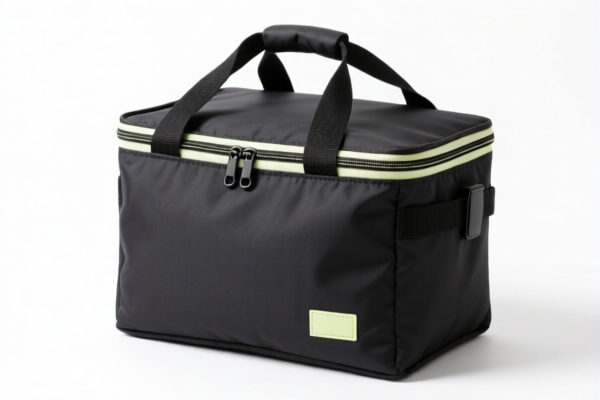
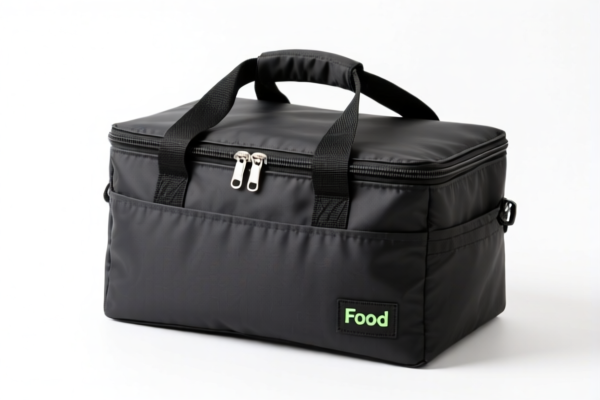
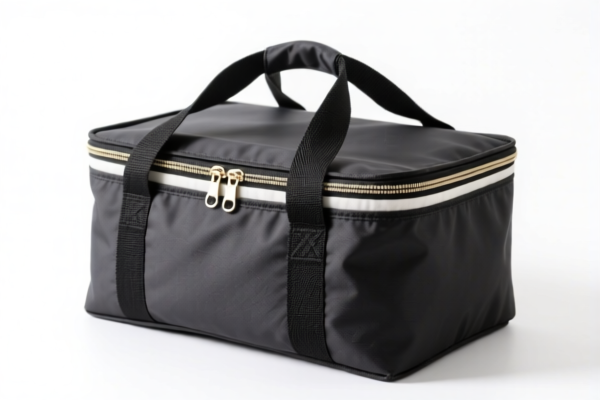
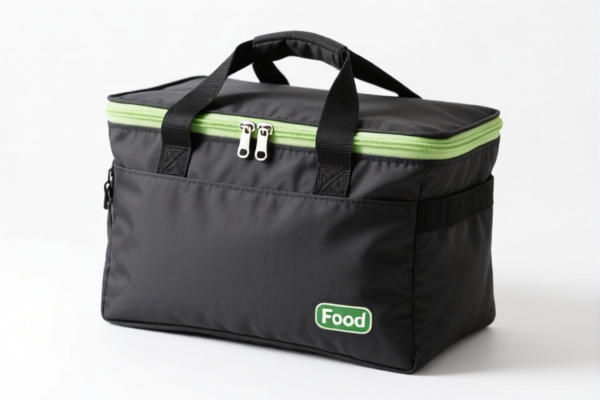
AI分析
🛍️ Zippered Insulated Food Bag (食品保温袋/保冷袋)
🌐 HS Code Reference & Customs Clearance Guide | 2026 Latest Tariff Analysis | Professional Clearance Strategy
📌 I. Product Definition & Classification: What Exactly Is an "Insulated Food Bag"?
An Insulated Food Bag is a portable container designed to maintain the temperature of food items (hot or cold) during transport. In international trade, these bags are classified based on their material composition (Textile vs. Plastic) and structure (Simple pouch vs. Structured insulated container).
Key Distinction Criteria: 1. Material Outer Surface: Is it made of fabric/textile (e.g., nylon, polyester, cotton) or plastic/synthetic fiber sheets? 2. Structure & Function: Is it a simple non-woven bag, or does it have a specific insulated lining (foil, foam, PEVA) making it a "specialized container"? 3. Form: Is it a flat pouch or a 3D structured bag with handles/straps?
⚠️ Critical Classification Points:
- If the outer surface is Textile/Fabric → Look at Chapter 63 or Chapter 42.
- If the outer surface is Plastic/Sheeting → Look at Chapter 39.
- Insulation Layer: The presence of insulation (foil/foam) often pushes the classification toward specific subheadings like4202(trunks, cases, bags) rather than general "made-up articles" in Chapter 63, especially if it resembles a lunch box or cooler bag structure.
📦 II. HS Code Classification Details (2026 Latest Tariff Authority Cross-Reference)
Based on the provided data, here are the five possible classifications for "Zippered Insulated Food Bags," ranked by material and structure.
| HS Code | Product Description | Applicable Scenario | Material Structure |
|---|---|---|---|
6307.90.89.95 |
Other made-up articles of textile or synthetic fiber materials (Food Bags) | Simple insulated pouches, non-woven bags, simple fabric bags with zippered closure | ✅ Outer: Textile/Fabric |
3926.90.10.00 |
Other plastic articles or articles of synthetic fibers (Food Bags) | Plastic-laminated bags, simple plastic food bags, non-structured insulated pouches | ✅ Outer: Plastic/Sheet |
3926.90.21.00 |
Plastic articles for specific uses such as ice packs (Insulated Food Bags) | Bags specifically designed with ice pack compartments, structured plastic coolers | ✅ Outer: Plastic, Specialized Use |
4202.92.08.07 |
Insulated Food Bags with Outer Surface of Textile Materials | Structured lunch bags, cooler bags with fabric exterior and insulated lining | ✅ Outer: Textile, Structured/Insulated |
4202.92.08.09 |
Insulated Food Bags with Outer Surface of Non-Cotton/Non-Synthetic Textile | Luxury or specific material bags (e.g., leather-trimmed textile, wool-blend) | ✅ Outer: Special Textile, Structured |
🔍 Key Reminder:
- Ch 42 vs. Ch 63/39: If the bag has a 3D structure, handles, straps, and specialized insulation (like a lunchbox shape), it is often better classified under Chapter 42 (4202.92.08.xx) as a "bag."
- If it is a simple flat pouch or non-woven bag, it may fall under Chapter 63 (6307) or Chapter 39 (3926).
- Misclassification Risk: Declaring a structured cooler bag as a simple "textile article" (6307) may result in lower duty, but customs may reclassify it to4202with higher duties (see Section III).
💰 III. 2026 Latest Tariff Rate Breakdown (Including Additional Duties & Policy Surcharges)
✅ Applicable Country: United States (US)
✅ Country of Origin: China (CN)
✅ Effective Date: From November 10, 2025 (Including subsequent imports)
🎯 1. 6307.90.89.95 – Textile/Synthetic Fiber Made-Up Articles (Simple Food Bags)
| Item | Content |
|---|---|
| Base Duty Rate | 7.0% |
| Additional Duty (Section 301) | 0.0% (No Section 301 surcharge for this specific subheading in the provided data) |
| Section 122 Tariff | 10.0% |
| Total Effective Rate | 17.0% |
| Tax Calculation | CIF Value × 17% |
| De Minimis Exemption | ❌ Not Applicable (Standard commercial import) |
| Legal Basis Path | HTSUS: 6307.90.89.95 → Section 122: 10% |
📌 Explanation:
- This is the lowest tariff option among the provided codes.
- It applies to simple textile or synthetic fiber bags that do not qualify as "trunks, cases, or boxes" under Chapter 42.
- Strategy: If your bag is a simple pouch without rigid structure or heavy insulation lining, consider this code for cost savings.
🎯 2. 3926.90.10.00 – Plastic/Synthetic Fiber Other Plastic Articles (Simple Plastic Food Bags)
| Item | Content |
|---|---|
| Base Duty Rate | 3.4% |
| Additional Duty (Section 301) | 7.5% |
| Section 122 Tariff | 10.0% |
| Total Effective Rate | 20.9% |
| Tax Calculation | CIF Value × 20.9% |
| De Minimis Exemption | ❌ Not Applicable |
| Legal Basis Path | HTSUS: 3926.90.10.00 → Section 301: 7.5% → Section 122: 10% |
📌 Note:
- The base rate is low (3.4%), but the Section 301 surcharge (7.5%) significantly increases the cost.
- Applies to plastic-laminated or simple plastic food bags.
- Higher than6307due to Section 301 tariffs.
🎯 3. 3926.90.21.00 – Plastic Ice Packs/Specific Use Insulated Bags
| Item | Content |
|---|---|
| Base Duty Rate | 4.2% |
| Additional Duty (Section 301) | 7.5% |
| Section 122 Tariff | 10.0% |
| Total Effective Rate | 21.7% |
| Tax Calculation | CIF Value × 21.7% |
| De Minimis Exemption | ❌ Not Applicable |
| Legal Basis Path | HTSUS: 3926.90.21.00 → Section 301: 7.5% → Section 122: 10% |
📌 Note:
- Specifically for bags designed for ice packs or specific cooling uses.
- Slightly higher than3926.90.10.00due to a higher base rate (4.2%).
- Use only if the product is explicitly marketed as an "ice pack bag" or has dedicated ice compartments.
🎯 4. 4202.92.08.07 – Insulated Food Bags with Textile Outer Surface (Structured)
| Item | Content |
|---|---|
| Base Duty Rate | 7.0% |
| Additional Duty (Section 301) | 25.0% |
| Section 122 Tariff | 10.0% |
| Total Effective Rate | 42.0% |
| Tax Calculation | CIF Value × 42.0% |
| De Minimis Exemption | ❌ Not Applicable |
| Legal Basis Path | HTSUS: 4202.92.08.07 → Section 301: 25% → Section 122: 10% |
📌 Explanation:
- Highest Cost Option.
- Applies to structured bags (like lunch boxes, coolers) with a textile exterior.
- The 25% Section 301 surcharge is applied to Chapter 42 articles from China.
- Warning: Do not misdeclare structured bags as simple textile articles (6307) to avoid 17%. Customs will likely reclassify them to4202if they have handles, zippers, and insulation lining resembling a container.
🎯 5. 4202.92.08.09 – Insulated Food Bags with Non-Cotton/Non-Synthetic Textile Outer Surface
| Item | Content |
|---|---|
| Base Duty Rate | 7.0% |
| Additional Duty (Section 301) | 25.0% |
| Section 122 Tariff | 10.0% |
| Total Effective Rate | 42.0% |
| Tax Calculation | CIF Value × 42.0% |
| De Minimis Exemption | ❌ Not Applicable |
| Legal Basis Path | HTSUS: 4202.92.08.09 → Section 301: 25% → Section 122: 10% |
📌 Note:
- Same tax rate as4202.92.08.07.
- Differentiates based on material type (e.g., leather, wool, or other non-standard textiles).
- Use only if the outer material is explicitly not standard synthetic or cotton textiles.
🛠️ IV. Customs Clearance Practical Advice (Battle-Proven Pitfall Avoidance Guide)
✅ 1. Preparation Checklist (Missing Items = Delays)
| Document | Required | Description |
|---|---|---|
| ✅ Product Photos | ✔️ | Clear images of the bag inside and out, showing insulation lining, zippers, and handles. |
| ✅ Material Composition | ✔️ | Detailed breakdown: Outer fabric (e.g., 100% Polyester), Lining (e.g., Aluminum Foil + PEVA), Insulation (e.g., Foam). |
| ✅ Function Description | ✔️ | Explicitly state: "Insulated for keeping food hot/cold." |
| ✅ Commercial Invoice | ✔️ | Accurate description matching the HS Code. Avoid vague terms like "Bag." Use "Insulated Food Carrier Bag." |
| ✅ Packing List | ✔️ | Weight and dimensions. |
| ✅ FCC/CE Certificates | ✔️ | If the bag contains electronic heating/cooling elements (unlikely for basic insulated bags, but if so, required). |
✅ 2. Classification Strategy (Key Mnemonic)
🔥 "Structure Dictates Chapter: Simple=63/39, Structured=42"
| Scenario | Correct HS Code | Incorrect Code | Risk |
|---|---|---|---|
| Simple non-woven tote bag with thin lining | 6307.90.89.95 |
4202.92.08.07 |
Overpaying 25% Section 301 |
| Plastic grocery bag with foil lining | 3926.90.10.00 |
4202.92.08.07 |
Misclassification risk |
| Structured lunch box-style bag with handles | 4202.92.08.07 |
6307.90.89.95 |
Under-declaration penalty |
| Bag with dedicated ice pack slots | 3926.90.21.00 |
3926.90.10.00 |
Minor rate difference (21.7% vs 20.9%) |
📌 Strategic Advice:
- If your bag is not a structured cooler/lunch box, strongly consider6307.90.89.95(17%). It is the most cost-effective.
- Only use4202codes if the bag is clearly a container (has handles, rigid structure, resembles a lunchbox). Misclassifying a structured bag as6307is a common audit trigger.
✅ 3. Special Situations Handling
| Situation | Handling Suggestion |
|---|---|
| OEM Custom Design | Provide design specs to prove it is not a standard "lunch box" if aiming for 6307. |
| Mixed Materials | Declare the outermost material as primary. If outer is textile, lean toward 6307 or 4202 depending on structure. |
| Small Quantity (Sample) | If under $800 (De Minimis), it may enter duty-free under Section 321. However, commercial imports do not qualify. |
| Gift Items | Still subject to full customs duties if declared as commercial. No "gift" exemption for HS Code purposes. |
🌍 V. Global Market Clearance Comparison (2026 Latest)
| Country/Region | Recommended HS Code | Tariff (China Origin) | Certification | Note |
|---|---|---|---|---|
| 🇺🇸 USA | 6307.90.89.95 |
17.0% | No specific | Best rate for simple bags. |
| 🇺🇸 USA | 4202.92.08.07 |
42.0% | No specific | High duty due to Section 301. |
| 🇨🇳 China | 6307.90.90.00 |
~5-7% | CCC (if electronic) | Lower entry barrier. |
| 🇪🇺 EU | 6307.90.98.00 |
4.0% | No specific | No Section 301/122 equivalents. |
| 🇬🇧 UK | 6307.90.98.00 |
4.0% | No specific | Post-Brexit rules apply. |
📌 Conclusion:
- USA has the highest barriers for these products due to Section 301 and Section 122 tariffs.
- Chapter 42 (Structured Bags) incurs the highest cost (42%).
- Chapter 63 (Simple Textile Bags) is the sweet spot (17%).
- Strategy: Design the bag to resemble a simple textile pouch rather than a structured cooler if possible, to qualify for6307.90.89.95.
📌 VI. Common Mistakes & Pitfall Guide (Lessons Learned)
❌ Mistake 1: Declaring a structured cooler bag as 6307 (17%) to save money.
👉 Consequence: Customs audit → Reclassified to 4202 (42%) → Back taxes + Penalties!
❌ Mistake 2: Confusing "Plastic Bags" (3926) with "Insulated Bags" (6307/4202).
👉 Consequence: If the outer layer is plastic, you must use 3926. Misclassification leads to delays.
❌ Mistake 3: Ignoring the Section 122 Tariff (10%).
👉 Consequence: All codes above include this 10% surcharge. Failing to calculate it leads to budget shortfalls.
❌ Mistake 4: Using vague descriptions like "Food Bag" on the invoice.
👉 Consequence: Customs request for additional information → Delays in release.
✅ Correct Description:
"Insulated Food Carrier Bag, Outer: 600D Polyester, Lining: Aluminum Foil/PEVA, Zippered Closure, for Keeping Food Hot/Cold, No Electronic Components"
🎯 VII. Conclusion: Precise Classification Saves Money!
🎯 Remember the Mnemonic:
🔹 "Simple Textile: 6307 (17%) – Best Value!"
🔹 "Plastic: 3926 (20-21%) – Moderate Cost"
🔹 "Structured Cooler: 4202 (42%) – High Cost, Avoid if Possible"
🔹 "Structure Determines Chapter: Pouch vs. Box"
📌 Pro Tip:
If your design allows, minimize the structural rigidity and avoid handles/straps to qualify as a "made-up article" (6307) rather than a "bag" (4202). This can save you 25% in Section 301 tariffs.
Consider Advance Ruling from US Customs if you are unsure about the classification of a unique design.
📣 Immediate Action:
📞 Consult a Customs Broker + Provide Product Photos + Confirm Material Composition
🚀 Optimize Your HS Code, Maximize Your Profit Margin!
✨ Professional Clearance Starts with Accurate Classification!
💼 Every Percent of Duty Counts – Know Your Code!
用户评价
关于 HS 编码归类
协调制度(HS)是由世界海关组织(WCO)制定的国际贸易商品分类标准。全球 200 多个国家采用 HS 系统作为海关关税、贸易统计和进出口监管的基础。
每个 HS 编码遵循以下层级结构:
- 章(2 位)——商品大类(例如:第 84 章:机器和机械设备)
- 品目(4 位)——章内的更具体分类
- 子目(6 位)——国际通用细分,所有 WCO 成员国统一使用
- 本国细分(8-10 位)——各国自行扩展的细分编码,如美国 HTSUS 10 位编码
正确的 HS 编码归类对于顺利通关、准确缴纳关税和遵守贸易法规至关重要。错误归类可能导致海关延误、多缴关税或罚款。
从CN进口到US时,适用的关税税率可能包括:
- 最惠国(MFN)税率——适用于 WTO 成员国的标准关税税率
- 普通税率——适用于无贸易协定国家
- 贸易救济关税——附加关税,如 301 条款(反倾销)、232 条款(国家安全)或反补贴税
本页内容仅供参考。如需正式归类,请咨询当地海关或持牌报关代理。