acrylic woven plain fabric
CN → US| HS编码 | 关税税率 | 原产国 | 目的国 | 文档 |
|---|---|---|---|---|
| 5512210010 | 47.0% | CN | US | 官方文档 |
| 5512290090 | 47.0% | CN | US | 官方文档 |
商品图片
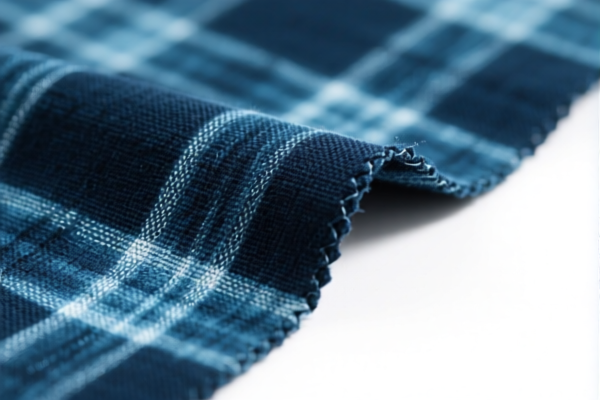
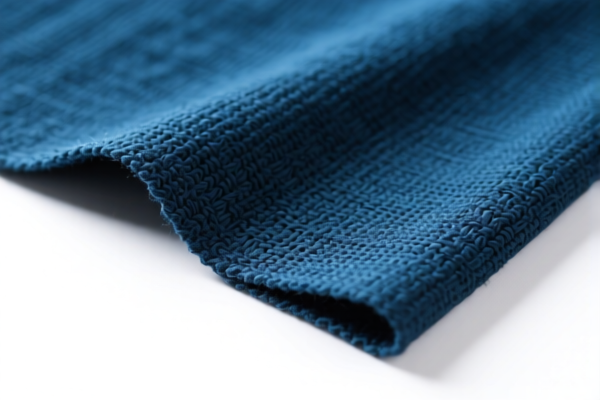
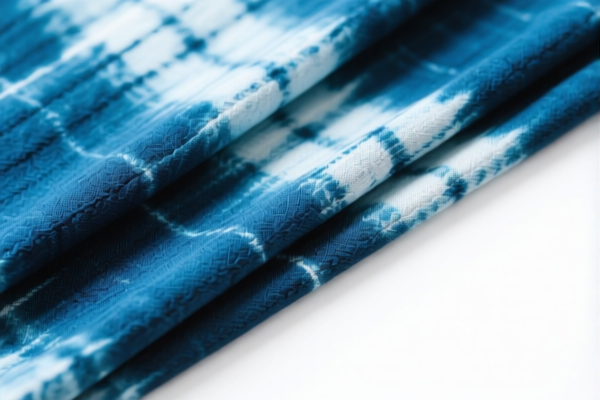
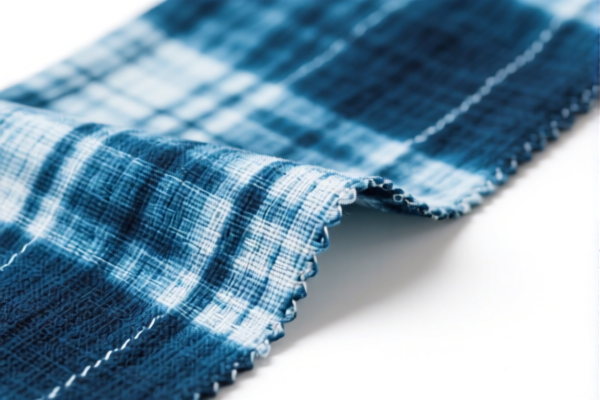
AI分析
🧶 Acrylic Woven Plain Fabric (Synthetic Staple Fibers)
🌐 HS Code Reference & Customs Clearance Guide | 2026 Latest Tariff Analysis | Professional-Level Clearance Strategy
📌 I. Product Definition & Classification: What Exactly is "Acrylic Woven Plain Fabric"?
Acrylic Woven Plain Fabric refers to textiles made from synthetic staple fibers, where the weight of acrylic or modacrylic fibers constitutes 85% or more of the total fabric weight. The term "Plain" (or "Poplin/Broadcloth") indicates a simple plain weave structure, the most common and basic weaving pattern where warp and weft threads alternate in a 1/1 pattern.
In international trade, these fabrics are strictly categorized under Chapter 55 (Man-made Staple Fibres) because they are made from staple fibers (short fibers spun into yarn), not filaments (continuous long fibers like polyester filament).
⚠️ Key Distinction Point:
- Material Composition: Must contain ≥85% acrylic or modacrylic staple fibers by weight. If it contains other synthetic fibers (like polyester) but acrylic is <85%, it falls under different subheadings (e.g., 5512.19).
- Weave Type: "Plain" corresponds to specific trade names like Poplin or Broadcloth. Other weaves (like Twill or Satin) fall under "Other."
- Processing State: Unbleached, Bleached, Dyed, or Printed fabrics have different classifications. The provided data specifically covers Unbleached/Bleached.
📦 II. HS Code Classification Details (2026 Latest Tariff Authority对照)
Based on the provided data, two primary HS Codes apply depending on the specific finish/type within the "Acrylic ≥85%" category.
| HS Code | Product Description | Specific Characteristics | Tax Rate (Total) |
|---|---|---|---|
| 5512.21.00.10 | Woven fabrics of synthetic staple fibers, containing ≥85% synthetic staple fibers: Containing ≥85% acrylic or modacrylic staple fibers: Unbleached or bleached Poplin or broadcloth | - Weave: Poplin or Broadcloth (Plain weave) - Treatment: Unbleached or Bleached - Fiber: ≥85% Acrylic/Modacrylic |
0.0% |
| 5512.29.00.90 | Woven fabrics of synthetic staple fibers, containing ≥85% synthetic staple fibers: Containing ≥85% acrylic or modacrylic staple fibers: Other: Other | - Weave: NOT Poplin/Broadcloth (e.g., Twill, Satin, Leno, etc.) - OR Treatment: Dyed, Printed, etc. (if not explicitly unbleached/bleached plain) - Fiber: ≥85% Acrylic/Modacrylic |
0.0% |
🔍 Critical Analysis:
- Why 5512.21.00.10? If your fabric is a standard plain weave (often called Poplin or Broadcloth in trade terms) and is either unbleached or bleached, it gets this specific code.
- Why 5512.29.00.90? If the fabric is dyed, printed, or has a different weave structure (not plain/poplin/broadcloth), it falls into the "Other" category.
- Zero Tariff Benefit: Both codes listed have a 0.0% total tax rate (Base + Additional). This is highly advantageous for importers.
💰 III. 2026 Latest Tariff Rate Details (Detailed Breakdown)
✅ Applicable Country: United States (US)
✅ Origin: China (CN)
✅ Effective Time: Current Tariff Schedule
🎯 1. 5512.21.00.10 —— Unbleached/Bleached Poplin/Broadcloth (Acrylic ≥85%)
| Item | Content |
|---|---|
| Base Tariff Rate | 0.0% |
| Section 301 / USITC Additional Tariff | 0.0% |
| IEEPA Additional Tariff | 0.0% |
| Total Tax Rate | 0.0% |
| Tax Calculation | CIF Value × 0.0% = $0 |
| De Minimis Eligibility | ✅ Yes (If value < $800, generally eligible, but subject to CBP discretion on textile rules) |
| Legal Authority | HTSUS:5512.21.00.10 |
📌 Explanation:
- Acrylic fabrics often have favorable treatment compared to high-tech synthetics or cottons subject to higher duties.
- No Section 301 or IEEPA tariffs apply to this specific subheading in the provided data. This is a low-risk, low-cost import category.
🎯 2. 5512.29.00.90 —— Other Acrylic Woven Fabrics (Acrylic ≥85%)
| Item | Content |
|---|---|
| Base Tariff Rate | 0.0% |
| Section 301 / USITC Additional Tariff | 0.0% |
| IEEPA Additional Tariff | 0.0% |
| Total Tax Rate | 0.0% |
| Tax Calculation | CIF Value × 0.0% = $0 |
| De Minimis Eligibility | ✅ Yes (Subject to CBP discretion) |
| Legal Authority | HTSUS:5512.29.00.90 |
📌 Explanation:
- Even if the fabric is dyed, printed, or has a non-plain weave, it still enjoys 0% duty under the current data.
- Caution: While the tax is 0%, non-tariff barriers (like FDA regulations for dye safety, or specific textile marking laws) still apply.
🛠️ IV. Customs Clearance Practical Advice (Combat-Ready Pitfall Guide)
✅ 1. Required Documentation Checklist (Non-negotiable)
| Document | Must Provide | Explanation |
|---|---|---|
| ✅ Fabric Swatch / Sample | ✔️ | CBP may request a physical sample to verify fiber content (acrylic %) and weave type (plain vs. twill). |
| ✅ Fiber Content Statement | ✔️ | Must explicitly state: "100% Acrylic" or "≥85% Acrylic." Misdeclaration can lead to severe penalties. |
| ✅ Weave Structure Description | ✔️ | Specify "Plain Weave," "Poplin," or "Broadcloth" if claiming 5512.21.00.10. |
| ✅ Processing Description | ✔️ | Clearly state: "Unbleached," "Bleached," "Dyed," or "Printed." This determines the subheading. |
| ✅ Commercial Invoice | ✔️ | Must include: "Woven Fabric of Synthetic Staple Fibers, Acrylic ≥85%." |
| ✅ Packing List | ✔️ | Detail weight (kg/lbs) and volume (cbm) for accurate duty calculation (even if 0%). |
| ✅ Country of Origin Certificate | ✔️ | Crucial for proving origin, especially if claiming de minimis or preferential treatment elsewhere. |
✅ 2. Declaration Tips (Key Mantra)
🔥 "Fiber % First, Weave Second, Treatment Third!"
| Scenario | Correct Declaration | Wrong Practice |
|---|---|---|
| Plain Weave, Bleached | "Bleached Poplin, Acrylic 100%" → 5512.21.00.10 |
Calling it "General Fabric" → Risk of misclassification |
| Dyed, Plain Weave | "Dyed Plain Weave, Acrylic 95%" → 5512.29.00.90 (as 'Other') |
Claiming 5512.21.00.10 (only for unbleached/bleached) |
| Twill Weave | "Twill, Acrylic 100%" → 5512.29.00.90 |
Claiming 5512.21.00.10 (only for Poplin/Broadcloth) |
| Fiber <85% Acrylic | Check other subheadings (e.g., 5512.19) | Assuming it falls under 5512.2x |
✅ 3. Special Case Handling
| Scenario | Handling Advice |
|---|---|
| Mixed Fibers (e.g., 80% Acrylic, 20% Polyester) | Does NOT qualify for 5512.2x. Must be classified under 5512.19 (Other synthetic staple fibers). Check tax rates for that code. |
| Filament vs. Staple | If the acrylic is filament (continuous), it falls under Chapter 54, not 55. Verify if it's spun yarn (staple) or filament yarn. |
| Sample vs. Bulk | For samples < $800, de minimis (Section 321) may apply, but ensure accurate HS code to avoid future audits on bulk shipments. |
| Dye Safety | Acrylic dyes may contain harmful substances. Ensure compliance with CPSIA (if for children) or general chemical safety standards. |
🌍 V. Global Market Clearance Comparison (2026 Latest)
| Country/Region | Recommended HS Code | Tariff | Certification Requirements | Notes |
|---|---|---|---|---|
| 🇺🇸 USA | 5512.21.00.10 / 5512.29.00.90 |
0.0% | CPSIA (if applicable), General Compliance | No additional tariffs. High compliance on fiber accuracy. |
| 🇨🇳 China | 5512.21.00.10 / 5512.29.00.90 |
Varies | CCC (if for specific uses) | Import duties may apply based on trade agreements. |
| 🇪🇺 EU | 5512.21.00 / 5512.29.00 |
0% - 6% | REACH (Chemical Safety) | ACrylic is subject to REACH restrictions. Must provide SVHC declaration. |
| 🇬🇧 UK | 5512.21.00 / 5512.29.00 |
0% - 6% | UKCA / Post-Brexit Rules | Similar to EU. Check post-Brexit tariff schedules. |
| 🇦🇺 Australia | 5512.21.00 / 5512.29.00 |
5% | Ozone Protection & Chemical Safety | Standard 5% duty unless FTA applies. |
📌 Conclusion:
- USA offers 0% duty, making it the most cost-effective destination for these goods.
- EU/UK require REACH/UKCA compliance for acrylic dyes and fibers. Ensure suppliers provide REACH SVHC declarations.
- China may have different import duties depending on the trade agreement (e.g., RCEP if applicable, but acrylic is often sensitive).
📌 VI. Common Mistakes & Pitfall Guide (Blood & Tears Lessons)
❌ Mistake 1: Declaring "Polyester Acrylic Blend" as 100% Acrylic
👉 Consequence: CBP reclassifies to a higher-duty code (e.g., 5512.19) + penalties.
Fix: Provide lab test reports confirming ≥85% Acrylic.
❌ Mistake 2: Calling "Dyed Fabric" "Unbleached" to get 5512.21.00.10
👉 Consequence: Misclassification. While tax is 0% in both, it sets a bad precedent for future audits.
Fix: Accurately describe treatment. If dyed, use 5512.29.00.90.
❌ Mistake 3: Confusing Staple vs. Filament
👉 Consequence: Wrong Chapter (54 vs. 55). Chapter 54 often has different duty rates.
Fix: Confirm yarn type. Staple = spun yarn (like wool). Filament = continuous (like nylon filament).
❌ Mistake 4: Ignoring Chemical Compliance (REACH/CPSIA)
👉 Consequence: Shipment detained for chemical safety violations, even if duty is 0%.
Fix: Ensure supplier provides safety data sheets (SDS) and compliance certificates.
✅ Correct Practice:
"Woven Fabric, Plain Weave (Poplin), Unbleached, 100% Acrylic Staple Fiber, Grade A, Roll #1234, Weight 500kg"
🎯 VII. Conclusion: Precision in Classification, Zero Cost Advantage!
🎯 Remember the Mantra:
🔹 "Acrylic ≥85% is Key, Plain Weave = Poplin/Broadcloth, Unbleached/Bleached = 5512.21, Otherwise = 5512.29, Tax = 0%!"
🔹 "Fiber content dictates the chapter, weave dictates the subheading, treatment refines the code!"
📌 Pro Tip:
- For acrylic fabrics, ensure your supplier provides a fiber composition test report from an accredited lab (e.g., Intertek, SGS) to prove ≥85% acrylic.
- If you are shipping to the EU, ensure your supplier is REACH compliant for all dyes and auxiliaries used.
- USA: Leverage the 0% tariff to maximize margins, but maintain strict documentation to avoid random CBP audits.
📣 Immediate Action:
📞 Contact your freight forwarder with the exact HS Code (5512.21.00.10 or 5512.29.00.90) and fiber composition report.
🚀 Clear customs smoothly, pay $0 duty, and boost your profit margin!
✨ Professional Clearance Starts with Accurate Classification!
💼 Every percentage point of fiber content counts!
用户评价
关于 HS 编码归类
协调制度(HS)是由世界海关组织(WCO)制定的国际贸易商品分类标准。全球 200 多个国家采用 HS 系统作为海关关税、贸易统计和进出口监管的基础。
每个 HS 编码遵循以下层级结构:
- 章(2 位)——商品大类(例如:第 84 章:机器和机械设备)
- 品目(4 位)——章内的更具体分类
- 子目(6 位)——国际通用细分,所有 WCO 成员国统一使用
- 本国细分(8-10 位)——各国自行扩展的细分编码,如美国 HTSUS 10 位编码
正确的 HS 编码归类对于顺利通关、准确缴纳关税和遵守贸易法规至关重要。错误归类可能导致海关延误、多缴关税或罚款。
从CN进口到US时,适用的关税税率可能包括:
- 最惠国(MFN)税率——适用于 WTO 成员国的标准关税税率
- 普通税率——适用于无贸易协定国家
- 贸易救济关税——附加关税,如 301 条款(反倾销)、232 条款(国家安全)或反补贴税
本页内容仅供参考。如需正式归类,请咨询当地海关或持牌报关代理。