adjustable table legs
CN → US| HS编码 | 关税税率 | 原产国 | 目的国 | 文档 |
|---|---|---|---|---|
| 9403100040 | 85.0% | CN | US | 官方文档 |
| 9403704020 | 35.0% | CN | US | 官方文档 |
| 9403308090 | 35.0% | CN | US | 官方文档 |
| 9403999045 | 85.0% | CN | US | 官方文档 |
| 9403100040 | 85.0% | CN | US | 官方文档 |
商品图片
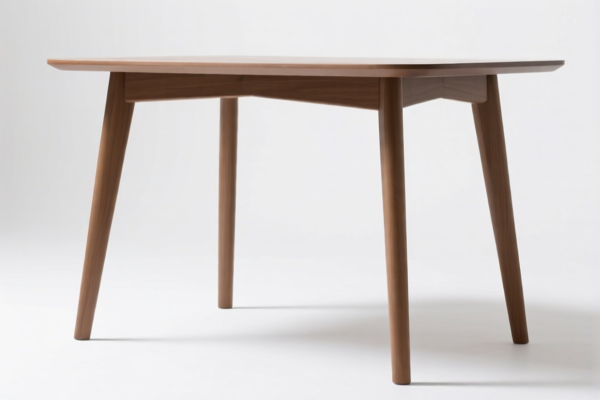
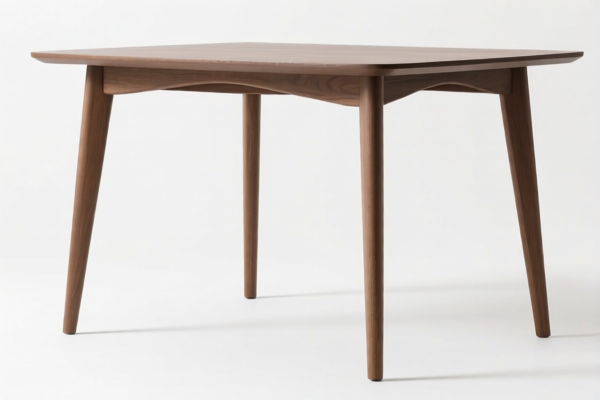
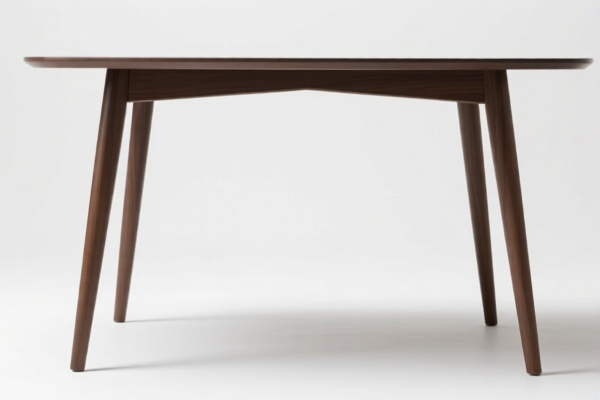
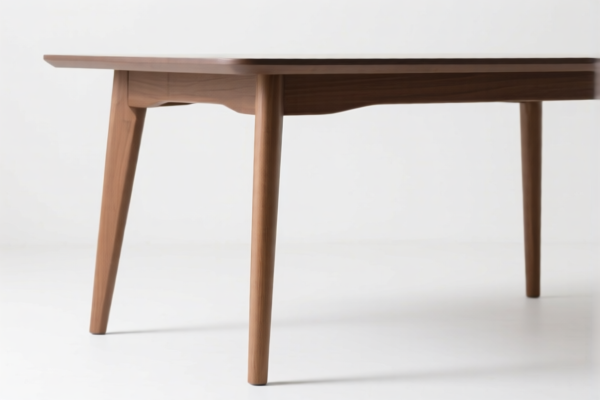
AI分析
🪑 Adjustable Table Legs (Office Furniture Components)
🌐 HS Code Reference & Customs Clearance Guide | 2026 Latest Tariff Analysis | Professional Clearance Strategy
📌 I. Product Definition & Classification: Do You Really Understand "Adjustable Table Legs"?
Adjustable table legs are critical structural components for office furniture, specifically designed for height-adjustable desks (standing desks) or standard office tables. In international trade, their classification depends heavily on two key factors: 1. Intended Use: Are they sold as standalone parts, or as part of a complete desk? 2. Material Composition: Are they made of metal (steel, aluminum, copper) or wood/composite?
⚠️ Critical Distinction:
- If the legs are metal (steel/aluminum/copper) and declared as furniture parts → They fall under "Other metal furniture parts", triggering high "Section 232" tariffs. - If the legs are wood/composite or match the main desk body material → They may fall under "Office Furniture Parts" with lower tax rates. - Whole Desk vs. Parts: If imported as a complete adjustable desk, they are classified as Whole Office Furniture, not parts.
📦 II. HS Code Classification Details (2026 Latest Tariff Authority Comparison)
| HS Code | Product Description | Application Scenario | Material Inference | Tax Category |
|---|---|---|---|---|
9403.10.00.40 |
Metal Office Furniture (e.g., Whole Adjustable Desk) | Entire height-adjustable office desk | Metal (Steel/Aluminum) | 85.0% (High) |
9403.70.40.20 |
Parts of Office Furniture | Legs/spares for office desks | Wood/Composite/General | 35.0% (Lower) |
9403.30.80.90 |
Office Furniture (Wood/Composite) | Height-adjustable desk (non-metal) | Wood/Composite | 35.0% (Lower) |
9403.99.90.45 |
Other Furniture Parts (Metal) | Metal table legs (spare parts) | Metal (Steel/Aluminum) | 85.0% (High) |
🔍 Key Insight:
- Metal vs. Wood is the Tax Divider: Metal legs/parts incur an additional 50% tariff under "Section 232" (Steel/Aluminum), pushing the total rate to 85%.
- Wood/Composite Avoids Section 232: Legs made of wood or non-steel/aluminum materials only face the 25% Section 301 tariff, totaling 35%.
- Complete Desk vs. Parts: If you import a full adjustable desk, it’s often classified as9403.10.00.40(Metal) or9403.30.80.90(Wood), but parts like legs specifically trigger9403.99.90.45(Metal) or9403.70.40.20(Parts).
💰 III. 2026 Latest Tariff Rate Breakdown (Including Surcharges & Policy Add-ons)
✅ Applicable Country: United States (US)
✅ Origin: China (CN)
✅ Effective Date: From November 10, 2025 onwards
🎯 1. 9403.10.00.40 – Metal Office Furniture (Whole Desk)
| Item | Content |
|---|---|
| Base Duty | 0% (ad valorem) |
| Section 301 Additional Tariff | +25% |
| Section 122 Additional Tariff | +10% |
| Section 232 (Steel/Aluminum) | +50% |
| Total Effective Rate | 85.0% |
| Tax Calculation | CIF Value × 85% |
| De Minimis Exemption? | ❌ NO (High-risk classification) |
| Legal Basis Path | IEEPA:9903.01.25 → Section 301: 25% → Section 122: 10% → Section 232: 50% → USITC:9403.10.00.40 |
📌 Explanation:
- This code applies if the item is considered metal office furniture (e.g., a whole metal desk or metal legs classified under furniture).
- The 50% Section 232 tariff on steel/aluminum is the killer here. It applies regardless of whether it’s a whole desk or parts, if the material is metal.
- Total 85% is among the highest possible tariffs for furniture.
🎯 2. 9403.70.40.20 – Parts of Office Furniture (Non-Metal/General)
| Item | Content |
|---|---|
| Base Duty | 0% |
| Section 301 Additional Tariff | +25% |
| Section 122 Additional Tariff | +10% |
| Section 232 | 0% (Not steel/aluminum) |
| Total Effective Rate | 35.0% |
| Tax Calculation | CIF Value × 35% |
| De Minimis Exemption? | ❌ NO |
| Legal Basis Path | Section 301: 25% → Section 122: 10% → USITC:9403.70.40.20 |
📌 Explanation:
- This code is for parts (like table legs) that are not primarily steel/aluminum, or if classified under a broader "office furniture parts" category that avoids Section 232.
- Significant Savings: 35% vs. 85%. Material declaration is critical.
🎯 3. 94003.30.80.90 – Office Furniture (Wood/Composite)
| Item | Content |
|---|---|
| Base Duty | 0% |
| Section 301 Additional Tariff | +25% |
| Section 122 Additional Tariff | +10% |
| Section 232 | 0% |
| Total Effective Rate | 35.0% |
| Tax Calculation | CIF Value × 35% |
| De Minimis Exemption? | ❌ NO |
| Legal Basis Path | Section 301: 25% → Section 122: 10% → USITC:9403.30.80.90 |
📌 Explanation:
- If the adjustable legs are made of wood or composite materials and intended for an office desk, they may be classified under general office furniture.
- Same 35% rate as9403.70.40.20, but applies to the whole item if it’s a wooden desk unit.
🎯 4. 9403.99.90.45 – Other Furniture Parts (Metal)
| Item | Content |
|---|---|
| Base Duty | 0% |
| Section 301 Additional Tariff | +25% |
| Section 122 Additional Tariff | +10% |
| Section 232 (Steel/Aluminum) | +50% |
| Total Effective Rate | 85.0% |
| Tax Calculation | CIF Value × 85% |
| De Minimis Exemption? | ❌ NO |
| Legal Basis Path | IEEPA:9903.01.25 → Section 301: 25% → Section 122: 10% → Section 232: 50% → USITC:9403.99.90.45 |
📌 Explanation:
- This code explicitly covers metal furniture parts (like metal table legs).
- Same as Whole Desk: Because the material is metal, the 50% Section 232 tariff applies.
- Biggest Risk: Importing metal legs as "parts" still incurs the same 85% tariff as importing a whole metal desk.
🛠️ IV. Customs Clearance Practical Advice (Battle-Proven Pitfall Guide)
✅ 1. Required Documentation Checklist (Non-negotiable)
| Document | Required | Explanation |
|---|---|---|
| ✅ Product Specification Sheet | ✔️ | Must clearly state material composition (e.g., "Steel Alloy," "Wood Composite," "Aluminum"). |
| ✅ Material Test Report | ✔️ | Third-party lab report confirming alloy composition (especially for Section 232 avoidance). |
| ✅ Product Photos (with Labels) | ✔️ | Show entire leg, joints, and any markings. |
| ✅ Commercial Invoice | ✔️ | Description must be precise: e.g., "Adjustable Table Legs, Wood-Composite, for Office Desk" vs. "Steel Table Legs." |
| ✅ Packing List | ✔️ | List only the legs if imported as parts. |
✅ 2. Classification Strategy (Key Mantras)
🔥 "Material is King, Parts vs. Whole, Section 232 is the Enemy!"
| Scenario | Correct HS Code | Tax Rate | Wrong Approach |
|---|---|---|---|
| Metal Legs (Steel/Aluminum) | 9403.99.90.45 or 9403.10.00.40 |
85% | Misdeclaring as wood → Audit & Penalties |
| Wood/Composite Legs | 9403.70.40.20 |
35% | Misdeclaring as metal → Pay 50% extra |
| Whole Metal Desk | 9403.10.00.40 |
85% | Splitting into parts → Still 85% |
| Whole Wooden Desk | 9403.30.80.90 |
35% | Splitting into parts → Still 35% |
📌 Strategic Tip:
If you have control over material sourcing, consider switching to aluminum alloys with non-steel components or wood-composite to avoid the 50% Section 232 tariff. 35% is vastly superior to 85%.
✅ 3. Special Case Handling
| Situation | Handling Advice |
|---|---|
| Aluminum Legs | Verify if aluminum is excluded from Section 232. Some aluminum alloys may qualify for lower rates, but check current USITC rulings. |
| Mixed Materials | If legs have metal frames with wood inserts, the principal material dictates classification. Metal usually wins → 85%. |
| OEM Custom Legs | Provide design drawings to prove they are "parts" and not "whole furniture." However, material still determines tax. |
| Pre-Assembled Units | If legs are pre-attached to a tabletop, declare as Whole Desk (9403.10.00.40 or 9403.30.80.90). Do not attempt to split. |
🌍 V. Global Market Clearance Comparison (2026 Latest)
| Country/Region | Recommended HS Code | Total Tariff (China Origin) | Certification Required | Notes |
|---|---|---|---|---|
| 🇺🇸 USA | 9403.99.90.45 (Metal) |
85% | None specific | High risk due to Section 232/301/122 |
| 🇺🇸 USA | 9403.70.40.20 (Non-Metal) |
35% | None specific | Best case for legs |
| 🇨🇳 China | 9403.99.90.45 |
10-15% | CCC (if applicable) | No Section 301/232 |
| 🇪🇺 EU | 9403.99.90 |
0-4% | CE/RoHS | No major retaliatory tariffs |
| 🇦🇺 Australia | 9403.99.90 |
5% | RCM | Moderate rates |
📌 Conclusion:
- USA is the Hardest Market: The combination of Section 301 (25%), Section 122 (10%), and Section 232 (50%) makes metal furniture components extremely expensive.
- Non-Material is Key: Shifting to wood or non-steel/aluminum materials can cut tariffs by 50 percentage points.
- Other Markets: EU and Australia have significantly lower barriers. Consider diversifying supply chains.
📌 VI. Common Errors & Pitfall Guide (Blood Lessons)
❌ Error 1: Declaring Steel Legs as "Furniture Parts" without specifying material
👉 Consequence: Customs may classify under general furniture, but if they detect steel, they will apply Section 232 +50%, leading to back taxes + penalties.
❌ Error 2: Splitting a Whole Adjustable Desk into "Tabletop" + "Legs" to claim lower rates
👉 Consequence: Customs views pre-assembled or closely related items as a single product. If the whole desk is metal, both parts are taxed at 85%. No savings.
❌ Error 3: Ignoring Section 122 Tariffs (10%)
👉 Consequence: Many traders focus on Section 301 (25%) but forget the additional 10% on steel/aluminum products under Section 122. This is part of the 85% total.
❌ Error 4: Using vague descriptions like "Desk Parts"
👉 Consequence: Increases customs scrutiny. Must specify "Adjustable Table Legs, [Material]" to ensure accurate classification and avoid delays.
✅ Correct Declaration Example:
"Adjustable Table Legs, Aluminum Alloy, for Office Standing Desk, Model XYZ, Unassembled"
🎯 VII. Conclusion: Professional Declaration, Save Costs!
🎯 Remember Mantras:
🔹 "Metal = 85%, Non-Metal = 35%. Material Choice is Cost Choice."
🔹 "Section 232 is the Tax Trap. Avoid Steel/Aluminum if Possible."
🔹 "Whole Desk or Parts, Tax Rate Follows Material, Not Just Form."
📌 Pro Tip:
If you cannot switch materials, consider pre-arranging tariff engineering (e.g., using non-steel components) or applying for exclusions if available. For high-volume imports, Advance Rulings from U.S. Customs are highly recommended to confirm HS Code and tax liability before shipment.
📣 Immediate Action:
📞 Consult a Licensed Customs Broker
📄 Provide Material Test Reports
🚀 Optimize Supply Chain for Non-Metal Materials to Save Up to 50% in Taxes!
✨ Precise Classification Starts Here!
💼 Every Percentage Point Saved is Pure Profit!
用户评价
关于 HS 编码归类
协调制度(HS)是由世界海关组织(WCO)制定的国际贸易商品分类标准。全球 200 多个国家采用 HS 系统作为海关关税、贸易统计和进出口监管的基础。
每个 HS 编码遵循以下层级结构:
- 章(2 位)——商品大类(例如:第 84 章:机器和机械设备)
- 品目(4 位)——章内的更具体分类
- 子目(6 位)——国际通用细分,所有 WCO 成员国统一使用
- 本国细分(8-10 位)——各国自行扩展的细分编码,如美国 HTSUS 10 位编码
正确的 HS 编码归类对于顺利通关、准确缴纳关税和遵守贸易法规至关重要。错误归类可能导致海关延误、多缴关税或罚款。
从CN进口到US时,适用的关税税率可能包括:
- 最惠国(MFN)税率——适用于 WTO 成员国的标准关税税率
- 普通税率——适用于无贸易协定国家
- 贸易救济关税——附加关税,如 301 条款(反倾销)、232 条款(国家安全)或反补贴税
本页内容仅供参考。如需正式归类,请咨询当地海关或持牌报关代理。