agricultural wood pellets
CN → US| HS编码 | 关税税率 | 原产国 | 目的国 | 文档 |
|---|---|---|---|---|
| 4401210000 | 35.0% | CN | US | 官方文档 |
| 4401220000 | 35.0% | CN | US | 官方文档 |
| 4403220108 | 35.0% | CN | US | 官方文档 |
| 4403240104 | 35.0% | CN | US | 官方文档 |
商品图片
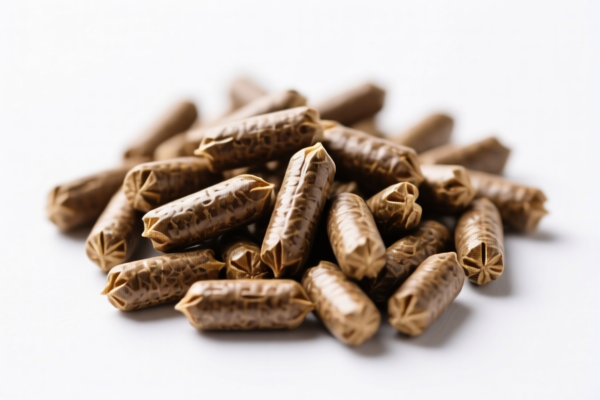
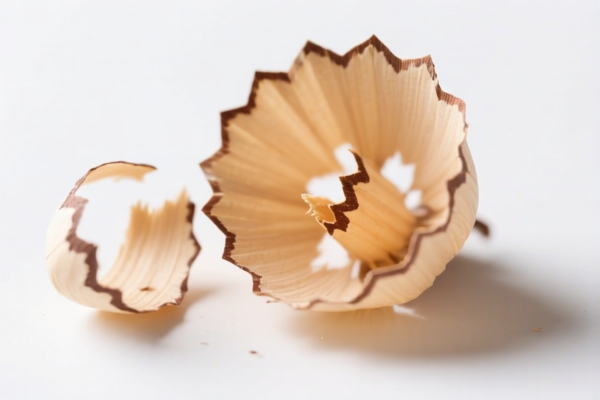
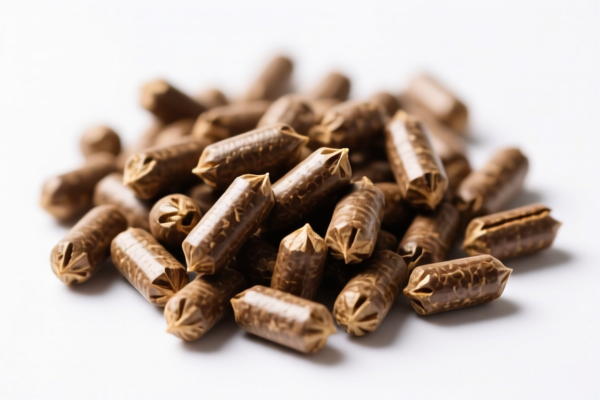

AI分析
🌲 Agricultural Wood Pellets (Biomass Fuel)
🌐 HS Code Reference & Customs Clearance Guide | 2024/2026 Latest Tariff Analysis | Professional Clearance Strategy
📌 I. Product Definition & Classification: Do You Really Know "Wood Pellets"?
Agricultural Wood Pellets, often referred to in trade as Biomass Fuel or Wood Chips/Grains, are a processed form of lignocellulosic material. In international trade, their classification hinges strictly on two factors: Physical Form (Chips, Particles, Pellets) and Purpose (Fuel).
Unlike "Wood for Furniture" or "Pulp Wood," these are explicitly categorized as Fuel Wood under Chapter 44 of the HS Code system.
⚠️ Key Distinction Points:
- If the material is unprocessed logs or stripped bark logs → It may fall under 4403 (Wood in the Rough).
- If the material is chipped, ground, or pelleted for combustion → It falls under 4401 (Fuel Wood in Chips, Particles or Pellets).
- Crucial Note: Even if the raw material is "Agricultural Wood Waste" or "Residue," once processed into pellets/chips for fuel, it is not classified under Chapter 4403 (Primary Wood Products) but under Chapter 4401.
📦 II. HS Code Classification Details (Based on Provided Data)
Based on the specific characteristics of "Agricultural Wood Pellets" matching the provided data, the following HS Codes are the most likely candidates. All listed codes carry a Total Tax Rate of 35.0% due to current trade policies.
| HS Code | Product Description & Logic | Applicable Scenario |
|---|---|---|
4401.21.00.00 |
Fuel Wood in Chips, Particles or Pellets 🔹 Logic: Matches Material (Wood) + Purpose (Fuel). Specifically targets Coniferous (Softwood) chips/pellets. 🔹 Key Feature: Primary inference based on "Coniferous Wood" characteristics. |
Standard softwood pellets (Pine, Spruce, Fir) used for heating/power generation. |
4401.22.00.00 |
Fuel Wood in Chips, Particles or Pellets 🔹 Logic: "Wood Chips" (Physical Form) + "Biomass Power Generation Fuel" (Purpose). 🔹 Key Feature: Covers non-coniferous or mixed wood chips/pellets if not specifically coniferous. |
Hardwood pellets, mixed biomass fuel, or industrial wood chips. |
4403.22.01.08 |
Wood Prepared for Use as Fuel / Pulp Wood 🔹 Logic: "Wood Chips" as a primary form; "Biomass Power" implies raw/semi-raw material status. 🔹 Key Feature: Interpreted as "Softwood Pulp Wood" representation in fuel context. |
Less Common for standard pellets. Usually for larger chips or specific pulp-grade wood repurposed as fuel. |
4403.24.01.04 |
Papermaking Wood (Pulp Wood) 🔹 Logic: "Wood Chips" match "Papermaking Wood" material features; "Biomass Fuel" matches primary raw material use. 🔹 Key Feature: Used when the wood is specifically graded for pulp but utilized as fuel. |
High-quality wood chips intended for paper production but used for energy. |
🔍 Important Reminder:
- HS 4401 is the standard and most accurate classification for Pellets and Chips intended for Fuel.
- HS 4403 classifications (like4403.22or4403.24) are typically for logs or rough wood. Using 4403 for pellets may lead to customs inspection delays or reclassification, as pellets are processed goods.
- All listed codes in the data share the same tax burden: 35% Total Tax.
💰 III. 2024/2026 Latest Tariff Rate Breakdown (Including Surcharges)
✅ Applicable Country: United States (US)
✅ Country of Origin: China (CN)
✅ Total Tax Rate: 35.0%
🎯 1. Breakdown of the 35% Total Tax
| Component | Rate | Legal Basis / Description |
|---|---|---|
| Base Tariff | 0.0% | Standard Most-Favored-Nation (MFN) rate for wood fuel products. |
| Section 301 Tariff | +25.0% | "Additional Duties" under US Trade Act Section 301 against Chinese imports. |
| Section 122 Tariff | +10.0% | Additional duty under "Section 122" provisions (often related to national security or specific trade remedies). |
| Total Effective Rate | 35.0% | Sum of all applicable duties. |
📌 Explanation:
- The Base Tariff is 0%, meaning the product is not heavily taxed under normal trade conditions.
- However, Geopolitical Factors dominate the cost:
- 25%: Section 301 Tariff (broad coverage for Chinese manufactured goods).
- 10%: Section 122 Tariff (additional layer for specific strategic goods).
- Combined 35% must be calculated on the CIF Value (Cost, Insurance, Freight).
🛠️ IV. Customs Clearance Practical Advice (Avoiding Pitfalls)
✅ 1. Document Checklist (Non-Negotiable)
| Document | Required? | Purpose |
|---|---|---|
| ✅ Commercial Invoice | ✔️ | Must clearly state: "Wood Pellets for Biomass Fuel," HS Code, Origin. |
| ✅ Packing List | ✔️ | Detail weight, volume, and container number. |
| ✅ Bill of Lading (B/L) | ✔️ | Standard shipping document. |
| ✅ Phytosanitary Certificate | ✔️ | CRITICAL: Proof that wood is treated/pest-free (ISPM 15 standard). |
| ✅ Certificate of Origin (CO) | ✔️ | To prove Chinese origin (and thus confirm 35% tariff applicability). |
| ✅ MSDS (Material Safety Data Sheet) | ✔️ | Often required for biomass fuel to confirm no hazardous chemicals are added. |
| ✅ Test Report | ✔️ | Ash content, moisture content, and heating value reports (for customs valuation accuracy). |
✅ 2. Declaration Tips (Key Mantra)
🔥 "State Form, State Use, Avoid 4403 for Pellets!"
| Scenario | Correct Declaration | Wrong Declaration |
|---|---|---|
| Standard Wood Pellets | HS Code: 4401.21.00.00 Description: "Coniferous Wood Pellets for Fuel" |
HS Code: 4403.22... Description: "Wood Logs" → Misclassification Risk |
| Hardwood/Mixed Pellets | HS Code: 4401.22.00.00 Description: "Non-Coniferous Wood Pellets for Fuel" |
HS Code: 4401.10... (Fuel wood in logs) → Incorrect Form |
| Wood Chips (Large) | HS Code: 4401.21.00.00 or 4401.22.00.00 | HS Code: 4403... (Rough wood) → Process Level Error |
📌 Note:
- Do not use HS Codes starting with 4403 for pellets. Pellets are processed. HS 4403 is for logs, poles, or rough wood.
- Using 4403.22 or 4403.24 for pellets (as in the provided data) is technically debatable and may trigger scrutiny. 4401 is the industry standard for pellets/chips.
- If customs insists on 4403, ensure the Physical Form matches (e.g., large chips, not small granules).
✅ 3. Special Case Handling
| Situation | Recommendation |
|---|---|
| High Moisture Content | Declare moisture content accurately. High moisture may lead to weight disputes or fungal inspection. |
| Mixed Wood Types | Use 4401.22.00.00 if coniferous content is <50%. Clearly state "Mixed Wood Pellets." |
| Additives Present | If pellets contain binders or chemicals, declare MSDS and ensure no hazardous classification applies. |
| Biomass Energy Credits | For domestic users, ensure RECs (Renewable Energy Credits) documentation is separate from customs clearance. |
🌍 V. Global Market Comparison (2024/2026)
| Country/Region | Recommended HS Code | Tariff (China Origin) | Key Requirements |
|---|---|---|---|
| 🇺🇸 USA | 4401.21.00.00 / 4401.22.00.00 |
35% (25% Sec 301 + 10% Sec 122) | Phytosanitary Cert, ISPM 15 Marking |
| 🇪🇺 EU | 4401.21.00.00 |
0% - 5% | ENplus Certification, FSC/PEFC Chain of Custody |
| 🇬🇧 UK | 4401.21.00.00 |
0% | UKCA Marking (if applicable), Phytosanitary Cert |
| 🇨🇳 China | 4401.21.00.00 |
0% | Import License (if applicable) |
📌 Conclusion:
- The USA imposes a significant 35% tariff due to trade wars.
- Europe and UK are more tariff-friendly but have strict quality standards (ENplus, FSC).
- Always prioritize Phytosanitary Certificates for wood products to avoid quarantine delays.
📌 VI. Common Mistakes & Pitfalls (Lessons Learned)
❌ Mistake 1: Classifying Pellets as 4403 (Logs)
👉 Consequence: Customs may reclassify to 4401, potentially triggering different inspection protocols or disputes.
❌ Mistake 2: Ignoring Section 122 (10%)
👉 Consequence: Underpaying duty. Total tax is 35%, not just 25%. Failure to include 10% leads to back taxes + penalties.
❌ Mistake 3: Missing Phytosanitary Certificate
👉 Consequence: Cargo held at port for fumigation or returned. Delays of weeks.
❌ Mistake 4: Declaring "Wood" without specifying "Fuel"
👉 Consequence: Customs may suspect illegal logging or misdeclaration. Be explicit: "For Biomass Fuel."
✅ Correct Practice:
"Coniferous Wood Pellets, Processed for Biomass Fuel, HS 4401.21.00.00, Origin: China, Phytosanitary Cert No. XXX, ISPM 15 Marked."
🎯 VII. Conclusion: Professional Clearance, Cost Control
🎯 Key Takeaways:
🔹 "Pellets = 4401, Not 4403."
🔹 "Total Tax = 35% (0% Base + 25% Sec 301 + 10% Sec 122)."
🔹 "Phytosanitary Cert is Mandatory."
📌 Pro Tip:
If you are importing large volumes, consider Advance Rulings from CBP (Customs and Border Protection) to confirm the HS Code and tariff liability before shipment. This mitigates the risk of reclassification or tariff disputes.
📣 Immediate Action:
📞 Contact Customs Broker + Verify Phytosanitary Cert + Declare Correct HS 4401.
🚀 Ensure Smooth Clearance, Avoid 35% Surprises, Maximize Profit Margins!
✨ Professional Customs Clearance Starts with Accurate Classification!
💼 Your Cost Savings Are Calculated in Every Digit!
用户评价
关于 HS 编码归类
协调制度(HS)是由世界海关组织(WCO)制定的国际贸易商品分类标准。全球 200 多个国家采用 HS 系统作为海关关税、贸易统计和进出口监管的基础。
每个 HS 编码遵循以下层级结构:
- 章(2 位)——商品大类(例如:第 84 章:机器和机械设备)
- 品目(4 位)——章内的更具体分类
- 子目(6 位)——国际通用细分,所有 WCO 成员国统一使用
- 本国细分(8-10 位)——各国自行扩展的细分编码,如美国 HTSUS 10 位编码
正确的 HS 编码归类对于顺利通关、准确缴纳关税和遵守贸易法规至关重要。错误归类可能导致海关延误、多缴关税或罚款。
从CN进口到US时,适用的关税税率可能包括:
- 最惠国(MFN)税率——适用于 WTO 成员国的标准关税税率
- 普通税率——适用于无贸易协定国家
- 贸易救济关税——附加关税,如 301 条款(反倾销)、232 条款(国家安全)或反补贴税
本页内容仅供参考。如需正式归类,请咨询当地海关或持牌报关代理。