analytical instrument
CN → US| HS编码 | 关税税率 | 原产国 | 目的国 | 文档 |
|---|---|---|---|---|
| 9031808085 | 10.0% | CN | US | 官方文档 |
| 9022190000 | 35.0% | CN | US | 官方文档 |
| 9027504015 | 35.0% | CN | US | 官方文档 |
| 9031499000 | 35.0% | CN | US | 官方文档 |
| 9027894530 | 35.0% | CN | US | 官方文档 |
商品图片
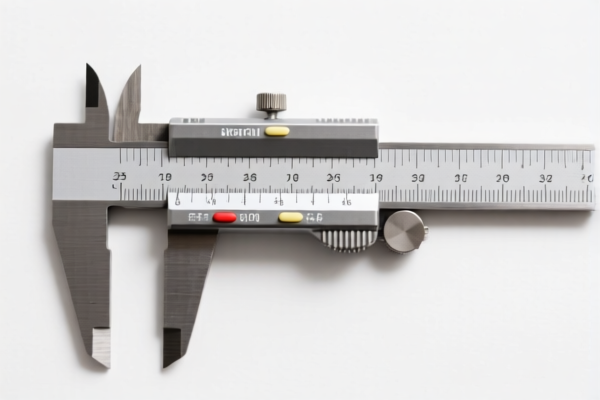
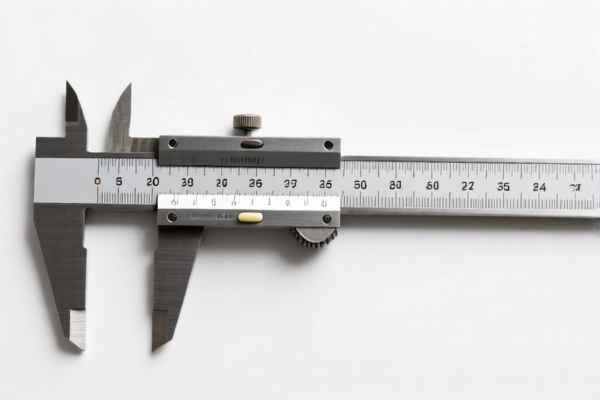
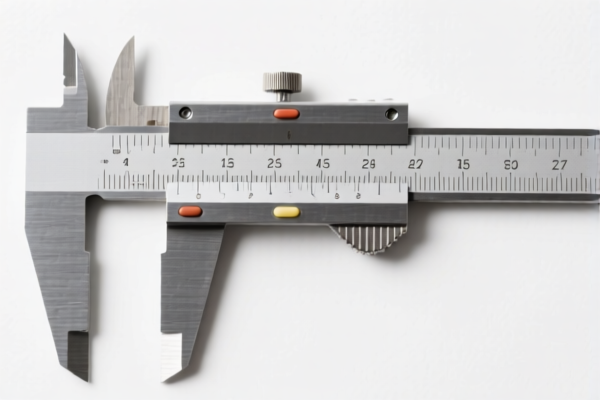
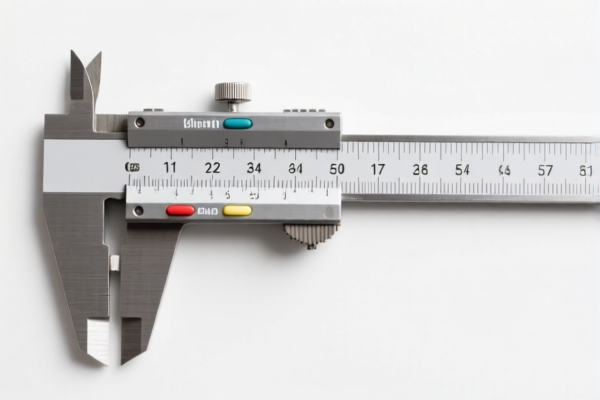
AI分析
🧪 Analytical Instrument (Analytical Instruments for Chemical, Physical, or Biological Analysis)
🌐 HS Code Classification & Tariff Guide | 2026 Updated Customs Strategy | Expert-Level Compliance Blueprint
📌 One Product, Five Possible HS Codes — Know Which One Applies to Your Shipment!
📌 一、Product Definition & Core Classification: What Exactly Is an "Analytical Instrument"?
An analytical instrument is a precision device used to measure, detect, identify, or quantify chemical, physical, or biological properties of a sample. These instruments are essential in laboratories, pharmaceuticals, environmental monitoring, food safety, semiconductor manufacturing, and medical diagnostics.
⚠️ Key Distinction:
- If the instrument measures or analyzes a substance (e.g., pH, concentration, molecular structure, elemental composition) → It’s an analytical instrument
- If it only transmits data or displays results without analysis → May fall under 8528.52.00.00 (Monitors) or 9013.80.91.00 (Other Instruments)✅ Common Types: - Spectrophotometers (UV-Vis, IR, AAS) - Chromatographs (HPLC, GC) - Mass Spectrometers (MS) - Elemental Analyzers - pH Meters & Conductivity Sensors - X-ray Fluorescence (XRF) Analyzers - FTIR, Raman, NMR Instruments
📦 二、HS Code Classification Matrix (2026 Official Tariff Table)
| HS Code | Product Description | Match Reason | Is It a Complete Analytical System? |
|---|---|---|---|
9031.80.80.85 |
Other measuring or testing instruments, apparatus, and machines (not elsewhere specified) | Fits general definition of measurement/testing equipment | ✅ Yes |
9022.19.00.00 |
Instruments and apparatus using X-ray imaging or detection (e.g., XRF, XRD) | Matches X-ray-based analytical systems | ✅ Yes |
9027.50.40.15 |
Electrical instruments for chemical analysis (e.g., titrators, ion meters, pH analyzers) | Directly matches chemical analysis purpose | ✅ Yes |
9031.49.90.00 |
Other optical instruments and apparatus for measurement or testing | Applies to optical-based analyzers (e.g., spectrometers) | ✅ Yes |
9027.89.45.30 |
Other instruments and apparatus for chemical analysis or testing | Covers general-purpose lab analyzers | ✅ Yes |
🔍 Critical Insight:
- All five HS codes are valid depending on technology, function, and design; - No single code fits all — accurate classification depends on technical specifications; - Misclassification = High Risk of Detention, Reassessment, or Penalties
💰 三、2026 Tariff Breakdown (U.S. Market – China-Origin Goods)
✅ Target Country: United States (US)
✅ Origin: China (CN)
✅ Effective Date: November 10, 2025 (inclusive)
✅ Applicable to: All shipments entering U.S. under these HS codes
🎯 1. 9031.80.80.85 — General Measurement & Testing Instruments
| Item | Detail |
|---|---|
| Base Duty | 0.0% (ad valorem) |
| USITC Section 301 Tariff | +25.0% |
| IEEPA Section 122 Tariff | +10.0% |
| Total Effective Duty | 10.0% |
| Tax Calculation | CIF × 10% |
| De Minimis Threshold | ❌ Not eligible (denied under U.S. law) |
| Legal Pathway | IEEPA:9903.01.25 → IEEPA:9903.01.24 → USITC:9031.80.80.85 → FOOTNOTE:9903.88.01 |
📌 Why Only 10%?
- This code is exempt from the 25% USITC tariff because it’s classified under "other instruments" not specifically targeted by Section 301; - Only 122 Clause (IEEPA) applies → +10%; - This is the lowest tariff among the five codes — a key advantage.
🎯 2. 9022.19.00.00 — X-ray Imaging/Detection Instruments
| Item | Detail |
|---|---|
| Base Duty | 0.0% |
| USITC Section 301 Tariff | +25.0% |
| IEEPA Section 122 Tariff | +10.0% |
| Total Effective Duty | 35.0% |
| Tax Calculation | CIF × 35% |
| De Minimis Threshold | ❌ Not eligible |
| Legal Pathway | IEEPA:9903.01.25 → IEEPA:9903.01.24 → USITC:9022.19.00.00 → FOOTNOTE:9903.88.01 |
📌 Why 35%?
- X-ray-based instruments are explicitly targeted under Section 301 (USITC); - Both USITC (25%) + IEEPA (10%) apply; - High-risk category — must provide technical documentation to justify classification.
🎯 3. 9027.50.40.15 — Electrical Instruments for Chemical Analysis
| Item | Detail |
|---|---|
| Base Duty | 0.0% |
| USITC Section 301 Tariff | +25.0% |
| IEEPA Section 122 Tariff | +10.0% |
| Total Effective Duty | 35.0% |
| Tax Calculation | CIF × 35% |
| De Minimis Threshold | ❌ Not eligible |
| Legal Pathway | IEEPA:9903.01.25 → IEEPA:9903.01.24 → USITC:9027.50.40.15 → FOOTNOTE:9903.88.01 |
📌 Why 35%?
- This code is specifically listed in USITC’s 301 tariff list; - Applies to pH meters, ion-selective electrodes, titration systems, etc.; - No exceptions — full 35% applies unless you qualify for a tariff exclusion.
🎯 4. 9031.49.90.00 — Optical Instruments for Measurement/Testing
| Item | Detail |
|---|---|
| Base Duty | 0.0% |
| USITC Section 301 Tariff | +25.0% |
| IEEPA Section 122 Tariff | +10.0% |
| Total Effective Duty | 35.0% |
| Tax Calculation | CIF × 35% |
| De Minimis Threshold | ❌ Not eligible |
| Legal Pathway | IEEPA:9903.01.25 → IEEPA:9903.01.24 → USITC:9031.49.90.00 → FOOTNOTE:9903.88.01 |
📌 Why 35%?
- Optical analyzers (e.g., UV-Vis, FTIR, Raman) are classified under 301 list; - Even if not X-ray-based, they are treated as high-tech instruments; - High scrutiny — expect documentation requests.
🎯 5. 9027.89.45.30 — Other Instruments for Chemical Analysis
| Item | Detail |
|---|---|
| Base Duty | 0.0% |
| USITC Section 301 Tariff | +25.0% |
| IEEPA Section 122 Tariff | +10.0% |
| Total Effective Duty | 35.0% |
| Tax Calculation | CIF × 35% |
| De Minimis Threshold | ❌ Not eligible |
| Legal Pathway | IEEPA:9903.01.25 → IEEPA:9903.01.24 → USITC:9027.89.45.30 → FOOTNOTE:9903.88.01 |
📌 Why 35%?
- This is a catch-all code for chemical analysis instruments not covered elsewhere; - Highly susceptible to 301 tariffs; - Must prove no material conflict or misrepresentation.
🛠️ 四、Customs Clearance Best Practices (Pro Tips for 2026)
✅ 1. Required Documentation (Must-Have List)
| Document | Required? | Why It Matters |
|---|---|---|
| ✅ Product Technical Manual | ✔️ | Proves function, type, and classification |
| ✅ Circuit Diagram / Block Diagram | ✔️ | Shows internal components (e.g., sensor, processor) |
| ✅ Lab Test Reports (e.g., ISO 17025) | ✔️ | Validates analytical capability |
| ✅ Commercial Invoice | ✔️ | Must clearly state "Analytical Instrument" and model |
| ✅ Packing List | ✔️ | Shows full system vs. parts |
| ✅ Certificate of Origin (CO) | ✔️ | Critical for tariff eligibility |
| ✅ Label & Model Number Photo | ✔️ | For customs verification |
✅ 2.申报技巧(Key Rules to Remember)
🔥 "Function First, Form Second — If It Analyzes, It’s Not a Monitor!"
| Scenario | Correct HS Code | Wrong Code to Avoid |
|---|---|---|
| UV-Vis Spectrophotometer | 9031.49.90.00 |
8528.52.00.00 (monitor) |
| XRF Analyzer | 9022.19.00.00 |
9031.80.80.85 (general instrument) |
| pH Meter with Probe | 9027.50.40.15 |
9027.89.45.30 (if not fully chemical) |
| HPLC System (with detector) | 9027.89.45.30 |
9031.80.80.85 (if not general) |
| FTIR with Software | 9031.49.90.00 |
8528.52.00.00 (software ≠ monitor) |
✅ 3. Special Cases & Risk Mitigation
| Situation | Recommended Action |
|---|---|
| Instrument with Software & Data Output | Do not classify as "monitor" — it’s an analytical device |
| Used/Refurbished Instrument | Still subject to same tariffs — provide condition report |
| Parts & Accessories | If sold separately, may be subject to higher tariff (e.g., 9031.80.80.85 or 9027.89.45.30) |
| Instruments from Vietnam/Mexico | Apply for IEEPA exemption — can reduce duty to 0% |
| Requesting a Pre-Ruling (Advance Ruling) | Highly Recommended — prevents future disputes |
🌍 五、Global Tariff Comparison (2026)
| Country | Recommended HS Code | Base Duty | Additional Tariffs | Total Duty |
|---|---|---|---|---|
| 🇺🇸 USA (China Origin) | 9031.80.80.85 |
0% | +10% (IEEPA) | 10% |
| 🇺🇸 USA (Vietnam/Mexico Origin) | 9031.80.80.85 |
0% | 0% (exempt) | 0% |
| 🇨🇳 China | 9031.80.80.85 |
5% | None | 5% |
| 🇪🇺 EU | 9031.80.80.85 |
0% | None (if CE) | 0% |
| 🇦🇺 Australia | 9031.80.80.85 |
5% | None | 5% |
| 🇯🇵 Japan | 9031.80.80.85 |
0% | None | 0% |
📌 Insight:
- U.S. is the only market with tiered tariffs based on origin and function; - China-origin instruments face 10–35% tariffs, depending on technology; - Non-China origin = major savings — consider shifting manufacturing or sourcing.
📌 六、Common Mistakes & How to Avoid Them
❌ Mistake 1: Labeling an HPLC as “monitor” or “data display”
👉 Result: Incorrect HS code → 35% tariff instead of 10% → massive overpayment
❌ Mistake 2: Not providing technical documentation
👉 Result: Customs delays, request for clarification, possible seizure
❌ Mistake 3: Using generic term “lab equipment” in invoice
👉 Result: Misclassification risk → penalties or reclassification
❌ Mistake 4: Assuming all analytical instruments are the same
👉 Result: Wrong code → tariff miscalculation → audit risk
✅ Correct Approach:
Use precise language:
"High-Performance Liquid Chromatography (HPLC) System, Model XYZ, with UV-Vis Detector, for Chemical Analysis, CE & ISO 17025 Certified"
🎯 七、Final Verdict: Choose Wisely, Pay Less, Ship Faster
🔹 Best HS Code for Cost Efficiency:
9031.80.80.85→ Only 10% total duty
🔹 Avoid if Possible:9022.19.00.00,9027.50.40.15,9031.49.90.00,9027.89.45.30→ 35% duty
🔹 Pro Tip: If your instrument does not use X-ray, chemical sensors, or optical analysis, use9031.80.80.85— it’s your lowest-cost path
📣 Take Action Now!
📞 Contact a U.S. Customs Broker or Trade Consultant
📄 Request a Pre-Approval Ruling (Advance Ruling) for your HS Code
🌐 Verify your origin — if from Vietnam/Mexico, you may qualify for 0% tariff
✨ Smart Classification = Smart Savings
💼 Your Analytical Instrument’s Duty Rate Is Not Set in Stone — It’s Your Decision!
✅ Summary Table: HS Code vs. Tax Rate (China-Origin, U.S.)
| HS Code | Tax Rate | Best For | Risk Level |
|---|---|---|---|
9031.80.80.85 |
10% | General-purpose analyzers | ⭐ Low |
9022.19.00.00 |
35% | X-ray analyzers | ⭐⭐ High |
9027.50.40.15 |
35% | Chemical sensors, pH meters | ⭐⭐ High |
9031.49.90.00 |
35% | Optical analyzers (UV-Vis, FTIR) | ⭐⭐ High |
9027.89.45.30 |
35% | General chemical analysis devices | ⭐⭐ High |
🎯 Final Advice:
"Don’t guess — classify. Don’t pay more — optimize. Your instrument’s future depends on one correct HS code."
🚀 Start today — secure your supply chain, reduce costs, and avoid customs surprises!
用户评价
关于 HS 编码归类
协调制度(HS)是由世界海关组织(WCO)制定的国际贸易商品分类标准。全球 200 多个国家采用 HS 系统作为海关关税、贸易统计和进出口监管的基础。
每个 HS 编码遵循以下层级结构:
- 章(2 位)——商品大类(例如:第 84 章:机器和机械设备)
- 品目(4 位)——章内的更具体分类
- 子目(6 位)——国际通用细分,所有 WCO 成员国统一使用
- 本国细分(8-10 位)——各国自行扩展的细分编码,如美国 HTSUS 10 位编码
正确的 HS 编码归类对于顺利通关、准确缴纳关税和遵守贸易法规至关重要。错误归类可能导致海关延误、多缴关税或罚款。
从CN进口到US时,适用的关税税率可能包括:
- 最惠国(MFN)税率——适用于 WTO 成员国的标准关税税率
- 普通税率——适用于无贸易协定国家
- 贸易救济关税——附加关税,如 301 条款(反倾销)、232 条款(国家安全)或反补贴税
本页内容仅供参考。如需正式归类,请咨询当地海关或持牌报关代理。