aromatic dienes resin
CN → US| HS编码 | 关税税率 | 原产国 | 目的国 | 文档 |
|---|---|---|---|---|
| 3806100050 | 40.0% | CN | US | 官方文档 |
| 3806900000 | 39.2% | CN | US | 官方文档 |
| 2707500000 | 35.0% | CN | US | 官方文档 |
| 2707999090 | 35.0% | CN | US | 官方文档 |
| 3911902500 | 41.1% | CN | US | 官方文档 |
| 3911904500 | 40.8% | CN | US | 官方文档 |
商品图片
AI分析
🧪 Aromatic Dienes Resin (Petroleum Resin)
🌐 HS Code Reference & Customs Clearance Guide | 2026 Latest Tariff Analysis | Professional Clearance Strategy
📌 I. Product Definition & Classification: Do You Really Understand "Aromatic Dienes Resin"?
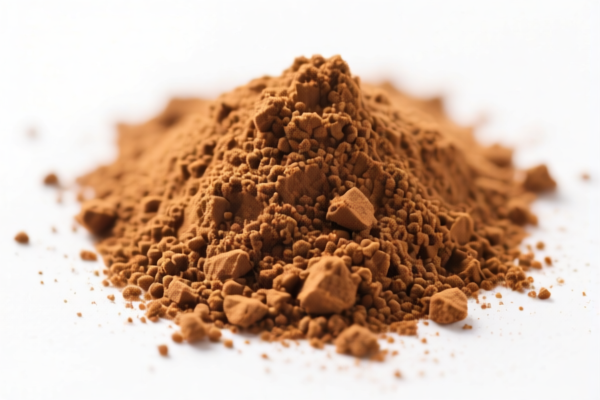
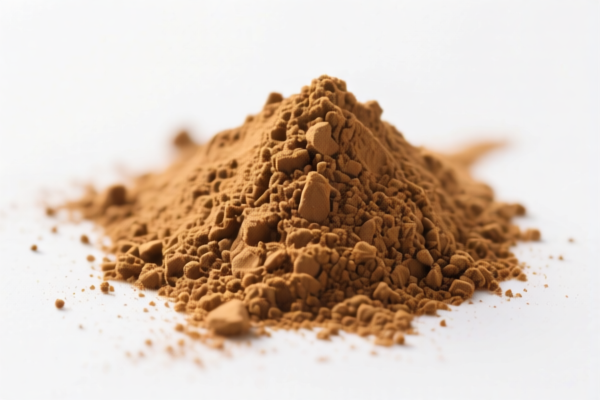
Aromatic Dienes Resin (often referred to as Petroleum Resin or C5/C9 Aromatic Resin) is a synthetic resin derived from the polymerization of aromatic and diene hydrocarbons, typically obtained as by-products of ethylene production or steam cracking. It is a key raw material in adhesives, sealants, coatings, and rubber compounds.
In international trade, its classification depends heavily on its chemical composition (aromatic vs. aliphatic), state (primary form vs. other), and specific application. The data provided highlights several potential HS Codes, ranging from specialized resin categories to broader chemical intermediate codes.
⚠️ Key Classification Distinction:
- Specific Resin Codes (3806, 3911): Apply if the product is strictly classified as a "resin" under Chapter 38 or Chapter 39 definitions.
- Hydrocarbon Intermediate Codes (2707): Apply if the product is viewed primarily as an "aromatic hydrocarbon mixture" or chemical intermediate before full polymerization classification.
📦 II. HS Code Classification Details (2026 Latest Tariff Authority Cross-Reference)
Based on the provided data, here are the 6 specific HS Codes with their corresponding tax implications and classification logic.
| HS Code | Product Description | Classification Logic | Total Tax Rate |
|---|---|---|---|
3806.10.00.50 |
Aromatic Petroleum Resins | Classified under "Rosin and chemically modified rosins... Other". Specifically matches "aromatic petroleum resin" characteristics. | 40.0% |
3806.90.00.00 |
Other Rosin & Resin Acids/Derivatives | Fallback category for "other" primary form chemicals/resins that don't fit specific sub-headings. Matches "other category material attributes". | 39.2% |
2707.50.00.00 |
Aromatic Hydrocarbons (Mixed) | Classified as "aromatic hydrocarbon products" and "chemical intermediate raw materials". Focuses on the aromatic component. | 35.0% |
2707.99.90.90 |
Other Aromatic Hydrocarbons | Fits "aromatic character" with weight exceeding non-aromatic components. Similar product material requirements. | 35.0% |
3911.90.25.00 |
Other Primary Form Resins | Matches material and composition requirements for "petroleum resin and aromatic materials". Fits "comprehensive classification explanation". | 41.1% |
3911.90.45.00 |
Other Primary Form Resins | Direct match for "aromatic petroleum resin" in primary form. Fits "chemical product classification characteristics in original shape". | 40.8% |
🔍 Critical Insight:
- The lowest tax rate is 35.0% (HS Codes2707.50.00.00&2707.99.90.90).
- The highest tax rate is 41.1% (HS Code3911.90.25.00).
- The difference of ~6% can significantly impact cost structures for high-volume shipments.
💰 III. 2026 Latest Tariff Rate Breakdown (Including Surcharges & Policy Add-ons)
✅ Applicable Country: USA (US)
✅ Origin: China (CN)
✅ Effective Date: November 10, 2025 onwards (including subsequent imports)
🎯 1. 3806.10.00.50 —— Aromatic Petroleum Resin (Specialized)
| Item | Content |
|---|---|
| Base Tariff | 5.0% (ad valorem) |
| Section 301 Surcharge | +25.0% |
| Section 122 Tariff | +10.0% |
| Total Tax Rate | 40.0% |
| Tax Calculation | CIF Value × 40% |
| De Minimis Eligibility | ❌ Not Eligible (High risk of seizure if misdeclared) |
| Legal Basis Path | USITC:3806.10.00.50 → SEC301:Footnote 9903.01.03 → IEEPA:9903.01.24 |
📌 Explanation:
- This code is often preferred for high-purity aromatic resins specifically used in adhesives.
- The 10% Section 122 tariff is a recent addition targeting specific chemical categories.
🎯 2. 3806.90.00.00 —— Other Rosin/Resin Derivatives (Fallback)
| Item | Content |
|---|---|
| Base Tariff | 4.2% (ad valorem) |
| Section 301 Surcharge | +25.0% |
| Section 122 Tariff | +10.0% |
| Total Tax Rate | 39.2% |
| Tax Calculation | CIF Value × 39.2% |
| De Minimis Eligibility | ❌ Not Eligible |
| Legal Basis Path | USITC:3806.90.00.00 → SEC301:Footnote 9903.01.03 → IEEPA:9903.01.24 |
📌 Note:
- Slightly lower than3806.10.00.50due to a lower base tariff (4.2% vs 5.0%).
- Used when the specific "aromatic petroleum resin" label is less definitive but still fits the "resin/derivative" umbrella.
🎯 3. 2707.50.00.00 —— Aromatic Hydrocarbons (Chemical Intermediate)
| Item | Content |
|---|---|
| Base Tariff | 0.0% (ad valorem) |
| Section 301 Surcharge | +25.0% |
| Section 122 Tariff | +10.0% |
| Total Tax Rate | 35.0% |
| Tax Calculation | CIF Value × 35.0% |
| De Minimis Eligibility | ❌ Not Eligible |
| Legal Basis Path | USITC:2707.50.00.00 → SEC301:Footnote 9903.01.01 → IEEPA:9903.01.24 |
📌 Explanation:
- Lowest Total Tax Rate.
- Requires strong evidence that the product is primarily a hydrocarbon mixture (intermediate) rather than a finished "resin" product.
- Justification must focus on "aromatic character" and "chemical intermediate" status.
🎯 4. 2707.99.90.90 —— Other Aromatic Hydrocarbons
| Item | Content |
|---|---|
| Base Tariff | 0.0% (ad valorem) |
| Section 301 Surcharge | +25.0% |
| Section 122 Tariff | +10.0% |
| Total Tax Rate | 35.0% |
| Tax Calculation | CIF Value × 35.0% |
| De Minimis Eligibility | ❌ Not Eligible |
| Legal Basis Path | USITC:2707.99.90.90 → SEC301:Footnote 9903.01.01 → IEEPA:9903.01.24 |
📌 Note:
- Similar to2707.50.00.00but for "other" aromatic hydrocarbons not specifically listed elsewhere.
- Weight of aromatic components must exceed non-aromatic components.
🎯 5. 3911.90.25.00 —— Primary Form Resins (High Specificity)
| Item | Content |
|---|---|
| Base Tariff | 6.1% (ad valorem) |
| Section 301 Surcharge | +25.0% |
| Section 122 Tariff | +10.0% |
| Total Tax Rate | 41.1% |
| Tax Calculation | CIF Value × 41.1% |
| De Minimis Eligibility | ❌ Not Eligible |
| Legal Basis Path | USITC:3911.90.25.00 → SEC301:Footnote 9903.01.03 → IEEPA:9903.01.24 |
📌 Warning:
- Highest Tax Rate.
- Applies when the product is explicitly defined as a "resin" under Chapter 39 with specific material/composition criteria.
- Use only if other codes are definitively excluded.
🎯 6. 3911.90.45.00 —— Primary Form Resins (Original Shape)
| Item | Content |
|---|---|
| Base Tariff | 5.8% (ad valorem) |
| Section 301 Surcharge | +25.0% |
| > Section 122 Tariff** | +10.0% |
| Total Tax Rate | 40.8% |
| Tax Calculation | CIF Value × 40.8% |
| De Minimis Eligibility | ❌ Not Eligible |
| Legal Basis Path | USITC:3911.90.45.00 → SEC301:Footnote 9903.01.03 → IEEPA:9903.01.24 |
📌 Note:
- Matches "original shape" chemical products.
- Higher than the 2707 codes due to higher base tariff (5.8% vs 0.0%).
🛠️ IV. Customs Clearance Practical Advice (Battle-Tested Pitfall Avoidance)
✅ 1. Documentation Checklist (Non-Negotiable)
| Document | Required | Description |
|---|---|---|
| ✅ Certificate of Analysis (COA) | ✔️ | Must detail chemical composition (Aromatic vs. Aliphatic %). Critical for distinguishing between 2707 and 3911/3806. |
| ✅ Product Specification Sheet | ✔️ | Include physical state (solid/liquid), molecular weight, softening point, and color. |
| ✅ Commercial Invoice | ✔️ | Clearly state "Aromatic Dienes Resin" or "Petroleum Resin". Avoid vague terms like "Plastic Granules". |
| ✅ Bill of Lading | ✔️ | Ensure cargo description matches invoice exactly. |
| ✅ Origin Certificate (CO) | ✔️ | To prove CN origin and apply correct Section 301/122 tariffs. |
| ✅ Structure Diagram/Molecular Info | ✔️ | If claiming 2707 (hydrocarbon intermediate), provide proof that it's a mixture, not a polymerized resin. |
✅ 2. Declaration Strategy (Key Mnemonics)
🔥 "Intermediates are Cheaper, Resins are Specific!"
| Scenario | Correct Declaration | Wrong Practice | Consequence |
|---|---|---|---|
| Chemical Intermediate Mixture | 2707.50.00.00 (35%) |
Declare as "Resin" | Overpay 5-6% |
| Finished Adhesive Raw Material | 3806.10.00.50 (40%) |
Declare as "Hydrocarbon" | Risk of audit for misclassification |
| Primary Form Polymerized Resin | 3911.90.45.00 (40.8%) |
Declare as "Intermediate" | High risk of penalty for false declaration |
| Fallback Resin | 3806.90.00.00 (39.2%) |
Use without justification | Potential rejection if not "other" category |
✅ 3. Special Case Handling
| Scenario | Handling Advice |
|---|---|
| Blended Resins | If mixed with aliphatic components, ensure aromatic weight > non-aromatic to qualify for 2707 if desired. |
| OEM Custom Grades | Provide customer spec sheets proving the "aromatic diene" nature to support 3806 or 3911 claims. |
| Solid vs. Liquid State | 2707 often covers liquids/mixtures; 3911/3806 often cover solid primary forms. Adjust documentation accordingly. |
| Pre-Ruling Request | Highly Recommended. Given the 6.1% spread, file for an Advance Ruling with CBP to lock in the 35% or 40% rate. |
🌍 V. Global Market Clearance Comparison (2026 Latest)
| Country/Region | Recommended HS Code | Tariff Rate | Certification Requirements | Notes |
|---|---|---|---|---|
| 🇺🇸 USA | 2707.50.00.00 |
35.0% | None specific | Lowest risk/cost. Requires strong chemical intermediate proof. |
| 🇨🇳 China | 3907.99.90.00 |
5-7% | None | Different classification system. Export from CN to US uses US HS. |
| 🇪🇺 EU | 3911.90.90 |
0-6.5% | REACH Registration | REACH compliance is critical for chemical imports. |
| 🇮🇳 India | 3911.90.99 |
5-10% | BIS Standard | Check for specific chemical import licenses. |
| 🇬🇧 UK | 3911.90.99 |
5% | UK REACH | Post-Brexit, UK REACH applies. |
📌 Conclusion:
- USA is the most tariff-sensitive market due to Section 301 and 122 surcharges.
- Choosing2707over3806/3911can save 5-6% on CIF value, which is substantial for bulk chemicals.
- China origin triggers the full 35-41% burden. No free trade agreement applies.
📌 VI. Common Mistakes & Pitfall Guide (Lessons from Blood)
❌ Mistake 1: Declaring "Resin" when it's a "Hydrocarbon Mixture"
👉 Consequence: Customs may upgrade the classification to 3911 (41.1%) if they believe it's a polymerized product.
👉 Solution: Provide COA showing it's a mixture of hydrocarbons, not a pure polymer.
❌ Mistake 2: Using vague terms like "Plastic Raw Material"
👉 Consequence: Customs detention for unclear classification. Delay of 2-4 weeks.
👉 Solution: Use precise chemical names: "Aromatic Dienes Resin" or "C5 Aromatic Petroleum Resin".
❌ Mistake 3: Ignoring Section 122 Tariff (10%)
👉 Consequence: Unexpected cost increase.
👉 Solution: Factor the 10% into all cost calculations. It applies to all 6 HS Codes provided.
✅ Correct Approach:
"Aromatic Dienes Resin (Petroleum Resin), Primary Form, CAS No. [Insert CAS], Aromatic Content > [X]%, for Use in Adhesives."
🎯 VII. Conclusion: Precision Classification Saves Money!
🎯 Remember the Golden Rules:
🔹 "If it's a mixture, try
2707(35%). If it's a resin,3806(39-40%) or3911(40-41%)."
🔹 "The 10% Section 122 is unavoidable for CN origin. Optimize the base rate!"
🔹 "Documentation is key. No COA = No 35% rate."
📌 Pro Tip:
If your resin originates from Vietnam, Mexico, Thailand, or Malaysia, you may qualify for USMCA/ASEAN FTAs to exempt Section 301 tariffs. However, for China-origin goods, the 35-41% rate is fixed.
Recommendation: Apply for a CBP Advance Ruling with detailed chemical analysis to secure the lowest applicable HS Code before shipment.
📣 Immediate Action:
📞 Contact your customs broker with the Certificate of Analysis
🚀 File for Advance Ruling to lock in the 35% or 40% rate
💰 Optimize supply chain to reduce CIF value impact
✨ Professional Clearance Starts with Precise Classification!
💼 Every percentage point counts in chemical trade!
用户评价
关于 HS 编码归类
协调制度(HS)是由世界海关组织(WCO)制定的国际贸易商品分类标准。全球 200 多个国家采用 HS 系统作为海关关税、贸易统计和进出口监管的基础。
每个 HS 编码遵循以下层级结构:
- 章(2 位)——商品大类(例如:第 84 章:机器和机械设备)
- 品目(4 位)——章内的更具体分类
- 子目(6 位)——国际通用细分,所有 WCO 成员国统一使用
- 本国细分(8-10 位)——各国自行扩展的细分编码,如美国 HTSUS 10 位编码
正确的 HS 编码归类对于顺利通关、准确缴纳关税和遵守贸易法规至关重要。错误归类可能导致海关延误、多缴关税或罚款。
从CN进口到US时,适用的关税税率可能包括:
- 最惠国(MFN)税率——适用于 WTO 成员国的标准关税税率
- 普通税率——适用于无贸易协定国家
- 贸易救济关税——附加关税,如 301 条款(反倾销)、232 条款(国家安全)或反补贴税
本页内容仅供参考。如需正式归类,请咨询当地海关或持牌报关代理。