automotive grade pvc elastomer raw material
CN → US| HS编码 | 关税税率 | 原产国 | 目的国 | 文档 |
|---|---|---|---|---|
| 3926909989 | 22.8% | CN | US | 官方文档 |
| 3926904590 | 38.5% | CN | US | 官方文档 |
| 3923290000 | 38.0% | CN | US | 官方文档 |
| 3904901000 | 35.0% | CN | US | 官方文档 |
| 3904220000 | 41.5% | CN | US | 官方文档 |
商品图片

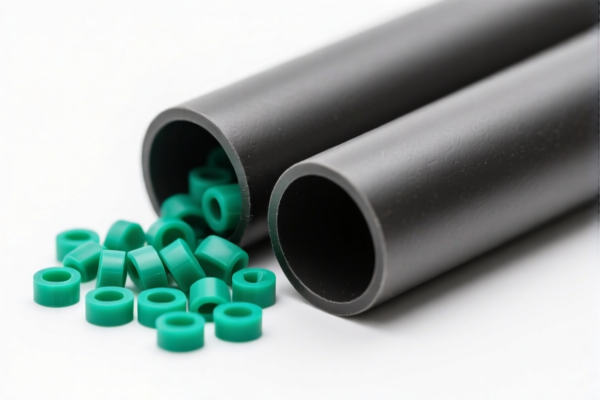


AI分析
🚗 Automotive Grade PVC Elastomer Raw Material
🌐 HS Code Classification & Customs Clearance Guide | 2026 Latest Tariff Analysis | Professional Compliance Strategy
📌 I. Product Definition & Classification: What is "Automotive Grade PVC Elastomer"?
PVC Elastomers are modified polyvinyl chloride materials with enhanced flexibility, impact resistance, and durability. In the automotive industry, they are critical raw materials for manufacturing: * Interior Components: Door panels, dashboard skins, steering wheel covers, and sun visors. * Exterior Components: Hose pipes, cable sheathing, seals, and gaskets. * Under-hood Parts: Wire insulation and protective coatings.
⚠️ Key Classification Logic:
The classification depends on whether the material is classified as a finished plastic article, a packaging material, or a raw polymer.
- If it is a raw polymer/resin form → Chapter 39 (Plastics and Articles Thereof)
- If it is specifically for food contact (rare in automotive) → Different logic applies, but automotive grade implies industrial use.
- The USITC and CBP differentiate based on form (raw vs. processed) and specific end-use exclusions.
📦 II. HS Code Classification Matrix (2026 Authoritative Cross-Reference)
Below are the five potential HS Codes derived from the provided data, with detailed explanations for why each might apply or be considered.
| HS Code | Product Description | Summary of Classification Logic | Total Tax Rate (US Import from CN) | Tax Breakdown |
|---|---|---|---|---|
| 3926.90.99.89 | Other articles of plastics and articles of other materials of heading 39 or 40 | Dumbbell Logic: Classified as "Other Plastic Products" (End-use item). Since it doesn't fit specific subheadings, it falls under the residual category. Assumes PVC material type matches plastic goods. | 22.8% | Base: 5.3% + Sec 301: 7.5% + Section 122: 10% |
| 3926.90.45.90 | Other articles of plastics: Elastic | Elastomer Logic: Classified specifically as an "Elastic" plastic article. Matches the physical property (elasticity) of the PVC elastomer. | 38.5% | Base: 3.5% + Sec 301: 25.0% + Section 122: 10% |
| 3923.29.00.00 | Sacks and bags (including cones), of plastics | Packaging Logic: Classified as plastic packaging material. Note: This is often a misclassification for raw materials unless specifically packaged in plastic sacks for transport, but the summary suggests a fit for "plastic articles composition" with no conflict for packaging use. | 38.0% | Base: 3.0% + Sec 301: 25.0% + Section 122: 10% |
| 3904.90.10.00 | Other vinyl-chloride polymers | Polymer Logic: Classified as the raw PVC polymer itself. "Elastomer" is treated as a direct match for the polymer category under Vinyl Chloride. | 35.0% | Base: 0.0% + Sec 301: 25.0% + Section 122: 10% |
| 3904.22.00.00 | Vinyl-chloride copolymers, primary forms | Raw Material Logic: Classified as PVC copolymers in primary form. "Elastomer" is considered a primary shape of polymer. | 41.5% | Base: 6.5% + Sec 301: 25.0% + Section 122: 10% |
🔍 Critical Distinction:
- 3904.xx codes are for POLYMERS (Raw Materials/Resins).
- 3926.xx codes are for ARTICLES (Finished or Semi-Finished Goods).
- 3923.xx is for PACKAGING.
If you are importing raw pellets/granules, 3904 is most likely. If you are imported pre-formed automotive parts, 3926 is likely.
💰 III. 2026 Detailed Tariff Analysis (US Import from China)
✅ Applicable Country: United States (US)
✅ Origin: China (CN)
✅ Effective Date: Ongoing (Including Nov 2025 onwards)
🎯 1. 3926.90.99.89 – Other Plastic Articles (Residual)
| Item | Detail |
|---|---|
| Base Duty | 5.3% (Ad Valorem) |
| USITC Surcharge (Sec 301) | +7.5% (Note: This is lower than standard 25%, possibly due to specific trade exclusions or updated lists) |
| Section 122 Duty | +10% (Additional tariff for specific Chinese imports) |
| Total Effective Rate | 22.8% |
| De Minimis Exemption | ❌ NO (Value > $800 usually subject to full duty; Section 122 often blocks de minimis) |
| Legal Path | HTSUS:3926.90.99.89 → FOOTNOTE:Sec122 → USITC:301 |
📌 Analysis: This is the lowest tax burden among the options. It suggests that if the goods can be classified as a general "plastic article" rather than a specific polymer or elastic, they benefit from a lower Sec 301 rate (7.5% vs 25%).
🎯 2. 3926.90.45.90 – Plastic Articles: Elastic
| Item | Detail |
|---|---|
| Base Duty | 3.5% |
| USITC Surcharge (Sec 301) | +25.0% (Standard Section 301 rate) |
| Section 122 Duty | +10.0% |
| Total Effective Rate | 38.5% |
| De Minimis Exemption | ❌ NO |
| Legal Path | HTSUS:3926.90.45.90 → USITC:301 → Section 122 |
📌 Analysis: High tariff. Classifying it specifically as "Elastic" triggers the full 25% surcharge.
🎯 3. 3923.29.00.00 – Plastic Sacks/Bags
| Item | Detail |
|---|---|
| Base Duty | 3.0% |
| USITC Surcharge (Sec 301) | +25.0% |
| Section 122 Duty | +10.0% |
| Total Effective Rate | 38.0% |
| De Minimis Exemption | ❌ NO |
📌 Analysis: ⚠️ HIGH RISK OF MISCLASSIFICATION. Unless you are importing the PVC elastomer packaged in plastic sacks and declaring it as packaging material, this code is inappropriate for raw material or finished parts. Customs may reject this if the goods are not clearly "bags/sacks."
🎯 4. 3904.90.10.00 – Other Vinyl Chloride Polymers
| Item | Detail |
|---|---|
| Base Duty | 0.0% (Duty-Free Base) |
| USITC Surcharge (Sec 301) | +25.0% |
| Section 122 Duty | +10.0% |
| Total Effective Rate | 35.0% |
| De Minimis Exemption | ❌ NO |
| Legal Path | HTSUS:3904.90.10.00 → USITC:301 → Section 122 |
📌 Analysis: Good for Raw Resins/Pellets. The base duty is 0%, but the surcharges add up to 35%. This is a standard code for PVC polymers in primary form.
🎯 5. 3904.22.00.00 – Vinyl Chloride Copolymers (Primary Forms)
| Item | Detail |
|---|---|
| Base Duty | 6.5% |
| USITC Surcharge (Sec 301) | +25.0% |
| Section 122 Duty | +10.0% |
| Total Effective Rate | 41.5% |
| De Minimis Exemption | ❌ NO |
| Legal Path | HTSUS:3904.22.00.00 → USITC:301 → Section 122 |
📌 Analysis: Highest Tax. Only use if the product is explicitly a "VCM Copolymer" and not a homopolymer or blend.
🛠️ IV. Customs Clearance Practical Advice (Avoiding Pitfalls)
✅ 1. Pre-Shipment Documentation Checklist
| Document | Mandatory? | Description |
|---|---|---|
| Product Specification Sheet | ✔️ Must | Must clearly state: "PVC Elastomer," "Automotive Grade," "Form (Pellet/Sheet/Part)." |
| Material Safety Data Sheet (MSDS) | ✔️ Must | Required for chemical handling. |
| Commercial Invoice | ✔️ Must | Clearly describe item. Avoid vague terms like "Plastic Stuff." Use "Polyvinyl Chloride Elastomer, Automotive Grade, Pellet Form." |
| Certificate of Origin | ✔️ Recommended | To prove CN origin for tariff calculation. |
| Test Report (RoHS/REACH) | ✔️ Recommended | Automotive clients often require this. |
✅ 2. Critical Classification Strategy
🔥 Golden Rule: "Form Dictates Function, Function Dictates Code."
| Scenario | Recommended HS Code | Why? |
|---|---|---|
| Raw Pellets/Granules | 3904.90.10.00 or 3904.22.00.00 |
These are "Primary Forms" (Polymers). Avoid 3926 (Articles) for raw materials. |
| Pre-Formed Auto Parts (e.g., Door Panel) | 3926.90.99.89 |
These are "Articles of Plastic." If it fits the "other" category, use the residual code for potentially lower Sec 301. |
| Packaging Material (Sacks) | 3923.29.00.00 |
ONLY if the primary function is packaging. Do NOT use this for the product itself. |
| Flexible Hoses/Tubes | 3926.90.45.90 |
If classified as "Elastic" articles. |
✅ 3. Common Errors & Consequences
| Error | Consequence | Solution |
|---|---|---|
| Mislabeling Raw Resin as "Article" | Customs may reject 3926 code for raw pellets. |
Ensure invoice says "Polymer/Pellets" for 3904 codes. |
Using 3923 for Product |
High audit risk. Customs sees "PVC Elastomer" but code says "Bag." | Do not use 3923 unless importing bags. |
| Ignoring Section 122 | Underpayment of duties. | All listed codes include a 10% Section 122 duty. Calculate accurately. |
| Assuming De Minimis Applies | Seizure of goods. | Section 122 and Sec 301 goods >$800 are NOT exempt. |
🌍 V. Global Market Comparison (2026 Outlook)
| Region | Recommended HS | Est. Total Tax (China Origin) | Notes |
|---|---|---|---|
| 🇺🇸 USA | 3926.90.99.89 (Best Rate) |
22.8% | Lowest among options. Avoid 3904.22 (41.5%). |
| 🇪🇺 EU | 3904.30 / 3926.90 |
~0% - 6.5% | Lower base tariffs, but VAT applies. Check CBAM rules for plastics. |
| 🇨🇳 China (Export) | 3904.22 / 3904.90 |
Varies | Check export tax rebates. |
| 🇲🇽 Mexico | 3904.22 / 3926.90 |
0% - 5% (USMCA) | If processed in USMCA region, duty-free. |
📌 Conclusion:
For the US market,3926.90.99.89(22.8%) is the most cost-effective classification if the goods can be legally defined as "Other Plastic Articles" rather than raw polymers or specific elastic articles.
For raw materials,3904.90.10.00(35.0%) is the standard choice.
📌 VI. Final Recommendations & Action Items
🎯 Immediate Actions:
- Confirm Physical Form: Are you shipping pellets (polymer) or molded parts (article)?
- Pellets → Aim for
3904.90.10.00(35.0%). - Parts → Aim for
3926.90.99.89(22.8%) if eligible.
- Pellets → Aim for
- Calculate Landed Cost:
- Example: $100,000 CIF Value.
- At
3926.90.99.89: Duty = $22,800. - At
3904.22.00.00: Duty = $41,500. - Savings: $18,700 by choosing the correct code!
- Consult Customs Broker:
- Request an HTSUS Ruling from CBP if the classification is borderline between "Polymer" and "Article."
- Explicitly mention "Section 122" in your tariff calculation.
💡 Pro Tip:
"Don't Let 'Elastomer' Trap You in 3926.90.45.90!"
If your product is a raw material, 3904 is safer and often cheaper than the "Elastic Article" classification. If it is a part, check if it fits the general "Other" category of3926.90.99.89to benefit from the lower 7.5% Section 301 rate instead of 25%.
✨ Professional Clearance Starts with Accurate Classification!
💼 Optimize Your Supply Chain. Minimize Your Tariff. Maximize Your Profit.
用户评价
关于 HS 编码归类
协调制度(HS)是由世界海关组织(WCO)制定的国际贸易商品分类标准。全球 200 多个国家采用 HS 系统作为海关关税、贸易统计和进出口监管的基础。
每个 HS 编码遵循以下层级结构:
- 章(2 位)——商品大类(例如:第 84 章:机器和机械设备)
- 品目(4 位)——章内的更具体分类
- 子目(6 位)——国际通用细分,所有 WCO 成员国统一使用
- 本国细分(8-10 位)——各国自行扩展的细分编码,如美国 HTSUS 10 位编码
正确的 HS 编码归类对于顺利通关、准确缴纳关税和遵守贸易法规至关重要。错误归类可能导致海关延误、多缴关税或罚款。
从CN进口到US时,适用的关税税率可能包括:
- 最惠国(MFN)税率——适用于 WTO 成员国的标准关税税率
- 普通税率——适用于无贸易协定国家
- 贸易救济关税——附加关税,如 301 条款(反倾销)、232 条款(国家安全)或反补贴税
本页内容仅供参考。如需正式归类,请咨询当地海关或持牌报关代理。