aventurine crystal stone
CN → US| HS编码 | 关税税率 | 原产国 | 目的国 | 文档 |
|---|---|---|---|---|
| 7103995000 | 28.0% | CN | US | 官方文档 |
| 7103104000 | 28.0% | CN | US | 官方文档 |
| 7104991000 | 17.5% | CN | US | 官方文档 |
| 7104995000 | 23.9% | CN | US | 官方文档 |
商品图片
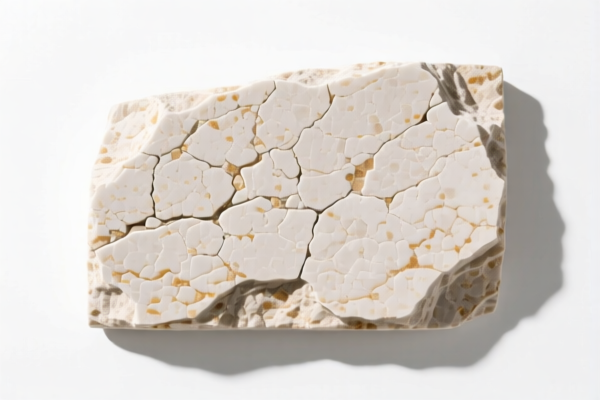
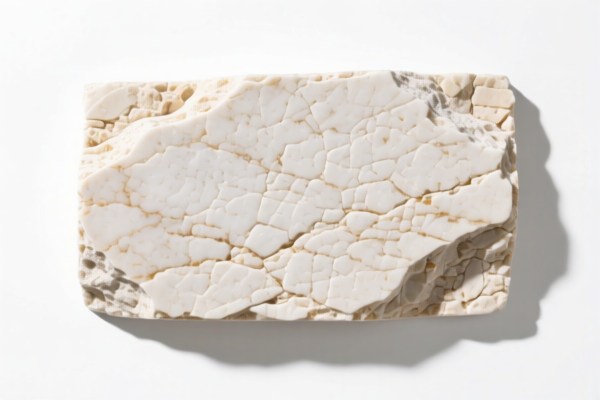
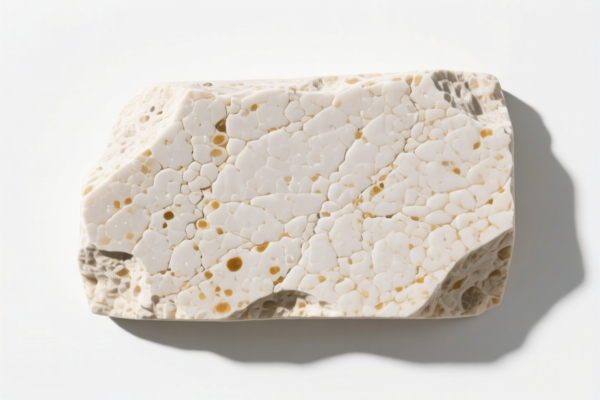
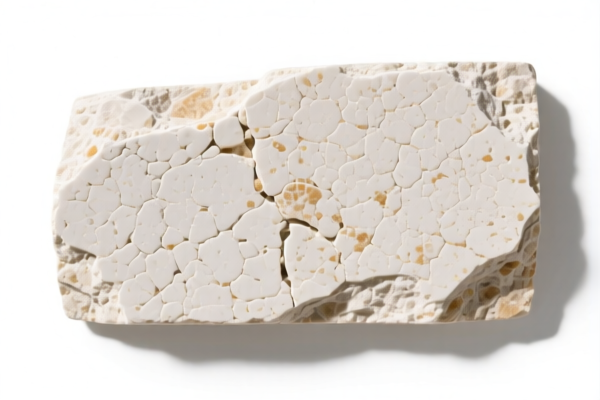
AI分析
💎 Aventurine Crystal Stones (Synthetic/Reconstructed vs. Natural)
🌐 HS Code Reference & Customs Clearance Guide | 2026 Latest Tariff Analysis | Professional Entry Strategy
📌 1. Product Definition & Classification: Understanding "Aventurine"
Aventurine is a variety of quartz (chalcedony) known for its shimmering appearance caused by platelet inclusions (usually fuchsite mica or hematite). In international trade, the classification critically depends on whether the stone is natural, synthetic/reconstructed, or finished articles.
Based on the provided <DATA>, we are dealing primarily with raw/processed stones (not strung/mounted) or articles made of stones. Here is how to classify them correctly to avoid customs delays:
⚠️ Key Distinction Points:
- Natural vs. Synthetic: Natural aventurine falls under Chapter 7103; Synthetic/Reconstructed falls under Chapter 7104.
- Worked vs. Unworked: "Simply sawn" is different from "Cut but not set."
- Articles vs. Loose Stones: "Articles" (e.g., beads, carvings) fall under 7116, not 7103/7104.
📦 2. HS Code Classification Details (2026 Latest Tariff Authority)
The following HS Codes from <DATA> apply to Aventurine based on its origin and processing state:
| HS Code | Product Description (From <DATA>) |
Applicable Scenario | Tax Rate (Total) |
|---|---|---|---|
7104.99.50.00 |
Synthetic/Reconstructed stones, other (not cut/set, not simple work) | Rough synthetic chunks, ungraded synthetic stones for transport | 0.0% |
7104.99.10.00 |
Synthetic/Reconstructed stones, cut but not set, suitable for jewelry | Faceted synthetic aventurine, polished but not mounted | 7.5% |
7103.10.40.00 |
Natural precious/semi-precious stones, unworked or simply sawn/roughly shaped | Raw natural aventurine roughs, roughly cut slabs | 0.0% |
7103.99.50.00 |
Natural stones, otherwise worked, other | Polished, tumbled, or intricately shaped natural aventurine (not set) | 18.0% |
7116.20.40.00 |
Articles of semiprecious stones (except rock crystal) | Beads, carvings, tumbled stones for decoration (semi-precious) | 18.0% |
7116.20.50.00 |
Articles of precious/semiprecious stones, other | Rare or specific natural stone articles not fitting 7116.20.40 | 7.5% |
🔍 Critical Note:
- Natural vs. Synthetic: If your aventurine is lab-created, it MUST be classified under 7104. Misdeclaring synthetic as natural can lead to severe penalties.
- Worked vs. Unworked: Natural stones that are just roughly cut are taxed at 0% (7103.10.40.00). Once polished or tumbled for jewelry, they jump to 18% (7103.99.50.00).
- Articles: If the stone is already strung as beads or carved into a figurine, use 7116, not 7103/7104.
💰 3. 2026 Tariff Rate Breakdown (Detailed Tax Analysis)
✅ Scope: Based on
<DATA>tax details.
✅ Origin Context: Typically implies imports into markets with specific trade policies (e.g., US-China trade context suggested by "Additional Tariffs").
🎯 1. 7104.99.50.00 – Synthetic/Reconstructed Stones (General Other)
| Item | Detail |
|---|---|
| Base Tariff | 0.0% |
| Additional Tariff | 0.0% |
| Total Tax | 0.0% |
| Legal Basis | Chapter 7104 (Synthetic Stones), Subheading 99 (Other), 50 (Other). |
| Strategy | Ideal for bulk, ungraded synthetic roughs. Lowest cost entry. |
🎯 2. 7104.99.10.00 – Synthetic Stones (Cut but not set)
| Item | Detail |
|---|---|
| Base Tariff | 0.0% |
| Additional Tariff | 7.5% |
| Total Tax | 7.5% |
| Legal Basis | Chapter 7104, Subheading 10 (Cut but not set). |
| Strategy | Applies to finished synthetic gemstones ready for jewelry manufacturing. |
🎯 3. 7103.10.40.00 – Natural Stones (Unworked/Rough)
| Item | Detail |
|---|---|
| Base Tariff | 0.0% |
| Additional Tariff | 0.0% |
| Total Tax | 0.0% |
| Legal Basis | Chapter 7103 (Natural Stones), Subheading 10 (Unworked), 40 (Other). |
| Strategy | Best for raw material importers. If you import rough natural aventurine, declare it as "Unworked/Roughly Shaped" to benefit from 0% tax. |
🎯 4. 7103.99.50.00 – Natural Stones (Worked, Other)
| Item | Detail |
|---|---|
| Base Tariff | 10.5% |
| Additional Tariff | 7.5% |
| Total Tax | 18.0% |
| Legal Basis | Chapter 7103, Subheading 99 (Other worked stones). |
| Strategy | High tariff. Applies to polished, tumbled, or intricately cut natural stones. Justify if value-added is high. |
🎯 5. 7116.20.40.00 – Articles of Semiprecious Stones (Non-Rock Crystal)
| Item | Detail |
|---|---|
| Base Tariff | 10.5% |
| Additional Tariff | 7.5% |
| Total Tax | 18.0% |
| Legal Basis | Chapter 7116 (Articles), Subheading 20 (Precious/Semi-precious stones), 40 (Semiprecious except rock crystal). |
| Strategy | Use for beads, carvings, or decorative items. Do not use for loose, unmounted stones. |
🎯 6. 7116.20.50.00 – Articles of Precious/Semiprecious Stones (Other)
| Item | Detail |
|---|---|
| Base Tariff | 0.0% |
| Additional Tariff | 7.5% |
| Total Tax | 7.5% |
| Legal Basis | Chapter 7116, Subheading 50 (Other articles). |
| Strategy | May apply to specific natural stone articles that don’t fit the "semiprecious except rock crystal" category. Lower than 7116.20.40. |
🛠️ 4. Customs Clearance Practical Advice (Avoid Pitfalls)
✅ 1. Documentation Checklist
| Document | Required? | Description |
|---|---|---|
| ✅ Product Description | ✔️ | Must specify: Natural or Synthetic? Rough or Polished? |
| ✅ Composition Analysis | ✔️ | If natural, provide a gemological report confirming it is Quartz/Chalcedony. If synthetic, state "Lab-Created Aventurine." |
| ✅ Photos | ✔️ | Show raw state (for 0% tax claims) or finished state (for 18% tax). |
| ✅ Commercial Invoice | ✔️ | Clearly state HS Code and description. Avoid vague terms like "Decorative Stone." |
| ✅ Packing List | ✔️ | Indicate if stones are strung (articles) or loose (stones). |
✅ 2. Classification Strategy & Tips
🔥 "Raw is Free, Worked is Paid; Natural is High, Synthetic is Mixed!"
| Scenario | Recommended HS Code | Tax Rate | Reason |
|---|---|---|---|
| Importing Raw Natural Aventurine | 7103.10.40.00 |
0.0% | Classified as "Unworked/Roughly Shaped." |
| Importing Polished Natural Stones | 7103.99.50.00 |
18.0% | Classified as "Worked." High tax. |
| Importing Synthetic Roughs | 7104.99.50.00 |
0.0% | Classified as "Synthetic, Other." |
| Importing Synthetic Faceted Stones | 7104.99.10.00 |
7.5% | Classified as "Cut but not set." |
| Importing Beads/Carvings (Natural) | 7116.20.40.00 |
18.0% | Classified as "Articles of Semiprecious Stones." |
| Importing Beads/Carvings (Synthetic) | Check 7116 vs 7104 |
Varies | If strung for transport, check 7104.99.50.00 (0%) if ungraded. |
📌 Critical Tip:
- Do not over-process in customs: If you import natural stones, ensure they are truly "unworked or simply sawn" to claim the 0% rate. If they are tumbled or polished, you must pay 18%.
- Synthetic vs. Natural: If you import synthetic stones, declare them as such. Misdeclaring synthetic as natural can lead to fraud allegations. Conversely, declaring natural as synthetic might trigger unnecessary duties or audits.
✅ 3. Special Cases
| Situation | Advice |
|---|---|
| Mixed Containers | Separate natural roughs (0%) from polished natural (18%) in different boxes if possible to simplify inspection. |
| Beams vs. Loose | Beams (strung) are "Articles" (7116). Loose stones are "Stones" (7103/7104). Do not mix descriptions. |
| Rock Crystal Exception | If the aventurine is mistaken for rock crystal, the tax might differ. Ensure gemological accuracy. |
🌍 5. Global Market Comparison (2026)
| Region | Recommended HS Code | Tariff (China Origin) | Notes |
|---|---|---|---|
| 🇺🇸 USA | 7103.10.40.00 (Natural Rough) |
0.0% | Section 301 duties may not apply to natural roughs. |
| 🇪🇺 EU | 7103.10.40.00 |
~0-5% | Check EEC tariff schedules. |
| 🇨🇳 China | 7103.10.40.00 |
~0% | Import tax for raw materials is low. |
| 🇬🇧 UK | 7103.10.40.00 |
~0% | Post-Brexit tariffs align closely with EU for raw stones. |
📌 Conclusion:
- Natural Rough Aventurine is the most tax-efficient import (0%) under7103.10.40.00.
- Polished/Synthetic/Finished items attract higher duties (7.5%-18.0%).
- Always declare the exact state of work (unworked vs. worked) to maximize tax benefits.
📌 6. Common Errors & Pitfalls (Lessons Learned)
❌ Error 1: Declaring polished natural aventurine as "unworked" to avoid tax.
👉 Consequence: Customs inspection reveals polishing marks → 18% tax + Penalties.
❌ Error 2: Misclassifying synthetic aventurine as natural.
👉 Consequence: Audit reveals synthetic origin → Potential fraud charges or reclassification.
❌ Error 3: Using "Jewelry" for loose stones.
👉 Consequence: Loose stones are not jewelry until mounted. Misclassification leads to wrong HS Code (7113 vs 7103/7104).
❌ Error 4: Ignoring "Articles" status for beads.
👉 Consequence: Strung beads are "Articles" (7116), not "Stones" (7103). Using 7103 for beads is incorrect.
✅ Correct Description Example:
"Natural Aventurine Quartz Rough, Unworked, for Gemstone Cutting, HS Code 7103.10.40.00"
OR
"Synthetic Aventurine Stones, Cut but Not Set, for Jewelry Manufacturing, HS Code 7104.99.10.00"
🎯 7. Conclusion: Optimize Your Import Strategy
🎯 Key Takeaways:
🔹 Natural Rough = 0% Tax (
7103.10.40.00)
🔹 Natural Polished = 18% Tax (7103.99.50.00)
🔹 Synthetic Rough = 0% Tax (7104.99.50.00)
🔹 Synthetic Cut = 7.5% Tax (7104.99.10.00)
🔹 Beads/Carvings = 18% or 7.5% (7116.20.40.00/7116.20.50.00)
📌 Pro Tip:
If you are importing natural aventurine, consider importing it as "Unworked/Rough" to save 18% in duties, then do the polishing locally if feasible. This is a common cost-saving strategy in the gemstone trade.
📣 Immediate Action:
📞 Consult a Customs Broker with a Gemological Report.
📋 Ensure your Invoice Description matches the HS Code precisely.
🚀 Avoid costly reclassifications and keep your supply chain compliant!
✨ Smart Classification Saves Money!
💼 Every percentage point in tax rate impacts your profit margin!
用户评价
关于 HS 编码归类
协调制度(HS)是由世界海关组织(WCO)制定的国际贸易商品分类标准。全球 200 多个国家采用 HS 系统作为海关关税、贸易统计和进出口监管的基础。
每个 HS 编码遵循以下层级结构:
- 章(2 位)——商品大类(例如:第 84 章:机器和机械设备)
- 品目(4 位)——章内的更具体分类
- 子目(6 位)——国际通用细分,所有 WCO 成员国统一使用
- 本国细分(8-10 位)——各国自行扩展的细分编码,如美国 HTSUS 10 位编码
正确的 HS 编码归类对于顺利通关、准确缴纳关税和遵守贸易法规至关重要。错误归类可能导致海关延误、多缴关税或罚款。
从CN进口到US时,适用的关税税率可能包括:
- 最惠国(MFN)税率——适用于 WTO 成员国的标准关税税率
- 普通税率——适用于无贸易协定国家
- 贸易救济关税——附加关税,如 301 条款(反倾销)、232 条款(国家安全)或反补贴税
本页内容仅供参考。如需正式归类,请咨询当地海关或持牌报关代理。