baby overall
CN → US| HS编码 | 关税税率 | 原产国 | 目的国 | 文档 |
|---|---|---|---|---|
| 6209205030 | 26.8% | CN | US | 官方文档 |
| 6111305010 | 33.5% | CN | US | 官方文档 |
| 6110909073 | 23.5% | CN | US | 官方文档 |
| 6110909071 | 23.5% | CN | US | 官方文档 |
| 6111206010 | 25.6% | CN | US | 官方文档 |
商品图片
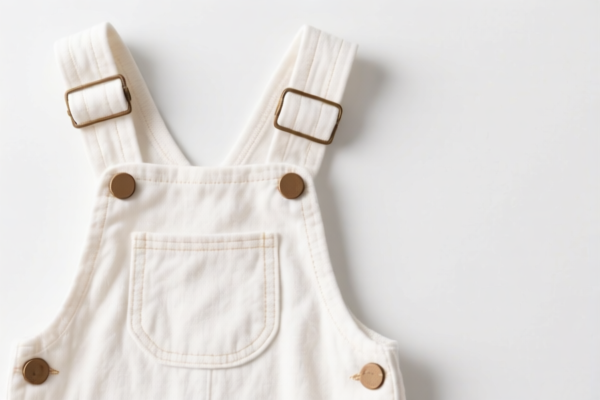
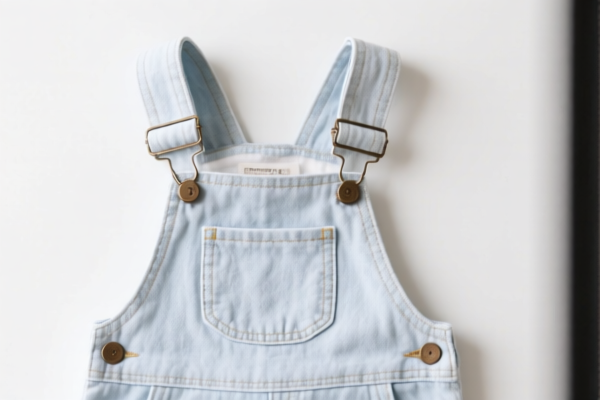
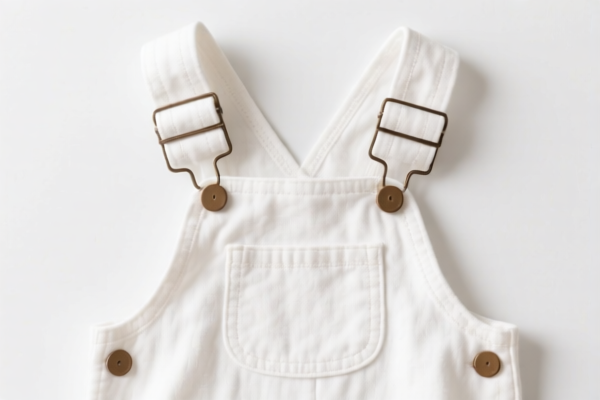
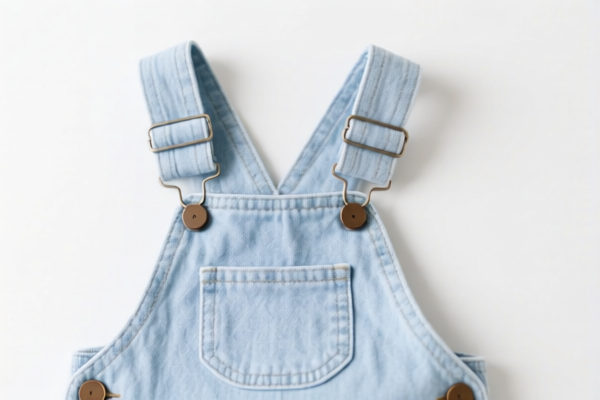
AI分析
👶 Baby Overall (Infant’s Garments)
🌐 HS Code Reference & Customs Clearance Guide | 2026 Latest Tariff Analysis | Professional Clearance Strategy
📌 I. Product Definition & Classification: Do You Truly Understand "Baby Overall"?
Baby Overall, commonly known as infant rompers, coveralls, or union suits, are one-piece garments designed for babies and infants. In international trade, classification depends heavily on three factors:
1. Material: Cotton, Synthetic Fibers, or Other Textile Materials.
2. Knitting/Crocheting Status: Knitted/Crocheted (Chapter 61) vs. Not Knitted/Crocheted (Chapter 62).
3. Design/Shape: Specific "Overall" shape, general "Garment" shape, or specific "Baby Garment" sub-category.
⚠️ Key Distinction Point:
- If the garment is knitted/crocheted and explicitly for infants → Often falls under 6111 or 6110.
- If the garment is not knitted/crocheted (woven) and for infants → Falls under 6209.
- If the specific "overall" shape isn't explicitly defined for infants in Chapter 61, it may fall under general infant textile categories in 6110.
📦 II. HS Code Classification Details (2026 Latest Tariff Authoritative Comparison)
Based on the provided data, here are the 5 potential HS Codes for Baby Overall, sorted by tax efficiency and material logic.
| HS Code | Product Description | Material Inference | Total Tax Rate | Key Tax Components |
|---|---|---|---|---|
6110.90.90.73 |
Knitted/crocheted garment-like articles for girls/infants | Other Textile Materials | 23.5% | Base: 6.0%, 122 Clause: 10%, Additional: 7.5% |
6110.90.90.71 |
Knitted/crocheted garment for infants | Other Textile Materials | 23.5% | Base: 6.0%, 122 Clause: 10%, Additional: 7.5% |
6209.20.50.30 |
Woven infant garment, overall-like shape | Cotton | 26.8% | Base: 9.3%, 122 Clause: 10%, Additional: 7.5% |
6111.20.60.10 |
Knitted/crocheted infant garment | Cotton | 25.6% | Base: 8.1%, 122 Clause: 10%, Additional: 7.5% |
6111.30.50.10 |
Knitted/crocheted infant garment | Synthetic Fibers | 33.5% | Base: 16.0%, 122 Clause: 10%, Additional: 7.5% |
🔍 Key Insight:
- The lowest tax rate (23.5%) applies to general knitted/crocheted textile garments for infants (6110.90.90.71/73), regardless of specific material (if not cotton/synthetic specific subcategories apply).
- Cotton baby overalls in Chapter 62 (6209.20.50.30) carry a higher tax due to the higher base rate (9.3%).
- Synthetic baby overalls (6111.30.50.10) have the highest tax (33.5%) due to the high base rate (16.0%).
💰 III. 2026 Latest Tariff Rate Details (Including Surcharges & Policy Additions)
✅ Applicable Country: United States (US)
✅ Country of Origin: China (CN)
✅ Effective Date: From November 10, 2025 onwards
🎯 1. 6110.90.90.71 & 6110.90.90.73 —— Knitted/Crocheted Infant Garments (General)
| Item | Content |
|---|---|
| Base Tariff | 6.0% (Ad Valorem) |
| Section 122 Tariff | +10% (Specific to certain textile/apparel items from China) |
| Additional Tariff (301/Other) | +7.5% |
| Total Tax Rate | 23.5% |
| Tax Calculation | CIF Value × 23.5% |
| De Minimis Exemption Eligible | ❌ No (Most textile/apparel items from China are excluded from de minimis) |
| Legal Basis Path | USITC:6110.90.90.71/73 → FOOTNOTE:122 → Additional Tariff Footnote |
📌 Explanation:
- These codes fall under Chapter 61 (Knitted/Crocheted).
- The Section 122 tariff is a specific provision for certain textile products.
- The 7.5% is an additional duty often applied to Chinese textiles.
- This is the most cost-effective classification if the material is not strictly defined as cotton or synthetic in the specific infant subheading of Chapter 61.
🎯 2. 6209.20.50.30 —— Woven Infant Garment (Cotton, Overall-like)
| Item | Content |
|---|---|
| Base Tariff | 9.3% |
| Section 122 Tariff | +10% |
| Additional Tariff | +7.5% |
| Total Tax Rate | 26.8% |
| Tax Calculation | CIF Value × 26.8% |
| De Minimis Exemption Eligible | ❌ No |
| Legal Basis Path | USITC:6209.20.50.30 → FOOTNOTE:122 → Additional Tariff Footnote |
📌 Explanation:
- Chapter 62 (Not Knitted/Crocheted).
- "Overall-like" shape for infants made of cotton.
- Higher base rate (9.3%) than knitted counterparts (6.0%), leading to a higher total tax.
🎯 3. 6111.20.60.10 —— Knitted Infant Garment (Cotton)
| Item | Content |
|---|---|
| Base Tariff | 8.1% |
| Section 122 Tariff | +10% |
| Additional Tariff | +7.5% |
| Total Tax Rate | 25.6% |
| Tax Calculation | CIF Value × 25.6% |
| De Minimis Exemption Eligible | ❌ No |
| Legal Basis Path | USITC:6111.20.60.10 → FOOTNOTE:122 → Additional Tariff Footnote |
📌 Explanation:
- Specific subheading for cotton infant knitted garments.
- Base rate (8.1%) is higher than the general knitted infant textile (6.0%), but lower than woven cotton (9.3%).
🎯 4. 6111.30.50.10 —— Knitted Infant Garment (Synthetic Fibers)
| Item | Content |
|---|---|
| Base Tariff | 16.0% |
| Section 122 Tariff | +10% |
| Additional Tariff | +7.5% |
| Total Tax Rate | 33.5% |
| Tax Calculation | CIF Value × 33.5% |
| De Minimis Exemption Eligible | ❌ No |
| Legal Basis Path | USITC:6111.30.50.10 → FOOTNOTE:122 → Additional Tariff Footnote |
📌 Explanation:
- Specific subheading for synthetic fiber infant knitted garments.
- Highest Base Rate (16.0%) makes this the most expensive option. Avoid if possible by checking if the garment can be classified under the general textile category (6110) if the specific infant synthetic definition is too narrow or if material composition is mixed.
🛠️ IV. Customs Clearance Practical Advice (Battle-Tested Pitfall Avoidance Guide)
✅ 1. Preparation Checklist (Missing Documents = Delay)
| Document | Required? | Explanation |
|---|---|---|
| ✅ Product Specification Sheet | ✔️ | Must detail: Material composition (Cotton%, Polyester%), Knitting type, Size, Age range. |
| ✅ Clear Photos (Front/Back/Inside Label) | ✔️ | Must show the "overall" shape (straps, legs, crotch opening) and the care label indicating material. |
| ✅ Bill of Lading / Air Waybill | ✔️ | Clear description: "Baby Knitted Cotton Overall" or "Infant Woven Polyester Coverall". |
| ✅ Commercial Invoice | ✔️ | Must match the HS Code description precisely. Avoid vague terms like "Clothes". |
| ✅ Certificate of Origin (if applicable) | ✔️ | If shipped from non-China origin, may avoid 122/Additional tariffs. |
✅ 2. Declaration Tips (Key Mnemonic)
🔥 "Shape & Knit Define Code, Material Dictates Tax, Don’t Guess, Verify!"
| Scenario | Correct Declaration | Wrong Approach |
|---|---|---|
| Knitted, Cotton, Infant Overall | 6111.20.60.10 |
Misdeclare as 6209 (Woven) → Audit risk. |
| Woven, Cotton, Infant Overall | 6209.20.50.30 |
Misdeclare as 6111 (Knitted) → Audit risk. |
| Knitted, Synthetic, Infant Overall | 6111.30.50.10 |
Misdeclare as 6110 (General) → Risk of classification error if it strictly fits 6111. |
| Knitted, Other Material, Infant | 6110.90.90.71 |
Misdeclare as 6111 → If it doesn't meet specific infant material criteria in 6111, this is the correct fallback. |
✅ 3. Special Cases
| Situation | Handling Advice |
|---|---|
| Mixed Material (e.g., 80% Cotton, 20% Polyester) | Classify by the principal material. If cotton > synthetic, it may fall under Cotton infant categories (6111.20 or 6209.20). |
| "Overall" vs. "Suit" | Ensure the description clearly states "Overall" or "Coverall" to match the shape inference in 6209.20.50.30. |
| Age Range | Confirm the product is for infants (usually under 2 years). If for toddlers, it may shift to Chapter 61/62 non-infant codes (not in this dataset). |
| Accessories (Snaps, Buttons) | Do not separate. The entire garment is classified as one unit. |
🌍 V. Global Main Market Customs Clearance Comparison (2026 Latest)
| Country/Region | Recommended HS Code | Tariff Rate (China Origin) | Certification Requirement | Remarks |
|---|---|---|---|---|
| 🇺🇸 USA | 6110.90.90.71 (Best Rate) |
23.5% | CPSC, ASTM F963, Lead/Cadmium Tests | Highest taxes due to 122/Additional tariffs. |
| 🇨🇳 China | 6111.20 / 6209.20 |
5-15% (Import) | CCC (if applicable), GB Standards | No US-style additional tariffs. |
| 🇪🇺 EU | 6111 / 6209 |
12% (Standard) | REACH, CPC, EN71 | No Section 122 or US Additional Tariffs. |
| 🇬🇧 UK | 6111 / 6209 |
12% | UKCA, REUK | Post-Brexit rules apply, no EU tariffs. |
| 🇦🇺 Australia | 6111 / 6209 |
5% | ACCC | Generally lower tariffs. |
📌 Conclusion:
- The USA is the most costly market for baby textiles from China due to Section 122 and Additional Tariffs.
- Canada and EU do not have these specific additional tariffs, making them more favorable for export if sourcing from China.
- Strategy: For US exports, try to qualify for the 23.5% rate (6110.90.90.71) by ensuring the garment is knitted and does not strictly fall under the higher-rate specific infant material codes (6111.30or6209.20).
📌 VI. Common Errors & Pitfall Avoidance Guide (Lessons Learned)
❌ Mistake 1: Misclassifying Woven items as Knitted
👉 Consequence: Classification error → Delay, fines, or back taxes.
✅ Fix: Check the fabric structure. Knitted = loops/stretchy; Woven = non-stretchy/crisscross.
❌ Mistake 2: Using "Baby Clothes" as the Description
👉 Consequence: Customs may assign a higher default tariff code.
✅ Fix: Use specific terms: "Infant Knitted Cotton Overall".
❌ Mistake 3: Ignoring Material Composition
👉 Consequence: Synthetic items (6111.30) have 33.5% tax vs. General Knitted (6110.90) at 23.5%.
✅ Fix: Verify fabric tags. If it's synthetic, budget for higher tax. If it's mixed, check the principal material rule.
❌ Mistake 4: Assuming De Minimis Applies
👉 Consequence: Shipment detained at border.
✅ Fix: Textile/apparel from China is excluded from de minimis ($800 exemption). Always declare properly.
🎯 VII. Conclusion: Professional Declaration, Save Time, Reduce Cost!
🎯 Remember the Mnemonic:
🔹 "Knitted is Key, Cotton or Synth, Check Chapter 61 vs 62."
🔹 "6110 is the Cheapest (23.5%), 6113 Synth is Most Expensive (33.5%)."
🔹 "Don’t Let Material Guesswork Cost You 10%!"
📌 Pro Tip:
If your baby overall is made of mixed materials (e.g., 70% Cotton, 30% Polyester), it is still likely classified under Cotton categories (6111.20 or 6209.20). However, if the cotton content is low, it might fall under Synthetic or Other Textile categories. Always provide a detailed fabric composition breakdown to customs brokers to avoid misclassification.
🚀 Immediate Action:
📞 Contact your customs broker with:
1. Product Photos (showing shape & label)
2. Fabric Composition Label (e.g., 100% Cotton)
3. Knitting/Woven Verification
✅ Apply for a Pre-Ruling (Advance Ruling) if shipping large volumes to ensure the 23.5% rate is applicable!
✨ Professional Customs Clearance Starts with Accurate Classification!
💼 Every 1% of Tariff Difference is Pure Profit Lost!
用户评价
关于 HS 编码归类
协调制度(HS)是由世界海关组织(WCO)制定的国际贸易商品分类标准。全球 200 多个国家采用 HS 系统作为海关关税、贸易统计和进出口监管的基础。
每个 HS 编码遵循以下层级结构:
- 章(2 位)——商品大类(例如:第 84 章:机器和机械设备)
- 品目(4 位)——章内的更具体分类
- 子目(6 位)——国际通用细分,所有 WCO 成员国统一使用
- 本国细分(8-10 位)——各国自行扩展的细分编码,如美国 HTSUS 10 位编码
正确的 HS 编码归类对于顺利通关、准确缴纳关税和遵守贸易法规至关重要。错误归类可能导致海关延误、多缴关税或罚款。
从CN进口到US时,适用的关税税率可能包括:
- 最惠国(MFN)税率——适用于 WTO 成员国的标准关税税率
- 普通税率——适用于无贸易协定国家
- 贸易救济关税——附加关税,如 301 条款(反倾销)、232 条款(国家安全)或反补贴税
本页内容仅供参考。如需正式归类,请咨询当地海关或持牌报关代理。