bamboo door mats
CN → US| HS编码 | 关税税率 | 原产国 | 目的国 | 文档 |
|---|---|---|---|---|
| 5705002090 | 38.3% | CN | US | 官方文档 |
| 4421919880 | 38.3% | CN | US | 官方文档 |
| 4602114500 | 41.6% | CN | US | 官方文档 |
| 4602110700 | 35.0% | CN | US | 官方文档 |
| 4421999880 | 38.3% | CN | US | 官方文档 |
商品图片
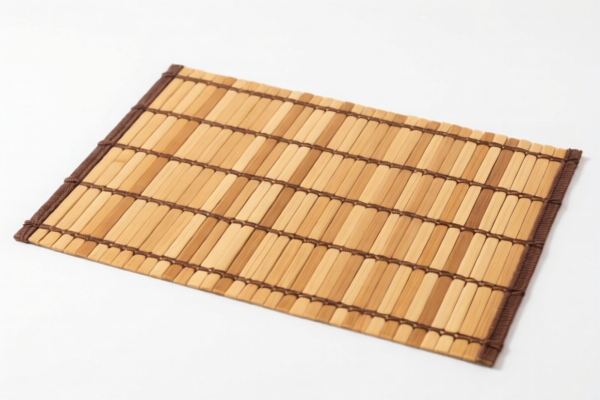
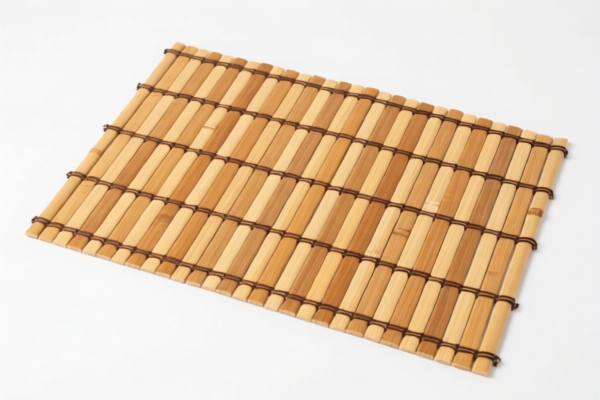
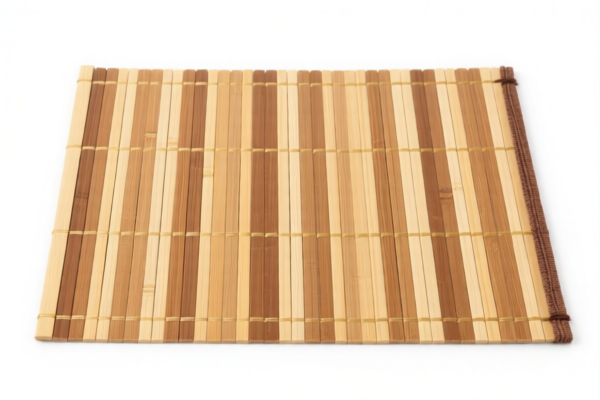
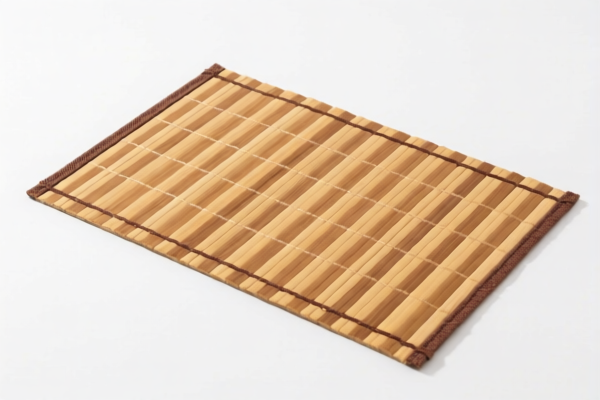
AI分析
🎋 Bamboo Door Mats (Woven Mats for Entryways)
🌐 HS Code Reference & Customs Clearance Guide | 2026 Latest Tariff Analysis | Professional Entry Strategy
📌 I. Product Definition and Classification: Do You Really Understand "Bamboo Door Mats"?
Bamboo door mats are essential entryway accessories designed to scrape dirt and moisture from footwear. In international trade, classification hinges on two main factors: Material Composition (Bamboo vs. Other Fibers) and Primary Function (Floor Covering vs. Woven Article).
Key Distinctions: - Floor Coverings (Carpet-like): If the mat is primarily viewed as a "carpet" or "rug" covering the floor, it may fall under Chapter 57. - Woven Bamboo Articles: If the product is a tight weave of bamboo strips, it is often classified as a woven article under Chapter 46. - Other Wood/Bamboo Products: If it doesn't fit the specific definitions of carpets or woven baskets/bags, it falls under the "Other" categories of Chapter 44.
⚠️ Critical Classification Point:
- If treated as a textile-like floor covering → Chapter 57
- If treated as a woven bamboo item → Chapter 46
- If treated as a general bamboo/wood artifact → Chapter 44
📦 II. HS Code Classification Details (2026 Latest Tariff Authority Comparison)
Based on the provided data, here are the five possible classifications for Bamboo Door Mats, ranging from textile-like to woven wood/bamboo products.
| HS Code | Product Description | Matching Logic / Summary | Total Tax Rate |
|---|---|---|---|
5705.00.20.90 |
Other Carpets & Floor Coverings (Textile Category) | Matches "Textile/Fiber Floor Covering" category. Shape fits "floor covering." Classified as Other due to lack of material conflict with standard textile rugs. | 38.3% |
4421.91.98.80 |
Other Articles of Bamboo (Wood/Bamboo Category) | Material is explicitly Bamboo (matches "bamboo"). Form is a "woven mat." Falls under "Other articles" of wood/bamboo products. No material conflict. | 38.3% |
4602.11.45.00 |
Woven Bamboo Baskets, Bags & Similar Articles | "Bamboo-woven" matches material limit. "Floor mat" is considered a shape application of woven products. Consistent with "Bamboo" and "Other" subheadings. | 41.6% |
4602.11.07.00 |
Woven Bamboo Articles (Specific Sub-category) | Material: Bamboo (Match). Form: Woven (Match). Use: Mat (Extension of basket/bag woven category). | 35.0% |
4421.99.98.80 |
Other Wooden/Bamboo Articles (General Other Category) | Material: Bamboo (Wood/Plant fiber class). Form: Mat (Artifact). Fits the "Other" catch-all category for wooden articles. | 38.3% |
🔍 Key Observation:
- The lowest tax rate (35.0%) is found under4602.11.07.00. - The highest tax rate (41.6%) is found under4602.11.45.00. - Most other options cluster at 38.3%. - Classification depends heavily on whether customs views the item as a woven article (Ch 46) or a floor covering/other artifact (Ch 57/44).
💰 III. 2026 Latest Tariff Rate Breakdown (Including Surtaxes & Policy Add-ons)
✅ Applicable Country: United States (US)
✅ Origin: China (CN)
✅ Effective Time: From November 10, 2025 (and subsequent imports)
🎯 1. 5705.00.20.90 – Textile Floor Covering (Other)
| Item | Content |
|---|---|
| Base Rate | 3.3% |
| USITC Surtax | +25.0% (Section 301) |
| IEEPA Surtax | +10.0% (122 Clause / China-specific) |
| Total Tax Rate | 38.3% |
| Tax Calculation | CIF Value × 38.3% |
| De Minimis Eligibility | ❌ No (High tariff rates typically deny de minimis benefits) |
| Legal Basis Path | IEEPA:9903.01.24 → USITC:5705.00.20.90 |
📌 Explanation:
- Although Chapter 57 is textile-based, the bamboo material triggers specific surtaxes for Chinese origin. - The 3.3% base rate is low, but the 25% + 10% surtaxes dominate the cost.
🎯 2. 4421.91.98.80 – Other Bamboo Articles
| Item | Content |
|---|---|
| Base Rate | 3.3% |
| USITC Surtax | +25.0% (Section 301) |
| IEEPA Surtax | +10.0% (122 Clause / China-specific) |
| Total Tax Rate | 38.3% |
| Tax Calculation | CIF Value × 38.3% |
| De Minimis Eligibility | ❌ No |
| Legal Basis Path | IEEPA:9903.01.24 → USITC:4421.91.98.80 |
📌 Note:
- Identical tax structure to the textile classification in this dataset. - Classification as "Bamboo Article" requires strong evidence that it is a finished woven product, not just a cut piece of bamboo flooring.
🎯 3. 4602.11.45.00 – Woven Bamboo Articles (Specific Sub-code)
| Item | Content |
|---|---|
| Base Rate | 6.6% |
| USITC Surtax | +25.0% (Section 301) |
| IEEPA Surtax | +10.0% (122 Clause / China-specific) |
| Total Tax Rate | 41.6% |
| Tax Calculation | CIF Value × 41.6% |
| De Minimis Eligibility | ❌ No |
| Legal Basis Path | IEEPA:9903.01.24 → USITC:4602.11.45.00 |
📌 Warning:
- This code has the highest base rate (6.6%) in the provided data, leading to the highest total tax. - Use only if the product is clearly defined as a "basket/bag/woven article" and not a floor mat.
🎯 4. 4602.11.07.00 – Woven Bamboo Articles (Lowest Tax Option)
| Item | Content |
|---|---|
| Base Rate | 0.0% |
| USITC Surtax | +25.0% (Section 301) |
| IEEPA Surtax | +10.0% (122 Clause / China-specific) |
| Total Tax Rate | 35.0% |
| Tax Calculation | CIF Value × 35.0% |
| De Minimis Eligibility | ❌ No |
| Legal Basis Path | IEEPA:9903.01.24 → USITC:4602.11.07.00 |
📌 Optimization Highlight:
- This is the most cost-effective classification in the provided data. - The base rate is 0%, which significantly reduces the total burden despite the 35% surtaxes. - Strategy: Argue that the mat is a "woven bamboo article" (Chapter 46) falling into this specific sub-category to leverage the 0% base rate.
🎯 5. 4421.99.98.80 – Other Wooden/Bamboo Articles (General Catch-all)
| Item | Content |
|---|---|
| Base Rate | 3.3% |
| USITC Surtax | +25.0% (Section 301) |
| IEEPA Surtax | +10.0% (122 Clause / China-specific) |
| Total Tax Rate | 38.3% |
| Tax Calculation | CIF Value × 38.3% |
| De Minimis Eligibility | ❌ No |
| Legal Basis Path | IEEPA:9903.01.24 → USITC:4421.99.98.80 |
📌 Note:
- Similar to4421.91..., but for "Other" items not specifically listed as "baskets/bags." - If customs rejects the "woven article" classification (Ch 46), this is the fallback for bamboo products.
🛠️ IV. Customs Clearance Practical Advice (Real-World Pitfall Guide)
✅ 1. Documentation Checklist (Non-negotiable)
| Document | Required? | Explanation |
|---|---|---|
| ✅ Product Specification Sheet | ✔️ | Must detail: Material (100% Bamboo?), Weave Type, Dimensions, Weight. |
| ✅ Product Photos | ✔️ | Clear images showing the woven structure, edges, and usage (on a floor). |
| ✅ Commercial Invoice | ✔️ | Describe as "Bamboo Woven Floor Mat" or "Entryway Mat." Avoid generic "Bamboo Product." |
| ✅ Origin Certificate | ✔️ | Crucial for proving Chinese origin (triggers 35-41% tax). |
| ✅ Material Test Report | ✔️ | Proves "Bamboo" and not "Woven Grass/Raffia" (which might have different tax rules). |
✅ 2. Declaration Tips (Key Mantras)
🔥 “Declare as Woven Bamboo to Save Base Rate, Avoid Textile Labels to Prevent Conflict!”
| Scenario | Correct Declaration | Wrong Practice |
|---|---|---|
| Goal: Lowest Tax (35%) | HS: 4602.11.07.00Desc: "Woven Bamboo Mat, for floor use" |
Describing it as "Carpet" → HS 5705... → 38.3% |
| Goal: Safe Fallback | HS: 4421.91.98.80Desc: "Bamboo Woven Artifact" |
Calling it "Plastic" or "Textile" → Misdeclaration Risk |
| Avoid: High Tax | Do NOT use 4602.11.45.00 unless forced. |
Using 4602.11.45.00 → 41.6% (Highest) |
| Avoid: Ambiguity | Be specific about "Woven" vs. "Laminated." | Vague "Bamboo Mat" → Customs Discretion → Delay |
✅ 3. Special Case Handling
| Situation | Handling Advice |
|---|---|
| Mixed Materials | If the mat has a rubber backing or fabric trim, the primary material (Bamboo) dictates classification. Disclose all components. |
| OEM Custom Mats | Provide design drawings showing the weave pattern. Helps prove it’s a "woven article" (Ch 46) rather than a "floor covering" (Ch 57). |
| Small Sample Imports | Even for de minimis shipments, if the value is high or quantity large, prepare for potential 35-41% tax assessment. |
| Re-imports/Returns | Ensure the original HS Code matches exactly. Different HS Codes = New Duty Assessment. |
🌍 V. Global Market Comparison (2026 Latest)
| Country/Region | Recommended HS Code | Tax Rate (China Origin) | Certification | Note |
|---|---|---|---|---|
| 🇺🇸 USA | 4602.11.07.00 |
35.0% | No special certs | Lowest tax in provided data. |
| 🇨🇳 China | 4602.11.07.00 |
Varies (Export) | None | Export tax rebate may apply. |
| 🇪🇺 EU | 4602.11.00.00 |
~5-6% | No surtax | Generally lower tariffs than US. |
| 🇬🇧 UK | 4602.11.00.00 |
~5-6% | No surtax | Post-Brexit, similar to EU. |
| 🇯🇵 Japan | 4602.11.00.00 |
~10-15% | No surtax | Higher base rate, no 301 surtax. |
📌 Conclusion:
- The US market is the most tax-sensitive due to Section 301 (25%) and IEEPA (10%) surtaxes. - Optimizing the HS Code from 44/57 to the specific4602.11.07.00can save 3.3% of the CIF value.
📌 VI. Common Errors & Pitfall Guide (Lessons Learned)
❌ Error 1: Classifying as 5705.00.20.90 (Textile Floor Covering)
👉 Consequence: Higher base rate (3.3% vs 0%) → Total 38.3% vs 35.0%. Wasted money.
❌ Error 2: Using 4602.11.45.00 without justification
👉 Consequence: Highest base rate (6.6%) → Total 41.6%. Unnecessary high cost.
❌ Error 3: Vague Description "Bamboo Mat"
👉 Consequence: Customs may classify as "Other" (4421.99.98.80) or demand higher scrutiny → Delays.
❌ Error 4: Ignoring Sur-2026 Rules
👉 Consequence: Failing to include IEEPA 10% in cost calculation → Profit Margins Eroded.
✅ Correct Practice:
"Woven Bamboo Entry Mat, 100% Natural Bamboo Strips, Hand-woven, for Indoor/Outdoor Use, Model BDM-01"
🎯 VII. Conclusion: Precise Classification Saves Money!
🎯 Remember the Mantra:
🔹 "Woven Bamboo = Ch 46, Specific Code = 0% Base, Total 35%!"
🔹 "Textile Code = 3.3% Base, Total 38.3% – Avoid if Possible!"
🔹 "Surtaxes are Fixed (35% Total), Base Rate is the Variable!"
📌 Pro Tip:
If you are importing to the US, consider applying for a Pre-Classification Ruling with CBP to lock in 4602.11.07.00. This provides legal certainty and avoids future audits.
📣 Immediate Action:
📞 Consult your customs broker with the Product Photos and Weave Details.
📝 Request classification under4602.11.07.00to minimize duty to 35.0%.
🚀 Secure your margins by choosing the right HS Code!
✨ Professional Customs Clearance Starts with Accurate Classification!
💼 Every Percent Saved is Pure Profit!
用户评价
关于 HS 编码归类
协调制度(HS)是由世界海关组织(WCO)制定的国际贸易商品分类标准。全球 200 多个国家采用 HS 系统作为海关关税、贸易统计和进出口监管的基础。
每个 HS 编码遵循以下层级结构:
- 章(2 位)——商品大类(例如:第 84 章:机器和机械设备)
- 品目(4 位)——章内的更具体分类
- 子目(6 位)——国际通用细分,所有 WCO 成员国统一使用
- 本国细分(8-10 位)——各国自行扩展的细分编码,如美国 HTSUS 10 位编码
正确的 HS 编码归类对于顺利通关、准确缴纳关税和遵守贸易法规至关重要。错误归类可能导致海关延误、多缴关税或罚款。
从CN进口到US时,适用的关税税率可能包括:
- 最惠国(MFN)税率——适用于 WTO 成员国的标准关税税率
- 普通税率——适用于无贸易协定国家
- 贸易救济关税——附加关税,如 301 条款(反倾销)、232 条款(国家安全)或反补贴税
本页内容仅供参考。如需正式归类,请咨询当地海关或持牌报关代理。