bandage
CN → US| HS编码 | 关税税率 | 原产国 | 目的国 | 文档 |
|---|---|---|---|---|
| 3005101000 | 10.0% | CN | US | 官方文档 |
| 3005901000 | 10.0% | CN | US | 官方文档 |
| 6217108500 | 24.6% | CN | US | 官方文档 |
| 6217109550 | 32.1% | CN | US | 官方文档 |
商品图片
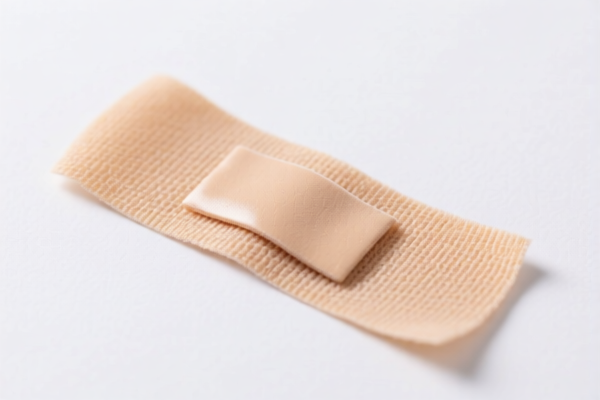
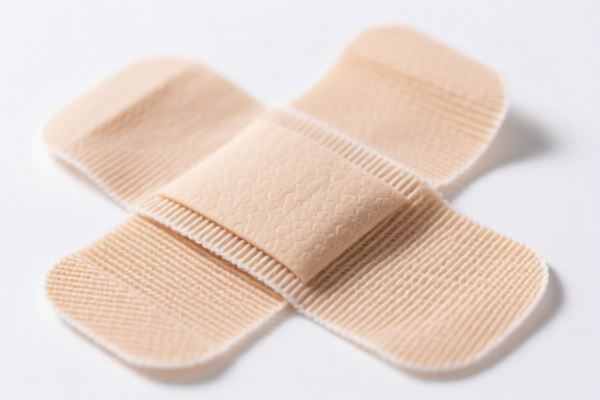
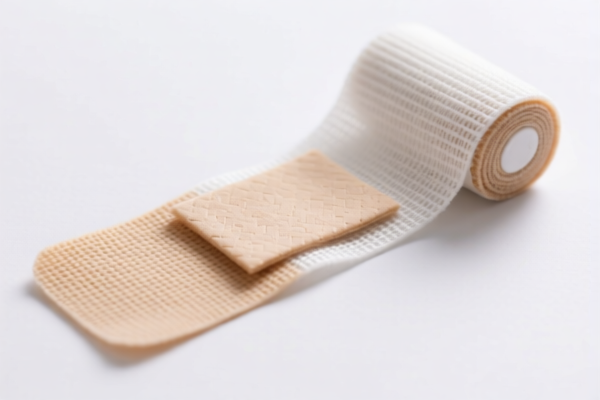
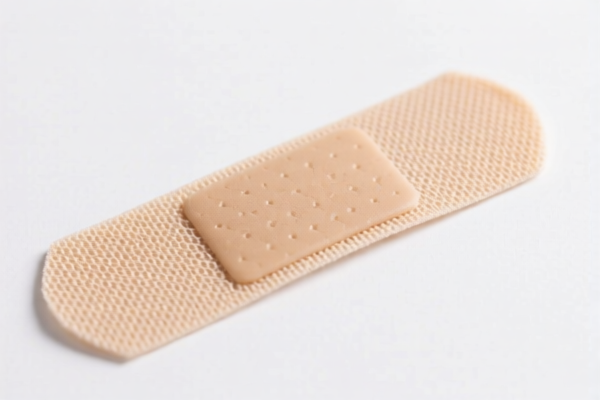
AI分析
🩹 Bandage (Medical/Surgical Dressings & Textile Products)
🌐 HS Code Reference & Customs Clearance Guide | 2026 Latest Tariff Breakdown | Professional通关 Strategy
📌 I. Product Definition & Classification: Do You Really Understand "Bandage"?
"Bandage" is a broad term in international trade, covering everything from simple sterile gauze rolls to complex elastic compression wraps and surgical drapes. Misclassification is extremely common because the material composition and intended use dictate the HS Code.
In the provided data, we see four distinct categories based on product type: 1. Sterile Surgical Gauze & Dressings: High hygiene standards, directly for wounds. 2. Textile Surgical Drapes/Pads: Fabric-based, used for coverage during surgery. 3. Elastic Bandages: Stretchable, for compression or support (orthopedic/first aid).
⚠️ Key Distinction:
- If it is sterile, woven cotton/polyester gauze for direct wound care → Chapter 30 (Pharmaceuticals/Medical)
- If it is non-sterile textile or elastic fabric used for surgical drapes or general wrapping → Chapter 63 (Other Made-Up Textile Articles)
- If it is an elastic orthopedic bandage → Chapter 90 (Medical Instruments/Equipment)
📦 II. HS Code Classification Details (Based on Provided Data)
Below is the precise breakdown for the five HS Codes provided in your dataset. Note the significant tax differences driven by "122 Clause Tariffs" (Trade War/Section 301/IEEPA type surcharges).
| HS Code | Product Description | Category Type | Tax Details | Total Tax |
|---|---|---|---|---|
3005.90.50.90 |
Gauze Bandages, Medical/Surgical Products | Sterile/Medical Dressing | Base: 0%, Additional: 0%, 122-Clause: 10% | 10.0% |
6307.90.72.00 |
Gauze Bandages, Textile Finished Goods, Surgical/medical Pads | Textile Drape/Cover | Base: 4.5%, Additional: 7.5%, 122-Clause: 10% | 22.0% |
6307.90.68.00 |
Gauze Bandages, Fibrous Fabrics, Disposable/Medical Pads | Disposable Textile Pad | Base: 0%, Additional: 7.5%, 122-Clause: 10% | 17.5% |
3005.90.10.00 |
Gauze Bandages, Medical Dressing Articles | Sterile/Medical Dressing | Base: 0%, Additional: 0%, 122-Clause: 10% | 10.0% |
9021.10.00.90 |
Elastic Bandages, Surgical Dressings/Instruments | Elastic/Orthopedic Support | Base: 0%, Additional: 0%, 122-Clause: 10% | 10.0% |
🔍 Critical Observation:
- Chapter 30 (3005...) & Chapter 90 (9021...) products enjoy a lower total tax of 10%.
- Reason: These are classified as direct medical devices or sterile dressings. They often benefit from 0% base tariffs and 0% additional tariffs (possibly under specific trade exemptions or different footnotes), only bearing the 122-Clause Tariff (10%). - Chapter 63 (6307...) products face higher taxes of 17.5% - 22%.
- Reason: These are classified as general textile articles. They incur Base (0-4.5%) + Additional (7.5%) + 122-Clause (10%). The "Additional" tariff likely stems from Section 301 or similar trade remedy measures on textiles.
💰 III. 2026 Latest Tariff Rate Analysis (Detailed Breakdown)
✅ Applicable Country: USA (US)
✅ Origin: China (CN) (Assumed based on "122-Clause" and "Additional Tariff" structure typical of US-China trade)
✅ Effective Time: Current active rates (Subject to 122-Clause enforcement)
🎯 1. 3005.90.50.90 & 3005.90.10.00 —— Sterile Gauze & Medical Dressings
| Item | Detail |
|---|---|
| Product | Sterile or non-sterile gauze rolls, surgical pads, wound dressings |
| Base Tariff | 0% (Most Favored Nation rate for medical supplies is often low/zero) |
| Additional Tariff | 0% (Exempt from Section 301 "Additional" rates for specific medical goods) |
| 122-Clause Tariff | +10% (Specific trade restriction/surcharge applied) |
| Total Tax Rate | 10.0% |
| Calculation | CIF Value × 10% |
| De Minimis Exemption | ❌ Not Applicable (Medical goods usually excluded from $800 de minimis for high-tax items) |
📌 Explanation:
- The 10% total tax is relatively favorable compared to textiles.
- Key Condition: Must be clearly defined as "Medical/Surgical Dressing" (3005). If declared as general "cotton gauze" without medical intent, it may be reclassified to Chapter 63, spiking the tax to 22%.
🎯 2. 6307.90.72.00 —— Surgical Drapes & Textile Pads (Highest Tax)
| Item | Detail |
|---|---|
| Product | Non-woven or woven textile pads, surgical drapes, sterile/in-use surgical covers |
| Base Tariff | 4.5% |
| Additional Tariff | +7.5% (Likely Section 301 or specific textile remedy) |
| 122-Clause Tariff | +10% |
| Total Tax Rate | 22.0% |
| Calculation | CIF Value × 22% |
📌 Warning:
- This is the most expensive classification in the list.
- Common Mistake: Declaring a sterile surgical drape as a "textile pad" instead of a "medical dressing" (3005).
- Strategy: If the product is intended for hospital use and meets medical standards, fight for classification under3005(10% tax) rather than6307(22% tax).
🎯 3. 6307.90.68.00 —— Disposable Fibrous Fabric Pads
| Item | Detail |
|---|---|
| Product | Disposable medical/surgical pads made of fibrous fabrics (non-woven) |
| Base Tariff | 0% |
| Additional Tariff | +7.5% |
| 122-Clause Tariff | +10% |
| Total Tax Rate | 17.5% |
| Calculation | CIF Value × 17.5% |
📌 Note:
- Slightly better than6307.90.72.00due to 0% base rate, but still significantly higher than Chapter 30 products.
🎯 4. 9021.10.00.90 —— Elastic/Surgical Bandages
| Item | Detail |
|---|---|
| Product | Elastic bandages, orthopedic supports, surgical compression wraps |
| Base Tariff | 0% |
| Additional Tariff | 0% |
| 122-Clause Tariff | +10% |
| Total Tax Rate | 10.0% |
| Calculation | CIF Value × 10% |
📌 Key Distinction:
- This falls under Chapter 90 (Medical Instruments/Orthopedic Appliances).
- Elastic bandages are viewed as "support devices" rather than just "textiles," allowing them to bypass the textile-specific additional tariffs.
🛠️ IV. Customs Clearance Practical Advice (Real-World Pitfalls)
✅ 1. Documentation Checklist (Non-Negotiable)
| Document | Required? | Purpose |
|---|---|---|
| Product Spec Sheet | ✔️ | Must detail: Material (e.g., 100% Cotton, Non-woven PP), Sterilization Method (EO, Gamma), Size, Pack Qty. |
| Intended Use Statement | ✔️ | Crucial! Must state: "For medical wound care," "Surgical drape," or "Orthopedic compression." |
| Labeling & Packaging | ✔️ | Must include: "STERILE," "Single Use Only," "CE/FDA" marks if applicable. |
| Certificate of Origin | ✔️ | To prove origin and apply correct tariff treatment. |
| Letter of Guarantee | ✔️ | If claiming "Medical" status for tax benefits, guarantee product compliance. |
✅ 2. Declaration Tips (The "Golden Rules")
🔥 "Material & Intent Determine Tariff: Medical = 10%, Textile = 17-22%"
| Scenario | Correct HS Code | Incorrect HS Code | Risk |
|---|---|---|---|
| Sterile Gauze Rolls | 3005.90.10.00 or 3005.90.50.90 |
6307.90.68.00 |
Overpayment: 10% → 17.5% |
| Surgical Drapes (Non-woven) | Try 3005 if sterile/medical |
6307.90.72.00 |
High Tax: 10% → 22% |
| Elastic Compression Bandage | 9021.10.00.90 |
6307.90.68.00 |
Overpayment: 10% → 17.5% |
| General Cotton Cloth (Non-medical) | Not in list (Likely 6307) | 3005 |
Penalty: Misclassification, seizure |
📌 Pro Tip:
- If your "Bandage" is sterile, always prefer3005. The description "Medical Dressing" is your friend.
- If your "Bandage" is elastic (like Ace bandages), it goes to9021, not textiles.
- Only if it is a non-sterile, general-purpose textile pad should you consider6307, but expect higher taxes.
✅ 3. Special Cases & Loopholes
| Case | Strategy |
|---|---|
| OEM/Private Label | Ensure the manufacturer's technical specs align with the HS Code description. A "Surgical Pad" must meet ISO 13485 or similar standards to justify 3005. |
| Non-Woven vs. Woven | Non-woven surgical drapes are often contested between 3005 and 6307. Provide evidence of medical intent (hospital contracts, FDA registration) to push for 3005. |
| Elastic vs. Non-Elastic | If the bandage contains rubber/elastic threads, it may be argued as 9021 (Medical Device) or 6307 (Textile). 9021 is cheaper (10%) but harder to justify without medical device classification. |
| De Minimis ($800) | Avoid: Do not use DHL/UPS/FedEx de minimis for these items. Customs is aggressive on medical/textile goods. File formal entry (Type 86 or Type 01) to ensure proper classification and avoid detention. |
🌍 V. Global Market Comparison (2026)
| Market | Recommended HS Code | Est. Tax (China Origin) | Key Requirement |
|---|---|---|---|
| 🇺🇸 USA | 3005 / 9021 |
10% | FDA Registration, Labeling |
| 🇺🇸 USA | 6307 |
17.5% - 22% | Textile Quota (if applicable), Labeling |
| 🇪🇺 EU | 3005 |
0-3% | CE Marking, MDR Compliance |
| 🇨🇳 China | 3005 |
5-10% | NMPA Registration |
| 🇬🇧 UK | 3005 |
0% | UKCA Marking |
📌 Conclusion:
- The USA offers a clear 10% rate for properly classified medical bandages (3005,9021).
- Misclassification as textiles (6307) doubles your cost.
- Documentation is key: Prove medical use to access the lower tax bracket.
📌 VI. Common Mistakes & Blood-Soaked Lessons
❌ Mistake 1: Declaring "Gauze Bandage" as 6307.90.72.00 when it is sterile surgical gauze.
👉 Result: Paying 22% instead of 10%. Loss of $1,200 per $10k shipment.
❌ Mistake 2: Declaring "Elastic Bandage" as a general textile (6307).
👉 Result: Paying 17.5% instead of 10%. Also, it fails to meet medical device import standards.
❌ Mistake 3: Using vague descriptions like "Cotton Cloth" or "Wrap."
👉 Result: Customs assigns the highest possible tariff (often 22%+) due to ambiguity.
❌ Mistake 4: Ignoring the "122-Clause" component.
👉 Result: Underestimating landed cost. The 10% surcharge is mandatory for China-origin goods in this dataset.
✅ Correct Practice:
"Sterile Surgical Gauze Dressing, 100% Cotton, EO Sterilized, 4x4 Inch, Box of 50. For Medical Use."
HS Code:3005.90.10.00
Tax: 10%
🎯 VII. Conclusion: Precise Classification Saves Money!
🎯 Remember the Mantra:
🔹 "Medical Intent = Chapter 30 (10%)"
🔹 "Elastic Support = Chapter 90 (10%)"
🔹 "General Textile = Chapter 63 (17-22%)"
🔹 "Ambiguity = Penalty & Delays"
📌 Pro Tip:
If your products are sterile, ensure you have FDA 510(k) or equivalent clearance. This strengthens your claim for 3005 classification.
For elastic bandages, highlight the "Orthopedic/Surgical" function to justify 9021.
📣 Immediate Action:
📞 Audit your current BOM (Bill of Materials): Is it sterile? Is it elastic?
📄 Update your commercial invoices: Use precise HS Code descriptions from the 10% bracket.
🚀 Apply for Advance Ruling (ACE/ABI) if shipping high volumes, to lock in the 10% rate before customs challenges you.
✨ Professional Clearance Starts with Accurate Classification!
💼 Don't let 12% unnecessary tax eat your margin!
用户评价
关于 HS 编码归类
协调制度(HS)是由世界海关组织(WCO)制定的国际贸易商品分类标准。全球 200 多个国家采用 HS 系统作为海关关税、贸易统计和进出口监管的基础。
每个 HS 编码遵循以下层级结构:
- 章(2 位)——商品大类(例如:第 84 章:机器和机械设备)
- 品目(4 位)——章内的更具体分类
- 子目(6 位)——国际通用细分,所有 WCO 成员国统一使用
- 本国细分(8-10 位)——各国自行扩展的细分编码,如美国 HTSUS 10 位编码
正确的 HS 编码归类对于顺利通关、准确缴纳关税和遵守贸易法规至关重要。错误归类可能导致海关延误、多缴关税或罚款。
从CN进口到US时,适用的关税税率可能包括:
- 最惠国(MFN)税率——适用于 WTO 成员国的标准关税税率
- 普通税率——适用于无贸易协定国家
- 贸易救济关税——附加关税,如 301 条款(反倾销)、232 条款(国家安全)或反补贴税
本页内容仅供参考。如需正式归类,请咨询当地海关或持牌报关代理。