bath mat
CN → US| HS编码 | 关税税率 | 原产国 | 目的国 | 文档 |
|---|---|---|---|---|
| 4016910000 | 37.7% | CN | US | 官方文档 |
| 3921135000 | 39.2% | CN | US | 官方文档 |
| 4016100000 | 35.0% | CN | US | 官方文档 |
| 6304920000 | 23.8% | CN | US | 官方文档 |
| 6304910120 | 23.3% | CN | US | 官方文档 |
商品图片
AI分析
🛁 Bath Mats (Bathroom Rugs & Runners)
🌐 HS Code Reference & Customs Clearance Guide | 2026 Latest Tariff Analysis | Professional Classification Strategy
📌 I. Product Definition & Classification: Do You Really Know a "Bath Mat"?
A Bath Mat is a ubiquitous household item designed for safety and comfort in wet areas like bathrooms, showers, and kitchens. In international trade, its classification is highly sensitive to material composition. A generic name like "Bath Mat" can lead to vastly different tariff outcomes depending on whether it is made of rubber, plastic, or textile.
There are two primary classification paths:
1. Rubber/Plastic Mats (Non-Textile):
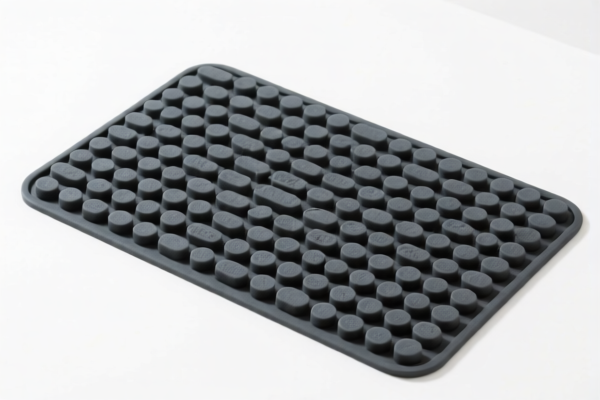
These are typically molded or extruded mats designed for high water resistance and slip resistance. They fall under Chapters 39 (Plastics) or 40 (Rubber).
2. Textile Mats (Knitted/Non-Knitted):
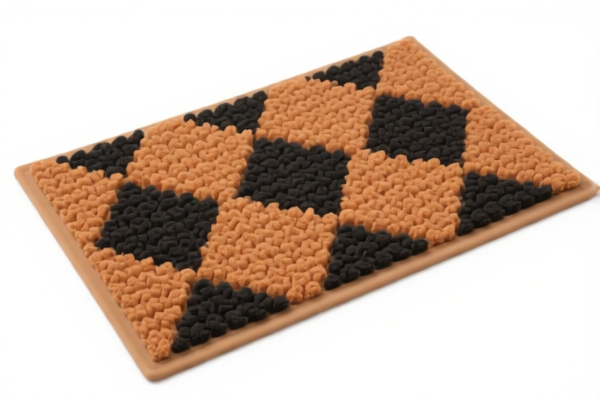
These are soft, absorbent mats made from cotton, polyester, or other fibers. They fall under Chapter 63 (Other Made Up Textile Articles).
⚠️ Critical Distinction Point:
- If the mat is sponge-like, rubbery, or hard plastic → It belongs in Chapter 39 or 40.
- If the mat is fabrics, woven, knitted, or tufted cloth → It belongs in Chapter 63.
- Misclassification risk: Declaring a cotton mat as rubber (or vice versa) triggers severe penalties for undervaluation or prohibited materials.
📦 II. HS Code Classification Details (2026 Latest Tariff Authority对照)
Based on the specific characteristics and common market assumptions, here are the five most likely HS Codes for "Bath Mats":
| HS Code | Product Description | Material Assumption | Classification Logic |
|---|---|---|---|
4016.91.00.00 |
Other articles of vulcanized rubber other than hard rubber: Floor coverings and mats | Vulcanized Rubber | Matches common "rubber bath mats" used for slip resistance. Fits "Floor coverings and mats" attribute. |
3921.13.50.00 |
Other plates, sheets, film, foil and strip, of polymers of ethylene: Other | Polyurethane (PU) / Plastic | Infers material as PU or similar plastic sheet/panel shape. Common for waterproof, non-absorbent mats. |
4016.10.00.00 |
Other articles of vulcanized rubber other than hard rubber: Rubber flooring | Vulcanized Rubber | General category for rubber articles. Less specific than 4016.91 but fits general rubber bath mats. |
6304.92.00.00 |
Other furnishing articles: Of cotton: Other | Cotton (Non-Knitted) | Matches "Furnishing articles." Infers common cotton material. Fits "Other furnishing articles" logic. |
6304.91.01.20 |
Other furnishing articles: Of cotton, knitted or crocheted: Other | Cotton (Knitted) | Matches form and use (indoor decoration/furnishing). Infers knitted cotton material, common for soft, absorbent mats. |
🔍 Key Insight:
- Rubber/Plastic Codes (39xx/40xx): Generally attract higher tariffs due to Section 301 and IEEPA measures. - Textile Codes (63xx): Generally have lower base tariffs and fewer additional surcharges, but still subject to US duties.
💰 III. 2026 Latest Tariff Rate Breakdown (Including Surcharges & Policy Add-ons)
✅ Applicable Country: United States (US)
✅ Country of Origin: China (CN)
✅ Effective Date: November 10, 2025 (and subsequent imports)
🎯 1. 4016.91.00.00 – Other Vulcanized Rubber Articles (Mats)
| Item | Content |
|---|---|
| Base Duty Rate | 2.7% (ad valorem) |
| Section 301 Surcharge | +25.0% |
| IEEPA Surcharge (Section 122) | +10.0% |
| Total Effective Rate | 37.7% |
| Tax Calculation | CIF Value × 37.7% |
| De Minimis Exemption | ❌ Not Eligible (High tariff prevents de minimis benefit for most shipments) |
| Legal Basis Path | USITC:4016.91.00.00 → Section 301: Footnote 9903.88.01 → IEEPA:9903.01.25 |
📌 Explanation:
- Rubber bath mats are heavily impacted by trade tensions. The 37.7% total rate significantly erodes profit margins. - The 25% Section 301 duty is applied on top of the base rate.
🎯 2. 3921.13.50.00 – Other Polymer Sheets (PU/Plastic Mats)
| Item | Content |
|---|---|
| Base Duty Rate | 4.2% (ad valorem) |
| Section 301 Surcharge | +25.0% |
| IEEPA Surcharge (Section 122) | +10.0% |
| Total Effective Rate | 39.2% |
| Tax Calculation | CIF Value × 39.2% |
| De Minimis Exemption | ❌ Not Eligible |
| Legal Basis Path | USITC:3921.13.50.00 → Section 301 → IEEPA |
📌 Note:
- This is the highest tariff bracket among the options. - Even if the material is "Plastic," it is taxed similarly to rubber due to the broad scope of Section 301. - Common for "egg-crate" foam mats or hard plastic shower liners.
🎯 3. 4016.10.00.00 – Other Vulcanized Rubber Articles (General)
| Item | Content |
|---|---|
| Base Duty Rate | 0.0% (ad valorem) |
| Section 301 Surcharge | +25.0% |
| IEEPA Surcharge (Section 122) | +10.0% |
| Total Effective Rate | 35.0% |
| Tax Calculation | CIF Value × 35.0% |
| De Minimis Exemption | ❌ Not Eligible |
| Legal Basis Path | USITC:4016.10.00.00 → Section 301 → IEEPA |
📌 Analysis:
- While the base rate is 0%, the 35% total surcharge remains very high. - This code is less specific than4016.91but may be used if the mat doesn't strictly fit "floor coverings" but is still rubber.
🎯 4. 6304.92.00.00 – Other Furnishing Articles (Non-Knitted Cotton)
| Item | Content |
|---|---|
| Base Duty Rate | 6.3% (ad valorem) |
| Section 301 Surcharge | +7.5% (Note: Lower Section 301 rate for some textiles) |
| IEEPA Surcharge (Section 122) | +10.0% |
| Total Effective Rate | 23.8% |
| Tax Calculation | CIF Value × 23.8% |
| De Minimis Exemption | ❌ Not Eligible (Unless under specific threshold, but high rate usually negates benefit) |
| Legal Basis Path | USITC:6304.92.00.00 → Section 301 → IEEPA |
📌 Key Advantage:
- This is the lowest tariff option among the rubber/plastic categories. - Suitable for woven cotton or felt bath mats (non-knitted). - Check if your specific cotton mat fits "knitted" (6304.91) for potentially lower rates.
🎯 5. 6304.91.01.20 – Other Furnishing Articles (Knitted Cotton)
| Item | Content |
|---|---|
| Base Duty Rate | 5.8% (ad valorem) |
| Section 301 Surcharge | +7.5% |
| IEEPA Surcharge (Section 122) | +10.0% |
| Total Effective Rate | 23.3% |
| Tax Calculation | CIF Value × 23.3% |
| De Minimis Exemption | ❌ Not Eligible |
| Legal Basis Path | USITC:6304.91.01.20 → Section 301 → IEEPA |
📌 Optimal Strategy:
- This is the most cost-effective classification for standard soft bath mats. - Applies to knitted or crocheted cotton mats (e.g., terry cloth, loop pile). - Recommendation: If your product is fabric-based, ensure it is described as "Knitted Cotton" to qualify for this lower tier.
🛠️ IV. Customs Clearance Practical Advice (Real-World Pitfall Guide)
✅ 1. Preparation Checklist (Missing items will cause delays)
| Document | Mandatory? | Description |
|---|---|---|
| ✅ Product Spec Sheet | ✔️ | Must specify Material Composition (e.g., "100% Cotton" vs. "SBR Rubber"). |
| ✅ Product Photos | ✔️ | Clear images showing texture, thickness, and backing. Distinguish between rubber grip and fabric top. |
| ✅ Commercial Invoice | ✔️ | Must accurately describe the item. Avoid generic terms like "Mat." Use "Cotton Bath Mat" or "Rubber Shower Mat." |
| ✅ Packaging List | ✔️ | Weight and dimensions per carton. |
| ✅ Origin Certificate | ✔️ | Crucial for verifying CN origin to apply correct Section 301/IEEPA rates. |
✅ 2. Declaration Strategy (Key Mantra)
🔥 "Material is King, Structure is Queen, Name must match!"
| Scenario | Correct Declaration | Incorrect Practice | Result |
|---|---|---|---|
| Soft, Absorbent Mat | "Knitted Cotton Bath Mat" → 6304.91.01.20 |
"Rubber Mat" | Overpaying 15%+ taxes |
| Waterproof, Grip Mat | "Vulcanized Rubber Bath Mat" → 4016.91.00.00 |
"Cotton Mat" | Smuggling/Prohibited Goods Alert |
| Foam/Egg-Crate Mat | "Polyurethane Foam Mat" → 3921.13.50.00 |
"Plastic Sheet" | Misclassification Fine |
| Mixed Material | Describe dominant material clearly | Vague "Multi-material" | Customs Hold for Inspection |
✅ 3. Special Handling Tips
| Situation | Handling Advice |
|---|---|
| Microfiber Mats | Often classified as Textiles (6304) if knitted. Ensure "Microfiber" is identified as synthetic textile, not plastic sheeting. |
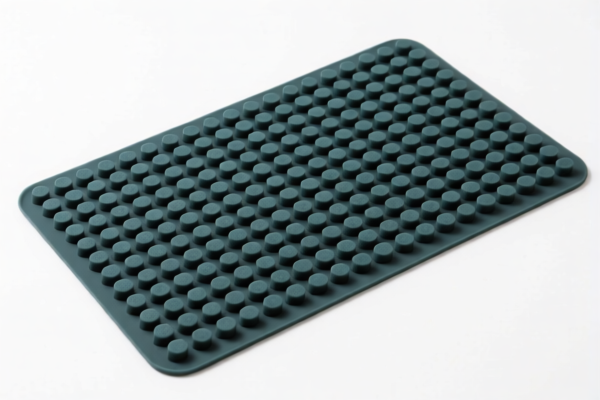
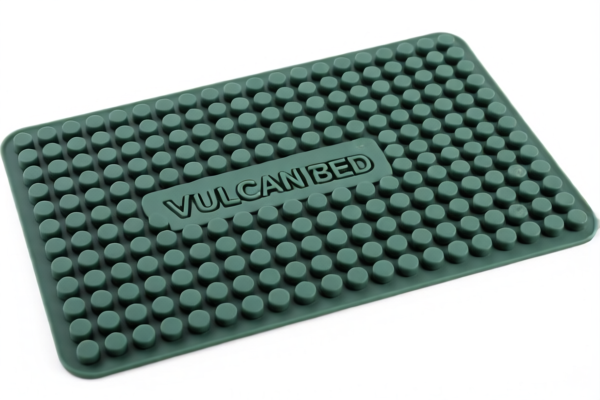
| Mushroom-Shaped Rubber Mats | Definitely 4016. Do not try to classify as furniture. |
| Importing under De Minimis ( <$800) | ⚠️ Warning: With tariffs exceeding 23%, de minimis is often not financially viable unless you can prove the total duty + processing cost is lower than full entry. Check latest CBP rulings on Section 301 applicability to de minimis. |
| Labeling | Ensure care labels specify material content (e.g., "100% Cotton") to support your HS Code choice during audit. |
🌍 V. Global Market Customs Comparison (2026 Latest)
| Country/Region | Recommended HS Code | Tariff (China Origin) | Certification | Notes |
|---|---|---|---|---|
| 🇺🇸 USA | 6304.91.01.20 (Textile) |
23.3% (Lowest) | None usually | Highest cost for Rubber/Plastic variants. |
| 🇺🇸 USA | 4016.91.00.00 (Rubber) |
37.7% (High) | None usually | Avoid if possible due to high cost. |
| 🇨🇳 China | 6304.92.00.00 |
6.3% + VAT | None | Lower import duties for domestic trade. |
| 🇪🇺 EU | 6304.91 / 6304.92 |
~4.3% | CE (if electronic parts) | No Section 301 equivalent, but anti-dumping may apply to rubber. |
| 🇬🇧 UK | 6304.91 |
~4.3% | UKCA | Post-Brexit tariffs similar to EU. |
📌 Conclusion:
- The US market is the most expensive for bath mats due to Section 301 and IEEPA surcharges. - Textile (Cotton) mats are significantly cheaper to import into the US than Rubber or Plastic mats. - Strategy: If you sell soft mats, classify as Knitted Cotton. If you sell rubber mats, factor in 37.7% total cost.
📌 VI. Common Errors & Pitfall Guide (Blood & Tears Lessons)
❌ Error 1: Declaring a Cotton Mat as "Rubber Mat"
👉 Consequence: You pay 37.7% instead of 23.3%. Loss: 14.4% profit margin.
❌ Error 2: Declaring a Rubber Mat as "Cotton Mat"
👉 Consequence: Customs inspection reveals mismatched material. Goods detained, fines, potential seizure.
❌ Error 3: Ignoring the "Knitted" vs. "Woven" distinction
👉 Consequence: Misclassification leads to delays while customs determines the correct subheading.
❌ Error 4: Using vague descriptions like "Bathroom Accessory"
👉 Consequence: Customs may assign a higher default duty rate or hold the shipment for detailed inspection.
✅ Correct Approach:
"100% Cotton, Knitted Bath Mat, Terry Cloth, 17x24 inch, Anti-Slip Backing" →
6304.91.01.20
"SBR Rubber, Mushroom-Shaped, Non-Slip Shower Mat" →4016.91.00.00
🎯 VII. Conclusion: Professional Classification Saves Money!
🎯 Remember the Mantra:
🔹 "Textile 23%, Rubber 37%, Plastic 39%. Choose Wisely!"
🔹 "Cotton is King in the US. Rubber is Costly."
🔹 "Always declare Material. Always declare Structure."
📌 Pro Tip:
If your bath mats are originally from Vietnam, India, or Bangladesh, you may qualify for lower or zero Section 301 duties (depending on specific FTAs or country-specific exemptions).
Action: Verify country of origin and apply for Advance Rulings if shipping large volumes to the US.
📣 Immediate Action:
📞 Consult a licensed customs broker.
📸 Provide product photos and material composition reports.
🚀 Optimize your HS Code to maximize profit margins!
✨ Professional Customs Clearance Starts with Accurate Classification!
💼 Every percentage point of duty saved is pure profit!
用户评价
关于 HS 编码归类
协调制度(HS)是由世界海关组织(WCO)制定的国际贸易商品分类标准。全球 200 多个国家采用 HS 系统作为海关关税、贸易统计和进出口监管的基础。
每个 HS 编码遵循以下层级结构:
- 章(2 位)——商品大类(例如:第 84 章:机器和机械设备)
- 品目(4 位)——章内的更具体分类
- 子目(6 位)——国际通用细分,所有 WCO 成员国统一使用
- 本国细分(8-10 位)——各国自行扩展的细分编码,如美国 HTSUS 10 位编码
正确的 HS 编码归类对于顺利通关、准确缴纳关税和遵守贸易法规至关重要。错误归类可能导致海关延误、多缴关税或罚款。
从CN进口到US时,适用的关税税率可能包括:
- 最惠国(MFN)税率——适用于 WTO 成员国的标准关税税率
- 普通税率——适用于无贸易协定国家
- 贸易救济关税——附加关税,如 301 条款(反倾销)、232 条款(国家安全)或反补贴税
本页内容仅供参考。如需正式归类,请咨询当地海关或持牌报关代理。