bathtub mat
CN → US| HS编码 | 关税税率 | 原产国 | 目的国 | 文档 |
|---|---|---|---|---|
| 4016910000 | 37.7% | CN | US | 官方文档 |
| 3921135000 | 39.2% | CN | US | 官方文档 |
| 4016100000 | 35.0% | CN | US | 官方文档 |
| 6304920000 | 23.8% | CN | US | 官方文档 |
| 6304910120 | 23.3% | CN | US | 官方文档 |
商品图片
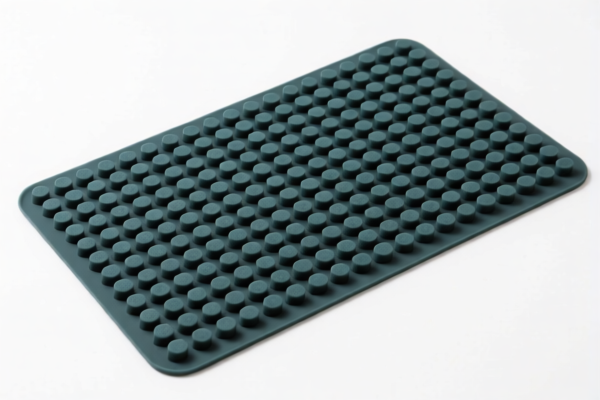
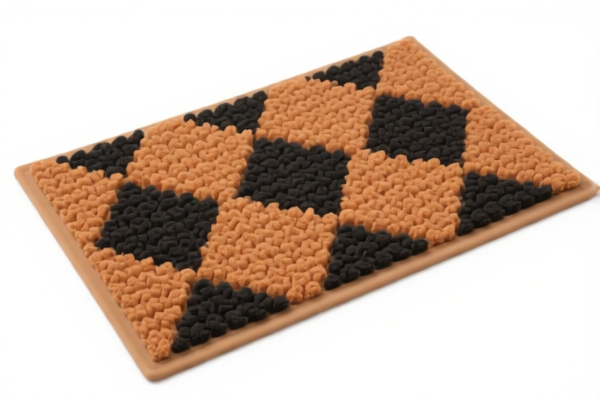
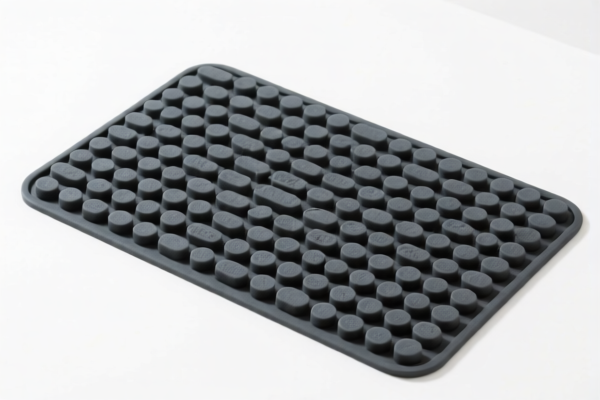
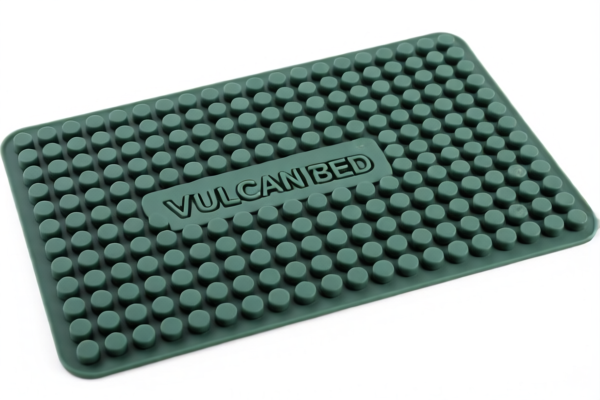
AI分析
🚿 Bathtub Mats: HS Code Classification & Duty Analysis (2026)
🌐 Global Trade Guide | Tax Strategy for Bathroom Accessories
📌 Product Definition: What is a "Bathtub Mat"?
A Bathtub Mat is a non-slip floor covering designed for use in wet environments like bathrooms, showers, and near bathtubs. Its primary function is safety (anti-slip) and comfort.
In international trade, the classification hinges entirely on material composition and physical structure: * Rubber/Silicone Mats: Classified under Chapter 40. * Plastic/PVC Mats: Classified under Chapter 39. * Textile Mats (Cotton/Wool): Classified under Chapter 63.
⚠️ Critical Distinction:
- If the mat is primarily rubber and serves as an anti-slip surface → Chapter 40.
- If the mat is plastic (e.g., PVC/PU sheets) → Chapter 39.
- If the mat is textile (knitted or non-knitted fabric) → Chapter 63.
📦 HS Code Classification & Tax Breakdown (2026)
Below are the five most likely HS Codes for Bathtub Mats, based on the provided data. Each entry includes the classification logic, detailed tax structure, and applicable duties for shipments from China to the US.
1️⃣ HS Code: 4016.91.00.00
Description: Other articles of vulcanized rubber other than hard rubber, Carpeting and Floor Coverings.
| Item | Detail |
|---|---|
| Classification Logic | The item is identified as a "Bathtub Mat." Based on common industry standards, these are often made of vulcanized rubber or similar anti-slip rubber materials. This code specifically covers rubber floor coverings/mats. |
| Total Tax Rate | 37.7% |
| Tax Breakdown | - Base Duty: 2.7% - Section 301 Duty: 25.0% - IEEPA 122-Clause Duty: 10.0% |
| Legal Path | USITC 4016.91.00.00 → Footnote 9903.88.01 |
💡 Why this code?
Use this if your mat is made of solid rubber, EVA rubber, or silicone. It is the most common classification for heavy-duty, non-slip bathroom mats.
2️⃣ HS Code: 3921.13.50.00
Description: Other plates, sheets, film, foil and strip, of polyurethane, other.
| Item | Detail |
|---|---|
| Classification Logic | Bathtub mats are frequently manufactured from Polyurethane (PU) or rigid plastic sheets. This code fits mats that are essentially shaped plastic/PU sheets/plates used for domestic purposes. |
| Total Tax Rate | 39.2% |
| Tax Breakdown | - Base Duty: 4.2% - Section 301 Duty: 25.0% - IEEPA 122-Clause Duty: 10.0% |
| Legal Path | USITC 3921.13.50.00 → Footnote 9903.88.01 |
💡 Why this code?
Use this if your mat is a single-piece PU or PVC sheet without textile backing. It is common for transparent or semi-transparent plastic bath mats.
3️⃣ HS Code: 4016.10.00.00
Description: Other articles of vulcanized rubber other than hard rubber, Spongerubber.
| Item | Detail |
|---|---|
| Classification Logic | This code applies if the rubber mat is made of spongerubber (porous, flexible rubber). Many lightweight, foam-like rubber bath mats fall under this category. |
| Total Tax Rate | 35.0% |
| Tax Breakdown | - Base Duty: 0.0% - Section 301 Duty: 25.0% - IEEPA 122-Clause Duty: 10.0% |
| Legal Path | USITC 4016.10.00.00 → Footnote 9903.88.01 |
💡 Why this code?
Use this for soft, porous rubber mats that offer cushioning. It has the lowest base duty (0%) among rubber categories.
4️⃣ HS Code: 6304.92.00.00
Description: Other furnishing articles, Of cotton, other.
| Item | Detail |
|---|---|
| Classification Logic | If the mat is made of 100% Cotton (e.g., a terry cloth bath mat), it is classified as a furnishing article. This code covers non-knitted cotton household textiles. |
| Total Tax Rate | 23.8% |
| Tax Breakdown | - Base Duty: 6.3% - Section 301 Duty: 7.5% - IEEPA 122-Clause Duty: 10.0% |
| Legal Path | USITC 6304.92.00.00 → Footnote 9903.88.01 |
💡 Why this code?
Use this for fabric-based mats (terry cloth, cotton loops) that are not knitted. Note: The Section 301 duty is lower here (7.5%) compared to rubber/plastic (25%).
5️⃣ HS Code: 6304.91.01.20
Description: Other furnishing articles, Of cotton, knitted or crocheted, other.
| Item | Detail |
|---|---|
| Classification Logic | Similar to 6304.92, but specifically for knitted or crocheted cotton mats. Many soft, absorbent bath mats are knitted. |
| Total Tax Rate | 23.3% |
| Tax Breakdown | - Base Duty: 5.8% - Section 301 Duty: 7.5% - IEEPA 122-Clause Duty: 10.0% |
| Legal Path | USITC 6304.91.01.20 → Footnote 9903.88.01 |
💡 Why this code?
Use this for soft, knitted cotton bath mats. It offers the lowest total tax rate (23.3%) among all options provided, making it highly tax-efficient if the material allows.
💰 Tax Rate Comparison Summary
| HS Code | Material Type | Base Duty | Sec 301 | IEEPA 122 | Total Rate |
|---|---|---|---|---|---|
6304.91.01.20 |
Knitted Cotton | 5.8% | 7.5% | 10.0% | 23.3% ✅ (Lowest) |
6304.92.00.00 |
Non-Knitted Cotton | 6.3% | 7.5% | 10.0% | 23.8% |
4016.10.00.00 |
Spongerubber | 0.0% | 25.0% | 10.0% | 35.0% |
4016.91.00.00 |
Rubber Mats | 2.7% | 25.0% | 10.0% | 37.7% |
3921.13.50.00 |
PU/Plastic Sheets | 4.2% | 25.0% | 10.0% | 39.2% ❌ (Highest) |
📊 Key Insight:
- Textile Mats (Cotton) attract significantly lower Section 301 duties (7.5%) compared to Rubber/Plastic (25%).
- If your product can be made of cotton, you may save ~12-16% in total taxes.
- However, Rubber/PU mats are preferred for anti-slip performance. Do not compromise safety for tax savings.
🛠️ Customs Clearance Advice (Practical Tips)
✅ 1. Material Verification is Key
Customs will scrutinize the material composition. * For Rubber/Plastic: Provide a Material Safety Data Sheet (MSDS) or a supplier declaration stating "Vulcanized Rubber" or "Polyurethane." * For Textile: Provide a Fabric Swatch and specify "100% Cotton, Knitted/Non-knitted." * Hybrid Mats: If the mat has a rubber backing and cotton top, it may be classified based on the principal character (usually rubber for function), which pushes it to Chapter 40 (higher tax). Check if a simpler design exists to qualify for Chapter 63.
✅ 2. Product Description for Clearance
Use precise descriptions to avoid delays. * ❌ Bad: "Bath Mat" * ✅ Good: "Bath Mat, 20x32 inch, 100% Cotton Terry Cloth, Non-Slip Backing, Model XYZ" * ✅ Good: "Bath Mat, 20x32 inch, Spongerubber, Anti-Slip, Model ABC"
✅ 3. Documentation Requirements
| Document | Requirement |
|---|---|
| Commercial Invoice | Must clearly state HS Code, Material, and Country of Origin (China). |
| Packing List | Include net weight and dimensions. |
| Material Declaration | Explicitly state "Vulcanized Rubber," "PU," or "Cotton." |
| Photos | Clear images of the product texture (e.g., loops for cotton, porous surface for rubber). |
✅ 4. Special Considerations for IEEPA 122-Clause (10%)
- All the above HS Codes are subject to the 10% IEEPA 122-Clause Duty for Chinese goods.
- This duty applies regardless of the base tariff.
- No De Minimis Exemption: These goods do not qualify for the $800 de minimis exemption if shipped via low-value platforms, due to the high total duty rates.
🌍 Global Market Comparison (2026)
| Market | Recommended HS Code | Est. Total Duty | Notes |
|---|---|---|---|
| 🇺🇸 USA | 6304.91.01.20 (Cotton Knit) |
23.3% | Lowest duty. High demand for soft mats. |
| 🇺🇸 USA | 4016.91.00.00 (Rubber) |
37.7% | Best for anti-slip. Higher duty. |
| 🇪🇺 EU | 4016.91.00.00 |
~0-2% | No Section 301. EU tariffs are generally low for rubber/textiles. |
| 🇨🇳 China | 6304.91.01.20 |
5-10% | Low import duty. Check VAT (13%). |
📌 Strategy:
- If targeting the US market, consider Cotton Knitted Mats (6304.91.01.20) for tax efficiency.
- If the product requires high durability and anti-slip, Rubber Mats (4016.91.00.00) are necessary despite the higher tax.
- Avoid PU/Plastic Sheets (3921.13.50.00) unless no other option exists, as they carry the highest total duty (39.2%).
🎯 Conclusion & Action Plan
- Identify Material: Confirm if your mat is Rubber, Plastic, or Cotton.
- Select HS Code:
- Cotton Knitted →
6304.91.01.20(23.3%) - Cotton Non-Knitted →
6304.92.00.00(23.8%) - Spongerubber →
4016.10.00.00(35.0%) - Rubber Mats →
4016.91.00.00(37.7%) - PU/Plastic →
3921.13.50.00(39.2%)
- Cotton Knitted →
- Prepare Documentation: Ensure material claims match the HS Code.
- Plan for Duties: Budget for the IEEPA 122-Clause 10% + Section 301 + Base Duty.
🚀 Pro Tip:
If you are exporting to the US, consult a customs broker to verify if your specific rubber/plastic formulation qualifies for a lower subheading or if a material change (e.g., adding a cotton layer) could shift the classification to a more tax-friendly category.
✨ Accurate Classification Saves Money!
💼 Don’t let wrong HS Codes cost you thousands in duties!
用户评价
关于 HS 编码归类
协调制度(HS)是由世界海关组织(WCO)制定的国际贸易商品分类标准。全球 200 多个国家采用 HS 系统作为海关关税、贸易统计和进出口监管的基础。
每个 HS 编码遵循以下层级结构:
- 章(2 位)——商品大类(例如:第 84 章:机器和机械设备)
- 品目(4 位)——章内的更具体分类
- 子目(6 位)——国际通用细分,所有 WCO 成员国统一使用
- 本国细分(8-10 位)——各国自行扩展的细分编码,如美国 HTSUS 10 位编码
正确的 HS 编码归类对于顺利通关、准确缴纳关税和遵守贸易法规至关重要。错误归类可能导致海关延误、多缴关税或罚款。
从CN进口到US时,适用的关税税率可能包括:
- 最惠国(MFN)税率——适用于 WTO 成员国的标准关税税率
- 普通税率——适用于无贸易协定国家
- 贸易救济关税——附加关税,如 301 条款(反倾销)、232 条款(国家安全)或反补贴税
本页内容仅供参考。如需正式归类,请咨询当地海关或持牌报关代理。