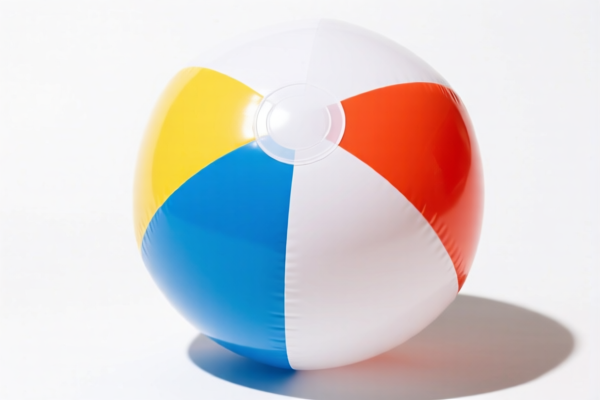
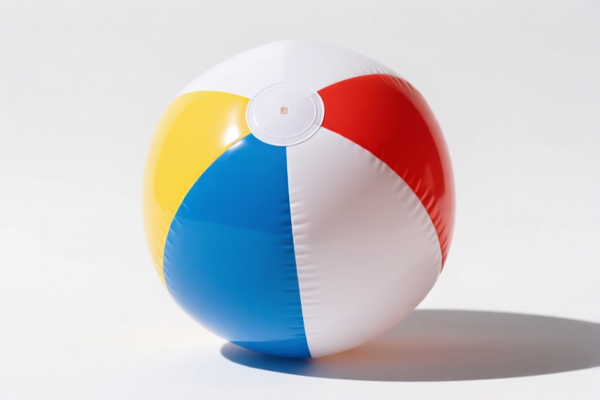
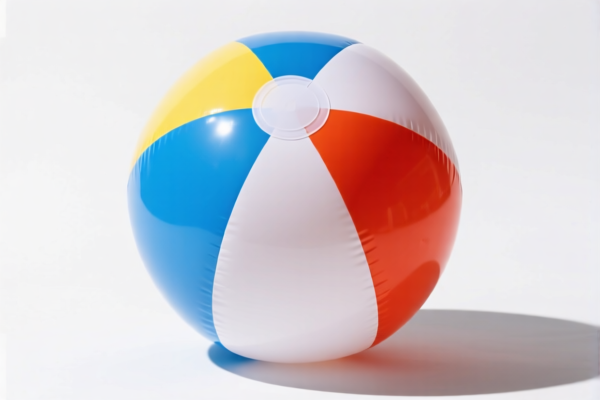
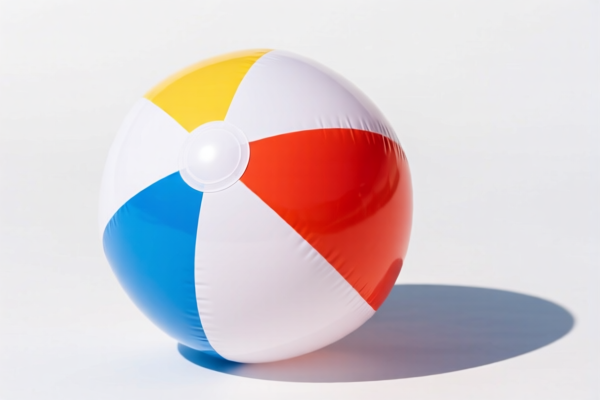
beach balls
CN → US| HS编码 | 关税税率 | 原产国 | 目的国 | 文档 |
|---|---|---|---|---|
| 3926907500 | 14.2% | CN | US | 官方文档 |
| 9506696020 | 22.4% | CN | US | 官方文档 |
| 9506628060 | 22.3% | CN | US | 官方文档 |
商品图片
AI分析
🏖️ Beach Balls (Summer Recreation Inflatable Toys)
🌐 HS Code Reference & Customs Clearance Guide | 2026 Latest Tariff Analysis | Professional Compliance Strategy
📌 I. Product Definition & Classification: Do You Really Understand "Beach Balls"?
A beach ball is a classic inflatable toy primarily used for outdoor recreation, sports, and promotional activities. In international trade, its classification depends heavily on its primary function (toy/sporting good vs. plastic article) and material composition (typically PVC or PE).
⚠️ Key Distinction Points:
- If classified as a Sporting/Gaming Item: Falls under Chapter 95 (Toys, Games, Sports requisites).
- If classified as a Plastic Article: Falls under Chapter 39 (Articles of plastics).
- Customs Authority Preference: Most customs authorities prefer classifying inflatable toys for play under Chapter 95 rather than general plastic articles, but specific subheadings vary by country and specific product features.
📦 II. HS Code Classification Details (Based on Provided Data)
| HS Code | Product Description | Material/Type | Primary Classification Logic |
|---|---|---|---|
9506.62.80.60 |
Beach balls classified as inflatable balls for outdoor games/sports | Inflatable Plastic/PVC | Sporting Good: Specifically designated for outdoor play. |
3926.90.75.00 |
Beach balls classified as other inflatable articles | Plastic (PVC or PE) | Plastic Article: General inflatable plastic product, not primarily defined as a sporting good. |
9506.69.60.20 |
Beach balls classified as other sports balls | Plastic or Rubber | Other Sports Item: Broadly categorized under other sports equipment. |
🔍 Critical Note:
- The classification between9506(Sports) and3926(Plastics) is the most common point of dispute.
- Chapter 95 items are generally viewed as "Toys/Sports Equipment," while Chapter 39 items are "General Plastic Manufactures."
- Always verify with local customs whether your specific beach ball design (e.g., size, printing, intended use) qualifies as a "sporting good" or a "plastic article."
💰 III. 2026 Latest Tariff Rate Breakdown (Including Additional Duties & Policies)
✅ Applicable Country: United States (US)
✅ Origin: China (CN) (Inferred from "Section 122" and "Add-on Tariffs" context)
✅ Effective Date: Current regulations apply (2025-2026 timeframe)
🎯 1. 9506.62.80.60 —— Inflatable Balls for Outdoor Games/Sports
| Item | Content |
|---|---|
| Base Tariff | 4.8% |
| Section 301 Add-on | 7.5% |
| Section 122 Tariff | 10.0% |
| Total Tax Rate | 22.3% |
| Tax Calculation | CIF Value × 22.3% |
| De Minimis Eligibility | ❌ No (Subject to all applicable duties) |
📌 Explanation:
- This classification treats the beach ball as a sporting good.
- It is subject to the Section 301 trade war tariffs (7.5%) and the newer Section 122 tariffs (10%).
- Total Burden: 22.3% is a significant cost factor. Ensure your pricing model accounts for this.
🎯 2. 3926.90.75.00 —— Other Inflatable Plastic Articles
| Item | Content |
|---|---|
| Base Tariff | 4.2% |
| Section 301 Add-on | 0.0% |
| Section 122 Tariff | 10.0% |
| Total Tax Rate | 14.2% |
| Tax Calculation | CIF Value × 14.2% |
| De Minimis Eligibility | ❌ No (Subject to Section 122) |
📌 Note:
- This classification treats the beach ball as a general plastic article.
- Advantage: It avoids the Section 301 tariff (0% vs. 7.5%), resulting in a lower total rate of 14.2%.
- Risk: Customs may challenge this if the product is clearly marketed and used as a toy/sporting good. Misclassification can lead to penalties.
🎯 3. 9506.69.60.20 —— Other Sports Balls
| Item | Content |
|---|---|
| Base Tariff | 4.9% |
| Section 301 Add-on | 7.5% |
| Section 122 Tariff | 10.0% |
| Total Tax Rate | 22.4% |
| Tax Calculation | CIF Value × 22.4% |
| De Minimis Eligibility | ❌ No (Subject to all applicable duties) |
📌 Note:
- This is a broader category for sports balls not specifically listed elsewhere (like basketballs or soccer balls).
- Highest Cost: At 22.4%, this is the most expensive classification. Use only if9506.62is not applicable.
🛠️ IV. Customs Clearance Practical Advice (Real-World Pitfall Avoidance)
✅ 1. Document Checklist (Non-negotiable)
| Document | Required | Description |
|---|---|---|
| ✅ Product Specifications | ✔️ | Must detail material (PVC/PE), inflation method, size, and intended use (toy vs. sport). |
| ✅ Product Photos | ✔️ | Clear images showing packaging, branding, and the ball itself. |
| ✅ Commercial Invoice | ✔️ | Description must match HS Code logic (e.g., "Inflatable Toy Ball" vs. "Plastic Inflatable Article"). |
| ✅ Packing List | ✔️ | Quantity per carton, total cartons, net/gross weight. |
| ✅ Certificate of Origin (CO) | ✔️ | To prove Chinese origin (if applicable) and apply correct Section 301/122 rates. |
| ✅ Material Safety Data Sheet (MSDS) | ✔️ | Especially if PVC is used, to confirm safety standards. |
✅ 2. Declaration Strategy (Key Mantras)
🔥 “Function Determines Code, Material Supports Description”
| Scenario | Correct Declaration Approach | Incorrect Approach |
|---|---|---|
| Marketing as a Toy/Sport | Use 9506.62.80.60 or 9506.69.60.20. Label as "Inflatable Toy Ball for Outdoor Play." |
Label as "Plastic Inflatable Tube" → Misclassification Risk. |
| Generic Plastic Product | Use 3926.90.75.00 if it lacks specific sporting features. Label as "Inflatable Plastic Decorative Item." |
Label as "Sports Equipment" when it's not → Audit Risk. |
| Mixed Shipment | Separate line items for different HS codes. | Combine all beach balls under one code to save time → High Risk of Penalty. |
✅ 3. Special Considerations
| Situation | Recommendation |
|---|---|
| Section 122 Tariff (10%) | This applies to many Chinese goods regardless of HS Code. Budget for this 10% in all scenarios. |
| Section 301 Tariff (7.5%) | Avoidable if classified under 3926.90.75.00 (Plastic Articles). However, ensure the product truly fits this description to avoid customs rejection. |
| De Minimis (Section 321) | Beach balls are NOT eligible for the $800 de minimis exemption if subject to Section 301 or Section 122 tariffs. Full duties apply. |
| Material Composition | If the ball is made of Rubber instead of Plastic, it may still fall under 9506.69.60.20, but verify material declarations. |
🌍 V. Global Market Comparison (2026 Latest)
| Country/Region | Recommended HS Code | Tariff (China Origin) | Certification | Notes |
|---|---|---|---|---|
| 🇺🇸 USA | 3926.90.75.00* |
14.2% | ASTM F963 (Toy Safety) | *If defensible; otherwise 22.3%. Section 122 applies. |
| 🇺🇸 USA | 9506.62.80.60 |
22.3% | ASTM F963 (Toy Safety) | Standard for sporting goods. |
| 🇨🇳 China | 9506.62.80.60 |
0-4.8% (Varies) | CCC (if applicable) | Low base tariff, no Section 301/122. |
| 🇪🇺 EU | 9503.00.00 |
0% (General) | CE, EN71 | Beach balls usually classified as toys. |
| 🇬🇧 UK | 9503.00.00 |
0% | UKCA | Post-Brexit alignment with EU. |
📌 Conclusion:
- The US market is the most complex due to Section 301 and Section 122 tariffs.
- Strategic Choice: If you can legally justify classification under3926.90.75.00(Plastic Article), you save 8.1% in duties (14.2% vs. 22.3%).
- Risk Management: Misclassification can lead to severe penalties. Ensure your product description and marketing align with the chosen HS Code.
📌 VI. Common Mistakes & Pitfalls (Lessons Learned)
❌ Mistake 1: Classifying beach balls as "Toys" (9503) when they are clearly for "Sports" (9506) or vice versa.
👉 Consequence: Customs may reclassify and apply the higher tariff or penalty.
❌ Mistake 2: Ignoring Section 122 Tariffs.
👉 Consequence: Unexpected 10% duty at clearance. Always factor this in.
❌ Mistake 3: Claiming De Minimis ($800) exemption.
👉 Consequence: Denied. Beach balls are subject to additional duties and do not qualify for de minimis.
❌ Mistake 4: Using vague descriptions like "Inflatable Ball."
👉 Consequence: Customs request for additional information (RFI), causing delays. Use precise terms: "PVC Inflatable Beach Ball for Outdoor Recreation."
✅ Correct Practice:
"Inflatable PVC Beach Ball, 18-inch Diameter, Colorful Stripes, for Outdoor Playground Use, Model BB-001, Compliant with ASTM F963."
🎯 VII. Conclusion: Professional Classification, Cost Optimization, Risk Mitigation
🎯 Remember These Key Points:
🔹 "Section 122 is Universal": The 10% tariff applies to almost all Chinese beach balls, regardless of HS Code.
🔹 "Section 301 is Avoidable (Risky)": You can save 7.5% by classifying as3926.90.75.00, but only if your product description supports it.
🔹 "No De Minimis": Expect to pay duties on every shipment.
🔹 "Documentation is Key": Your invoice and product specs must match your HS Code logic.
📌 Pro Tip:
If your beach balls are made of recycled plastic or have unique promotional branding, consult a customs broker to see if any specific exemptions or alternative classifications apply.
Pre-clearance ruling is highly recommended for large shipments to avoid surprise costs.
📣 Immediate Action:
📞 Contact a licensed customs broker with your product images and specifications.
🚀 Optimize your HS Code selection to balance compliance and cost.
💼 Every duty paid is a cost saved if planned correctly!
✨ Professional Customs Clearance Starts with Accurate Classification!
💼 Your Profit Margin Depends on Precision!
用户评价
关于 HS 编码归类
协调制度(HS)是由世界海关组织(WCO)制定的国际贸易商品分类标准。全球 200 多个国家采用 HS 系统作为海关关税、贸易统计和进出口监管的基础。
每个 HS 编码遵循以下层级结构:
- 章(2 位)——商品大类(例如:第 84 章:机器和机械设备)
- 品目(4 位)——章内的更具体分类
- 子目(6 位)——国际通用细分,所有 WCO 成员国统一使用
- 本国细分(8-10 位)——各国自行扩展的细分编码,如美国 HTSUS 10 位编码
正确的 HS 编码归类对于顺利通关、准确缴纳关税和遵守贸易法规至关重要。错误归类可能导致海关延误、多缴关税或罚款。
从CN进口到US时,适用的关税税率可能包括:
- 最惠国(MFN)税率——适用于 WTO 成员国的标准关税税率
- 普通税率——适用于无贸易协定国家
- 贸易救济关税——附加关税,如 301 条款(反倾销)、232 条款(国家安全)或反补贴税
本页内容仅供参考。如需正式归类,请咨询当地海关或持牌报关代理。