bear feeding pads
CN → US| HS编码 | 关税税率 | 原产国 | 目的国 | 文档 |
|---|---|---|---|---|
| 3924901050 | 13.3% | CN | US | 官方文档 |
| 3924905650 | 20.9% | CN | US | 官方文档 |
| 6302514000 | 23.8% | CN | US | 官方文档 |
| 6302530030 | 28.8% | CN | US | 官方文档 |
商品图片
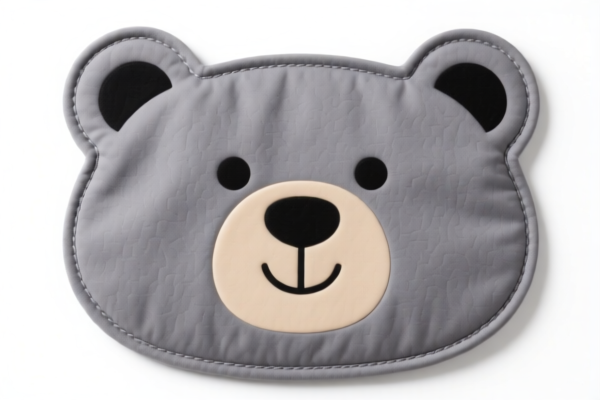
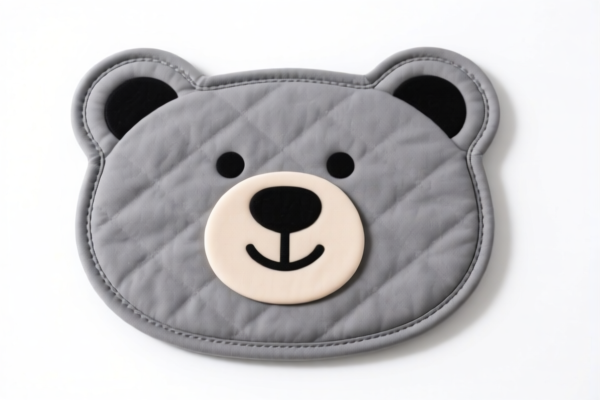
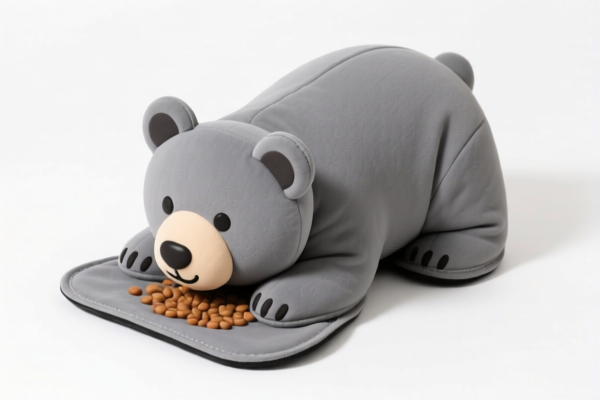
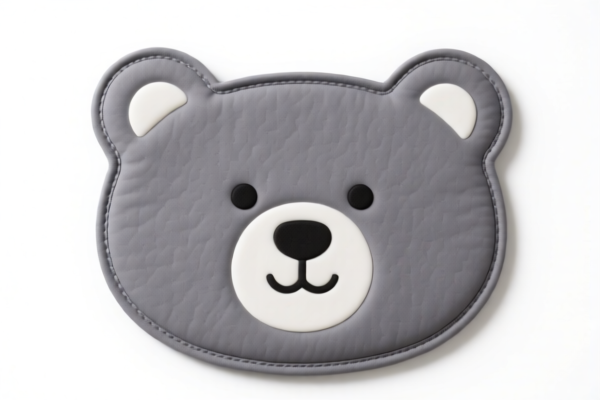
AI分析
🐻 Bear Feeding Pads (餐垫/餐桌垫)
🌐 HS Code Reference & Customs Clearance Guide | 2026 Latest Tariff Analysis | Professional Clearance Strategy
📌 I. Product Definition & Classification: What Exactly Is a "Bear Feeding Pad"?
"Bear Feeding Pads" (often referred to as Table Mats, Dining Placemats, or Baby Feeding Mats) are essential kitchen and dining accessories designed to protect surfaces, catch spills, and enhance dining aesthetics. In international trade, the Harmonized System (HS) classification depends heavily on two factors:
1. Material Composition (Plastic vs. Textile/Cotton/Synthetic).
2. Primary Function (General household use vs. specific textile category).
⚠️ Key Distinction Point:
- If the material is Plastic (PVC, PE, Silicone) → Classified under Chapter 39.
- If the material is Textile (Cotton, Linen, Synthetic Fiber) → Classified under Chapter 63.
Note: "Bear" in the product name is likely a brand or design element and does not change the HS classification. Customs focuses on material and function.
📦 II. HS Code Classification Details (2026 Latest Tariff Reference)
Based on the provided data, there are four potential HS Codes depending on the material and specific sub-category interpretation.
| HS Code | Product Description | Application Scenario | Material Inference |
|---|---|---|---|
3924.90.10.50 |
Tableware of plastic, not elsewhere specified (e.g., placemats) | General plastic dining mats, waterproof, easy-clean | ✅ Plastic |
3924.90.56.50 |
Other plastic tableware, articles | Plastic mats classified under "other" plastic tableware | ✅ Plastic |
6302.51.40.00 |
Table linen of cotton | Cotton, linen, or blended textile placemats | ✅ Textile (Cotton/Linen) |
6302.53.00.30 |
Other table linen of man-made fibers | Synthetic fiber (polyester, nylon) table mats | ✅ Textile (Synthetic) |
🔍 Important Reminder:
- Plastic Mats: Usually fall under 3924. The difference between.10.50and.56.50often lies in specific national sub-classifications (e.g., US HTSUS vs. other systems).
- Textile Mats: Fall under 6302 (Table linen). The distinction between.51(Cotton) and.53(Man-made fibers) is critical for duty calculation.
- Misclassification Risk: Declaring a plastic mat as textile (or vice versa) can lead to significant duty penalties and customs delays.
💰 III. 2026 Latest Tariff Rate Breakdown (Including Surtaxes)
✅ Applicable Country: United States (US)
✅ Origin: China (CN)
✅ Effective Time: 2025/2026 (Post-122 Clause & Section 301/IEEPA adjustments)
🎯 1. 3924.90.10.50 —— Plastic Tableware (Placemats)
| Item | Content |
|---|---|
| Base Duty Rate | 3.3% |
| Section 301 Surcharge | 0.0% (No additional 25% for this specific sub-code in the provided data) |
| 122 Clause Surcharge | 10.0% (Applicable to de minimis shipments or specific value thresholds for Chinese origin) |
| Total Tax Rate | 13.3% |
| Tax Calculation | CIF Value × 13.3% |
| De Minimis Exemption | ❌ Not Applicable for the 10% 122 Clause if triggered. |
| Legal Basis | Base Tariff + 122 Clause Tariff |
📌 Explanation:
- This code offers the lowest tax rate among the options.
- The 10% 122 Clause is a critical addition for Chinese-origin goods, significantly increasing costs for low-value shipments.
- Advantage: Suitable for PVC/PE mats that are clearly classified as "tableware."
🎯 2. 3924.90.56.50 —— Other Plastic Tableware
| Item | Content |
|---|---|
| Base Duty Rate | 3.4% |
| Section 301 Surcharge | 7.5% (Applicable surcharge for this sub-classification) |
| 122 Clause Surcharge | 10.0% |
| Total Tax Rate | 20.9% |
| Tax Calculation | CIF Value × 20.9% |
| De Minimis Exemption | ❌ Not Applicable for the surcharges. |
| Legal Basis | Base Tariff + Section 301 (7.5%) + 122 Clause (10%) |
📌 Note:
- Slightly higher base rate (3.4% vs. 3.3%) and includes a 7.5% Section 301 surcharge.
- Total tax is 20.9%, which is 7.6 percentage points higher than the.10.50code.
- Ensure your product description does not inadvertently trigger this "other" category.
🎯 3. 6302.51.40.00 —— Table Linen of Cotton
| Item | Content |
|---|---|
| Base Duty Rate | 6.3% |
| Section 301 Surcharge | 7.5% |
| 122 Clause Surcharge | 10.0% |
| Total Tax Rate | 23.8% |
| Tax Calculation | CIF Value × 23.8% |
| De Minimis Exemption | ❌ Not Applicable. |
| Legal Basis | Base Tariff + Section 301 (7.5%) + 122 Clause (10%) |
📌 Explanation:
- Applicable only if the mat is made of cotton or linen.
- If the product is a blend, the principal material determines the code.
- Higher duty than plastic alternatives due to textile classification rules.
🎯 4. 6302.53.00.30 —— Other Table Linen (Man-Made Fibers)
| Item | Content |
|---|---|
| Base Duty Rate | 11.3% |
| Section 301 Surcharge | 7.5% |
| 122 Clause Surcharge | 10.0% |
| Total Tax Rate | 28.8% |
| Tax Calculation | CIF Value × 28.8% |
| De Minimis Exemption | ❌ Not Applicable. |
| Legal Basis | Base Tariff + Section 301 (7.5%) + 122 Clause (10%) |
📌 Warning:
- This is the highest tax rate (28.8%) in the provided data.
- Applies to synthetic fibers (e.g., polyester placemats).
- Many sellers mistakenly classify plastic-like synthetic mats under textiles. Ensure you declare the correct material to avoid reclassification penalties.
🛠️ IV. Customs Clearance Practical Advice (Battle-Tested Pitfall Guide)
✅ 1. Preparation Checklist (Mandatory)
| Document | Required? | Explanation |
|---|---|---|
| ✅ Product Spec Sheet | ✔️ | Must clearly state Material (e.g., 100% PVC, 50% Cotton/50% Polyester). |
| ✅ Product Photos | ✔️ | Show texture, thickness, and any labeling (Brand "Bear" should not obscure material info). |
| ✅ Commercial Invoice | ✔️ | Use precise description: "Plastic Table Mat (PVC)" or "Cotton Dining Placemat." Avoid vague terms like "Kitchen Accessory." |
| ✅ Material Certificate | ✔️ | If declaring textile, provide fiber content test report from third-party lab (e.g., SGS, Intertek). |
| ✅ Packing List | ✔️ | Indicate net/gross weight and dimensions. |
✅ 2. Declaration Tips (Critical Keywords)
🔥 "Material First, Function Second, Be Precise!"
| Scenario | Correct Declaration | Incorrect Declaration | Risk |
|---|---|---|---|
| Plastic Mat | 3924.90.10.50 |
"Kitchen Mat" | Risk of misclassification → Higher duty (20.9% or 28.8%) |
| Cotton Mat | 6302.51.40.00 |
"Textile Product" | Risk of penalty if material is synthetic |
| Synthetic Mat | 6302.53.00.30 |
"Plastic Mat" | Major Error: Customs may reclassify as plastic, but duty differs. Better to declare correctly as synthetic textile if it’s woven. |
| Mixed Materials | Declare principal material | "Mixed Fabric" | High risk of delay and audit. |
📌 Key Tip:
- If the mat is non-woven or coated, customs may view it as plastic/textile depending on the manufacturing process.
- "Bear" branding is irrelevant to HS code. Focus on "Placemat," "Table Mat," "Dining Mat."
✅ 3. Special Cases
| Case | Handling Advice |
|---|---|
| Silicone Mats | Often classified under 3924 (Plastic). Ensure it’s not declared as rubber (4016) unless specifically vulcanized rubber. |
| Bamboo/Wood Mats | Not in the provided data. Likely 4415 or 4421. Do not use HS Codes from this table. |
| Disposable Paper Mats | Not covered here. Likely 4823. |
| OEM Custom Mats | Provide design files and material specs to avoid disputes. |
🌍 V. Global Market Comparison (2026 Update)
| Market | Recommended HS Code (Plastic) | Total Tax (China Origin) | Notes |
|---|---|---|---|
| 🇺🇸 USA | 3924.90.10.50 |
13.3% | Best rate for plastic mats. 122 Clause applies. |
| 🇺🇸 USA | 3924.90.56.50 |
20.9% | Higher due to 7.5% Section 301. |
| 🇨🇳 China | 3924.90.90.90 |
~5% | Lower import duty, but different from US data. |
| 🇪🇺 EU | 3924.00 |
0-4% | No Section 301 or 122 Clause. Standard EU duty. |
| 🇬🇧 UK | 3924.00 |
0-4% | Post-Brexit, aligns with EU mostly. |
📌 Conclusion:
- US Market: The 13.3% rate for3924.90.10.50is the most competitive for plastic mats.
- Textile Mats: Avoid6302.53.00.30(28.8%) if possible; consider switching to plastic or cotton if volume is high.
📌 VI. Common Errors & Pitfalls (Lessons Learned)
❌ Error 1: Declaring a PVC Plastic Mat as "Textile" (6302) to avoid Section 301.
👉 Consequence: Customs will reclassify, impose 28.8% duty + penalties.
✅ Fix: Always declare material truthfully. Use 3924 for plastic.
❌ Error 2: Ignoring the 122 Clause (10%) in calculations.
👉 Consequence: Profit margin eroded by unexpected 10% cost.
✅ Fix: Factor in 122 Clause for all de minimis or low-value shipments from China.
❌ Error 3: Using "Bear Feeding Pad" as the only description.
👉 Consequence: Customs cannot determine HS code → Hold/Seizure.
✅ Fix: Use: "Plastic Dining Placemat, PVC, Blue Bear Pattern, for Household Use."
🎯 VII. Conclusion: Professional Declaration, Cost Optimization
🎯 Key Takeaway:
🔹 Plastic Mats: Aim for
3924.90.10.50(13.3% total).
🔹 Textile Mats: Avoid6302.53(28.8%) if possible; use6302.51(23.8%) if cotton.
🔹 Always Include: Material specification, clear product name, and 122 Clause consideration.
📌 Pro Tip:
- For high-volume shipments, apply for Advance Ruling (ISF/ACE) if available to confirm HS code.
- Consider supply chain diversification (e.g., Vietnam, Thailand) to mitigate 122 Clause and Section 301 impacts, though plastic mats may still face scrutiny.
📣 Immediate Action:
📞 Verify material composition with your supplier.
📝 Draft accurate commercial invoice using the correct HS Code.
🚀 Ensure 13.3% duty is budgeted for plastic mats under3924.90.10.50.
✨ Clear Classification, Clear Customs!
💼 Maximize Profit, Minimize Risk!
用户评价
关于 HS 编码归类
协调制度(HS)是由世界海关组织(WCO)制定的国际贸易商品分类标准。全球 200 多个国家采用 HS 系统作为海关关税、贸易统计和进出口监管的基础。
每个 HS 编码遵循以下层级结构:
- 章(2 位)——商品大类(例如:第 84 章:机器和机械设备)
- 品目(4 位)——章内的更具体分类
- 子目(6 位)——国际通用细分,所有 WCO 成员国统一使用
- 本国细分(8-10 位)——各国自行扩展的细分编码,如美国 HTSUS 10 位编码
正确的 HS 编码归类对于顺利通关、准确缴纳关税和遵守贸易法规至关重要。错误归类可能导致海关延误、多缴关税或罚款。
从CN进口到US时,适用的关税税率可能包括:
- 最惠国(MFN)税率——适用于 WTO 成员国的标准关税税率
- 普通税率——适用于无贸易协定国家
- 贸易救济关税——附加关税,如 301 条款(反倾销)、232 条款(国家安全)或反补贴税
本页内容仅供参考。如需正式归类,请咨询当地海关或持牌报关代理。