bed wetting alarm
CN → US| HS编码 | 关税税率 | 原产国 | 目的国 | 文档 |
|---|---|---|---|---|
| 8531100045 | 36.3% | CN | US | 官方文档 |
| 8531100035 | 36.3% | CN | US | 官方文档 |
| 8543708500 | 35.0% | CN | US | 官方文档 |
| 8543709860 | 37.6% | CN | US | 官方文档 |
| 9018199550 | 35.0% | CN | US | 官方文档 |
商品图片
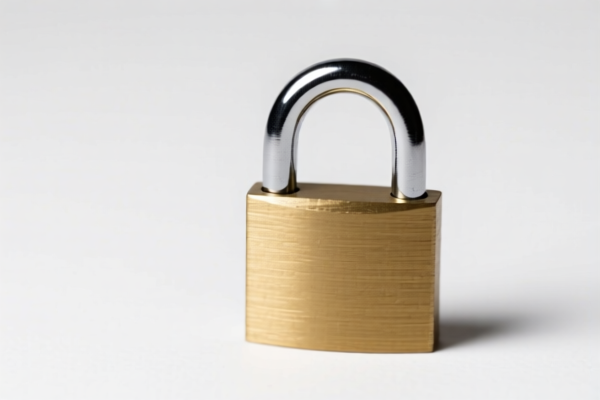
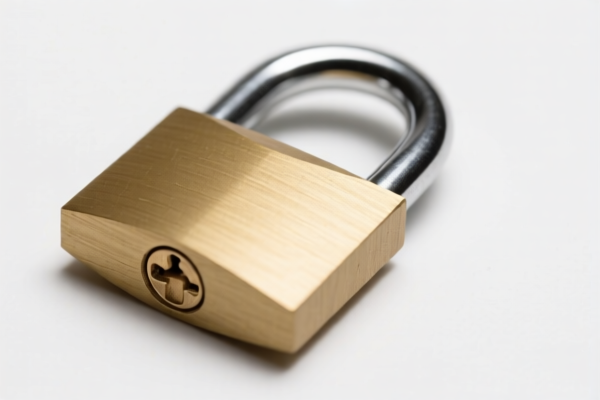
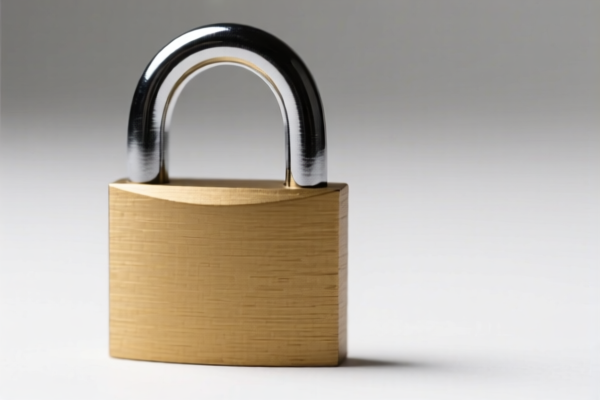
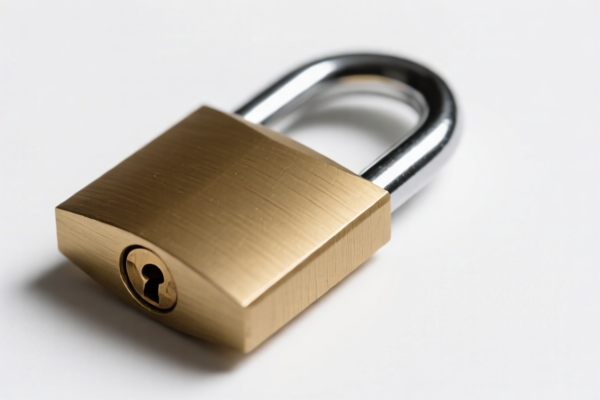
AI分析
🛌 Bed Wetting Alarm (Enuresis Alarm)
🌐 HS Code Reference & Customs Clearance Guide | 2026 Latest Tariff Analysis | Professional Clearance Strategy
📌 I. Product Definition & Classification: Do You Really Understand the "Bed Wetting Alarm"?
A Bed Wetting Alarm (Enuresis Alarm) is a specialized medical/health monitoring device designed to detect moisture and emit a signal (sound, vibration, or light) to alert users, helping to treat nocturnal enuresis (bedwetting). In international trade, its classification hinges on whether it is viewed as a general alarm system, a standalone electrical monitoring device, or a diagnostic medical instrument.
⚠️ Key Classification Nuances:
- If viewed as a signal/alarm device → Falls under Chapter 85 (Electrical machinery, sound/visual signals).
- If viewed as a sensor-based electrical monitor → Falls under Chapter 85 (Other machines/appliances).
- If viewed as a physiological diagnostic tool → Falls under Chapter 90 (Optical, photographic, medical instruments).
📦 II. HS Code Classification Details (2026 Latest Tariff Authority Comparison)
Based on the provided data, here are the five potential HS Codes with their respective rationales and tax implications.
| HS Code | Summary Rationale | Total Tax Rate | Tax Breakdown |
|---|---|---|---|
| 8531.10.00.45 | Alarm Device Classification: Treated as an electronic sensing device akin to burglary or fire alarms. Material inferred as plastic/electronic components. | 36.3% | Base: 1.3%, Section 301: 25%, Section 122: 10% |
| 8531.10.00.35 | Signal Device Classification: Classified under electrical or visual signal devices (alarm systems). Core function aligns with sensors/signal devices in "Other" categories. | 36.3% | Base: 1.3%, Section 301: 25%, Section 122: 10% |
| 8543.70.85.00 | Electrical Monitoring Device: An electrical device using sensors for signal detection and alerting. Logic follows electrical stimulation/equipment frameworks. | 35.0% | Base: 0.0%, Section 301: 25%, Section 122: 10% |
| 8543.70.98.60 | Independent Functional Electronic Monitor: Fits under "Machines and Appliances" in Chapter 85 with independent functions. | 37.6% | Base: 2.6%, Section 301: 25%, Section 122: 10% |
| 9018.19.95.50 | Physiological Diagnostic Equipment: Classified under electric diagnostic apparatus for physiological parameters, using sensors to detect body conditions. | 35.0% | Base: 0.0%, Section 301: 25%, Section 122: 10% |
🔍 Key Insight:
- The Base Tariff varies significantly (0.0% to 2.6%).
- The Section 301 (25%) and Section 122 (10%) tariffs are consistently applied to all these codes for Chinese-origin goods.
- Total Tax Range: 35.0% – 37.6%.
💰 III. 2026 Latest Tariff Rate Details (Including Additional Taxes & Policy Surcharges)
✅ Applicable Country: United States (US)
✅ Country of Origin: China (CN)
✅ Effective Time: Current rates apply (Sections 301 & 122 active)
🎯 1. 8531.10.00.45 & 8531.10.00.35 — Alarm/Sensor Devices
| Item | Details |
|---|---|
| Base Duty Rate | 1.3% |
| Section 301 Duty (USITC) | +25.0% |
| Section 122 Duty | +10.0% |
| Total Effective Rate | 36.3% |
| Calculation Base | CIF Value × 36.3% |
| De Minimis Exemption | ❌ Not Eligible (High combined rate typically excludes small shipments from certain exemptions, verify with CBP) |
| Legal Basis Path | Section 301 + Section 122 applied to Chapter 85 Alarm Sensors |
📌 Explanation:
- These codes classify the device as an alarm or signal apparatus.
- The 1.3% base is standard for certain electrical signaling devices.
- The 25% (Section 301) and 10% (Section 122) are punitive tariffs specifically targeting Chinese electronics.
- Total: 36.3%. This is the most common classification for standard enuresis alarms marketed as "sensors."
🎯 2. 8543.70.85.00 — Electrical Signal Detection Equipment
| Item | Details |
|---|---|
| Base Duty Rate | 0.0% |
| Section 301 Duty (USITC) | +25.0% |
| Section 122 Duty | +10.0% |
| Total Effective Rate | 35.0% |
| Calculation Base | CIF Value × 35.0% |
| De Minimis Exemption | ❌ Not Eligible |
| Legal Basis Path | Section 301 + Section 122 applied to Chapter 85 Electrical Machines |
📌 Explanation:
- This code treats the device as a general electrical machine or appliance with signal detection capabilities.
- The 0.0% base is advantageous, bringing the total tax down to 35.0%.
- Suitable if the device is marketed more as a "monitor" than a "fire/burglar alarm."
🎯 3. 8543.70.98.60 — Other Machines & Appliances
| Item | Details |
|---|---|
| Base Duty Rate | 2.6% |
| Section 301 Duty (USITC) | +25.0% |
| Section 122 Duty | +10.0% |
| Total Effective Rate | 37.6% |
| Calculation Base | CIF Value × 37.6% |
| De Minimis Exemption | ❌ Not Eligible |
| Legal Basis Path | Section 301 + Section 122 applied to Chapter 85 Other Machinery |
📌 Explanation:
- This is a fallback category for independent electronic monitors not specified elsewhere.
- Highest base rate (2.6%) leads to the highest total tax (37.6%).
- Avoid unless the device has unique features not covered by other codes.
🎯 4. 9018.19.95.50 — Electric Diagnostic Apparatus
| Item | Details |
|---|---|
| Base Duty Rate | 0.0% |
| Section 301 Duty (USITC) | +25.0% |
| > Section 122 Duty | +10.0% |
| Total Effective Rate | 35.0% |
| Calculation Base | CIF Value × 35.0% |
| De Minimis Exemption | ❌ Not Eligible |
| Legal Basis Path | Section 301 + Section 122 applied to Chapter 90 Medical Instruments |
📌 Explanation:
- This is the medical device classification.
- If marketed and regulated as a therapeutic or diagnostic medical device for enuresis, this code applies.
- Like8543.70.85.00, it has a 0.0% base rate, resulting in 35.0% total tax.
- Regulatory Note: May require FDA clearance (510(k) or De Novo) if claimed as a medical treatment device.
🛠️ IV. Customs Clearance Practical Advice (Real-World Pitfall Avoidance Guide)
✅ 1. Required Documentation Checklist
| Document | Mandatory? | Description |
|---|---|---|
| ✅ Product Specification Sheet | ✔️ | Must detail: Moisture sensor type, alarm mechanism (sound/vibration), power source, IP rating. |
| ✅ Marketing Materials/Labeling | ✔️ | Crucial for determining if it’s a "consumer wellness product" or "medical device." |
| ✅ Circuit Diagram/Block Diagram | ✔️ | Proves it’s an electronic sensor/device, not a mechanical alarm. |
| ✅ FCC/CE Certification | ✔️ | Required for electronic devices emitting RF signals or meeting safety standards. |
| ✅ Commercial Invoice | ✔️ | Must clearly state: "Bed Wetting Alarm," "Enuresis Sensor," or "Moisture Detection Alarm." |
| ✅ Country of Origin Certificate | ✔️ | Essential for applying Section 301/122 duties. |
✅ 2. Declaration Tips (Critical Rules)
🔥 “Know Your Market: Medical vs. Consumer!”
| Scenario | Recommended HS Code | Reason |
|---|---|---|
| Consumer Wellness Product | 8531.10.00.35 / 8531.10.00.45 |
Marketed as a "potty training aid" or "sensor alarm." Lowest risk, no FDA required. |
| Medical/Therapeutic Device | 9018.19.95.50 |
Marketed as a "treatment for enuresis" or "diagnostic device." Requires FDA compliance. |
| General Electronic Monitor | 8543.70.85.00 |
Marketed as a "moisture detector" without medical claims. |
⚠️ Warning:
- Do not describe it merely as "alarm" if it’s clearly for medical use.
- If you claim it’s a medical device but lack FDA clearance, CBP may detain it for regulatory violation, regardless of HS Code accuracy.
✅ 3. Special Cases Handling
| Situation | Handling Advice |
|---|---|
| FDA Clearance Required? | If the device is intended for diagnosing, curing, mitigating, or treating a medical condition (enuresis), it is likely an FDA-regulated device. Ensure you have 510(k) or equivalent. |
| Battery Type | If lithium batteries are included, ensure proper UN38.3 testing and shipping documentation to avoid airline rejections. |
| OEM/Private Label | Provide brand authorization and manufacturing agreements to prove origin and avoid anti-dumping inquiries. |
🌍 V. Global Market Comparison (2026 Latest)
| Country/Region | Recommended HS Code | Estimated Duty | Certification | Notes |
|---|---|---|---|---|
| 🇺🇸 USA | 8531.10.00.35 or 9018.19.95.50 |
35.0% – 36.3% | FCC, FDA (if medical) | High Section 301/122 duties. |
| 🇨🇳 China | 8531.10.00.35 or 9018.19.95.50 |
5% – 10% | CCC (if electrical) | No punitive tariffs. |
| 🇪🇺 EU | 8531.10 or 9018.19 |
0% – 4% | CE, RoHS, REACH | Lower duties, strict CE marking. |
| 🇯🇵 Japan | 8531.10 or 9018.19 |
0% – 5% | PSE, JIS | Moderate duties, safety certified. |
📌 Conclusion:
- The US market is the most expensive due to additive tariffs (35-37.6%).
- Medical classification (9018.19.95.50) offers the same total tax as sensor classification (8531.10.00.35) but carries heavier regulatory burdens.
- Non-medical classification (8531or8543) is safer for consumer brands without FDA registration.
📌 VI. Common Errors & Pitfall Guide (Lessons Learned)
❌ Error 1: Misclassifying as a toy or general home appliance
👉 Consequence: HS Code mismatch → Penalty + Back Duties.
❌ Error 2: Ignoring Section 122 Tariffs
👉 Consequence: Unexpected 10% surcharge → Profit margin erosion.
❌ Error 3: Claiming Medical Device status without FDA clearance
👉 Consequence: CBP holds goods for FDA review → Delays + Seizure risk.
❌ Error 4: Using vague descriptions like "Baby Sensor"
👉 Consequence: Customs ambiguity → Random inspection delays.
✅ Correct Declaration Example:
"Bed Wetting Alarm, Electronic Moisture Sensor, Sound Alert, for Domestic Use, Model XYZ, FCC Certified"
HS Code:8531.10.00.35
🎯 VII. Conclusion: Professional Declaration, Cost Optimization
🎯 Key Takeaways:
🔹 Choose the Right Category:
- Consumer/Wellness:8531.10.00.35(36.3% total) or8543.70.85.00(35.0% total).
- Medical:9018.19.95.50(35.0% total) — Only if FDA cleared.
🔹 Total Duty is High: Expect 35%–37.6% for US imports from China. Factor this into pricing.
🔹 Documentation is Key: FCC, CE, and FDA certificates are mandatory for smooth clearance.📞 Action Step:
- If selling in the US, consult a US Customs Broker to confirm FDA status.
- If not FDA-regulated, market as a "training aid" to justify8531or8543codes.
- Calculate Landed Cost including 35-37.6% duty to ensure profitability.
✨ Expert Clearance, Start with Accurate Classification!
💼 Every Percent of Duty Saved is Pure Profit Gained!
用户评价
关于 HS 编码归类
协调制度(HS)是由世界海关组织(WCO)制定的国际贸易商品分类标准。全球 200 多个国家采用 HS 系统作为海关关税、贸易统计和进出口监管的基础。
每个 HS 编码遵循以下层级结构:
- 章(2 位)——商品大类(例如:第 84 章:机器和机械设备)
- 品目(4 位)——章内的更具体分类
- 子目(6 位)——国际通用细分,所有 WCO 成员国统一使用
- 本国细分(8-10 位)——各国自行扩展的细分编码,如美国 HTSUS 10 位编码
正确的 HS 编码归类对于顺利通关、准确缴纳关税和遵守贸易法规至关重要。错误归类可能导致海关延误、多缴关税或罚款。
从CN进口到US时,适用的关税税率可能包括:
- 最惠国(MFN)税率——适用于 WTO 成员国的标准关税税率
- 普通税率——适用于无贸易协定国家
- 贸易救济关税——附加关税,如 301 条款(反倾销)、232 条款(国家安全)或反补贴税
本页内容仅供参考。如需正式归类,请咨询当地海关或持牌报关代理。