belts
CN → US| HS编码 | 关税税率 | 原产国 | 目的国 | 文档 |
|---|---|---|---|---|
| 6217108500 | 24.6% | CN | US | 官方文档 |
| 4202399000 | 55.0% | CN | US | 官方文档 |
| 6217109550 | 32.1% | CN | US | 官方文档 |
| 4202999000 | 55.0% | CN | US | 官方文档 |
| 7326200020 | 88.9% | CN | US | 官方文档 |
商品图片

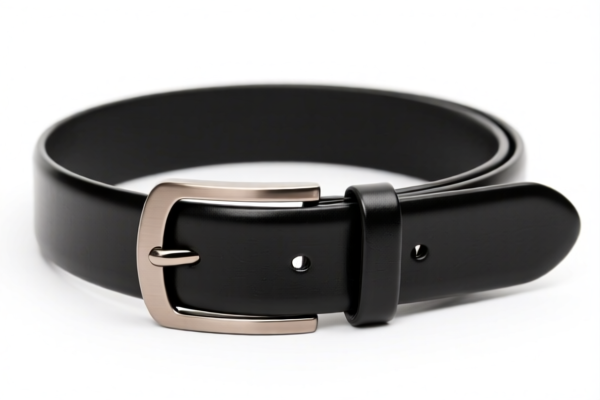
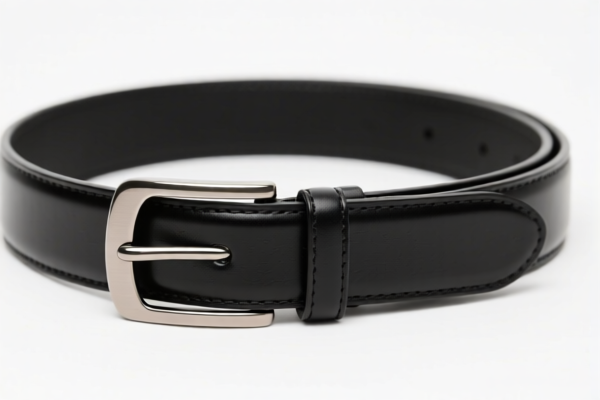

AI分析
🎀 Belts (Belt Sets & Accessories)
🌐 HS Code Reference & Clearance Guide | 2026 Latest Tariff Analysis | Strategic Clearance Strategy
📌 Part 1: Product Definition & Classification: What Exactly is a "Belt Set"?
In international trade, "Belts" are not a monolithic category. They are split based on their material composition and functional purpose. A "Belt Set" (typically a belt paired with a bag, hat, or other accessories) is often classified differently depending on whether it is viewed as a garment accessory or a container attachment.
Key Distinction:
- Textile/Fabric Belts: Classified under Chapter 62 (Articles of Apparel and Clothing Accessories).
- Leather/Leather-like Belts: Classified under Chapter 42 (Articles of Leather; Saddle and Harness).
- Metal Components: If the belt is primarily a functional metal hook/buckle assembly, it may fall under Chapter 73 (Articles of Iron or Steel).
⚠️ Critical Classification Logic:
- If the belt is made of textile/fabric and serves as a clothing accessory → 6217.10.xx
- If the belt is made of leather and serves as an accessory to a bag/box → 4202.99.xx
- If the belt is primarily a metal hardware component → 7326.20.xx
📦 Part 2: HS Code Classification Matrix (2026 Latest Tariff Authority)
| HS Code | Product Description | Applicable Material | Function/Usage |
|---|---|---|---|
6217.10.85.00 |
Other Made-Up Clothing Accessories | Textile, Fabric, or Synthetic Materials | Classified as general garment accessories (e.g., fabric belts, webbing belts). |
4202.39.90.00 |
Other Similar Containers & Carriers | Leather or Textile (Inferred) | Classified as accessories for bags/cases (e.g., leather belt sets sold with luggage). |
6217.10.95.50 |
Other Made-Up Clothing Accessories | Textile/Fabric | General category for textile-based belt sets not specified elsewhere. |
4202.99.90.00 |
Other Articles of Leather | Leather or Textile (Inferred) | Leather belt sets viewed as extensions of bag accessories. |
7326.20.00.20 |
Other Articles of Iron or Steel | Metal (Steel/Iron) | Specifically for metal belt hooks, buckles, or brackets. |
🔍 Key Reminder:
- "Belt Set" implies multiple items. If the set is dominated by textile material, 6217 is likely. If dominated by leather, 4202 is likely.
- Metal components (like heavy-duty steel buckles) are rarely classified alone unless they are sold as hardware, not as part of a finished fashion belt.
💰 Part 3: 2026 Latest Tariff Rate Breakdown (Including Additional Duties & Policy Surcharges)
✅ Applicable Country: United States (US)
✅ Origin: China (CN)
✅ Effective Date: Current Trade Policies (Section 301 & Section 122)
🎯 1. 6217.10.85.00 – Textile/Fabric Belt Sets (Garment Accessory)
| Item | Content |
|---|---|
| Base Tariff | 14.6% (ad valorem) |
| Additional Tariff (Section 301) | 0.0% (Note: Some textile categories have exemptions, but verify current status) |
| Section 122 Tariff | 10% (Additional surcharge on certain textile/apparel items) |
| Total Effective Rate | 24.6% |
| Tax Calculation | CIF Value × 24.6% |
| De Minimis Eligibility | ❌ No (Section 301/122 duties usually negate de minimis benefits for China origin) |
| Legal Path | USITC:6217.10.85.00 → FOOTNOTE:122 |
📌 Explanation:
- This is the most favorable rate for textile-based belt sets.
- The "0% Additional Tariff" suggests this specific subheading may have a temporary exemption or lower Section 301 application, but the 10% Section 122 still applies.
- Cost Impact: Moderate.
🎯 2. 4202.39.90.00 – Leather/Textile Belt Sets (Container Accessory)
| Item | Content |
|---|---|
| Base Tariff | 20.0% (ad valorem) |
| Additional Tariff (Section 301) | 25.0% (Standard Section 301 rate for Chapter 42) |
| Section 122 Tariff | 10% |
| Total Effective Rate | 55.0% |
| Tax Calculation | CIF Value × 55.0% |
| De Minimis Eligibility | ❌ No |
| Legal Path | USITC:4202.39.90.00 → FOOTNOTE:301 → FOOTNOTE:122 |
📌 Explanation:
- High duty rate due to the 25% Section 301 tariff on leather goods.
- Cost Impact: High. This classification is expensive for importers.
🎯 3. 6217.10.95.50 – Other Textile Accessories (General)
| Item | Content |
|---|---|
| Base Tariff | 14.6% (ad valorem) |
| Additional Tariff (Section 301) | 7.5% (Reduced or partial Section 301 application) |
| Section 122 Tariff | 10% |
| Total Effective Rate | 32.1% |
| Tax Calculation | CIF Value × 32.1% |
| De Minimis Eligibility | ❌ No |
| Legal Path | USITC:6217.10.95.50 → FOOTNOTE:301 → FOOTNOTE:122 |
📌 Explanation:
- This category has a moderate additional tariff burden compared to leather.
- Cost Impact: Moderate-High. Better than leather, but worse than the exempted 6217.10.85.
🎯 4. 4202.99.90.00 – Other Leather Articles (Bag Extensions)
| Item | Content |
|---|---|
| Base Tariff | 20.0% (ad valorem) |
| Additional Tariff (Section 301) | 25.0% |
| Section 122 Tariff | 10% |
| Total Effective Rate | 55.0% |
| Tax Calculation | CIF Value × 55.0% |
| De Minimis Eligibility | ❌ No |
| Legal Path | USITC:4202.99.90.00 → FOOTNOTE:301 → FOOTNOTE:122 |
📌 Explanation:
- Same high tax burden as4202.39.90.00.
- Cost Impact: High. Avoid if possible unless material is exclusively high-value leather with margin absorption.
🎯 5. 7326.20.00.20 – Metal Belt Hooks/Hardware
| Item | Content |
|---|---|
| Base Tariff | 3.9% (ad valorem) |
| Additional Tariff (Section 301) | 25.0% |
| Section 122 Tariff | 10% |
| Steel/Aluminum/Copper Surcharge | 50% (Specific surcharge for metal products) |
| Total Effective Rate | 88.9% |
| Tax Calculation | CIF Value × 88.9% |
| De Minimis Eligibility | ❌ No |
| Legal Path | USITC:7326.20.00.20 → FOOTNOTE:301 → FOOTNOTE:122 → METAL_SURCHARGE:50% |
📌 Explanation:
- CRITICAL WARNING: This is the most expensive classification.
- The 50% surcharge on Steel/Aluminum/Copper is applied on top of the 25% and 10%.
- Cost Impact: Extremely High. Only use if the product is purely metal hardware and not a finished fashion belt.
🛠️ Part 4: Clearance Practical Advice (Pitfall Avoidance Guide)
✅ 1. Preparation Checklist (Non-Negotiable)
| Document | Mandatory? | Description |
|---|---|---|
| ✅ Product Composition Sheet | ✔️ | Must specify exact % of fabric, leather, metal. Crucial for 6217 vs. 4202. |
| ✅ Commercial Invoice | ✔️ | Must clearly state "Belt Set" or "Fashion Accessories," not vague "Goods." |
| ✅ Material Declaration | ✔️ | Explicitly state "100% Cotton Webbing" or "Genuine Leather" to avoid misclassification penalties. |
| ✅ Photos of Final Product | ✔️ | Show the belt worn or displayed with the set. |
| ✅ Country of Origin Label | ✔️ | "Made in China" must be visible on packaging for duty determination. |
✅ 2. Classification Strategy (Key Rules)
🔥 “Material Dictates Code, Function Validates it!”
| Scenario | Correct Classification | Incorrect Practice |
|---|---|---|
| Fabric Belt + Fabric Bag Set | 6217.10.85.00 (if accessory) or 6217.10.95.50 |
Misclassifying as Leather (4202) → 55% Tax |
| Leather Belt + Leather Wallet Set | 4202.39.90.00 or 4202.99.90.00 |
Misclassifying as Textile (6217) → 24.6% Tax (Risk of Audit) |
| Metal Buckle Sold Separately | 7326.20.00.20 |
Including in Belt Set → 88.9% Tax |
| Belt Set (Mixed Materials) | Primary Material Rule (Chapter 11 GRI) | Guessing → Potential Penalties |
📌 Note on Mixed Materials:
- If a belt has a leather strap and metal buckle, it is generally classified under Chapter 42 (Leather) because the leather gives the essential character.
- If a belt has a fabric strap and plastic buckle, it is classified under Chapter 62 (Textile).
✅ 3. Special Cases & Mitigation
| Situation | Strategy |
|---|---|
| OEM/Private Label Belts | Ensure invoice reflects brand value, not just manufacturing cost. Use 6217 if fabric. |
| "Set" Definition | If items are packed together for retail sale, they are treated as a set. Do not split HS codes for one customs line item unless specifically allowed. |
| Metal Hardware Focus | If importing only buckles/hooks, use 7326.20.00.20 but expect 88.9% duty. Consider sourcing metal from non-China origin to avoid surcharges. |
| De Minimis Loophole | Not Available for China-origin goods under Section 301/122. Do not use UPS/FedEx small parcels to avoid duties. |
🌍 Part 5: Global Market Comparison (2026 Snapshot)
| Country/Region | Recommended HS Code | Est. Tariff (China Origin) | Key Certification | Notes |
|---|---|---|---|---|
| 🇺🇸 USA | 6217.10.85.00 |
24.6% | N/A | Highest risk due to 122/301 tariffs. |
| 🇨🇳 China | 6217.10.85.00 |
~5-7% (Import Duty) | N/A | Low import tariff, high VAT. |
| 🇪🇺 EU | 6217.10.00 |
4-12% (Varies) | CE (if safety gear) | No Section 301/122. Lower cost than US. |
| 🇬🇧 UK | 6217.10.00 |
4-12% | UKCA (if applicable) | Post-Brexit rules apply. |
| 🇦🇺 Australia | 6217.10.00 |
5% | N/A | GST applies (10%). |
📌 Conclusion:
- USA is the most expensive market for belt sets due to Section 301 and Section 122 tariffs.
- EU/UK offer significantly lower tariff burdens (no 25%/50% surcharges).
- Consider supply chain diversification (e.g., producing in Vietnam or India) to access FTAs (Free Trade Agreements) and reduce US duties to 0%.
📌 Part 6: Common Errors & Pitfalls (Blood Lessons)
❌ Error 1: Classifying a Leather Belt as 6217 (Textile)
👉 Consequence: Customs audit, penalty, and back payment of ~30% difference (55% vs 24.6%).
❌ Error 2: Splitting a Belt Set into multiple shipments to stay under $800
👉 Consequence: Section 301/122 still applies. CBP tracks related shipments. Fines + Goods Confiscated.
❌ Error 3: Ignoring Section 122 (10%)
👉 Consequence: Underpayment of duties. Section 122 applies to textiles/apparel, not just Section 301.
❌ Error 4: Misclassifying Metal Buckles as part of the belt
👉 Consequence: If separated, metal parts incur 88.9% duty. If combined, the belt's character determines the code, but ensure consistency.
✅ Correct Practice:
"Textile Belt Set, Cotton, with Plastic Buckle, Model XYZ, 100% Made in China"
HS Code:6217.10.85.00| Tax: 24.6%
🎯 Part 7: Conclusion: Professional Classification, Maximize Profit!
🎯 Remember the Mantra:
🔹 "Fabric is Friend (24.6%), Leather is Heavy (55%), Metal is Killer (88.9%)."
🔹 "Set means One Code, Don't Split, Don't Cheat."
🔹 "Check Section 122 and 301, Before You Ship, Check the Rates."
📌 Pro Tip:
If your belt set contains more than 70% textile material, fight for 6217.10.85.00.
If you are targeting the US Market, strongly consider non-China sourcing to avoid the 25%+10% surcharge. For EU/UK, the tax burden is manageable.
📣 Immediate Action:
📞 Consult a Customs Broker for Pre-Ruling on your specific material composition.
📄 Ensure your Invoice matches your HS Code exactly.
🚀 Clear Customs Smoothly, Maximize Margin!
✨ Professional Clearance Starts with Precise Classification!
💼 Every Percent Matters in Global Trade!
用户评价
关于 HS 编码归类
协调制度(HS)是由世界海关组织(WCO)制定的国际贸易商品分类标准。全球 200 多个国家采用 HS 系统作为海关关税、贸易统计和进出口监管的基础。
每个 HS 编码遵循以下层级结构:
- 章(2 位)——商品大类(例如:第 84 章:机器和机械设备)
- 品目(4 位)——章内的更具体分类
- 子目(6 位)——国际通用细分,所有 WCO 成员国统一使用
- 本国细分(8-10 位)——各国自行扩展的细分编码,如美国 HTSUS 10 位编码
正确的 HS 编码归类对于顺利通关、准确缴纳关税和遵守贸易法规至关重要。错误归类可能导致海关延误、多缴关税或罚款。
从CN进口到US时,适用的关税税率可能包括:
- 最惠国(MFN)税率——适用于 WTO 成员国的标准关税税率
- 普通税率——适用于无贸易协定国家
- 贸易救济关税——附加关税,如 301 条款(反倾销)、232 条款(国家安全)或反补贴税
本页内容仅供参考。如需正式归类,请咨询当地海关或持牌报关代理。