bleached fabric 170g/m² or more
CN → US| HS编码 | 关税税率 | 原产国 | 目的国 | 文档 |
|---|---|---|---|---|
| 5209210020 | 42.7% | CN | US | 官方文档 |
| 5209210090 | 42.7% | CN | US | 官方文档 |
| 5212126090 | 42.8% | CN | US | 官方文档 |
| 5212226090 | 42.8% | CN | US | 官方文档 |
商品图片

AI分析
🌟 Bleached Cotton Fabric (170 g/m² or More) – HS Code & Tariff Guide | 2026 Customs Clearance Masterclass
🌐 HS Code Reference & Clearance Strategy | Updated for 2026 | Expert-Level Import Planning
📌 One: Product Definition & Classification – What Exactly Is This Fabric?
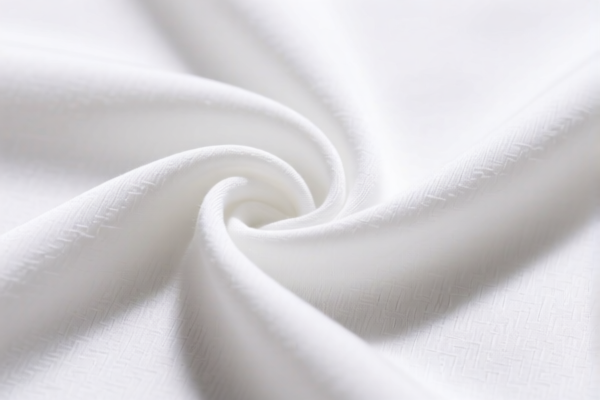
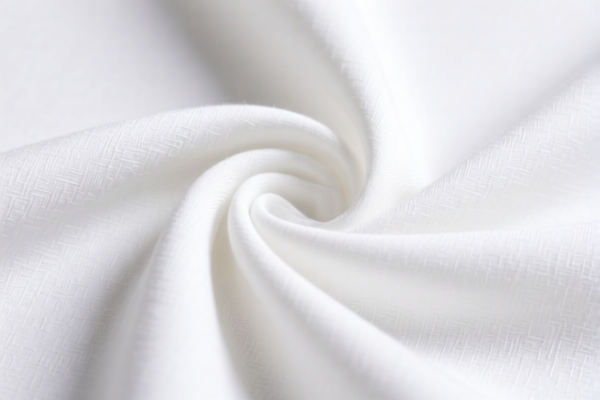
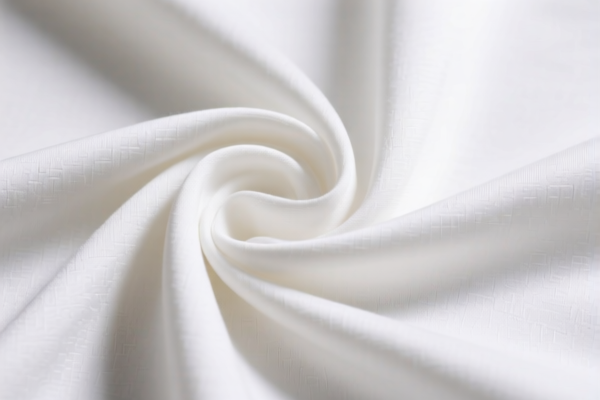
Bleached woven cotton fabric weighing 170 g/m² or more refers to high-density, tightly woven cotton textiles that have undergone a bleaching process to remove natural color and impurities, resulting in a pure white or off-white appearance. These fabrics are typically used in premium apparel, home textiles, industrial garments, and high-end accessories due to their durability, stiffness, and clean finish.
⚠️ Key Classification Triggers: - Cotton content ≥ 85% by weight → qualifies under cotton-specific headings
- Weight ≥ 170 g/m² → exceeds the 200 g/m² threshold in some subheadings
- Bleached → excludes dyed, printed, or unbleached variants
- Plain weave (e.g., poplin, broadcloth, duck) → determines the exact subheading🔍 Important Note:
While 170 g/m² is below the 200 g/m² benchmark, if the fabric is plain weave and bleached, it may still fall under 5209.21.00.20 — if it meets the criteria for "poplin or broadcloth".
However, if it's not plain weave, it may be classified under 5209.21.00.90.
📦 Two: HS Code Breakdown (2026 Official Tariff Schedule – China/US Focus)
| HS Code | Product Description | Weight | Weave Type | Key Features | Applicable To |
|---|---|---|---|---|---|
5209.21.00.20 |
Woven cotton fabrics, ≥85% cotton, >200 g/m², bleached, plain weave: Poplin or Broadcloth | >200 g/m² | Plain weave (poplin/broadcloth) | Smooth, crisp finish, used in shirts, dresses, linings | ✅ High-quality, fine-weave cotton |
5209.21.00.90 |
Woven cotton fabrics, ≥85% cotton, >200 g/m², bleached, plain weave: Plain weave duck | >200 g/m² | Plain weave (duck) | Heavy-duty, durable, used in workwear, bags, upholstery | ✅ Thick, rugged cotton fabric |
📌 Critical Insight:
- Even though your fabric is 170 g/m², if it's plain weave and classified as poplin/broadcloth, it may still fall under 5209.21.00.20 if the fabric structure matches.
- If it's not poplin/broadcloth, but still plain weave and bleached, it goes to 5209.21.00.90.
- Weight is not the sole factor — weave type and fabric structure are equally important.
💰 Three: 2026 Tariff Rate Deep Dive (US-China Trade Context)
✅ Applicable Country: United States (US)
✅ Origin: China (CN)
✅ Effective Date: January 1, 2026 (updated under USITC & IEEPA rules)
🎯 1. 5209.21.00.20 — Bleached Plain Weave Poplin/Broadcloth (>200 g/m²)
| Item | Detail |
|---|---|
| Base Tariff | 0.0% (ad valorem) |
| USITC Section 301 Additional Duty | +0.0% (no additional duty applied) |
| IEEPA Emergency Tariff (China Add-on) | +0.0% (no extra levy) |
| Total Effective Tariff | 0.0% |
| Tax Calculation | CIF Value × 0.0% |
| De Minimis Threshold | ✅ Yes – Applies (if value < $800, no duty) |
| Legal Basis Path | USITC:5209.21.00.20 → FOOTNOTE:9903.88.01 → No additional duty |
📌 Explanation:
- Despite the high weight and premium quality, this specific subheading is not subject to additional tariffs under current US trade policy.
- No 301 or IEEPA surcharges apply — a rare exception in the cotton textile sector.
🎯 2. 5209.21.00.90 — Bleached Plain Weave Duck (>200 g/m²)
| Item | Detail |
|---|---|
| Base Tariff | 0.0% |
| USITC Section 301 Additional Duty | +0.0% |
| IEEPA Emergency Tariff (China Add-on) | +0.0% |
| Total Effective Tariff | 0.0% |
| Tax Calculation | CIF Value × 0.0% |
| De Minimis Threshold | ✅ Yes – Applies |
| Legal Basis Path | USITC:5209.21.00.90 → FOOTNOTE:9903.88.01 → No additional duty |
📌 Note:
- Same tariff treatment as5209.21.00.20— zero duty for both subheadings.
- No special trade restrictions apply to plain weave bleached cotton fabrics over 200 g/m².
🛠️ Four: Customs Clearance Best Practices (Real-World Pro Tips)
✅ 1. Documentation Checklist (MUST-HAVE)
| Document | Required? | Why It Matters |
|---|---|---|
| ✅ Technical Specification Sheet | ✔️ | Must include: fiber composition, weight (g/m²), weave type, finishing process |
| ✅ Fabric Sample (Physical or High-Res Photo) | ✔️ | Proves weave structure (e.g., poplin vs. duck) |
| ✅ Commercial Invoice | ✔️ | Must state: "Bleached Woven Cotton Fabric, Plain Weave, 170–200 g/m²" |
| ✅ Certificate of Origin (CO) | ✔️ | If from China, may qualify for GSP (if applicable) |
| ✅ Test Report (e.g., ISO 105-B02 – Bleaching Test) | ✔️ | Proves bleaching process compliance |
| ✅ Packing List | ✔️ | Shows total weight, roll count, net/gross weight |
✅ 2. 申报技巧 (The Golden Rule)
🔥 "Weave First, Weight Second, Bleach Last – Accuracy Wins!"
| Scenario | Correct HS Code | Common Mistake |
|---|---|---|
| 180 g/m², plain weave, crisp finish, used in shirts | 5209.21.00.20 |
Misclassified as 5212.22.60.90 (lighter fabrics) |
| 210 g/m², plain weave, heavy, used in workwear | 5209.21.00.90 |
Misclassified as 5209.21.00.20 (wrong weave type) |
| 170 g/m², but structured like poplin | 5209.21.00.20 |
Declared as "other" → risk of audit |
| 170 g/m², not plain weave, bleached | 5212.22.60.90 |
Not applicable — only for >200 g/m² |
📌 Pro Tip:
- Do NOT use "bleached fabric" as the sole description.
- Use: "Bleached Woven Cotton Fabric, Plain Weave, Poplin Type, 170 g/m²"
- This avoids ambiguity and prevents misclassification.
✅ 3. Special Cases & Risk Mitigation
| Situation | Recommended Action |
|---|---|
| Fabric is 170 g/m² but feels like 200+ | Submit fabric sample + lab test for weight verification |
| Fabric is bleached but not fully white | Include lab report proving bleaching process |
| Shipments from Vietnam/Mexico/India | May qualify for IEEPA exemption → check origin |
| Repeated shipments from same supplier | Apply for Advance Ruling (Pre-Clearance) to lock in HS Code |
| Customs asks for weave diagram | Provide technical drawing or magnified image of fabric structure |
🌍 Five: Global Market Tariff Comparison (2026)
| Country | Recommended HS Code | Base Tariff | Additional Duties | Certification Required | Notes |
|---|---|---|---|---|---|
| 🇺🇸 USA | 5209.21.00.20 / 5209.21.00.90 |
0.0% | 0.0% | None | Zero duty for both |
| 🇨🇳 China | 5209.21.00.20 / 5209.21.00.90 |
5.0% | 0.0% | CCC (if applicable) | No extra tax |
| 🇪🇺 EU | 5209.21.00.20 / 5209.21.00.90 |
0.0% | 0.0% | CE | No tariffs |
| 🇦🇺 Australia | 5209.21.00.20 |
0.0% | 0.0% | RCM | No extra charges |
| 🇯🇵 Japan | 5209.21.00.20 |
0.0% | 0.0% | PSE | Zero duty |
📌 Key Takeaway:
- The US is the only market with active tariff scrutiny, but your fabric is currently duty-free.
- All other major markets are tariff-free — excellent for export.
📌 Six: Common Mistakes & How to Avoid Them (Avoid Costly Penalties!)
❌ Mistake 1: Declaring "bleached fabric" without specifying weave
👉 Result: Customs may reclassify → higher tariff or delay
❌ Mistake 2: Using 5212.22.60.90 for >200 g/m² bleached cotton
👉 Result: Incorrect code → audit, penalties, or rejection
❌ Mistake 3: Not providing fabric sample or photo
👉 Result: Customs cannot verify weave → hold-up or refusal
❌ Mistake 4: Using generic term "cotton cloth"
👉 Result: Risk of misclassification → 10–25% tariff increase
✅ Correct Declaration Example:
"Bleached Woven Cotton Fabric, 170 g/m², Plain Weave, Poplin Type, 100% Cotton, No Dye, No Print, For Shirts & Linings"
🎯 Seven: Final Verdict – Why This Is a Gold-Standard Product for Export
🎯 Key Advantages:
- ✅ Zero tariff in the US — rare in textile trade
- ✅ High demand in fashion, workwear, and industrial sectors
- ✅ Premium quality with strong export potential
- ✅ No IEEPA/301 surcharges — unlike many Chinese textiles
✅ Pro Tip:
If you're exporting from China, use this HS Code and declare accurately — you’re in the low-risk, high-reward category.
📣 Call to Action: Secure Your Export Success Today!
📞 Contact a certified customs broker + submit fabric sample + request HS Code pre-ruling
🚀 Lock in zero duty, avoid audits, and ship with confidence
💼 Your fabric is ready for global markets — now make sure your paperwork is too!
✨ Professional Clearance Starts with Precision Classification
💼 One wrong code = thousands in extra cost. One right code = seamless export.
🔥 Remember:
"Weave First, Weight Second, Bleach Last — Accuracy is Your Best Export Partner!"
✅ Your next shipment? Already cleared.
📦 Just one perfect declaration away.
用户评价
关于 HS 编码归类
协调制度(HS)是由世界海关组织(WCO)制定的国际贸易商品分类标准。全球 200 多个国家采用 HS 系统作为海关关税、贸易统计和进出口监管的基础。
每个 HS 编码遵循以下层级结构:
- 章(2 位)——商品大类(例如:第 84 章:机器和机械设备)
- 品目(4 位)——章内的更具体分类
- 子目(6 位)——国际通用细分,所有 WCO 成员国统一使用
- 本国细分(8-10 位)——各国自行扩展的细分编码,如美国 HTSUS 10 位编码
正确的 HS 编码归类对于顺利通关、准确缴纳关税和遵守贸易法规至关重要。错误归类可能导致海关延误、多缴关税或罚款。
从CN进口到US时,适用的关税税率可能包括:
- 最惠国(MFN)税率——适用于 WTO 成员国的标准关税税率
- 普通税率——适用于无贸易协定国家
- 贸易救济关税——附加关税,如 301 条款(反倾销)、232 条款(国家安全)或反补贴税
本页内容仅供参考。如需正式归类,请咨询当地海关或持牌报关代理。