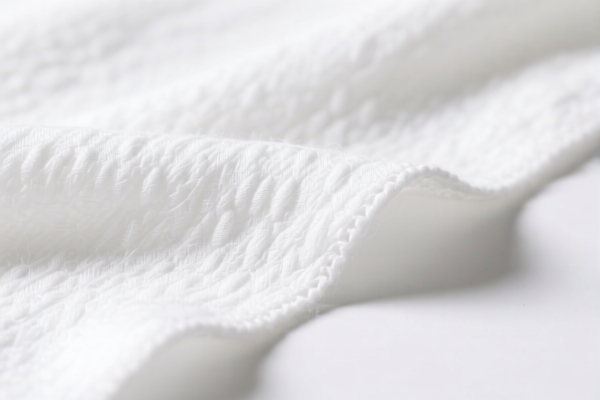
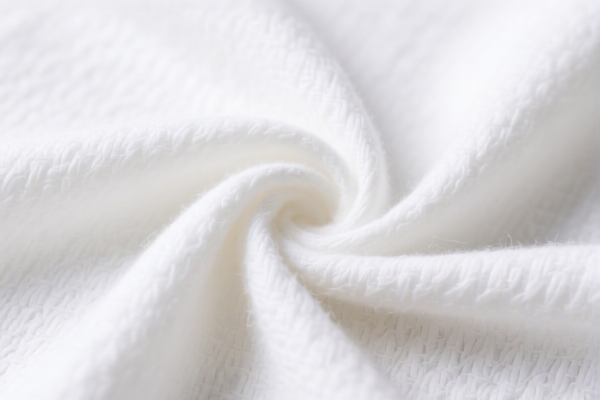
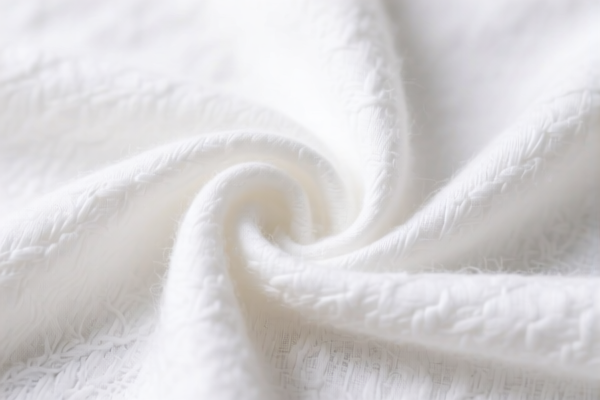
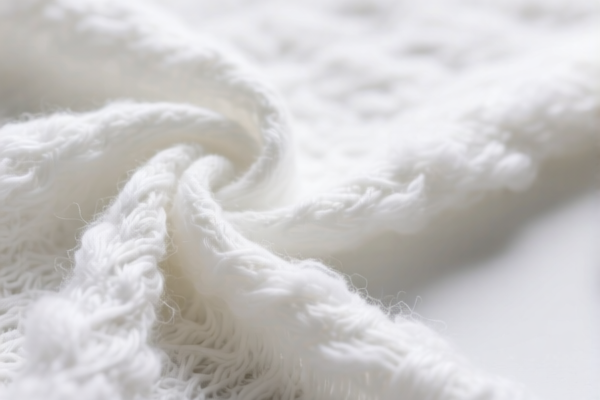
bleached knitted/crocheted cotton fabric for decoration
CN → US| HS编码 | 关税税率 | 原产国 | 目的国 | 文档 |
|---|---|---|---|---|
| 6006219080 | 45.0% | CN | US | 官方文档 |
| 6004100085 | 47.3% | CN | US | 官方文档 |
| 6006219020 | 45.0% | CN | US | 官方文档 |
| 6001910020 | 53.5% | CN | US | 官方文档 |
| 5209210020 | 42.7% | CN | US | 官方文档 |
商品图片
AI分析
🧵 Bleached Knitted/Crocheted Cotton Fabric for Decoration
🌐 HS Code Reference & Customs Clearance Guide | 2026 Latest Tariff Analysis | Professional通关Strategy
📌 I. Product Definition & Classification: What Exactly Is "Bleached Cotton Fabric"?
Bleached knitted/crocheted cotton fabric is a versatile textile material widely used in home decoration (curtains, upholstery, table linens) and apparel. In international trade, its classification depends heavily on fabric structure (weight/texture), knitting method (double vs. single), and processing stage.
⚠️ Key Distinction Points:
- Double-knitted (Interlock/Jersey double layer): Thicker, more stable, often used for heavy decor → Likely 6006.
- Single-knitted or Specific Weight (400g/m²+): Can sometimes fall under 6004 if specific weight criteria are met.
- Wadded/Embroidered vs. Plain: If it’s plain woven/knitted, it stays in Chapter 60. If it’s heavily embroidered or tufted, it might shift to Chapter 58 or 52.
- Bleached: The fabric has undergone chemical whitening, not just "white in color."
📦 II. HS Code Classification Matrix (Based on Provided Data)
Below is the detailed breakdown of the 5 HS Codes provided in the dataset, explaining why each applies and how to choose the correct one for "Bleached Knitted/Crocheted Cotton Fabric for Decoration."
| HS Code | Product Description (Summary) | Key Classification Criteria | Why It Fits "Decoration Fabric" |
|---|---|---|---|
| 6006.21.90.80 | Bleached double-knitted cotton fabric, classified by material & form | Double-knitted structure; >50% cotton; Bleached | ✅ Most Common for Decor: Double-knit is stable, less prone to curling, ideal for curtains/upholstery. |
| 6004.10.00.85 | Bleached knitted cotton fabric, meeting 6004 section characteristics | Specific Weight/Texture: Meets Chapter 60, Heading 6004 criteria (often heavier or specific loop structure) | ✅ Heavy Decor Fabrics: If the fabric is thicker or has a specific "weft-knitted" structure defined in 6004, this applies. |
| 6006.21.90.20 | Bleached knitted cotton fabric, matched to "Other" category | Double-knitted; General "Other" bleached cotton | ✅ Standard Double-Knit: Similar to .80 but different suffix. Use if product specs don’t match .80’s specific "form" definition. |
| 6001.91.00.20 | Bleached knitted cotton fabric, specific processing classification | Pile/Terry/Velour: Likely involves napping, terry, or plush processing | ✅ Textured Decor: If the fabric has a nap, terry loops, or plush surface (e.g., towel-like decor fabric), this applies. |
| 5209.21.00.20 | Bleached cotton fabric, meeting material & bleaching requirements | Woven (Not Knitted): Note: This is a Woven code, not knitted! | ⚠️ Misclassification Risk: Only use if the fabric is Woven, not Knitted/Crocheted. For "Knitted," this code is incorrect unless the fabric is technically woven but declared as knitted by mistake. |
🔍 Critical Note on 5209.21.00.20:
- Chapter 52 is for Cotton Woven Fabrics.
- Chapter 60 is for Knitted/Crocheted Fabrics.
- If your product is truly Knitted, do NOT use 5209.21.00.20. It will cause customs delays or penalties.
- If your product is Woven but labeled "Knitted," correct the name to "Bleached Woven Cotton Fabric" to use 5209.21.00.20.
💰 III. 2026 Latest Tariff Rate Breakdown (US Imports from China)
✅ Applicable Country: United States (US)
✅ Origin: China (CN)
✅ Effective Date: 2025–2026 (Includes Section 301 & 122 Tariffs)
🎯 1. 6006.21.90.80 – Bleached Double-Knitted Cotton Fabric
| Item | Detail |
|---|---|
| Base Tariff | 10.0% |
| Section 301 Add-on | 25.0% |
| Section 122 Add-on | 10.0% |
| Total Tariff | 45.0% |
| Tax Calculation | CIF Value × 45% |
| De Minimis Exemption | ❌ Not Eligible (Value > $800 triggers full duty) |
| Legal Basis | HTSUS 6006.21.90.80 + Section 301 + Section 122 |
📌 Explanation:
- This is a high-tariff category. The 45% total rate includes base duty (10%), US-China trade war tariffs (25%), and additional Section 122 tariffs (10%).
- Cost Impact: For a $10,000 shipment, you pay $4,500 in duties.
- Strategy: Ensure the fabric is truly double-knitted to justify this code. Misclassification as single-knit could lead to audits.
🎯 2. 6004.10.00.85 – Bleached Knitted Cotton Fabric (6004 Section)
| Item | Detail |
|---|---|
| Base Tariff | 12.3% |
| Section 301 Add-on | 25.0% |
| Section 122 Add-on | 10.0% |
| Total Tariff | 47.3% |
| Tax Calculation | CIF Value × 47.3% |
| De Minimis Exemption | ❌ Not Eligible |
| Legal Basis | HTSUS 6004.10.00.85 + Section 301 + Section 122 |
📌 Explanation:
- Highest Tariff in the List: 47.3% is slightly higher than 6006 codes.
- Why?: The base tariff is 12.3% vs. 10% for 6006.
- When to Use: Only if the fabric meets specific weight/structure criteria under Heading 6004 (e.g., heavier gauge, specific loop type).
- Risk: If classified under 6006 instead, you could save 2.3% per unit. Always prefer 6006 if specs allow.
🎯 3. 6006.21.90.20 – Bleached Knitted Cotton (Other Category)
| Item | Detail |
|---|---|
| Base Tariff | 10.0% |
| Section 301 Add-on | 25.0% |
| Section 122 Add-on | 10.0% |
| Total Tariff | 45.0% |
| Tax Calculation | CIF Value × 45.0% |
| De Minimis Exemption | ❌ Not Eligible |
| Legal Basis | HTSUS 6006.21.90.20 + Section 301 + Section 122 |
📌 Explanation:
- Same Total Rate as .80: 45.0%.
- Difference: The suffix (.20 vs .80) may reflect different sub-classifications within "Other" double-knitted fabrics.
- Usage: Use when the fabric is double-knitted but doesn’t meet the specific "form" criteria of .80.
- Strategy: Check with your supplier if the fabric matches .80 specs; otherwise, .20 is the safe fallback.
🎯 4. 6001.91.00.20 – Bleached Knitted Cotton (Specific Processing)
| Item | Detail |
|---|---|
| Base Tariff | 18.5% |
| Section 301 Add-on | 25.0% |
| Section 122 Add-on | 10.0% |
| Total Tariff | 53.5% |
| Tax Calculation | CIF Value × 53.5% |
| De Minimis Exemption | ❌ Not Eligible |
| Legal Basis | HTSUS 6001.91.00.20 + Section 301 + Section 122 |
📌 Explanation:
- Highest Tariff: 53.5%!
- Why?: The base tariff is 18.5% (vs. 10% for 6006).
- When to Use: Only if the fabric is processed (e.g., napped, terry, plush, or flocked).
- Warning: If your fabric is plain knitted, do not use this code. It’s a costly mistake.
- Decoration Use: If you’re selling "plush curtains" or "terry bath mats," this may be correct. Otherwise, avoid.
🎯 5. 5209.21.00.20 – Bleached Cotton Fabric (Woven)
| Item | Detail |
|---|---|
| Base Tariff | 7.7% |
| Section 301 Add-on | 25.0% |
| Section 122 Add-on | 10.0% |
| Total Tariff | 42.7% |
| Tax Calculation | CIF Value × 42.7% |
| De Minimis Exemption | ❌ Not Eligible |
| Legal Basis | HTSUS 5209.21.00.20 + Section 301 + Section 122 |
📌 Explanation:
- Lowest Tariff: 42.7%.
- CRITICAL: This code is for WOVEN cotton fabric, not knitted.
- When to Use: Only if your fabric is Woven (e.g., cotton sheeting, cotton poplin, cotton canvas).
- Risk: If you declare "Knitted" but use this code, customs will flag it as a misdeclaration.
- Strategy: If your fabric is truly knitted, do not use this code. If it’s woven, you save 2.3% vs. 6006 codes.
🛠️ IV. Customs Clearance Practical Advice (Avoid Pitfalls)
✅ 1. Document Checklist (Non-Negotiable)
| Document | Required? | Notes |
|---|---|---|
| ✅ Product Specification Sheet | ✔️ | Must state: Fiber Content (100% Cotton), Construction (Knitted/Woven), Weight (gsm), Bleached Status |
| ✅ Fabric Sample (Lab Dip) | ✔️ | Customs may request a physical sample to verify knit structure |
| ✅ Commercial Invoice | ✔️ | Clearly state "Bleached Knitted Cotton Fabric, for Decoration" |
| ✅ Packing List | ✔️ | Include roll length, width, and gross weight |
| ✅ Certificate of Origin | ✔️ | Proves Chinese origin (triggers tariffs) |
| ✅ Third-Party Test Report | ✔️ | Fiber content test (ASTM D276) and bleach residual test |
✅ 2. Declaration Tips (Key Rules)
🔥 “Knitted vs. Woven is King! Name It Right!”
| Scenario | Correct Declaration | Wrong Declaration |
|---|---|---|
| Double-Knit Fabric | HS 6006.21.90.80 or .20 | 5209.21.00.20 (Woven) → Penalty |
| Single-Knit/Plain Knit | HS 6006.21.90.80 | 6001.91.00.20 (Processed) → Overpay 8.5% |
| Woven Cotton | HS 5209.21.00.20 | 6006... (Knitted) → Misdeclaration |
| Plush/Terry Fabric | HS 6001.91.00.20 | 6006... (Plain) → Underpay Duty, Risk Audit |
| Heavy Knit (6004 Spec) | HS 6004.10.00.85 | 6006... → May Save 2.3% if Correct |
📌 Pro Tip:
- If you’re unsure whether it’s knitted or woven, request a fiber construction report from your supplier.
- Bleached must be declared. If it’s just "white" but not bleached, the base tariff may differ.
✅ 3. Special Cases & Handling
| Situation | Recommendation |
|---|---|
| Mixed Fabrics (Cotton + Polyester) | If <50% cotton, it falls under Chapter 61 or 54/55, not 60 or 52. Recalculate tariffs! |
| Embossed/Printed Fabric | If printed, it may still fall under 6006/5209, but declare "Printed Bleached Cotton Knitted Fabric" |
| Sample Shipments (< $800) | De Minimis Applies! No duty if value < $800 per person per day. But not for commercial batches. |
| OEM Custom Fabric | Provide design specs to prove it’s not a standard commodity |
| Fabric for Home Decor | Ensure it’s labeled for "Home Use" to avoid "Textile Restriction" flags |
🌍 V. Global Market Comparison (2026)
| Market | Recommended HS Code | Estimated Tariff | Key Certification | Notes |
|---|---|---|---|---|
| 🇺🇸 USA | 6006.21.90.80 | 45.0% | None specific | High tariff due to Section 301 & 122 |
| 🇨🇳 China | 6006.21.90 | 8–10% | GB Standards | No Section 301 |
| 🇪🇺 EU | 6006.21 | 12% | OEKO-TEX® | No additional tariffs |
| 🇬🇧 UK | 6006.21 | 12% | UKCA | Post-Brexit rules |
| 🇨🇦 Canada | 6006.21 | 15% | None | NAFTA/USMCA doesn’t apply to China |
📌 Conclusion:
- USA has the highest effective duty rate (45%) for Chinese knitted cotton fabric.
- EU and UK offer lower rates (12%), making them more attractive for re-export.
- China’s domestic tariff is low (8–10%), but import into China from elsewhere may vary.
📌 VI. Common Mistakes & Pitfalls (Learn from Others!)
❌ Mistake 1: Declaring Woven fabric as Knitted
👉 Result: Customs seizes goods, imposes 50% penalty + back duties.
❌ Mistake 2: Using 6001.91.00.20 for plain fabric
👉 Result: Overpay 8.5% more in duties. No benefit.
❌ Mistake 3: Ignoring Section 122 Tariffs
👉 Result: Underestimate costs by 10%. Total duty should include all add-ons.
❌ Mistake 4: Not declaring Bleached status
👉 Result: If it’s bleached, but you declare "Unbleached," customs may reclassify and adjust duty.
✅ Correct Declaration Example:
"BLEACHED KNITTED COTTON FABRIC, 100% COTTON, DOUBLE KNIT, 180GSM, FOR HOME DECORATION, BLEACHED, NO PRINT, NO EMBROIDERY"
🎯 VII. Conclusion: Professional Declaration, Cost Efficiency
🎯 Remember These Keys:
🔹 “Knitted = 6006, Woven = 5209, Plush = 6001”
🔹 “Total Duty = Base + 25% + 10% = ~45% for USA”
🔹 “Verify Fabric Structure Before Declaring!”
📌 Pro Tip:
- If your supplier is in Vietnam, India, or Bangladesh, tariffs may be 0–15% due to trade agreements.
- For USA imports, consider bonded warehouses or foreign trade zones (FTZ) to defer duties.
- Always pre-classify with a customs broker to avoid penalties.
📣 Immediate Action Required:
📞 Contact a Licensed Customs Broker + Provide Fabric Swatch + Request Advance Ruling for your specific batch.
🚀 Optimize Your Supply Chain: If tariffs are too high, explore tariff engineering or country-of-origin shifts.
✨ Precision in Classification Saves Thousands!
💼 Every Fiber Counts in Customs!
用户评价
关于 HS 编码归类
协调制度(HS)是由世界海关组织(WCO)制定的国际贸易商品分类标准。全球 200 多个国家采用 HS 系统作为海关关税、贸易统计和进出口监管的基础。
每个 HS 编码遵循以下层级结构:
- 章(2 位)——商品大类(例如:第 84 章:机器和机械设备)
- 品目(4 位)——章内的更具体分类
- 子目(6 位)——国际通用细分,所有 WCO 成员国统一使用
- 本国细分(8-10 位)——各国自行扩展的细分编码,如美国 HTSUS 10 位编码
正确的 HS 编码归类对于顺利通关、准确缴纳关税和遵守贸易法规至关重要。错误归类可能导致海关延误、多缴关税或罚款。
从CN进口到US时,适用的关税税率可能包括:
- 最惠国(MFN)税率——适用于 WTO 成员国的标准关税税率
- 普通税率——适用于无贸易协定国家
- 贸易救济关税——附加关税,如 301 条款(反倾销)、232 条款(国家安全)或反补贴税
本页内容仅供参考。如需正式归类,请咨询当地海关或持牌报关代理。