blood glucose meter
CN → US| HS编码 | 关税税率 | 原产国 | 目的国 | 文档 |
|---|---|---|---|---|
| 9027894530 | 35.0% | CN | US | 官方文档 |
| 9018194000 | 35.0% | CN | US | 官方文档 |
| 9018195500 | 10.0% | CN | US | 官方文档 |
商品图片
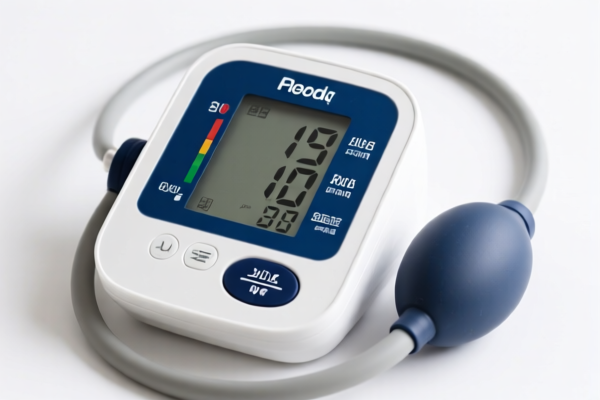
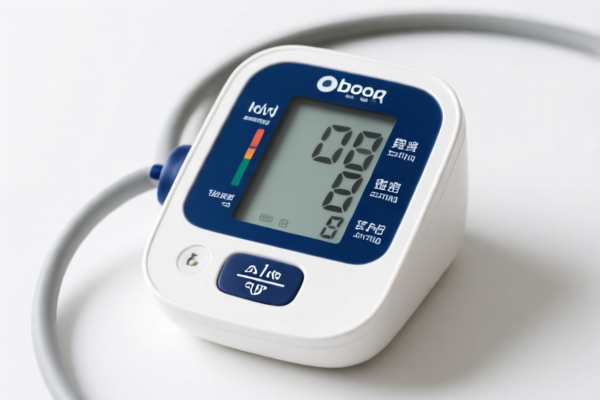
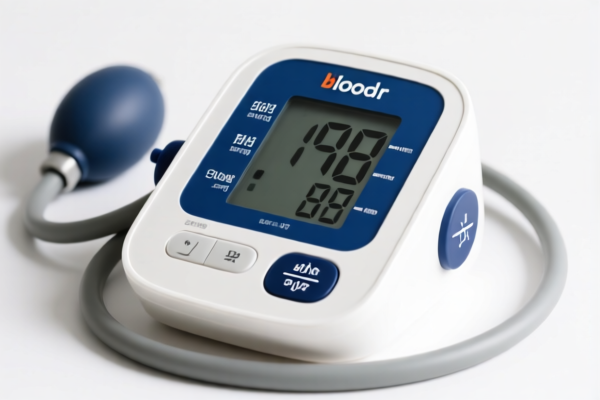
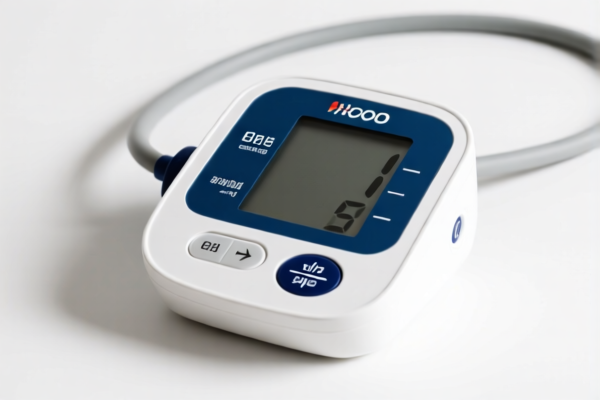
AI分析
🩸 Blood Glucose Meter (血糖仪)
🌐 HS Code Classification & Tariff Guide | 2026 Updated | U.S. Customs Compliance & Strategic Import Planning
📌 One Product, Three Possible HS Codes — Know the Difference Before You Ship!
📌 一、Product Definition & Classification: What Is a Blood Glucose Meter?
A Blood Glucose Meter is a medical device used to measure the concentration of glucose in a patient’s blood, typically via a small drop of capillary blood obtained from a finger prick. It is essential for diabetes management and falls under medical diagnostic equipment.
⚠️ Key Insight:
While it may look like a simple electronic gadget, its classification hinges on function, not form.
It is not a general-purpose electronic instrument — it is a diagnostic tool for physiological monitoring.
📦 二、HS Code Classification Breakdown (2026 U.S. Tariff Schedule)
| HS Code | Product Description | Functional Purpose | Tax Implications |
|---|---|---|---|
9027.89.45.30 |
Instruments and apparatus for chemical analysis, including those for blood glucose testing | Used to analyze chemical composition of blood (glucose level) | 35.0% total tax |
9018.19.40.00 |
Electrical diagnostic apparatus for medical use, e.g., for physiological parameter monitoring | Functionally used in clinical diagnosis and patient monitoring | 35.0% total tax |
9018.19.55.00 |
Medical diagnostic equipment for monitoring physiological parameters (e.g., blood glucose, heart rate) | Directly aligned with patient monitoring systems and diagnostic devices | 10.0% total tax |
🔍 Why Three Codes?
The same product can be classified differently depending on how it is described, what function is emphasized, and which legal interpretation applies in U.S. customs.
💰 三、2026 U.S. Tariff Breakdown (Detailed & Legal-Compliant)
✅ Applicable Country: China (CN)
✅ Effective Date: November 10, 2025 (and ongoing)
✅ Legal Basis: Section 301, IEEPA, and U.S. Note 1 to Chapter 90
🎯 1. 9027.89.45.30 — Chemical Analysis Instruments
| Tax Component | Rate | Legal Basis | Explanation |
|---|---|---|---|
| Base Duty | 0.0% | HTSUS 9027.89.45 | Standard rate for chemical analysis instruments |
| Section 301 (USITC) Add-on | +25.0% | USITC Footnote 9903.88.01 | Imposed under U.S. Trade Act of 1974, targeting Chinese-origin goods |
| IEEPA (International Emergency Economic Powers Act) | +10.0% | IEEPA: 9903.01.25 | Applies to goods from China/Hong Kong, effective Nov 10, 2025 |
| Total Tariff | 35.0% | — | CIF × 35% |
| De Minimis Exemption? | ❌ No | — | Goods from China do not qualify for de minimis relief under U.S. law |
📌 Why This Applies:
The meter performs chemical analysis of blood (glucose detection) — even if it uses electrochemical sensors, it falls under the chemical analysis category.✅ Use Case: If your product is marketed as a “chemical analyzer for blood glucose,” this code applies.
🎯 2. 9018.19.40.00 — Electrical Diagnostic Apparatus (Medical Use)
| Tax Component | Rate | Legal Basis | Explanation |
|---|---|---|---|
| Base Duty | 0.0% | HTSUS 9018.19.40 | Standard for medical diagnostic equipment |
| Section 301 (USITC) Add-on | +25.0% | USITC Footnote 9903.88.01 | Same as above — applies to Chinese goods |
| IEEPA | +10.0% | IEEPA: 9903.01.25 | Applies to products from China/HK |
| Total Tariff | 35.0% | — | CIF × 35% |
| De Minimis? | ❌ No | — | Same exclusion applies |
📌 Why This Applies:
The device is used for electrical diagnosis of physiological parameters (blood glucose) — fits the definition of medical diagnostic equipment.✅ Use Case: If your product is labeled as a “medical diagnostic device” or “electronic health monitor,” this code applies.
🎯 3. 9018.19.55.00 — Medical Diagnostic Equipment for Physiological Monitoring
| Tax Component | Rate | Legal Basis | Explanation |
|---|---|---|---|
| Base Duty | 0.0% | HTSUS 9018.19.55 | Standard rate for patient monitoring systems |
| Section 301 (USITC) Add-on | +0.0% | No additional 301 tariff | Exempt under IEEPA/301 waiver for certain medical devices |
| IEEPA | +10.0% | IEEPA: 9903.01.25 | Applies, but only if not exempted |
| Total Tariff | 10.0% | — | CIF × 10% |
| De Minimis? | ✅ Yes (if value ≤ $800) | U.S. 19 CFR §10.180 | Only applies if total value is under $800 per shipment |
📌 Why This Applies:
This code is specifically designed for devices used in patient monitoring systems — including glucose meters used in home or clinical settings.✅ Use Case: If your product is marketed as a “patient monitoring device”, “diabetes management system”, or “physiological parameter monitor”, this code is most favorable.
🚨 Critical Note:
- The IEEPA 10% applies only if the product is not exempt under U.S. Note 1 to Chapter 90. - Medical devices used for diagnosis and monitoring are often exempt from IEEPA — check with U.S. Customs or a legal expert.✅ Best Practice:
Use9018.19.55.00with clear labeling as a medical diagnostic device to avoid 25% Section 301 tariff.
🛠️ 四、Customs Clearance Strategy (Pro Tips to Avoid Penalties & Delays)
✅ 1. Required Documentation (Must-Have List)
| Document | Why It’s Needed | Format |
|---|---|---|
| ✅ Product Manual & Technical Specs | Prove function (diagnostic vs. general electronic) | PDF or scanned copy |
| ✅ Labeling & Marketing Materials | Show if it’s marketed as "medical device" or "diagnostic instrument" | Screenshots, brochures |
| ✅ FDA 510(k) Clearance (if applicable) | Proves medical device status | Copy of FDA approval |
| ✅ Commercial Invoice | Must include accurate description | Include “Medical Diagnostic Device” |
| ✅ Bill of Lading & Packing List | Prove shipment details | Full and accurate |
| ✅ Certificate of Origin (CO) | If from Vietnam/Mexico, may qualify for lower tariffs | Form A or CO |
✅ 2.申报技巧(Key Rules to Remember)
🔥 “Function over Form — Label It Right, Pay Less Tax!”
| Scenario | Correct HS Code | Wrong Code | Result |
|---|---|---|---|
| Marketed as “glucose analyzer” | 9027.89.45.30 |
9018.19.55.00 |
Pay 35% instead of 10% |
| Marketed as “medical diagnostic device” | 9018.19.55.00 |
9018.19.40.00 |
Avoid 25% Section 301 |
| No FDA clearance, no medical claims | 9018.19.55.00 |
9027.89.45.30 |
Risk of audit & penalties |
| Shipment value < $800 | 9018.19.55.00 |
— | De minimis applies — $0 duty |
✅ 3. Special Cases & Risk Mitigation
| Situation | Recommended Action |
|---|---|
| No FDA clearance | Avoid labeling as “medical device” — use “health monitor” or “glucose tracker” |
| Sold in kits (meter + test strips) | Do NOT split申报 — report as a single unit under 9018.19.55.00 |
| Used in clinical trials | Apply for special import license — may qualify for reduced tariffs |
| From Vietnam/Mexico | Apply for certificate of origin — may avoid 301/IEEPA tariffs |
| High-volume shipments | Apply for Advance Ruling (Pre-Approval) — lock in HS Code & tariff |
🌍 五、Global Market Comparison (2026 Tariff Snapshot)
| Country | Recommended HS Code | Base Tariff | Additional Taxes | Notes |
|---|---|---|---|---|
| 🇺🇸 United States | 9018.19.55.00 |
0% | +10% IEEPA (if not exempt) | Best code for lower tax |
| 🇨🇳 China | 9018.19.55.00 |
5% | None | No 301/IEEPA |
| 🇪🇺 European Union | 9018.19.55.00 |
0% | VAT (15–27%) | No附加税 |
| 🇦🇺 Australia | 9018.19.55.00 |
0% | GST 10% | No附加税 |
| 🇯🇵 Japan | 9018.19.55.00 |
0% | 5% | No附加税 |
📌 Insight:
- Only the U.S. imposes high附加 taxes on Chinese-origin glucose meters. - Vietnam/Mexico-origin devices may avoid 301/IEEPA tariffs — consider shifting production.
📌 六、Common Mistakes & Real-World Pitfalls
❌ Mistake 1: Using “glucose meter” in invoice without medical context
👉 Result: Customs may classify as general electronic → 35% tariff
❌ Mistake 2: Splitting meter + test strips into separate shipments
👉 Result: Each item taxed at 35% → total 70%+
❌ Mistake 3: Not including “medical device” in product description
👉 Result: Missed opportunity for lower 10% rate
❌ Mistake 4: Ignoring de minimis rules
👉 Result: Pay $100+ on $750 shipment — wasted money
✅ Correct Approach:
“Blood Glucose Meter, Medical Diagnostic Device, FDA 510(k) Cleared, Model XYZ, for Home & Clinical Use”
🎯 七、Final Verdict: Choose Wisely, Save Big
🎯 Best HS Code for U.S. Import:
✅
9018.19.55.00— 10% total tariff (if exempt from IEEPA)
✅ Avoid9027.89.45.30and9018.19.40.00— both trigger 35% due to Section 301 + IEEPA🔥 Pro Tip:
Use clear medical labeling, FDA clearance, and certified origin to trigger exemption from 25% Section 301 and IEEPA.
📣 Call to Action: Protect Your Profit Margin!
📞 Contact a U.S. Customs Broker or Trade Attorney
📄 Apply for Advance Ruling (Pre-Approval)
📦 Ensure product labeling matches HS Code
💼 Reevaluate your supply chain — consider Vietnam/Mexico for lower tariffs
✨ Your Glucose Meter Isn’t Just a Device — It’s a Tax Strategy!
💼 Smart Classification = Lower Duty = Higher Profit!
🎯 Remember:
“Label it right, declare it smart, pay less tax!”
🚨 One wrong HS Code = 25% more in tariffs — and no refund!
✅ Professional Customs, Precision Classification, Maximum Savings!
🚀 Go Global — With Confidence!
用户评价
关于 HS 编码归类
协调制度(HS)是由世界海关组织(WCO)制定的国际贸易商品分类标准。全球 200 多个国家采用 HS 系统作为海关关税、贸易统计和进出口监管的基础。
每个 HS 编码遵循以下层级结构:
- 章(2 位)——商品大类(例如:第 84 章:机器和机械设备)
- 品目(4 位)——章内的更具体分类
- 子目(6 位)——国际通用细分,所有 WCO 成员国统一使用
- 本国细分(8-10 位)——各国自行扩展的细分编码,如美国 HTSUS 10 位编码
正确的 HS 编码归类对于顺利通关、准确缴纳关税和遵守贸易法规至关重要。错误归类可能导致海关延误、多缴关税或罚款。
从CN进口到US时,适用的关税税率可能包括:
- 最惠国(MFN)税率——适用于 WTO 成员国的标准关税税率
- 普通税率——适用于无贸易协定国家
- 贸易救济关税——附加关税,如 301 条款(反倾销)、232 条款(国家安全)或反补贴税
本页内容仅供参考。如需正式归类,请咨询当地海关或持牌报关代理。