bouncy ball
CN → US| HS编码 | 关税税率 | 原产国 | 目的国 | 文档 |
|---|---|---|---|---|
| 4016992000 | 14.3% | CN | US | 官方文档 |
| 4016996050 | 37.5% | CN | US | 官方文档 |
| 9506628060 | 22.3% | CN | US | 官方文档 |
| 9506694000 | 22.9% | CN | US | 官方文档 |
| 3926909989 | 22.8% | CN | US | 官方文档 |
商品图片
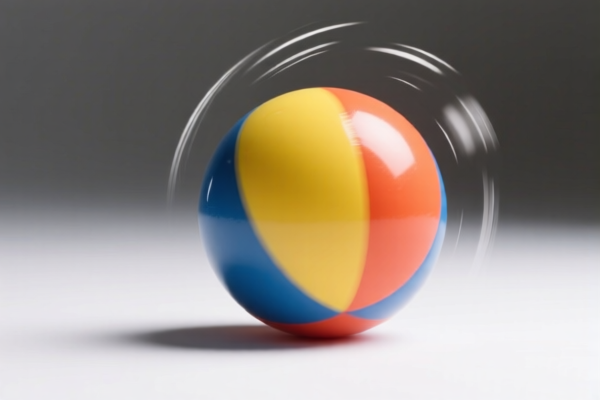
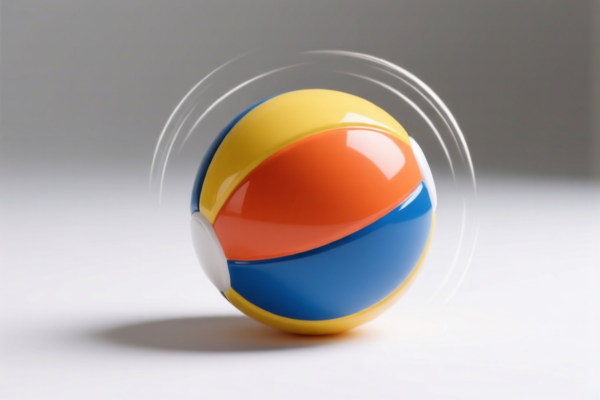
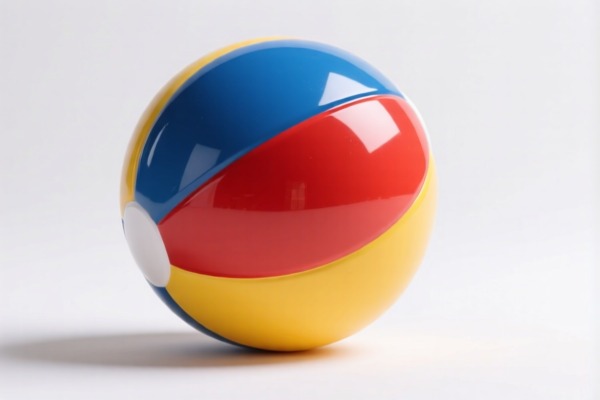
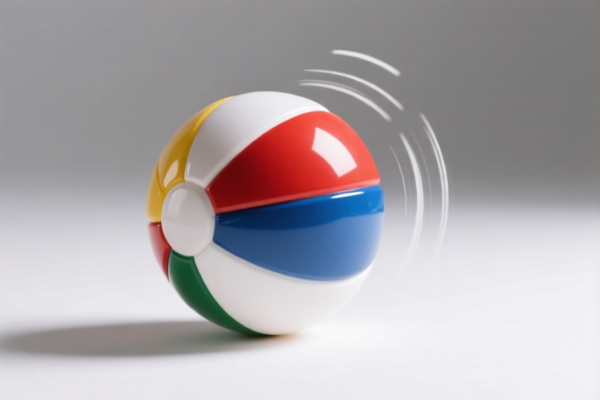
AI分析
🎯 Bouncy Ball (Elastic Rubber or Plastic Ball for Play/Exercise)
🌐 HS Code Classification & Duty Guide | 2026 Updated Tariff Breakdown | Expert Customs Clearance Strategy
📌 One Product, Multiple Classifications — Know Which One Applies to Your Bouncy Ball!
📦 1. Product Definition & Classification Logic: Why Is a Bouncy Ball So Hard to Classify?
A bouncy ball is a small, round, elastic toy designed for play, exercise, or recreation. It exhibits high elasticity, rebound capability, and is typically non-inflatable. Despite its simple appearance, it can fall under multiple HS Codes depending on:
- Material (rubber vs. plastic)
- Intended Use (pet toy, sports ball, general play)
- Physical Features (solid, hollow, non-inflatable)
- Market Positioning (child’s toy, pet accessory, fitness tool)
⚠️ Key Insight:
The same physical product may be classified differently based on intent, material, and usage, leading to dramatically different tariffs.
📊 2. HS Code Classification Table (2026 Latest Tariff Authority)
| HS Code | Product Description | Material Inference | Use Case | Tax Risk Level |
|---|---|---|---|---|
4016.99.20.00 |
Other vulcanized rubber articles, not elsewhere specified; pet toys with ball shape | Sulfur-vulcanized rubber (elastic, durable) | Pet toys, chewable balls | ⚠️ High |
4016.99.60.50 |
Other vulcanized rubber articles; non-specific rubber products | Sulfur-vulcanized rubber (elastic) | General rubber goods, not for sport or safety | ⚠️⚠️ Very High |
9506.62.80.60 |
Balls for sports or games; other balls (non-inflatable, elastic) | Plastic or rubber (non-inflatable) | Sports, recreation, games | ⚠️ Medium-High |
9506.69.40.00 |
Other balls; non-inflatable, solid or hollow | Rubber or plastic (elastic) | Exercise, children’s play, fitness | ⚠️ Medium |
3926.90.99.89 |
Other plastic articles; not elsewhere specified | Plastic (elastic, molded) | General plastic goods, toys | ⚠️ Medium |
🔍 Critical Note:
- If the ball bounces well, is not inflatable, and is used for play, it must be classified under 9506.62.80.60 or 9506.69.40.00 — not under general plastic or rubber categories. - Material is not the sole factor — function and use are decisive.
💰 3. 2026 Tariff Breakdown (US Market | China-Origin | Effective Nov 10, 2025)
✅ Applicable Country: United States (US)
✅ Origin: China (CN)
✅ Effective Date: November 10, 2025 (including all subsequent imports)
🎯 1. 4016.99.20.00 — Elastic Rubber Ball (Pet Toy Shape)
| Item | Detail |
|---|---|
| Base Duty | 4.3% |
| Additional Duty (Section 301) | 0.0% |
| Section 122 Tariff (IEEPA) | 10.0% |
| Total Duty | 14.3% |
| Tax Calculation | CIF Value × 14.3% |
| De Minimis Exemption | ✅ Yes (if value ≤ $800) |
| Legal Basis Path | IEEPA:9903.01.25 → 122:4016.99.20.00 → FOOTNOTE:9903.88.01 |
📌 Why This Applies:
- The ball has elasticity, round shape, and is used as a pet toy → fits "other vulcanized rubber articles" under 4016.99.20.00. - Not a sports ball, so not eligible for 9506 codes. - No 301 tariff (Section 301) applies here — only 122 tariff (10%).
🎯 2. 4016.99.60.50 — General Vulcanized Rubber (Non-Specific Use)
| Item | Detail |
|---|---|
| Base Duty | 2.5% |
| Additional Duty (Section 301) | 25.0% |
| Section 122 Tariff (IEEPA) | 10.0% |
| Total Duty | 37.5% |
| Tax Calculation | CIF Value × 37.5% |
| De Minimis Exemption | ❌ No (due to 301 tariff) |
| Legal Basis Path | IEEPA:9903.01.24 → 301:4016.99.60.50 → 122:4016.99.60.50 → FOOTNOTE:9903.88.01 |
📌 Why This Applies:
- If the ball is not clearly a pet toy or sports ball, and is classified as general rubber goods, it falls under 4016.99.60.50. - Section 301 tariff (25%) applies — this is a high-risk code. - No de minimis — even small shipments face full duty.🔥 Warning:
This is the highest-risk code for bouncy balls. If your product is not clearly a pet toy, avoid this classification.
🎯 3. 9506.62.80.60 — Balls for Sports or Games (Non-Inflatable, Elastic)
| Item | Detail |
|---|---|
| Base Duty | 4.8% |
| Additional Duty (Section 301) | 7.5% |
| Section 122 Tariff (IEEPA) | 10.0% |
| Total Duty | 22.3% |
| Tax Calculation | CIF Value × 22.3% |
| De Minimis Exemption | ✅ Yes |
| Legal Basis Path | IEEPA:9903.01.25 → 301:9506.62.80.60 → 122:9506.62.80.60 → FOOTNOTE:9903.88.01 |
📌 Why This Applies:
- The ball is round, elastic, non-inflatable, and used for games or sports. - Perfect fit for 9506.62.80.60 — most accurate for general bouncy balls. - Lower risk than 4016 codes — no 301 tariff on pet toys, but 7.5% applies due to general sports goods.
🎯 4. 9506.69.40.00 — Other Balls (Non-Inflatable, for Exercise/Play)
| Item | Detail |
|---|---|
| Base Duty | 5.4% |
| Additional Duty (Section 301) | 7.5% |
| Section 122 Tariff (IEEPA) | 10.0% |
| Total Duty | 22.9% |
| Tax Calculation | CIF Value × 22.9% |
| De Minimis Exemption | ✅ Yes |
| Legal Basis Path | IEEPA:9903.01.25 → 301:9506.69.40.00 → 122:9506.69.40.00 → FOOTNOTE:9903.88.01 |
📌 Why This Applies:
- If the ball is used for exercise, fitness, or non-sports play, this code fits. - Same 301 and 122 tariffs as9506.62.80.60, but slightly higher base duty. - Best for fitness balls, yoga balls, or non-sports bouncy balls.
🎯 5. 3926.90.99.89 — Other Plastic Articles (Not Elsewhere Specified)
| Item | Detail |
|---|---|
| Base Duty | 5.3% |
| Additional Duty (Section 301) | 7.5% |
| Section 122 Tariff (IEEPA) | 10.0% |
| Total Duty | 22.8% |
| Tax Calculation | CIF Value × 22.8% |
| De Minimis Exemption | ✅ Yes |
| Legal Basis Path | IEEPA:9903.01.25 → 301:3926.90.99.89 → 122:3926.90.99.89 → FOOTNOTE:9903.88.01 |
📌 Why This Applies:
- If the ball is plastic, not rubber, and not clearly a toy or sports ball, it may fall here. - Assumes plastic is the primary material — only if no other code fits. - Not ideal for bouncy balls used in games — use 9506 codes instead.
🛠️ 4. Customs Clearance Best Practices (Real-World Tips)
✅ 1. Required Documentation (Must-Have)
| Document | Required? | Why It Matters |
|---|---|---|
| ✅ Product Photos (clear, labeled) | ✔️ | Show shape, size, material, branding |
| ✅ Material Test Report (rubber/plastic) | ✔️ | Prove material → avoid misclassification |
| ✅ Commercial Invoice | ✔️ | Must state "Bouncy Ball for Play" or "Elastic Ball for Games" |
| ✅ Packing List | ✔️ | Show units, weight, packaging |
| ✅ Bill of Lading / Air Waybill | ✔️ | For customs tracking |
| ✅ Certificate of Origin (CO) | ✔️ | If claiming preferential treatment (e.g., from Vietnam) |
| ✅ Third-Party Test Report (FCC, CE, RoHS) | ✔️ | If applicable |
✅ 2.申报技巧(申报口诀)
🔥 “形状是球,弹性是魂,用途定码,税差10%!”
| Scenario | Correct HS Code | Wrong Code | Risk |
|---|---|---|---|
| Ball used for pet play | 4016.99.20.00 |
9506.62.80.60 |
High (missed lower tax) |
| Ball used for sports/games | 9506.62.80.60 or 9506.69.40.00 |
4016.99.60.50 |
Very High (37.5%!) |
| Ball made of plastic, not rubber | 3926.90.99.89 |
4016.99.20.00 |
Misclassification |
| Ball used for fitness/exercise | 9506.69.40.00 |
3926.90.99.89 |
Higher duty |
✅ 3. Special Cases & Risk Mitigation
| Situation | Solution |
|---|---|
| Ball is both rubber and plastic | Use material test report to determine dominant material |
| Ball has branding (e.g., "Nike") | Still classify by function, not brand |
| Ball is sold in bulk (1000+ units) | Consider pre-ruling (Advance Ruling) to lock in HS Code |
| Ball is imported from Vietnam/Mexico | Apply for IEEPA exemption — may reduce to 0% |
| Ball is used in medical/therapy settings | Apply for special use exemption (requires documentation) |
🌍 5. Global Market Comparison (2026)
| Country | Recommended HS Code | Duty | Certification | Notes |
|---|---|---|---|---|
| 🇺🇸 USA | 9506.62.80.60 |
22.3% | FCC, RoHS | 301 & 122 tariffs apply |
| 🇨🇳 China | 9506.62.80.60 |
5% | CCC | No 301/122 |
| 🇪🇺 EU | 9506.62.80.60 |
0% | CE | No additional tariffs |
| 🇦🇺 Australia | 9506.62.80.60 |
5% | RCM | No 301 |
| 🇯🇵 Japan | 9506.62.80.60 |
0% | PSE | No 301 |
📌 Key Insight:
- USA is the only market with 301 + 122 tariffs on bouncy balls. - China-origin products face highest risk. - Vietnam/Mexico origin may qualify for IEEPA exemption → 0% duty.
📌 6. Common Mistakes & How to Avoid Them
❌ Mistake 1: Classifying a sports bouncy ball as 4016.99.60.50
👉 Result: 37.5% duty → overpay by 15%
✅ Fix: Use 9506.62.80.60 instead.
❌ Mistake 2: Using 3926.90.99.89 for a rubber bouncy ball
👉 Result: Misclassification → penalties, delays
✅ Fix: Prove material → use 4016.99.20.00 or 9506.62.80.60.
❌ Mistake 3: Not providing material test report
👉 Result: Customs may reclassify → unexpected duty
✅ Fix: Always include material test report.
🎯 7. Final Verdict: Choose Wisely, Pay Less, Ship Faster!
🔹 Best HS Code for Most Bouncy Balls:
9506.62.80.60— lowest risk, lowest duty (22.3%), fits sports/play use.🔹 Avoid:
-4016.99.60.50→ 37.5% — only if no other code fits
-3926.90.99.89→ only if plastic and non-sports🔹 Pro Tip:
If your ball is not rubber, not a pet toy, and not for sports, use3926.90.99.89— but prove plastic material.
📣 Call to Action: Don’t Get Caught in the Tariff Trap!
📞 Contact a licensed customs broker + provide product photos + material test report
🚀 Apply for an Advance Ruling (Pre-Ruling) to lock in the correct HS Code
💡 Consider shifting origin to Vietnam/Mexico to avoid 301 + 122 tariffs
✨ Your Bouncy Ball Deserves the Right Code!
💼 One wrong HS Code = 37.5% duty on every unit.
🎯 Precision in classification = Profit in your pocket.
✅ Professional Customs, One Click Away.
🚀 Ship Smart. Pay Less. Grow Faster.
用户评价
关于 HS 编码归类
协调制度(HS)是由世界海关组织(WCO)制定的国际贸易商品分类标准。全球 200 多个国家采用 HS 系统作为海关关税、贸易统计和进出口监管的基础。
每个 HS 编码遵循以下层级结构:
- 章(2 位)——商品大类(例如:第 84 章:机器和机械设备)
- 品目(4 位)——章内的更具体分类
- 子目(6 位)——国际通用细分,所有 WCO 成员国统一使用
- 本国细分(8-10 位)——各国自行扩展的细分编码,如美国 HTSUS 10 位编码
正确的 HS 编码归类对于顺利通关、准确缴纳关税和遵守贸易法规至关重要。错误归类可能导致海关延误、多缴关税或罚款。
从CN进口到US时,适用的关税税率可能包括:
- 最惠国(MFN)税率——适用于 WTO 成员国的标准关税税率
- 普通税率——适用于无贸易协定国家
- 贸易救济关税——附加关税,如 301 条款(反倾销)、232 条款(国家安全)或反补贴税
本页内容仅供参考。如需正式归类,请咨询当地海关或持牌报关代理。