braided handbag eco friendly materials
CN → US| HS编码 | 关税税率 | 原产国 | 目的国 | 文档 |
|---|---|---|---|---|
| 4602112100 | 41.2% | CN | US | 官方文档 |
| 4202224020 | 42.4% | CN | US | 官方文档 |
| 4202228980 | 52.6% | CN | US | 官方文档 |
| 4602192920 | 40.3% | CN | US | 官方文档 |
商品图片
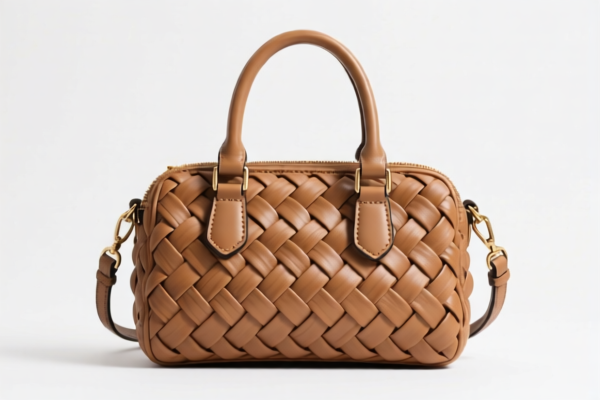
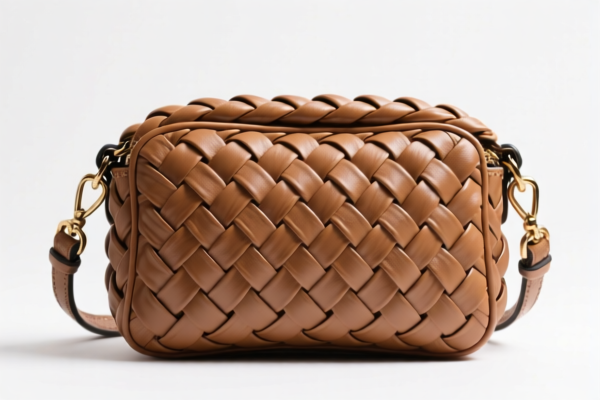

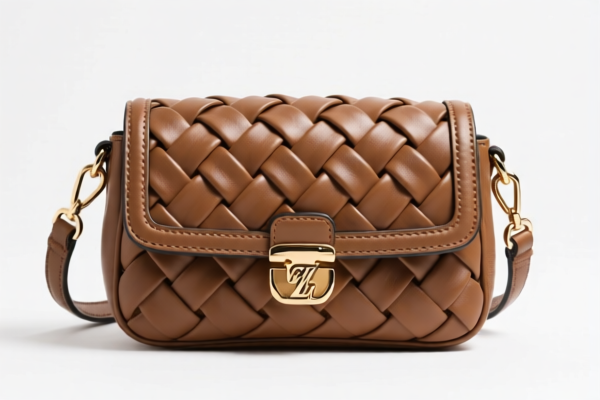
AI分析
🌿 Braided Handbag Made from Eco-Friendly Materials
🌐 HS Code & Tariff Guide | 2026 Latest Customs Classification | Sustainable Import Strategy
📌 One. Product Definition & Classification: What Makes a Handbag "Eco-Friendly"?
A braided handbag made from eco-friendly materials refers to a handcrafted or mass-produced bag constructed using natural, renewable, or sustainable plant-based fibers such as bamboo, rattan, palm leaf, jute, sisal, or other non-synthetic woven materials. These materials are biodegradable, low-impact in production, and often sourced from sustainable farming or wild-harvested plants.
⚠️ Key Distinction:
- If the bag is woven entirely from natural plant fibers (e.g., bamboo, rattan, palm) → HS Code 4602.11.21.00 or 4602.19.29.20
- If the bag uses synthetic or mixed textile materials (e.g., polyester, cotton blends, artificial fibers) → HS Code 4202.22.40.20 or 4202.22.89.80🌱 Eco-Friendly Criteria: - No synthetic plastics or petroleum-based fabrics - Biodegradable & compostable at end-of-life - Low carbon footprint in production & transport - Fair-trade & ethically sourced raw materials
📦 Two. HS Code Classification Details (2026 Official Tariff Reference)
| HS Code | Product Description | Material Type | Key Features |
|---|---|---|---|
4602.11.21.00 |
Braided handbags made from bamboo, rattan, or other plant materials | Natural plant fibers (e.g., bamboo, rattan) | Fully natural, hand-woven, eco-friendly |
4202.22.40.20 |
Braided handbags made from other woven materials | Synthetic or mixed fiber braids (e.g., jute blends, recycled fibers) | May include non-plant fibers |
4202.22.89.80 |
Braided handbags made from other textile materials | Cotton, rayon, polyester, or blended fabrics | Includes synthetic or mixed textiles |
4602.19.29.20 |
Braided handbags made from other plant-based woven products | Natural fiber crafts (e.g., palm leaf, straw, reed) | Often artisanal, rural craftsmanship |
🔍 Critical Note:
- "Braided" = woven in a continuous loop pattern (not stitched or molded)
- "Plant material" = includes bamboo, rattan, palm, reed, etc. — not cotton or synthetic fibers
- "Other textile materials" = includes cotton, rayon, polyester — even if recycled
💰 Three. 2026 Latest Tariff Breakdown (US Import Rules | China Origin)
✅ Applicable Country: United States (US)
✅ Origin: China (CN)
✅ Effective Date: November 10, 2025 (with ongoing enforcement)
🎯 1. 4602.11.21.00 — Braided Handbag, Bamboo/Rattan/Plant Materials
| Item | Detail |
|---|---|
| Base Duty | 6.2% (ad valorem) |
| Section 301 Tariff (USITC) | +25.0% |
| Section 122 Tariff (IEEPA) | +10.0% |
| Total Effective Duty | 41.2% |
| Tax Calculation | CIF Value × 41.2% |
| De Minimis Threshold | ❌ Not eligible (denied under 99.15.11.01) |
| Legal Basis Path | IEEPA:9903.01.25 → IEEPA:9903.01.24 → USITC:4602.11.21.00 → FOOTNOTE:9903.88.01 |
📌 Explanation:
- 25% USITC Tariff: Imposed under Section 301 of the Trade Act of 1974 for unfair trade practices by China.
- 10% IEEPA Tariff: Enforced under the International Emergency Economic Powers Act for national security concerns.
- 6.2% Base Duty: Standard tariff for natural fiber woven goods.
- Total: 41.2% — Highly impactful for eco-conscious importers.
🎯 2. 4202.22.40.20 — Braided Handbag, Woven Materials (Non-Plant)
| Item | Detail |
|---|---|
| Base Duty | 7.4% |
| Section 301 Tariff (USITC) | +25.0% |
| Section 122 Tariff (IEEPA) | +10.0% |
| Total Effective Duty | 42.4% |
| Tax Calculation | CIF × 42.4% |
| De Minimis | ❌ Not eligible |
| Legal Basis Path | IEEPA:9903.01.25 → IEEPA:9903.01.24 → USITC:4202.22.40.20 → FOOTNOTE:9903.88.01 |
📌 Note:
- Even if the material is recycled or eco-friendly, if it's not pure plant fiber, it falls under this higher-tier code.
- Example: Jute-cotton blend or recycled polyester braid → 42.4% duty.
🎯 3. 4202.22.89.80 — Braided Handbag, Other Textile Materials
| Item | Detail |
|---|---|
| Base Duty | 17.6% |
| Section 301 Tariff (USITC) | +25.0% |
| Section 122 Tariff (IEEPA) | +10.0% |
| Total Effective Duty | 52.6% |
| Tax Calculation | CIF × 52.6% |
| De Minimis | ❌ Not eligible |
| Legal Basis Path | IEEPA:9903.01.25 → IEEPA:9903.01.24 → USITC:4202.22.89.80 → FOOTNOTE:9903.88.01 |
📌 Warning:
- This is the highest tariff tier for braided handbags.
- Applies to bags made from cotton, rayon, polyester, or any blended textile — even if recycled.
- Example: A "eco-friendly" bag made from recycled polyester braid still triggers 52.6% duty.
🎯 4. 4602.19.29.20 — Braided Handbag, Other Plant-Based Woven Products
| Item | Detail |
|---|---|
| Base Duty | 5.3% |
| Section 301 Tariff (USITC) | +25.0% |
| Section 122 Tariff (IEEPA) | +10.0% |
| Total Effective Duty | 40.3% |
| Tax Calculation | CIF × 40.3% |
| De Minimis | ❌ Not eligible |
| Legal Basis Path | IEEPA:9903.01.25 → IEEPA:9903.01.24 → USITC:4602.19.29.20 → FOOTNOTE:9903.88.01 |
📌 Insight:
- Applies to palm leaf, reed, straw, or other non-bamboo/rattan plant fibers.
- Slightly lower base duty (5.3%) than4602.11.21.00, but same附加 taxes.
- Still 40.3% total — very high for eco-friendly products.
🛠️ Four. Customs Clearance Tips (Proven Strategies)
✅ 1. Must-Have Documentation (No Exceptions)
| Document | Required? | Why It Matters |
|---|---|---|
| ✅ Product Specification Sheet | ✔️ | Proves material type, weaving method, dimensions |
| ✅ Material Certificate (e.g., Bamboo, Rattan) | ✔️ | Confirms natural plant origin vs. synthetic |
| ✅ High-Res Product Photos (with label) | ✔️ | Shows weaving pattern, material texture |
| ✅ Third-Party Eco-Certification | ✔️ | e.g., FSC, GOTS, OEKO-TEX, Fair Trade |
| ✅ Commercial Invoice | ✔️ | Must state: "Braided Handbag, 100% Natural Plant Fiber" |
| ✅ Certificate of Origin (CO) | ✔️ | Critical for tariff eligibility |
| ✅ Packing List | ✔️ | Shows unit count, packaging, and material consistency |
✅ 2.申报技巧(Key Rules of Thumb)
🔥 "Material First, Label Second, Tax Last!"
| Scenario | Correct HS Code | Wrong Code | Risk |
|---|---|---|---|
| 100% bamboo braided bag | 4602.11.21.00 |
4202.22.40.20 |
41.2% vs. 42.4% → small but costly |
| Palm leaf woven bag | 4602.19.29.20 |
4202.22.89.80 |
40.3% vs. 52.6% → huge difference! |
| Jute-cotton blend bag | 4202.22.40.20 |
4602.11.21.00 |
Wrong classification → penalties |
| Recycled polyester braid | 4202.22.89.80 |
4602.19.29.20 |
52.6% vs. 40.3% → $100K+ extra tax |
✅ 3. Special Cases & Solutions
| Situation | Recommended Action |
|---|---|
| Bag labeled "eco-friendly" but contains synthetic fibers | Do NOT rely on marketing claims — declare based on actual material |
| Artisanal handbag from rural crafters | Provide artisan certification + material origin proof to support 4602.19.29.20 |
| Mixed material (e.g., bamboo + cotton thread) | Must classify under highest-risk code → 4202.22.89.80 (52.6%) |
| Import from Vietnam/Mexico/Thailand | Eligible for IEEPA exemption → 0% additional tariff → Total: 6.2%–17.6% only |
✅ Pro Tip:
- Change origin to Vietnam or Mexico if possible — avoid 25% + 10% tariffs entirely.
- Use free trade agreements (FTA) like USMCA or CPTPP to reduce or eliminate duties.
🌍 Five. Global Market Comparison (2026)
| Country | Recommended HS Code | Duty Rate | Certification | Notes |
|---|---|---|---|---|
| 🇺🇸 USA | 4602.11.21.00 |
41.2% (China) | FCC, CE, RoHS | High tax — avoid China origin |
| 🇨🇳 China | 4602.11.21.00 |
5% | CCC | No extra tariffs |
| 🇪🇺 EU | 4602.11.21.00 |
0% (if FSC-certified) | CE, EPR | No附加税 |
| 🇦🇺 Australia | 4602.11.21.00 |
5% | RCM | No附加税 |
| 🇯🇵 Japan | 4602.11.21.00 |
0% | PSE | No附加税 |
📌 Conclusion:
- USA is the most expensive market for eco-friendly braided handbags from China.
- EU, Japan, Australia are far more favorable for sustainable imports.
📌 Six. Common Mistakes & How to Avoid Them (Real-World Lessons)
❌ Mistake 1: Labeling a jute-cotton blend bag as “natural” and declaring under 4602.11.21.00
👉 Result: 52.6% duty instead of 42.4% → $20K+ extra tax per container
❌ Mistake 2: Not providing material proof — only relying on "eco-friendly" claims
👉 Result: Customs rejection, delayed shipment, penalties
❌ Mistake 3: Failing to declare origin properly
👉 Result: Automatic 25% + 10% tariffs applied — even if you're from Vietnam
✅ Correct Approach:
Use clear, factual language in commercial invoices:
"Braided Handbag, 100% Bamboo Fiber, Handwoven, Origin: Vietnam, FSC-Certified, No Synthetic Materials"
🎯 Seven. Final Verdict: Smart Importing Starts with Accurate Classification
🎯 Remember the Golden Rule:
🔹 "If it's not 100% natural plant fiber, it’s not safe under
4602.11.21.00!"
🔹 "Eco-friendly label ≠ lower tariff — material type does!"
🔹 "China origin + synthetic blend = 52.6% tax — avoid at all costs!"
📌 Pro Tip:
📞 Apply for an Advance Ruling (Pre-Clearance) with U.S. Customs before shipping.
🚀 Get your HS Code confirmed legally — avoid costly disputes later.
📣 Take Action Now:
🌱 Audit your product materials
🌍 Consider shifting origin to Vietnam/Mexico
📄 Prepare full documentation
💼 Partner with a customs broker experienced in eco-products
✨ Your Sustainable Vision Shouldn’t Pay the Price of Misclassification!
💼 Precision in HS Code = Profit in the Long Run!
用户评价
关于 HS 编码归类
协调制度(HS)是由世界海关组织(WCO)制定的国际贸易商品分类标准。全球 200 多个国家采用 HS 系统作为海关关税、贸易统计和进出口监管的基础。
每个 HS 编码遵循以下层级结构:
- 章(2 位)——商品大类(例如:第 84 章:机器和机械设备)
- 品目(4 位)——章内的更具体分类
- 子目(6 位)——国际通用细分,所有 WCO 成员国统一使用
- 本国细分(8-10 位)——各国自行扩展的细分编码,如美国 HTSUS 10 位编码
正确的 HS 编码归类对于顺利通关、准确缴纳关税和遵守贸易法规至关重要。错误归类可能导致海关延误、多缴关税或罚款。
从CN进口到US时,适用的关税税率可能包括:
- 最惠国(MFN)税率——适用于 WTO 成员国的标准关税税率
- 普通税率——适用于无贸易协定国家
- 贸易救济关税——附加关税,如 301 条款(反倾销)、232 条款(国家安全)或反补贴税
本页内容仅供参考。如需正式归类,请咨询当地海关或持牌报关代理。