braided handbag for outdoor
CN → US| HS编码 | 关税税率 | 原产国 | 目的国 | 文档 |
|---|---|---|---|---|
| 4202224020 | 42.4% | CN | US | 官方文档 |
| 4602192920 | 40.3% | CN | US | 官方文档 |
| 4602112100 | 41.2% | CN | US | 官方文档 |
| 4202228980 | 52.6% | CN | US | 官方文档 |
商品图片
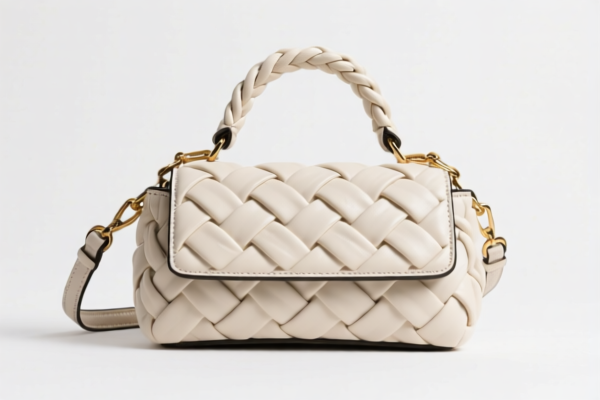
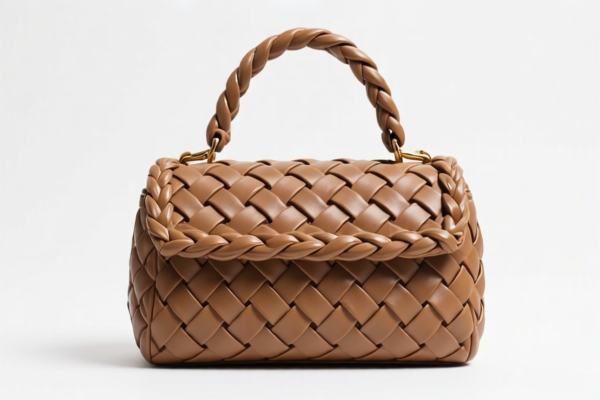
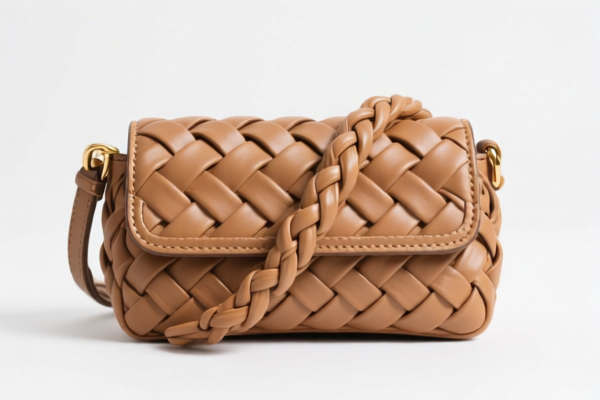
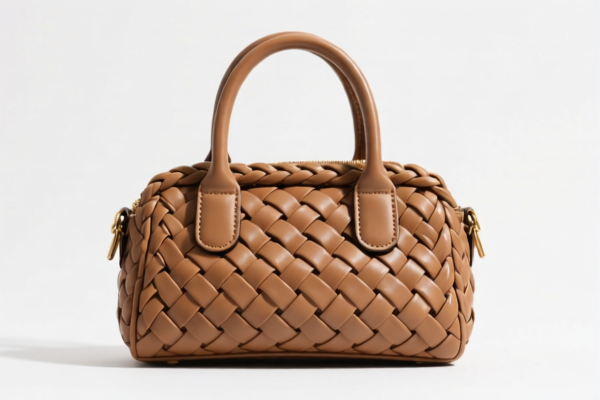
AI分析
🧳 Braided Handbag for Outdoor (WEAVING & TEXTILES)
🌐 HS Code Reference & Customs Clearance Guide | 2026 Latest Tariff Analysis | Professional Strategy for Woven Goods
📌 I. Product Definition & Classification: What Exactly is a "Braided Handbag"?
A "Braided Handbag for Outdoor" is a general term that covers a wide range of materials. In international trade, the material composition is the single most critical factor determining the HS Code and, consequently, the tax burden. It is not a single product but a category split between Plant-based materials and Textile materials.
Plant-based Woven Products (Nature Fibers): Made from bamboo, rattan, straw, or other vegetable plaiting materials. These are classified under Chapter 46. Textile/Leather-like Woven Products: Made from synthetic fibers, cotton, jute, or other textile materials. These are classified under Chapter 42.
⚠️ Key Distinction Point:
- If the material is bamboo, rattan, straw, or similar vegetable plaiting materials → Goes to Chapter 46 (Lower base duty, but still hit by surcharges). - If the material is textile (nylon, polyester, cotton, jute) or leather → Goes to Chapter 42 (Higher base duty, often hit by heavier surcharges).
📦 II. HS Code Classification Details (2026 Latest Tariff Authority Match)
Based on the provided data, here are the four specific HS Codes applicable to "Braided Handbags," differentiated by material inference:
| HS Code | Product Description | Material Inference | Key Characteristic |
|---|---|---|---|
4202.22.40.20 |
Braided Handbag, matching morphology & woven material features | Textile/Woven Composite | General woven handbag, likely synthetic or mixed textile. |
4602.19.29.20 |
Braided Handbag, conforms to plant material woven product features | Vegetable Fiber (e.g., Straw, Paper Yarn, Non-Specific Plant) | Generic plant-based woven bag. |
4602.11.21.00 |
Braided Handbag, inferred material is Bamboo, Rattan, or other plant materials | Bamboo/Rattan | Specific hard/stiff plant fiber weaving. |
4202.22.89.80 |
Braided Handbag, inferred material is Other Textile Materials | Other Textiles (e.g., Jute, Coir, Special Fabrics) | Textile bags not covered by specific sub-headings; highest base duty. |
🔍 Critical Reminder:
- Chapter 46 vs. Chapter 42: The difference is purely material. Bamboo/Rattan/Straw = Ch.46. Synthetic/Cotton/Jute = Ch.42. - "Inferred" Materials: If your supplier provides vague descriptions like "eco-friendly fiber," customs may infer it as textile (4202) or plant (4602) based on physical inspection. You must declare the exact raw material (e.g., "100% PP Rattan" vs. "100% Nylon Weave"). - Total Tax Variance: The total tax ranges from 40.3% to 52.6%. Choosing the wrong HS code can lead to under-declaration penalties or over-payment.
💰 III. 2026 Latest Tariff Rate Breakdown (Including Surcharges & Policy Add-ons)
✅ Applicable Country: United States (US)
✅ Origin: China (CN)
✅ Effective Date: Post-November 10, 2025 (Including subsequent imports)
🎯 1. 4602.11.21.00 —— Braided Handbag (Bamboo/Rattan/Plant)
Best Scenario for Low Base Duty
| Item | Content |
|---|---|
| Base Duty Rate | 6.2% (Ad Valorem) |
| Section 301 Surcharge | +25.0% |
| 122 Clause Tariff | +10.0% |
| Total Effective Rate | 41.2% |
| Tax Calculation | CIF Value × 41.2% |
| De Minimis Exemption | ❌ Not Eligible (Deny De Minimis) |
| Legal Basis Path | Section 301: 9903.01.25 → 122 Clause: IEEPA → USITC: 4602.11.21.00 |
📌 Explanation:
- Base 6.2%: Bamboo/rattan products have a relatively low standard US tariff. - +25% Section 301: Standard punitive tariff on Chinese goods in this chapter. - +10% 122 Clause: Specific surcharge for certain Chinese imports. - Total 41.2%: This is the most favorable option among the four if the material is indeed bamboo/rattan.
🎯 2. 4602.19.29.20 —— Braided Handbag (Other Plant Materials)
Lowest Total Tax Option
| Item | Content |
|---|---|
| Base Duty Rate | 5.3% (Ad Valorem) |
| Section 301 Surcharge | +25.0% |
| 122 Clause Tariff | +10.0% |
| Total Effective Rate | 40.3% |
| Tax Calculation | CIF Value × 40.3% |
| De Minimis Exemption | ❌ Not Eligible (Deny De Minimis) |
| Legal Basis Path | Section 301: 9903.01.25 → 122 Clause: IEEPA → USITC: 4602.19.29.20 |
📌 Explanation:
- Base 5.3%: Slightly lower than bamboo/rattan for other vegetable plaiting materials (e.g., straw, paper). - Total 40.3%: The absolute lowest total tax rate in the dataset. - Risk: Must ensure the material is strictly plant-based. If it contains synthetic backing, customs may reclassify it to Chapter 42.
🎯 3. 4202.22.40.20 —— Braided Handbag (Woven Textile/Morphology Match)
Standard Textile Scenario
| Item | Content |
|---|---|
| Base Duty Rate | 7.4% (Ad Valorem) |
| Section 301 Surcharge | +25.0% |
| 122 Clause Tariff | +10.0% |
| Total Effective Rate | 42.4% |
| Tax Calculation | CIF Value × 42.4% |
| De Minimis Exemption | ❌ Not Eligible (Deny De Minimis) |
| Legal Basis Path | Section 301: 9903.01.25 → 122 Clause: IEEPA → USITC: 4202.22.40.20 |
📌 Explanation:
- Base 7.4%: Slightly higher than plant materials. - Total 42.4%: Mid-range cost. Suitable for bags made of woven synthetic fibers (e.g., PP rope, polyester weave) that mimic woven looks.
🎯 4. 4202.22.89.80 —— Braided Handbag (Other Textile Materials)
Highest Cost Scenario
| Item | Content |
|---|---|
| Base Duty Rate | 17.6% (Ad Valorem) |
| Section 301 Surcharge | +25.0% |
| 122 Clause Tariff | +10.0% |
| Total Effective Rate | 52.6% |
| Tax Calculation | CIF Value × 52.6% |
| De Minimis Exemption | ❌ Not Eligible (Deny De Minimis) |
| Legal Basis Path | Section 301: 9903.01.25 → 122 Clause: IEEPA → USITC: 4202.22.89.80 |
📌 Explanation:
- Base 17.6%: Very high base duty for "other" textile handbags. - Total 52.6%: The most expensive option. Used for jute, coir, or other non-specific textile weaves not covered by specific sub-headings. - Strategy: Avoid this code if possible. Can the product be re-engineered to use bamboo/rattan (Ch.46) to save ~12% in taxes?
🛠️ IV. Customs Clearance Practical Advice (Battle-Tested Pitfall Guide)
✅ 1. Documentation Checklist (Non-Negotiable)
| Document | Must Provide | Explanation |
|---|---|---|
| ✅ Material Declaration | ✔️ | Explicitly state: "100% Bamboo Rattan" or "100% Polypropylene Weave." Vague terms like "Woven Material" will trigger inspections. |
| ✅ Product Photos | ✔️ | Clear shots of the weave texture. Close-ups to distinguish plant fibers vs. synthetic threads. |
| ✅ Structure Diagram | ✔️ | Show lining, handles, and closures. Determines if it's a "handbag" (Ch.42) or "woven article" (Ch.46). |
| ✅ Commercial Invoice | ✔️ | Must match the HS Code declared. E.g., if declaring 4602, invoice must reflect plant material. |
| ✅ Packing List | ✔️ | Net/Gross weight. |
✅ 2. Declaration Tips (Key Mantra)
🔥 "Material First, Chapter Second; Bamboo is King, Textile is Costly!"
| Scenario | Correct Declaration | Wrong Practice |
|---|---|---|
| Bag made of Bamboo/Rattan | 4602.11.21.00 (Total 41.2%) |
Declaring as "Textile Bag" (4202) → Risk of penalty for misclassification. |
| Bag made of Straw/Paper Yarn | 4602.19.29.20 (Total 40.3%) |
Declaring as 4202 → Overpaying by ~2%. |
| Bag made of PP Rope (Synthetic) | 4202.22.40.20 (Total 42.4%) |
Calling it "Plant-based" → Fraud Risk! Customs may reclassify to 4202.22.89.80 (52.6%) + penalties. |
| Bag made of Jute | 4202.22.89.80 (Total 52.6%) |
Hard to downgrade. Consider blending with plant fibers if possible. |
✅ 3. Special Handling for "Outdoor" Claims
| Issue | Handling Advice |
|---|---|
| "Outdoor" Functionality | Does not change HS Code. Focus on Material. If the bag has metal frames, it may still be 4202 or 4602 depending on the primary material. |
| Waterproof Coating | If synthetic fabric is coated with PVC, it remains Textile (4202). If bamboo is lacquered, it remains Plant (4602). |
| Composite Materials | If a bag has a bamboo body but leather handles, customs may classify based on the essential character (usually the body). Document this clearly. |
🌍 V. Global Market Comparison (2026 Latest)
| Market | Recommended HS Code | Estimated Total Tax (CN Origin) | Remarks |
|---|---|---|---|
| 🇺🇸 USA | 4602.19.29.20 |
40.3% | Lowest US Rate. Best for plant-based. |
| 🇺🇸 USA | 4202.22.89.80 |
52.6% | Highest US Rate. Avoid if possible. |
| 🇨🇳 China | 4602.11.00.00 |
~6-10% | Low import duty into China. |
| 🇪🇺 EU | 4602.19 |
0-4% | No Section 301/122 surcharges. Much cheaper for EU market. |
📌 Conclusion:
- USA Market is Brutal: All these codes suffer from 25% Section 301 + 10% 122 Clause. - Strategy: If selling to the US, prioritize Plant Materials (Chapter 46) to save 1-12% compared to Textiles. - Diversification: Consider shifting production to Vietnam/Indonesia for plant-based woven bags to bypass China-specific surcharges.
📌 VI. Common Errors & Pitfalls (Lessons Learned)
❌ Error 1: Calling a PP (Polypropylene) rope bag "Rattan Bag"
👉 Consequence: Customs lab test reveals synthetic material. Reclassified to 4202.22.89.80 → Pay extra 12% + fines!
❌ Error 2: Ignoring the "122 Clause"
👉 Consequence: Assuming only 301 tariff applies. Under-declaring by 10% leads to seizure or delayed clearance.
❌ Error 3: Vague Description: "Woven Bag"
👉 Consequence: CBP issues "Request for Information" (RFI) → Delays of 2-4 weeks while they determine material origin.
❌ Error 4: Splitting Shipment to Avoid De Minimis
👉 Consequence: Since these are >$800 value likely, and often from CN, De Minimis is blocked. Attempting to split shipments triggers anti-circumvention audits.
✅ Correct Action:
"Handbag, Braided, 100% Natural Bamboo, Handled, Lined with Cotton, Model XYZ, Origin China"
🎯 VII. Conclusion: Precision Classification Saves Money!
🎯 Remember the Mantra:
🔹 "Plant is 40%, Textile is 50%+; Declare Material, Not Just Style!"
🔹 "301 is 25%, 122 is 10%; Total is 35% Base+Surcharge!"
📌 Pro Tip:
If your braided handbag is made of Jute or Coir, you are stuck with the 52.6% rate. Consider re-designing the handle or body using Bamboo or Straw to switch to Chapter 46 and save over 12% in taxes.
Advance Ruling (Preliminary Ruling) is highly recommended for large volumes.
📣 Immediate Action:
📞 Verify raw material source + 📸 Provide macro photos + 📝 Apply for HS Code Pre-Ruling
🚀 Clear Customs Smoothly, Maximize Margins, Win in the US Market!
✨ Professional Clearance Starts with Accurate Classification!
💼 Every Percentage Point in Tax is Lost Profit!
用户评价
关于 HS 编码归类
协调制度(HS)是由世界海关组织(WCO)制定的国际贸易商品分类标准。全球 200 多个国家采用 HS 系统作为海关关税、贸易统计和进出口监管的基础。
每个 HS 编码遵循以下层级结构:
- 章(2 位)——商品大类(例如:第 84 章:机器和机械设备)
- 品目(4 位)——章内的更具体分类
- 子目(6 位)——国际通用细分,所有 WCO 成员国统一使用
- 本国细分(8-10 位)——各国自行扩展的细分编码,如美国 HTSUS 10 位编码
正确的 HS 编码归类对于顺利通关、准确缴纳关税和遵守贸易法规至关重要。错误归类可能导致海关延误、多缴关税或罚款。
从CN进口到US时,适用的关税税率可能包括:
- 最惠国(MFN)税率——适用于 WTO 成员国的标准关税税率
- 普通税率——适用于无贸易协定国家
- 贸易救济关税——附加关税,如 301 条款(反倾销)、232 条款(国家安全)或反补贴税
本页内容仅供参考。如需正式归类,请咨询当地海关或持牌报关代理。