braided handbag minimalist style
CN → US| HS编码 | 关税税率 | 原产国 | 目的国 | 文档 |
|---|---|---|---|---|
| 4602112100 | 41.2% | CN | US | 官方文档 |
| 4202224020 | 42.4% | CN | US | 官方文档 |
| 4202228980 | 52.6% | CN | US | 官方文档 |
| 4602192920 | 40.3% | CN | US | 官方文档 |
商品图片
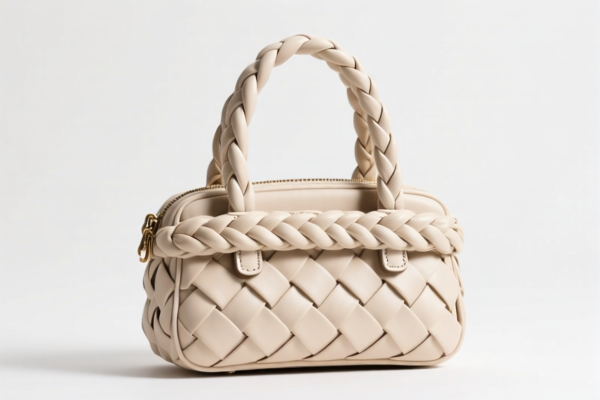
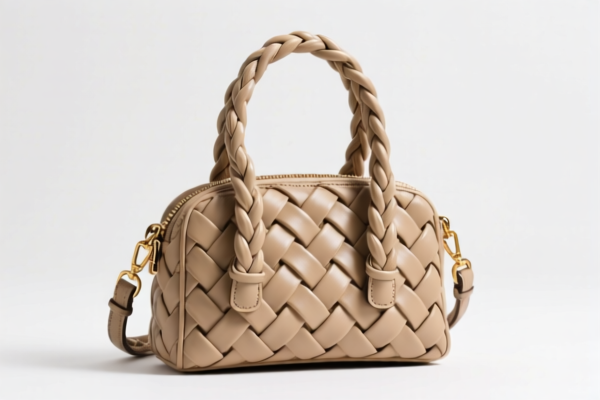
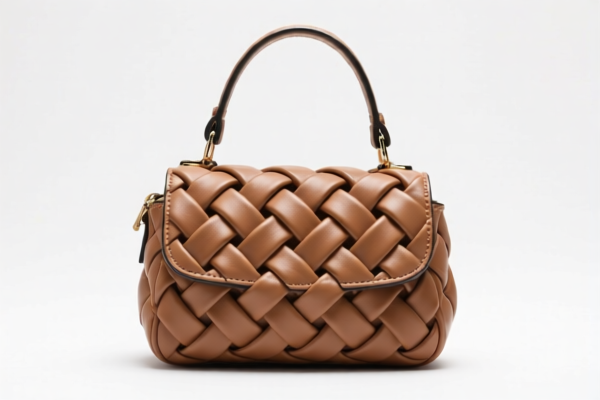
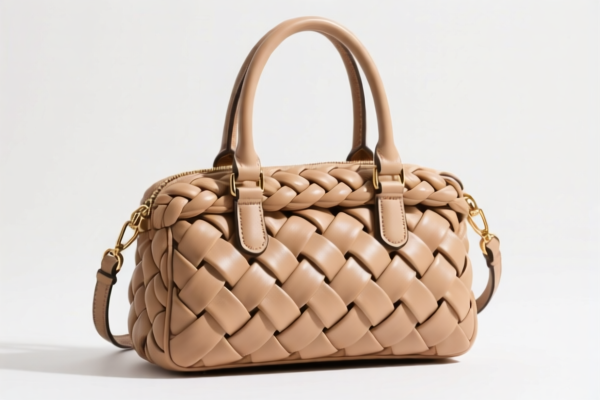
AI分析
👜 Braided Handbag (Minimalist Style)
🌐 HS Code Reference & Clearance Guide | 2026 Latest Tariff Analysis | Professional Entry Strategy
📌 One, Product Definition & Classification: Do You Really Understand the "Braided Handbag"?
The "Braided Handbag" is a broad category in international trade, but its classification depends entirely on the raw material used. Even if the style is "minimalist," customs authorities look at the substance, not the design. In the provided data, four specific HS Codes are identified based on material composition.
⚠️ Key Distinction Point:
- Plant-based (Bamboo, Rattan, etc.): Falls under Chapter 46.
- Woven Materials (General): Falls under Chapter 42 (if not textile-specific) or Chapter 42 (if specific textile blends).
- Other Textiles: Falls under Chapter 42 with higher base tariffs.
📦 Two, HS Code Classification Details (Based on Provided Data)
| HS Code | Product Description | Material Basis | Total Tax Rate |
|---|---|---|---|
4602.11.21.00 |
Braided Handbag, Material: Bamboo, Rattan, or similar plant materials | Plant-based weaving | 41.2% |
4202.22.40.20 |
Braided Handbag, Material: Woven Materials (General) | General woven composition | 42.4% |
4202.22.89.80 |
Braided Handbag, Material: Other Textile Materials | Other textiles (non-plant, non-standard woven) | 52.6% |
4602.19.29.20 |
Braided Handbag, Material: Plant Material Woven Articles | Plant-based woven articles (other) | 40.3% |
🔍 Critical Insight:
- The lowest tax rate (40.3%) applies to general "Plant Material Woven Articles" (4602.19.29.20).
- The highest tax rate (52.6%) applies to "Other Textile Materials" (4202.22.89.80).
- Base tariffs vary significantly: From 5.3% to 17.6%, driven by the specific material classification.
💰 Three, 2026 Latest Tariff Rate Breakdown (Including Additional Taxes)
✅ Applicable Country: United States (US)
✅ Origin: China (CN)
✅ Structure: Base Tariff + Section 301 Tariff (25%) + Section 122 Tariff (10%)
🎯 1. 4602.11.21.00 —— Braided Handbag (Bamboo/Rattan)
| Item | Content |
|---|---|
| Base Tariff | 6.2% |
| Section 301 Tariff | +25.0% |
| Section 122 Tariff | +10.0% |
| Total Effective Rate | 41.2% |
| Tax Calculation | CIF Value × 41.2% |
| De Minimis Exemption | ❌ Not Applicable (Section 122 and 301 tariffs generally bypass $800 de minimis for certain categories, or are structured to maximize revenue) |
📌 Explanation:
- Base (6.2%): Standard MFN rate for bamboo/rattan woven goods.
- Section 301 (+25%): Retaliatory tariff on Chinese goods under US Trade Act Section 301.
- Section 122 (+10%): Tariff imposed under the International Emergency Economic Powers Act (IEEPA) or related executive orders targeting specific Chinese imports.
🎯 2. 4202.22.40.20 —— Braided Handbag (General Woven)
| Item | Content |
|---|---|
| Base Tariff | 7.4% |
| Section 301 Tariff | +25.0% |
| Section 122 Tariff | +10.0% |
| Total Effective Rate | 42.4% |
| Tax Calculation | CIF Value × 42.4% |
📌 Note:
- Slightly higher than bamboo/rattan due to the base rate difference.
- "Woven materials" is a broader category that may include synthetic blends, leading to a slightly higher base duty.
🎯 3. 4202.22.89.80 —— Braided Handbag (Other Textile Materials)
| Item | Content |
|---|---|
| Base Tariff | 17.6% |
| Section 301 Tariff | +25.0% |
| Section 122 Tariff | +10.0% |
| Total Effective Rate | 52.6% |
| Tax Calculation | CIF Value × 52.6% |
📌 Warning:
- This is the most expensive classification.
- If your "minimalist braided handbag" is made of non-plant, non-standard woven textiles (e.g., synthetic raffia, plastic yarns not classified as plant fibers), it falls here.
- Avoid this classification if possible by proving plant-based or standard woven material status.
🎯 4. 4602.19.29.20 —— Braided Handbag (Plant Material Woven)
| Item | Content |
|---|---|
| Base Tariff | 5.3% |
| Section 301 Tariff | +25.0% |
| Section 122 Tariff | +10.0% |
| Total Effective Rate | 40.3% |
| Tax Calculation | CIF Value × 40.3% |
📌 Best Rate:
- This is the lowest total tax rate (40.3%) in the provided data.
- Ideal for handbags made from bamboo, rattan, willow, or other plant materials that fit under "Other woven articles of vegetable materials."
🛠️ Four, Clearance Practical Advice (Battle-Tested Tips)
✅ 1. Documentation Checklist (Non-Negotiable)
| Document | Required | Purpose |
|---|---|---|
| ✅ Product Specification Sheet | ✔️ | Must clearly state material composition (e.g., "100% Bamboo," "Natural Rattan," "Polyester Woven"). |
| ✅ Material Certificate | ✔️ | Proof from supplier that materials are plant-based or specify textile type. |
| ✅ High-Resolution Photos | ✔️ | Show texture, weave, and label. Must visually confirm "braided" and "plant/woven" nature. |
| ✅ Commercial Invoice | ✔️ | Describe as "Braided Handbag [Material Type]" – avoid vague terms like "Fashion Accessory." |
| ✅ Packing List | ✔️ | Ensure weight and dimensions match HS code requirements. |
✅ 2. Declaration Strategy (Key Mnemonics)
🔥 "Material First, Style Second! Plant Wins, Textile Burns!"
| Scenario | Correct Declaration | Risk of Error |
|---|---|---|
| Bamboo/Rattan Bag | Use 4602.19.29.20 or 4602.11.21.00 |
Misdeclaring as textile → 52.6% vs 40.3% |
| Synthetic Woven Bag | Use 4202.22.40.20 or 4202.22.89.80 |
Claiming "plant-based" falsely → Fraud/Penalty |
| Mixed Material Bag | Declare primary material | Complex – may require classification ruling |
📌 Tip:
- If the bag is made of bamboo, use4602.11.21.00(41.2%).
- If the bag is made of rattan or other plants not specified in 4602.11, use4602.19.29.20(40.3% – Best Rate).
- Never declare plant materials as "textiles" unless they are processed into yarns that meet textile definitions, as this may trigger higher scrutiny.
✅ 3. Special Cases
| Case | Handling Advice |
|---|---|
| Minimalist Design Claims | Irrelevant to customs. Focus on material. |
| Lined Handbag | If the lining is textile but the outer is plant-based, still classify by outer material for HS code. |
| Hardware (Zippers, Straps) | Typically included in the handbag classification, not separately declared unless shipped separately. |
🌍 Five, Market Comparison (2026)
| Market | Recommended HS Code | Estimated Total Duty | Notes |
|---|---|---|---|
| 🇺🇸 USA | 4602.19.29.20 |
40.3% | Highest burden due to Section 301 + 122. |
| 🇨🇳 China | 4602.19.29.20 |
10-15% | Lower import duty, no Section 301. |
| 🇪🇺 EU | 4602.19.29.20 |
6-12% | No Section 122/301 equivalent. |
| 🇬🇧 UK | 4602.19.29.20 |
6-12% | Post-Brexit tariffs vary but generally lower than US. |
📌 Conclusion:
- USA is the most expensive market for braided handbags from China.
- Optimizing material declaration (choosing plant-based over textile) can save up to 12.3% in tariffs (52.6% - 40.3%).
📌 Six, Common Errors & Pitfalls (Lessons Learned)
❌ Error 1: Declaring a rattan handbag as "textile" because it's woven.
👉 Consequence: Tax jumps from 40.3% to 52.6%.
❌ Error 2: Using vague terms like "woven bag" without specifying material.
👉 Consequence: Customs may assign a higher default rate or request additional documentation, causing delays.
❌ Error 3: Ignoring Section 122 Tariff.
👉 Consequence: Unexpected 10% additional cost if not accounted for in pricing.
❌ Error 4: Misidentifying synthetic "raffia" as natural plant material.
👉 Consequence: Customs may reject plant-based classification, leading to reclassification and penalties.
✅ Correct Approach:
"Braided Handbag, 100% Natural Rattan, Minimalist Design, With Leather Lining, Model ABC, Certified Plant-Based"
🎯 Seven, Conclusion: Precision in Classification Saves Money
🎯 Remember the Golden Rule:
🔹 "Plant-Based is Cheaper! Textile is Costlier!"
🔹 "HS Code Determines Tax, Material Determines Code!"
🔹 "40.3% is the Target, 52.6% is the Trap!"
📌 Pro Tip:
- If you have a mixed-material handbag (e.g., bamboo handles with canvas body), consult a customs broker for partial classification or the essential character rule.
- For large volumes, consider applying for an Advance Ruling from US Customs to lock in the HS code and avoid future disputes.
📣 Action Required:
📞 Engage a licensed customs broker.
📦 Provide material samples for verification.
📄 Ensure invoices clearly state "Plant Material" or "Woven Material" as applicable.
✨ Smart Classification, Smarter Profit!
💼 Every percentage point counts in international trade.
用户评价
关于 HS 编码归类
协调制度(HS)是由世界海关组织(WCO)制定的国际贸易商品分类标准。全球 200 多个国家采用 HS 系统作为海关关税、贸易统计和进出口监管的基础。
每个 HS 编码遵循以下层级结构:
- 章(2 位)——商品大类(例如:第 84 章:机器和机械设备)
- 品目(4 位)——章内的更具体分类
- 子目(6 位)——国际通用细分,所有 WCO 成员国统一使用
- 本国细分(8-10 位)——各国自行扩展的细分编码,如美国 HTSUS 10 位编码
正确的 HS 编码归类对于顺利通关、准确缴纳关税和遵守贸易法规至关重要。错误归类可能导致海关延误、多缴关税或罚款。
从CN进口到US时,适用的关税税率可能包括:
- 最惠国(MFN)税率——适用于 WTO 成员国的标准关税税率
- 普通税率——适用于无贸易协定国家
- 贸易救济关税——附加关税,如 301 条款(反倾销)、232 条款(国家安全)或反补贴税
本页内容仅供参考。如需正式归类,请咨询当地海关或持牌报关代理。