bread proofing basket
CN → US| HS编码 | 关税税率 | 原产国 | 目的国 | 文档 |
|---|---|---|---|---|
| 3924103000 | 22.8% | CN | US | 官方文档 |
| 3924104000 | 13.4% | CN | US | 官方文档 |
| 4419199000 | 13.2% | CN | US | 官方文档 |
| 6911104100 | 16.3% | CN | US | 官方文档 |
| 6911108010 | 38.3% | CN | US | 官方文档 |
商品图片
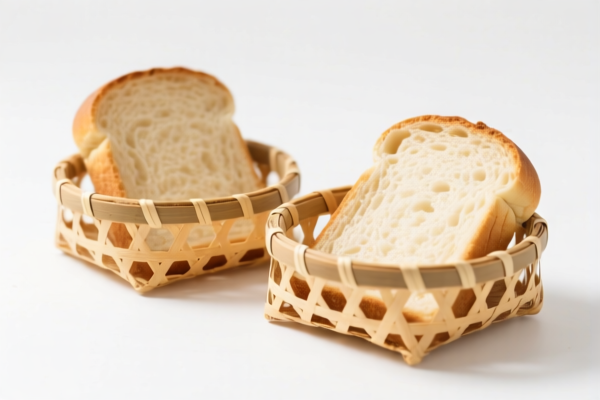
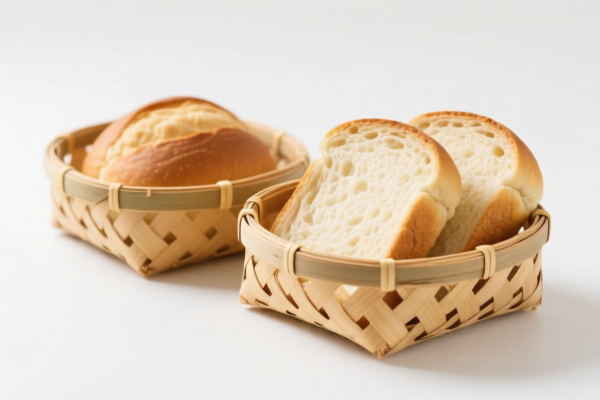
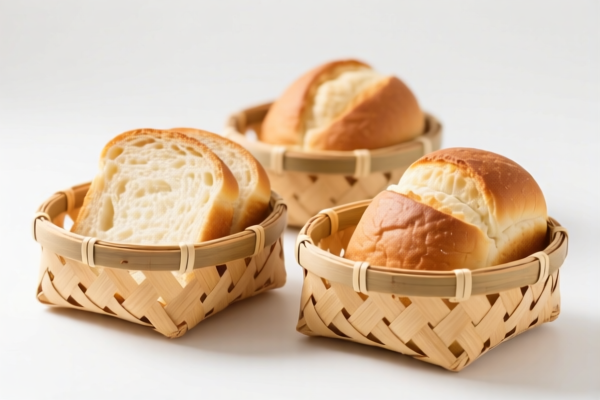
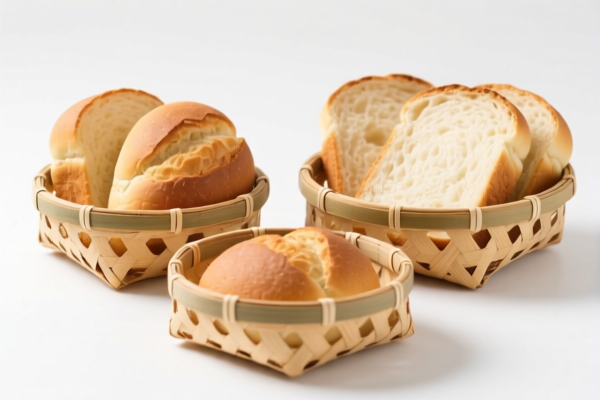
AI分析
🍞 Bread Proofing Basket (Banneton) – Global HS Code & Customs Clearance Guide
🌐 HS Code Reference & Customs Clearance Guide | 2026 Tax Analysis | Professional Import Strategy
📌 Section 1: Product Definition & Classification: What is a "Bread Proofing Basket"?
A Bread Proofing Basket (commonly known as a Banneton) is an essential tool in artisanal baking, used to hold shaped dough during its final rise (proofing). Its primary function is to provide structure and prevent sticking, often leaving a beautiful spiral pattern on the bread crust.
In international trade, these baskets are classified based on material composition, which dictates the HS Code and the resulting tariff rate. The key distinction lies between: * Plastic/Non-Metallic baskets (Synthetic materials) * Bamboo/Wood/Rattan baskets (Natural plant fibers) * Ceramic/Porcelain baskets (Clay-based)
⚠️ Critical Classification Logic:
- If made of plastic → Look for Chapter 39 (Plastics); Tax varies significantly by "122 Clause" rules. - If made of bamboo/wood → Look for Chapter 44 (Wood); Generally lower base tax but subject to add-ons. - If made of ceramic → Look for Chapter 69 (Ceramics); WARNING: Some ceramic variants attract very high "Section 122" tariffs.
📦 Section 2: Detailed HS Code Breakdown (2026 Tax Scenarios)
Based on current customs data, here are the specific classifications for Bread Proofing Baskets and their corresponding tax structures.
| HS Code | Material & Description | Key Tax Components | Total Tax Rate |
|---|---|---|---|
| 3924.10.30.00 | Plastic Kitchenware (e.g., synthetic banneton) | Base: 5.3% Add-on: 7.5% Section 122: 10% |
22.8% |
| 3924.10.40.00 | Plastic Kitchenware (Specific sub-category) | Base: 3.4% Add-on: 0.0% Section 122: 10% |
13.4% |
| 4419.19.90.00 | Bamboo/Wood (Banneton made from natural fibers) | Base: 3.2% Add-on: 0.0% Section 122: 10% |
13.2% |
| 6911.10.41.00 | Ceramic Kitchenware (Standard ceramic basket) | Base: 6.3% Add-on: 0.0% Section 122: 10% |
16.3% |
| 6911.10.80.10 | Ceramic Kitchenware (Specific sub-category) | Base: 20.8% Add-on: 7.5% Section 122: 10% |
38.3% |
🔍 Deep Dive into the "122 Clause" (Section 122 Tariff):
- This 10% tariff is a specific US Section 122 measure (often related to steel/aluminum or specific trade remedy duties) applied on top of standard tariffs. - It applies to ALL listed HS Codes above, drastically increasing the final cost for high base-tariff items like6911.10.80.10.
💰 Section 3: Tax Rate Analysis & Financial Impact
🎯 Scenario A: The "Plastic" Basket (HS 3924.10.30.00)
- Product: Synthetic proofing ring/basket.
- Tax Calculation:
- Base Duty: 5.3%
- Section 122 Add-on: 10%
- "Add-on" Duty: 7.5%
- Total: 22.8%
- Financial Impact: High cost due to the cumulative "Section 122" and the specific "7.5% add-on".
🎯 Scenario B: The "Bamboo" Basket (HS 4419.19.90.00)
- Product: Traditional woven bamboo proofing basket.
- Tax Calculation:
- Base Duty: 3.2% (Lowest base rate)
- Section 122 Add-on: 10%
- Add-on Duty: 0.0%
- Total: 13.2%
- Financial Impact: Most Cost-Effective Option. Natural materials often enjoy lower base tariffs, making bamboo baskets the preferred choice for importers seeking cost efficiency.
🎯 Scenario C: The "High-Tax Ceramic" Basket (HS 6911.10.80.10)
- Product: High-end ceramic proofing vessel.
- Tax Calculation:
- Base Duty: 20.8% (Significantly higher)
- Section 122 Add-on: 10%
- Add-on Duty: 7.5%
- Total: 38.3%
- Financial Impact: Extremely High. This category suffers from a massive base tariff (20.8%) plus the 122 clause. Importing this item without pre-calculation can erase profit margins entirely.
🛠️ Section 4: Customs Clearance Action Plan (Practical Guide)
✅ 1. Material Verification (The "Golden Rule")
Before filing entry documents, you MUST physically verify the material. * Visual Check: Does it look like woven bamboo? → 4419.19.90.00 (13.2%) * Visual Check: Is it smooth, shiny, or molded plastic? → 3924.10.30.00 (22.8%) or 3924.10.40.00 (13.4%) * Visual Check: Is it hard, glazed, and heavy? → Ceramic (16.3% or 38.3%)
⚠️ Warning: If you declare a Ceramic basket as "Wood" to avoid the 20.8% base tax, Customs will flag it as fraud, leading to penalties, seizure, and back-taxes.
✅ 2. Declaration Strategy
| Item Component | Recommended Declaration Language |
|---|---|
| Product Name | "Bread Proofing Basket (Banneton)" or "Dough Proofing Container" |
| Material | Explicitly state: "Made of 100% Bamboo," "Polypropylene Plastic," or "Ceramic/Porcelain" |
| Usage | "For kitchen use; holds dough during proofing; not for direct cooking on stovetop" |
| Composition | % by weight (e.g., "100% Bamboo Fiber") |
✅ 3. Special Advice for "Section 122" Tariffs
- The 122 Clause is Mandatory: It applies automatically to all the HS codes listed above.
- No Exemptions: Unlike some free trade agreements (FTA), Section 122 duties are typically non-negotiable for Chinese-origin goods.
- Costing: Always include the Total Tax Rate (Base + Add-on + 122) in your landed cost calculation. Do not use the Base Tax rate alone.
🌍 Section 5: Market Comparison & Strategy
| Material | Best HS Code | Total Tax | Strategy |
|---|---|---|---|
| Bamboo/Wood | 4419.19.90.00 |
13.2% | 🏆 Winner: Lowest cost, natural appeal, high demand. |
| Plastic | 3924.10.40.00 |
13.4% | 🥈 Runner-up: Good for budget lines, but watch the 10% 122 clause. |
| Plastic (Alt) | 3924.10.30.00 |
22.8% | 📉 Avoid: Higher tax without clear value proposition. |
| Ceramic | 6911.10.41.00 |
16.3% | 🥉 Niche: Acceptable for premium, non-high-tax items. |
| Ceramic (High) | 6911.10.80.10 |
38.3% | 🚫 Avoid: Prohibitively expensive for mass market. |
🚨 Section 6: Common Pitfalls & Solutions
❌ Pitfall 1: Misidentifying Ceramic as Wood
Result: Customs audit, seizure, and fines.
Solution: Provide a Material Safety Data Sheet (MSDS) or a Supplier Letter of Guarantee confirming material composition.
❌ Pitfall 2: Ignoring the "Section 122" 10% Add-on
Result: Profit margin collapse. You calculated 5.3% tax, but the invoice shows 22.8%.
Solution: Always apply the Total Tax Rate in your financial models immediately.
❌ Pitfall 3: Splitting Mixed Materials
Result: If a basket is Bamboo + Cotton Rope, you cannot split the tax. The basket must be classified by its essential character (usually Bamboo).
Solution: Declare the primary material and provide a detailed Bill of Materials (BOM).
📌 Section 7: Final Recommendation
🔥 The Golden Rule for Bread Proofing Baskets:
"Go Bamboo, Avoid High-Tax Ceramic."
If your margin is tight, stick to HS 4419.19.90.00 (Bamboo) at 13.2%. Avoid HS 6911.10.80.10 at 38.3% unless you are selling at a luxury price point that absorbs the duty.
Action Step:
1. Confirm the exact material with your supplier.
2. Match it to the HS Code table above.
3. Calculate Landed Cost using the Total Tax Rate (Base + Add-on + 122).
4. Declare accurately to avoid "Section 122" surprises.
✨ Professional Customs Clearance Starts with Precision!
💼 Every dollar saved on classification is a dollar added to your bottom line.
🚀 Clear the path for your baking tools to reach the world!
用户评价
关于 HS 编码归类
协调制度(HS)是由世界海关组织(WCO)制定的国际贸易商品分类标准。全球 200 多个国家采用 HS 系统作为海关关税、贸易统计和进出口监管的基础。
每个 HS 编码遵循以下层级结构:
- 章(2 位)——商品大类(例如:第 84 章:机器和机械设备)
- 品目(4 位)——章内的更具体分类
- 子目(6 位)——国际通用细分,所有 WCO 成员国统一使用
- 本国细分(8-10 位)——各国自行扩展的细分编码,如美国 HTSUS 10 位编码
正确的 HS 编码归类对于顺利通关、准确缴纳关税和遵守贸易法规至关重要。错误归类可能导致海关延误、多缴关税或罚款。
从CN进口到US时,适用的关税税率可能包括:
- 最惠国(MFN)税率——适用于 WTO 成员国的标准关税税率
- 普通税率——适用于无贸易协定国家
- 贸易救济关税——附加关税,如 301 条款(反倾销)、232 条款(国家安全)或反补贴税
本页内容仅供参考。如需正式归类,请咨询当地海关或持牌报关代理。