buffalo leather bag
CN → US| HS编码 | 关税税率 | 原产国 | 目的国 | 文档 |
|---|---|---|---|---|
| 4104493060 | 12.4% | CN | US | 官方文档 |
| 4107124000 | 12.5% | CN | US | 官方文档 |
| 4107194000 | 12.5% | CN | US | 官方文档 |
| 4101503500 | 19.9% | CN | US | 官方文档 |
| 4101203500 | 19.9% | CN | US | 官方文档 |
商品图片


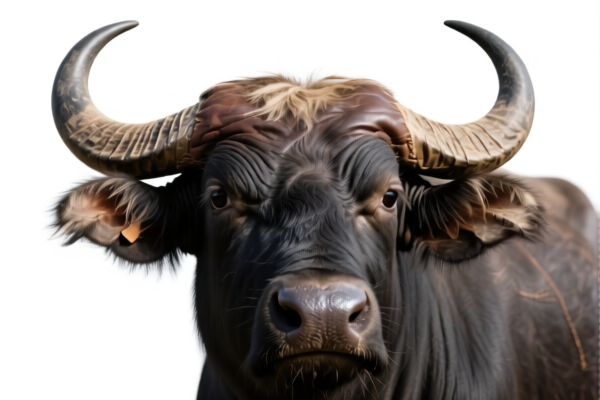
AI分析
🐃 Buffalo Leather Bag (Water Buffalo Skin)
🌐 HS Code Reference & Customs Clearance Guide | 2026 Latest Tariff Analysis | Professional Entry Strategy
📌 I. Product Definition & Classification: Do You Really Understand "Buffalo Leather"?
Buffalo leather bags are high-end accessories made from the hides of water buffalo. In international trade, the classification strictly depends on the processing stage and physical state of the leather before it is turned into a bag. The key distinction lies between raw/hide states and finished leather states.
⚠️ Critical Distinction Point:
- If the material is raw, salted, or partially cured skin (not yet tanned) → Classified under Chapter 41, Heading 4101.
- If the material is fully tanned, dressed, or finished leather (ready for manufacturing) → Classified under Chapter 41, Heading 4107.
- Note: The final bag itself is not listed in the provided data; the data focuses on the material components (Raw Hide vs. Tanned Leather). For the purpose of this guide, we analyze the input materials as per the provided<DATA>.
📦 II. HS Code Classification Details (2026 Latest Tariff Authority Cross-Reference)
The provided data highlights two distinct categories: Raw Buffalo Hides and Tanned Buffalo Leather.
| HS Code | Product Description (Summary) | Status / State | Key Differentiator |
|---|---|---|---|
4101.50.35.00 |
Buffalo Raw Hide Classification | Raw / Unprocessed | Salted, fresh, or partially dried skin. Not yet tanned. |
4101.20.35.00 |
Buffalo Species & Raw Hide Material | Raw / Unprocessed | Specific species classification for raw hides. |
4104.49.30.60 |
Buffalo Dry Skin Category | Dry / Preserved | Specifically mentions "Dry Skin" (Gan Pi). Often implies a specific preservation state before full tanning. |
4107.12.40.00 |
Buffalo Leather Morphology | Tanned / Finished | Fully tanned and dressed leather, specific morphology. |
4107.19.40.00 |
Buffalo Explicit Material & Morphology | Tanned / Finished | Fully tanned leather with defined material properties. |
🔍 Key Reminder:
- Raw Hides (4101.xxxx) are inputs for tanneries. They carry higher additional tariffs due to trade policies.
- Tanned Leather (4107.xxxx) is the intermediate good for bag manufacturers. It has slightly lower base tariffs but still incurs significant附加税.
-4104.49.30.60is a specific sub-category for "Dry Skin," which sits between raw and fully tanned in some contexts, but is taxed similarly to tanned leather in this dataset.
💰 III. 2026 Latest Tariff Rate Breakdown (Including Surtax, Policy Surcharges)
✅ Applicable Country: USA (US)
✅ Country of Origin: China (CN)
✅ Effective Date: Current rates apply (reflecting 122 Clause & Section 301/IEEPA impacts)
🎯 1. Raw Hides (4101.50.35.00 & 4101.20.35.00)
Summary: "Buffalo Raw Hide Classification" / "Buffalo Species & Raw Hide Material"
| Item | Content |
|---|---|
| Base Tariff Rate | 2.4% (Ad Valorem) |
| Additional Surtax | +7.5% (Section 301 / Trade War Surtax) |
| Clause 122 Tariff | +10% (Specific 122 Clause Tariff) |
| Total Tariff Rate | 19.9% |
| Tax Calculation | CIF Value × 19.9% |
| De Minimis Exemption | ❌ Not Eligible (High tariff threshold) |
| Legal Basis Path | Section 301: 4101.50.35.00 → Clause 122 |
📌 Explanation:
- Raw hides are considered less processed, hence the 7.5% additional surtax applies to protect domestic raw material markets or as a retaliatory measure.
- The 10% Clause 122 is a specific regulatory levy on certain leather categories.
- Total 19.9% is significant. Importers must ensure the HS code is accurate to avoid misclassification penalties.
🎯 2. Tanned Leather (4107.12.40.00 & 4107.19.40.00)
Summary: "Buffalo Leather Morphology" / "Buffalo Explicit Material & Morphology"
| Item | Content |
|---|---|
| Base Tariff Rate | 2.5% (Ad Valorem) |
| Additional Surtax | 0.0% (No Section 301 surtax on these specific tanned leather codes) |
| Clause 122 Tariff | +10% (Specific 122 Clause Tariff) |
| Total Tariff Rate | 12.5% |
| Tax Calculation | CIF Value × 12.5% |
| De Minimis Exemption | ❌ Not Eligible |
| Legal Basis Path | USITC: 4107.12.40.00 → Clause 122 |
📌 Note:
- Tanned leather benefits from a lower base rate (2.5%) and no additional 7.5% surtax.
- However, the 10% Clause 122 still applies, making the total 12.5%.
- This is 7.4% cheaper than importing raw hides. If sourcing is flexible, sourcing finished leather rather than raw hides can reduce duty costs.
🎯 3. Dry Skin Category (4104.49.30.60)
Summary: "Buffalo Dry Skin Category"
| Item | Content |
|---|---|
| Base Tariff Rate | 2.4% (Ad Valorem) |
| Additional Surtax | 0.0% |
| Clause 122 Tariff | +10% (Specific 122 Clause Tariff) |
| Total Tariff Rate | 12.4% |
| Tax Calculation | CIF Value × 12.4% |
| De Minimis Exemption | ❌ Not Eligible |
| Legal Basis Path | USITC: 4104.49.30.60 → Clause 122 |
📌 Explanation:
- This code represents a specific state of "dry skin."
- It is taxed at 12.4%, making it the most cost-effective option among the provided codes.
- Caution: Ensure the product truly meets the definition of "Dry Skin" and not "Raw Hide." Misclassification can lead to audits.
🛠️ IV. Customs Clearance Practical Advice (Real-World Pitfall Avoidance Guide)
✅ 1. Preparation Checklist (Essential Documents)
| Document | Required | Description |
|---|---|---|
| ✅ Product Specification Sheet | ✔️ | Must clearly state: "Water Buffalo Skin," processing state (Raw/Dry/Tanned), weight, dimensions. |
| ✅ Processing Certificate | ✔️ | For tanned leather: Certificate of Tanning (showing chromium/salt tanning process). For raw hides: Salt-curing certificate. |
| ✅ Commercial Invoice | ✔️ | Must explicitly describe the goods as "Buffalo Leather" or "Buffalo Raw Hide," matching the HS Code summary. |
| ✅ Packing List | ✔️ | Detailed weight and volume. Raw hides are heavier due to water content; tanned leather is lighter. |
| ✅ Certificate of Origin (CO) | ✔️ | Essential for verifying China origin to apply correct surtax rates. |
| ✅ Photos of Goods | ✔️ | Show texture, markings, and any brand tags. Helps customs distinguish between raw, dry, and tanned states. |
✅ 2. Declaration Tips (Key Mantras)
🔥 “Raw is Heavy, Tanned is Light, Code Determines Cost, Be Precise!”
| Scenario | Correct Declaration | Incorrect Practice |
|---|---|---|
| Importing Raw Hides | 4101.50.35.00 or 4101.20.35.00 |
Misdeclaring as "Leather" → Risk of penalty for under-declaring tariffs. |
| Importing Tanned Leather | 4107.12.40.00 or 4107.19.40.00 |
Misdeclaring as "Raw Hide" → Unnecessary 7.5% surtax payment. |
| Importing Dry Skins | 4104.49.30.60 |
Misdeclaring as "Finished Leather" → May still incur 12.4% but check if code fits. |
| Finished Bags | NOT COVERED IN DATA | Do not use these codes for finished bags! Finished bags fall under Chapter 42 (e.g., 4202.12). |
⚠️ Critical Warning:
- The provided data only covers materials (Raw Hide & Tanned Leather).
- If you are importing finished Buffalo Leather Bags, you cannot use these HS Codes. Finished bags are classified under Chapter 42. Using these codes for finished bags is illegal misclassification.
✅ 3. Special Case Handling
| Situation | Handling Advice |
|---|---|
| Mixed Shipments (Raw & Tanned) | Declare separately. Mixing them can lead to rejection or full-rate assessment on all goods. |
| OEM Custom Leather | Provide design sheets and tanning process details. If the leather is custom-processed, ensure the "Morphology" description in 4107.12.40.00 matches. |
| Sample Shipments | Even small samples are subject to duty. Ensure correct HS code is used, even for samples. |
| Re-export of Used Leather | Not covered. New imports only. |
🌍 V. Global Market Comparison (2026 Latest)
| Country/Region | Recommended HS Code (Material) | Total Tariff (China Origin) | Key Requirement | Note |
|---|---|---|---|---|
| 🇺🇸 USA | 4107.12.40.00 (Tanned) |
12.5% | Clause 122 + Base Rate | Raw hides (4101) are 19.9% |
| 🇨🇳 China | 4107.12.40.00 (Tanned) |
Varies | CCC/RoHS (if applicable) | Domestic trade has different duties. |
| 🇪🇺 EU | 4107.12.40.00 (Tanned) |
0-10% | REACH Compliance | EU has different levy structures. |
| 🇯🇵 Japan | 4107.12.40.00 (Tanned) |
Varies | JIS Standards | Check JETRO database. |
📌 Conclusion:
- The USA imposes specific 122 Clause tariffs on leather products.
- Tanned leather (4107) is more tariff-efficient than raw hides (4101).
- Finished bags are not included in this data; consult Chapter 42 for bag-specific duties.
📌 VI. Common Errors & Pitfall Guide (Blood & Tears Lessons)
❌ Error 1: Declaring Raw Hides as Tanned Leather
👉 Consequence: Customs may reject shipment for false declaration. Raw hides require different sanitation certificates.
❌ Error 2: Declaring Tanned Leather as Raw Hides
👉 Consequence: Paying 19.9% instead of 12.5%. Loss of 7.4% profit!
❌ Error 3: Using these codes for Finished Bags
👉 Consequence: Severe Penalty. Finished bags are Chapter 42. Misclassification can lead to seizure.
❌ Error 4: Ignoring Clause 122
👉 Consequence: Underpaying duty. The 10% surtax is mandatory. Ensure your broker includes it.
✅ Correct Practice:
“Water Buffalo Tanned Leather, Chrome Tanned, Smooth Finish, For Handbag Manufacturing, HS 4107.12.40.00”
🎯 VII. Conclusion: Professional Classification, Cost Savings, Risk Reduction
🎯 Remember the Mantra:
🔹 “Raw is 19.9%, Tanned is 12.5%, Dry is 12.4%. Don’t Mix Them!”
🔹 “Finished Bags are Chapter 42. Don’t Use These Codes for Bags!”
🔹 “122 Clause is 10% Extra. Include It or Pay the Price.”
📌 Pro Tip:
- If you are a bag manufacturer, importing tanned leather (4107) is more cost-effective than importing raw hides, provided the leather meets your specifications.
- Always request a HS Code Pre-Ruling from CBP if the processing state is ambiguous (e.g., is it "Dry Skin" or "Tanned Leather"?).
📣 Immediate Action:
📞 Contact your customs broker.
📝 Provide clear product descriptions (Raw vs. Tanned).
🚀 Ensure accurate HS classification to avoid 19.9% rates when 12.5% is applicable.
✨ Professional Clearance Starts with Accurate Classification!
💼 Every Percentage Point Matters in Leather Trade!
用户评价
关于 HS 编码归类
协调制度(HS)是由世界海关组织(WCO)制定的国际贸易商品分类标准。全球 200 多个国家采用 HS 系统作为海关关税、贸易统计和进出口监管的基础。
每个 HS 编码遵循以下层级结构:
- 章(2 位)——商品大类(例如:第 84 章:机器和机械设备)
- 品目(4 位)——章内的更具体分类
- 子目(6 位)——国际通用细分,所有 WCO 成员国统一使用
- 本国细分(8-10 位)——各国自行扩展的细分编码,如美国 HTSUS 10 位编码
正确的 HS 编码归类对于顺利通关、准确缴纳关税和遵守贸易法规至关重要。错误归类可能导致海关延误、多缴关税或罚款。
从CN进口到US时,适用的关税税率可能包括:
- 最惠国(MFN)税率——适用于 WTO 成员国的标准关税税率
- 普通税率——适用于无贸易协定国家
- 贸易救济关税——附加关税,如 301 条款(反倾销)、232 条款(国家安全)或反补贴税
本页内容仅供参考。如需正式归类,请咨询当地海关或持牌报关代理。