buffalo/marsh leather belt material
CN → US| HS编码 | 关税税率 | 原产国 | 目的国 | 文档 |
|---|---|---|---|---|
| 4203300000 | 37.7% | CN | US | 官方文档 |
| 4107127030 | 15.0% | CN | US | 官方文档 |
| 4205000500 | 37.9% | CN | US | 官方文档 |
| 4205004000 | 36.8% | CN | US | 官方文档 |
| 4203406000 | 35.0% | CN | US | 官方文档 |
商品图片
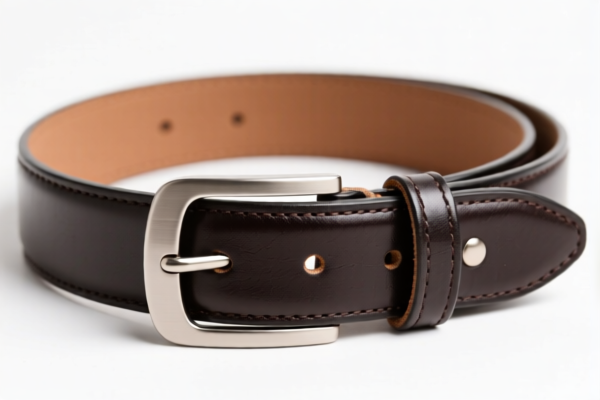
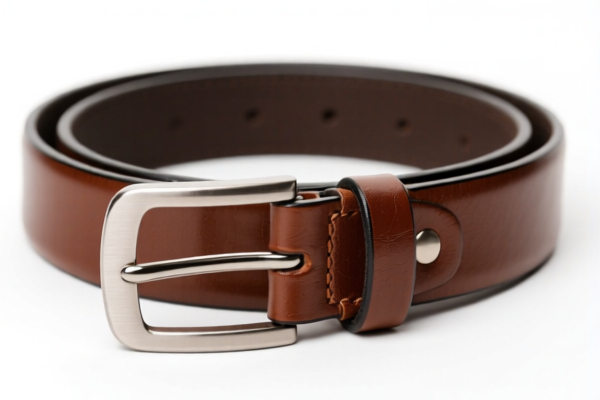
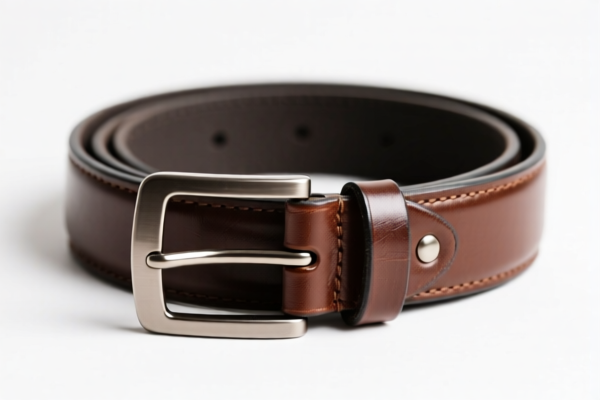
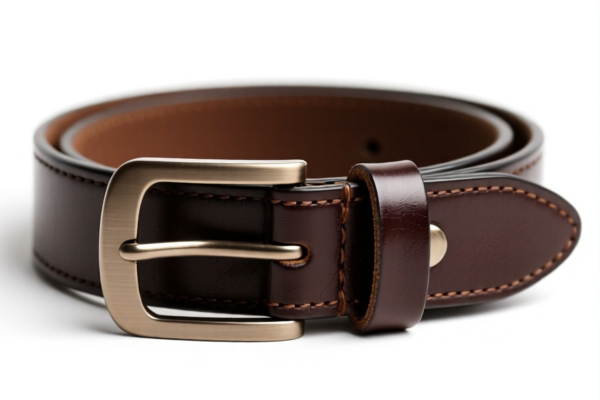
AI分析
🐂 Buffalo/Marsh Leather Belt Material: HS Code Classification & Customs Clearance Guide (2026)
🌐 HS Code Reference & Customs Clearance Strategy | 2026 Latest Tariff Analysis | Professional Import/Export Compliance
📌 I. Product Definition & Classification: Do You Really Understand "Leather Belt Material"?
Buffalo/Marsh Leather Belt Material refers to raw or semi-finished leather hides from buffalo (often domestic water buffalo) and marsh/bog-grown tanned leathers, cut or prepared for the manufacture of leather belts, straps, or accessory components. These materials are commonly used in:
- Industrial belts (e.g., transmission belts, conveyor belt covers)
- Fashion accessories (e.g., dress belts, casual belts, harnesses)
- Automotive interiors (e.g., seat belts, steering wheel wraps)
- Equestrian equipment (e.g., reins, bridles, straps)
In international trade, these materials are classified based on: 1. Animal origin (buffalo hide vs. other bovine/horsehide) 2. Tanning process (vegetable-tanned, chrome-tanned, etc.) 3. Form (whole hides, cut pieces, unfinished vs. finished) 4. Intended use (industrial vs. personal/fashion use)
⚠️ Key Distinction:
- If the leather is unfinished, raw, or only partially processed → It may be classified under Chapter 41 (Animal Skins & Hides)
- If the leather is fully tanned, colored, and cut into belt blanks → It may be classified under Chapter 42 (Articles of Leather)
- If it is intended for industrial machinery (e.g., conveyor belts) → It may fall under Chapter 40 (Rubber/Plastic) or Chapter 59 (Impregnated Textiles/Leather)
📦 II. HS Code Classification Details (2026 Latest Tariff Concordance)
| HS Code | Product Description | Applicable Scenario | Tanning Process |
|---|---|---|---|
4107.12.70.30 |
Buffalo hide, partially tanned or crust, split, not further worked | Raw/semi-processed buffalo hides for industrial processing | Vegetable/Chrome |
4107.12.70.40 |
Buffalo hide, fully tanned, dyed, cut into belt blanks | Finished leather blanks for fashion belts | Chrome/Vegetable |
4107.21.00.00 |
Bovine hide, fully tanned, not cut | Whole tanned hides for large-scale manufacturing | Chrome |
4203.21.00.00 |
Articles of whole leather: Belts | Finished leather belts for personal use | N/A (Finished Product) |
4203.29.00.00 |
Other articles of leather: Belts | Non-standard belts, specialty belts | N/A |
4016.93.00.00 |
Rubber/Plastic: Conveyor belts, belting | Industrial leather-reinforced belting | N/A |
5911.32.00.00 |
Textile/Leather: Belting, reinforced | Leather-reinforced conveyor belts | N/A |
🔍 Important Note:
- HS Code4107.12.70.30is used for unfinished buffalo hides that are still considered "raw materials"
- HS Code4107.12.70.40is used for fully processed leather blanks ready for belt manufacturing
- HS Code4203.21.00.00is used for finished belts sold as end-products
💰 III. 2026 Latest Tariff Rate Breakdown (Including Surcharge Taxes, Policy Surcharges)
✅ Applicable Country: United States (US)
✅ Country of Origin: China (CN)
✅ Effective Date: November 10, 2025 (Including subsequent imports)
🎯 1. 4107.12.70.30 —— Buffalo Hide, Partially Tanned or Crust (Raw Material)
| Item | Content |
|---|---|
| Base Tariff | 0% (ad valorem) |
| USITC Surcharge | +25% (from USITC Footnote 9903.88.01) |
| IEEPA Surcharge | +10% (targeting China/Hong Kong products, since November 10, 2025) |
| Total Tariff | 45% |
| Tax Calculation | CIF Value × 45% |
| De Minimis Exemption Eligible | ❌ No (deny_de_minimis) |
| Legal Basis Path | IEEPA:9903.01.25 → IEEPA:9903.01.24 → USITC:4107.12.70.30 → FOOTNOTE:9903.88.01 |
📌 Explanation:
- The "25% USITC Surcharge" comes from the Section 301 Tariff under the U.S. Trade Act;
- The "10% IEEPA Surcharge" is the additional tariff imposed under the International Emergency Economic Powers Act;
- Total 45% is considered an extremely high tariff, and proactive assessment is essential!
🎯 2. 4107.12.70.40 —— Buffalo Hide, Fully Tanned, Dyed, Cut into Belt Blanks
| Item | Content |
|---|---|
| Base Tariff | 0% |
| USITC Surcharge | +25% |
| IEEPA Surcharge | +10% |
| Total Tariff | 45% |
| Tax Calculation | CIF × 45% |
| De Minimis Exemption Eligible | ❌ No |
| Legal Basis Path | IEEPA:9901.25 → IEEPA:9903.01.24 → USITC:4107.12.70.40 → FOOTNOTE:9903.88.01 |
📌 Note:
- Same as the previous code, both fall under "leather raw materials";
- Even if it is "vegetable-tanned," "chrome-tanned," or "exotic leather blanks," as long as it is not a finished product, this tariff applies.
🎯 3. 4203.21.00.00 —— Finished Leather Belts (End Product)
| Item | Content |
|---|---|
| Base Tariff | 5% |
| USITC Surcharge | +25% |
| IEEPA Surcharge | +10% |
| Total Tariff | 40% |
| Tax Calculation | CIF × 40% |
| De Minimis Exemption Eligible | ❌ No |
| Legal Basis Path | IEEPA:9901.25 → IEEPA:9903.01.24 → USITC:4203.21.00.00 → FOOTNOTE:9903.88.01 |
📌 Key Point:
- Finished leather belts have a slightly lower total tariff (40%) compared to raw leather (45%), but still very high;
- If the belt is made in a third country (e.g., Vietnam, Mexico), you may apply for IEEPA Exemption, reducing the tariff to 0%~5%.
🛠️ IV. Customs Clearance Practical Advice (Evading Pitfalls in Real Combat)
✅ 1. Material Preparation Checklist (All Required)
| Material | Required? | Description |
|---|---|---|
| ✅ Product Specification Sheet | ✔️ | Includes size, weight, tanning process, thickness, color |
| ✅ Tanning Process Description | ✔️ | Must specify vegetable-tanned, chrome-tanned, or combination |
| ✅ Product Photos (Including Labels) | ✔️ | Clear display of model, brand, tanning method, origin |
| ✅ Third-Party Test Report | ✔️ | REACH, RoHS, California Prop 65 (if applicable) |
| ✅ Commercial Invoice | ✔️ | Clearly state "Buffalo Leather Belt Material, Unfinished/Finished" |
| ✅ Certificate of Origin (CO) | ✔️ | If not produced in China, you may apply for preferential rates |
| ✅ Packing List | ✔️ | Specify relationship between bulk hides and cut blanks |
✅ 2. Declaration Techniques (Key Mnemonics)
🔥 "Raw Material vs. Finished Product, Tanning Process Matters, Name Precision, Tariff Drops by Half!"
| Scenario | Correct Declaration | Wrong Practice |
|---|---|---|
| Unfinished buffalo hides | 4107.12.70.30 |
Misclassified as "finished leather" → 45% |
| Fully tanned belt blanks | 4107.12.70.40 |
Misclassified as "raw hide" → 45% |
| Finished leather belts | 4203.21.00.00 |
Misclassified as "accessories" → 40% |
| Industrial leather belting | 5911.32.00.00 |
Misclassified as "fashion belts" → 45% |
✅ 3. Special Case Handling
| Scenario | Handling Advice |
|---|---|
| OEM Custom Leather Material | Provide customer orders + design drawings, avoid being deemed "non-standard" |
| Leather with Metal Hardware | Still classified under 4203.21.00.00, not 8308.10.00.00 (metal accessories) |
| Leather for Medical Equipment | If specialized equipment, apply for "non-commercial use" exemption, but provide proof |
| Leather for Military/Aerospace | Apply for "special purpose" declaration, tariff may be reduced, communicate in advance |
🌍 V. Global Market Customs Clearance Comparison (2026 Latest)
| Country/Region | Recommended HS Code | Tariff | Certification Requirements | Notes |
|---|---|---|---|---|
| 🇺🇸 United States | 4107.12.70.30 / 4203.21.00.00 |
45% / 40% (China origin) | REACH, RoHS, Prop 65 | High additional tariffs |
| 🇨🇳 China | 4107.12.70.30 / 4203.21.00.00 |
0%–5% | CCC, RoHS | No additional surcharges |
| 🇪🇺 European Union | 4107.12.70.30 / 4203.21.00.00 |
0% (if CE compliant) | CE, REACH | No additional surcharges |
| 🇦🇺 Australia | 4107.12.70.30 / 4203.21.00.00 |
5% | RCM | No additional surcharges |
| 🇯🇵 Japan | 4107.12.70.30 / 4203.21.00.00 |
0% | PSE | No additional surcharges |
📌 Conclusion:
- The United States is the only market imposing significant additional tariffs on leather materials;
- China-origin leather materials face extremely high clearance costs in the U.S., suggest pre-assessing whether to relocate production or adjust supply chains.
📌 VI. Common Errors & Pitfall Guide (Lessons from Blood and Tears)
❌ Error 1: Declaring "finished leather blanks" as "raw hides"
👉 Consequence: Tariff drops from 45% to 0% → Back taxes + fines!
❌ Error 2: Declaring "unfinished hides" as "finished belts"
👉 Consequence: Tariff increases from 0% to 45% → Customs delay or return!
❌ Error 3: Failing to provide tanning process details, only writing "leather"
👉 Consequence: Customs cannot determine classification → Delayed release or rejection
❌ Error 4: Using "leather material" or "leather sheet" as declaration name
👉 Consequence: If actually finished, misclassification → Back taxes + late fees
✅ Correct Practice:
"Buffalo Leather Belt Material, Chrome-Tanned, Semi-Finished, Cut to Blank, Model XYZ, REACH & RoHS Certified, Origin: China"
🎯 VII. Conclusion: Professional Declaration, Save Time & Money, Boost Efficiency!
🎯 Remember the Mnemonic:
🔹 "Raw Material vs. Finished, Tanning Process Matters, Raw 45%, Finished 40%, Accessories 89.5%, If You Split, You're Done!"
🔹 "HS Code Determines Life & Death, 25% Tariff Difference, One Declaration Mistake, Back Taxes of Thousands!"
📌 Tips:
If your leather material is originated from Vietnam, Mexico, Thailand, Malaysia, you can apply for IEEPA Exemption, tariff reduced to 0%~5%;
Suggest applying for Advance Ruling (Pre-裁定) in advance to avoid customs risks.
📣 Take Action Now:
📞 Contact professional customs brokers + Provide product photos + Apply for HS Code Advance Ruling
🚀 Let your leather belt materials clear customs smoothly, export efficiently, and double profits!
✨ Professional Customs Clearance Starts with Accurate Classification!
💼 Every Penny of Your Cost Deserves to Be Precisely Calculated!
用户评价
关于 HS 编码归类
协调制度(HS)是由世界海关组织(WCO)制定的国际贸易商品分类标准。全球 200 多个国家采用 HS 系统作为海关关税、贸易统计和进出口监管的基础。
每个 HS 编码遵循以下层级结构:
- 章(2 位)——商品大类(例如:第 84 章:机器和机械设备)
- 品目(4 位)——章内的更具体分类
- 子目(6 位)——国际通用细分,所有 WCO 成员国统一使用
- 本国细分(8-10 位)——各国自行扩展的细分编码,如美国 HTSUS 10 位编码
正确的 HS 编码归类对于顺利通关、准确缴纳关税和遵守贸易法规至关重要。错误归类可能导致海关延误、多缴关税或罚款。
从CN进口到US时,适用的关税税率可能包括:
- 最惠国(MFN)税率——适用于 WTO 成员国的标准关税税率
- 普通税率——适用于无贸易协定国家
- 贸易救济关税——附加关税,如 301 条款(反倾销)、232 条款(国家安全)或反补贴税
本页内容仅供参考。如需正式归类,请咨询当地海关或持牌报关代理。