bumper strip
CN → US| HS编码 | 关税税率 | 原产国 | 目的国 | 文档 |
|---|---|---|---|---|
| 3926906520 | 14.2% | CN | US | 官方文档 |
| 4016993000 | 35.0% | CN | US | 官方文档 |
| 4016996050 | 37.5% | CN | US | 官方文档 |
| 7326908688 | 87.9% | CN | US | 官方文档 |
| 4016996050 | 37.5% | CN | US | 官方文档 |
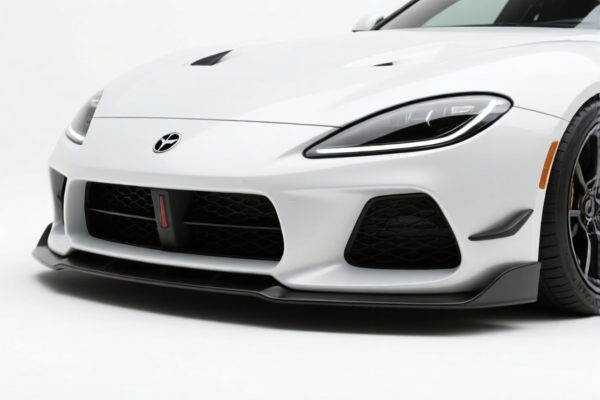
商品图片



AI分析
🛡️ Bumper Strips: HS Code Classification & US Customs Clearance Guide (2026)
🌐 HS Code Reference & Clearance Strategy | 2026 Latest Tariff Analysis | Professional Customs Compliance
📌 I. Product Definition & Classification: What Exactly is a "Bumper Strip"?
Bumper strips are essential protective components used in automotive, industrial, and logistics applications to absorb impact, prevent scratches, and reduce vibration. In international trade, the classification of "Bumper Strips" is highly sensitive to material composition. A single change in material (e.g., from plastic to rubber to metal) can shift the Harmonized System (HS) code and drastically alter the total tariff rate.
Key Material Categories: * Elastomer/Plastic Strips: Non-vulcanized or thermoplastic elastomers (TPE), often flexible and lightweight. * Vulcanized Rubber Strips: Heavier, durable, used for high-impact shock absorption. * Metal U-Shaped Strips: Steel or iron profiles, often used for heavy-duty structural protection.
⚠️ Critical Distinction Point:
- If the strip is metal (steel/iron) → It is a Metal Article (High Risk/High Tariff).
- If the strip is Rubber → It is a Rubber Article (High Tariff due to Section 301 & 122).
- If the strip is Plastic/Elastomer → It is a Plastic Article (Lower Base Tariff, but subject to Section 122).
📦 II. HS Code Classification Matrix (Based on Provided Data)
| HS Code | Product Description | Material/Type | Total Tax Rate | Key Tax Components |
|---|---|---|---|---|
3926.90.65.20 |
Rubber/Plastic Bumper Strip (Strip-like/Part) | Elastomer/Plastic | 14.2% | Base: 4.2% + Section 122: 10% |
4016.99.30.00 |
Rubber Bumper Strip (Shock Absorption) | Vulcanized Rubber | 35.0% | Base: 0.0% + Section 301: 25% + Section 122: 10% |
4016.99.60.50 |
Rubber Bumper Strip (General Rubber Part) | Vulcanized Rubber | 37.5% | Base: 2.5% + Section 301: 25% + Section 122: 10% |
7326.90.86.88 |
U-Shaped Bumper Strip | Steel/Iron Metal | 87.9% | Base: 2.9% + Section 301: 25% + Section 122: 10% + Section 232 (Steel/Alu/Cu): 50% |
4016.99.60.50 |
U-Shaped Bumper Strip (Inferred Rubber) | Vulcanized Rubber | 37.5% | Base: 2.5% + Section 301: 25% + Section 122: 10% |
🔍 Important Note on "U-Shaped":
- If the U-shape is made of metal, it falls under7326.90.86.88with a staggering 87.9% total tax.
- If the U-shape is made of rubber, it falls under4016.99.60.50with a 37.5% total tax.
- Never assume shape defines the code; material is king!
💰 III. Detailed Tariff Breakdown & Legal Basis
✅ Jurisdiction: United States (US)
✅ Origin: China (CN)
✅ Effective Period: Current applicable rates (Including 2025/2026 updates)
🎯 1. 3926.90.65.20 – Plastic/Elastomer Bumper Strips
| Item | Details |
|---|---|
| Base Duty | 4.2% |
| Section 301 (Trade War) | 0.0% (Not applicable for this specific plastic subheading) |
| Section 122 (Enforcement) | +10.0% (Anti-dumping/Countermeasures on specific plastic articles) |
| Total Effective Rate | 14.2% |
| Calculation | CIF Value × 14.2% |
| De Minimis Exemption? | ❌ No (Section 122 tariffs usually override de minimis thresholds for enforcement purposes) |
📌 Explanation:
- This is the most cost-effective classification if the product is indeed plastic/elastomer.
- "Section 122" refers to recent enforcement measures targeting specific imports.
- Ensure the product is not classified as rubber, which triggers higher 301 tariffs.
🎯 2. 4016.99.30.00 & 4016.99.60.50 – Vulcanized Rubber Bumper Strips
| Item | Details |
|---|---|
| Base Duty | 0.0% (for .30) or 2.5% (for .60) |
| Section 301 (Trade War) | +25.0% (Standard tariff on Chinese rubber goods) |
| Section 122 (Enforcement) | +10.0% (Additional layer on rubber articles) |
| Total Effective Rate | 35.0% (for .30) or 37.5% (for .60) |
| Calculation | CIF Value × 35%/37.5% |
| De Minimis Exemption? | ❌ No |
📌 Explanation:
- The difference between.30(shock absorption) and.60(other rubber parts) is minor in price (2.5% difference) but critical in compliance.
- Both carry the full brunt of Section 301 (25%) and Section 122 (10%).
- Misclassifying rubber as plastic here saves 20-23%, but risks severe penalties if audited.
🎯 3. 7326.90.86.88 – Steel/Iron U-Shaped Bumper Strips
| Item | Details |
|---|---|
| Base Duty | 2.9% |
| Section 301 (Trade War) | +25.0% |
| Section 122 (Enforcement) | +10.0% |
| Section 232 (Steel/Aluminum) | +50.0% (Specific levy on steel articles) |
| Total Effective Rate | 87.9% |
| Calculation | CIF Value × 87.9% |
| De Minimis Exemption? | ❌ No |
📌 Explanation:
- This is the highest risk category.
- The 50% Section 232 tariff applies specifically to steel and aluminum products from China.
- Combined with 301 and 122, the total tax exceeds 87%.
- Strategy: If the bumper has a metal core, consider if it can be reclassified as a "part of another machine" or if a composite classification offers a lower rate (rare).
🛠️ IV. Customs Clearance Practical Advice (Avoiding Pitfalls)
✅ 1. Documentation Checklist (Mandatory)
| Document | Requirement | Purpose |
|---|---|---|
| Product Specification Sheet | Must list exact material composition (e.g., "90% Vulcanized Rubber, 10% Steel Core") | Determines HS Code accuracy |
| Material Certificate (MSDS/Technical Data) | Third-party lab test confirming rubber vs. plastic vs. steel | Prevents misclassification audits |
| Product Photos (Clear) | Show cross-section if composite, or surface texture | Proves vulcanization state |
| Commercial Invoice | Must clearly state: "Bumper Strip, Material: [Rubber/Plastic/Metal], HS Code: [XXXX]" | Legal declaration for CBP |
| Country of Origin Certificate | Confirm CN origin to apply correct 301/232 rates | Avoid over/underpayment |
✅ 2. Classification Strategy & Tricks
🔥 “Material First, Shape Second, Tax Last!”
| Scenario | Correct HS Code | Avoid | Reason |
|---|---|---|---|
| Plastic TPE Strip | 3926.90.65.20 |
4016... |
Plastic is cheaper (14.2% vs 35%+) |
| Hard Rubber Strip | 4016.99.30.00 |
3926... |
If vulcanized, it’s rubber. Do not lie. |
| Steel U-Channel | 7326.90.86.88 |
8302... |
Must include Section 232 tax. High cost! |
| Composite (Rubber + Metal) | Analyze Dominant Material | Split shipment | If rubber is dominant, may use Rubber code. Consult counsel. |
✅ 3. Special Warning: "U-Shaped" Misconception
⚠️ Don't be fooled by the shape!
A "U-Shaped Bumper Strip" is NOT automatically metal.
- If it's rubber, it’s 37.5%.
- If it’s steel, it’s 87.9%.
Action: Always specify the material in the invoice. If you ship steel bumpers as "rubber bumpers," CBP will seize the goods and fine you.
🌍 V. Global Market Comparison (2026)
| Destination | Recommended HS | Estimated Total Tax (CN Origin) | Notes |
|---|---|---|---|
| 🇺🇸 USA | Depends on Material | 14.2% – 87.9% | Heavy Section 301/232/122 impact |
| 🇨🇳 China | Depends on Material | ~0-5% | Lower base rates, no Section 301 |
| 🇪🇺 EU | 4016 / 3926 / 7326 | ~5-10% | No Section 301/122, but VAT applies |
| 🇨🇦 Canada | Depends on Material | ~0-5% | CUSMA preferential if Canadian origin |
📌 Conclusion:
- The US market is the most expensive for bumper strips due to multiple layered tariffs.
- Plastic (14.2%) is significantly cheaper than Rubber (35%+) and Metal (87.9%).
- Suppliers should clearly label materials to ensure correct declaration.
📌 VI. Common Errors & Pitfalls (Lessons Learned)
❌ Error 1: Classifying Steel bumpers as Plastic to save taxes.
👉 Consequence: CBP audit, back-tariffs, penalties, and potential seizure. (Savings ~70%, Risk = Total Loss).
❌ Error 2: Claiming De Minimis (Section 321) for small shipments.
👉 Consequence: Section 122 and 301 tariffs often exclude de minimis exemptions for Chinese goods. Your $800 package could still be taxed.
❌ Error 3: Ignoring Section 232 on metal parts.
👉 Consequence: Forgetting the 50% steel tariff leads to a 50% underpayment. CBP will charge interest and penalties.
✅ Correct Practice:
"Bumper Strip, Vulcanized Rubber, U-Shape, Shock Absorbing, HS 4016.99.30.00"
🎯 VII. Final Recommendation: Professional Clearance
🎯 Key Takeaway:
🔹 Plastic = Best Rate (14.2%)
🔹 Rubber = Moderate Rate (35-37.5%)
🔹 Metal = Worst Rate (87.9%)🔹 Always verify material composition!
🔹 Declare Section 122 and 301 explicitly in the entry summary.
📌 Pro Tip:
If you are importing large volumes of rubber or metal bumpers, consider applying for a Tariff Engineering analysis or Exclusion Request (if available) under Section 301. However, Section 122 and 232 are harder to exclude.
📣 Immediate Action Steps:
1. Check Material: Confirm if your bumpers are Plastic, Rubber, or Metal.
2. Select HS Code: Use the table above.
3. Prepare Docs: Ensure invoice states material clearly.
4. Consult Broker: For composite goods, seek a pre-ruling.
✨ Accurate Classification = Predictable Costs!
💼 Don't let a 0.1% material change cost you 50% in taxes!
用户评价
关于 HS 编码归类
协调制度(HS)是由世界海关组织(WCO)制定的国际贸易商品分类标准。全球 200 多个国家采用 HS 系统作为海关关税、贸易统计和进出口监管的基础。
每个 HS 编码遵循以下层级结构:
- 章(2 位)——商品大类(例如:第 84 章:机器和机械设备)
- 品目(4 位)——章内的更具体分类
- 子目(6 位)——国际通用细分,所有 WCO 成员国统一使用
- 本国细分(8-10 位)——各国自行扩展的细分编码,如美国 HTSUS 10 位编码
正确的 HS 编码归类对于顺利通关、准确缴纳关税和遵守贸易法规至关重要。错误归类可能导致海关延误、多缴关税或罚款。
从CN进口到US时,适用的关税税率可能包括:
- 最惠国(MFN)税率——适用于 WTO 成员国的标准关税税率
- 普通税率——适用于无贸易协定国家
- 贸易救济关税——附加关税,如 301 条款(反倾销)、232 条款(国家安全)或反补贴税
本页内容仅供参考。如需正式归类,请咨询当地海关或持牌报关代理。