canvas shopping tote bag
CN → US| HS编码 | 关税税率 | 原产国 | 目的国 | 文档 |
|---|---|---|---|---|
| 4202929100 | 52.6% | CN | US | 官方文档 |
| 4202926091 | 41.3% | CN | US | 官方文档 |
| 4202923120 | 52.6% | CN | US | 官方文档 |
| 4202921500 | 41.3% | CN | US | 官方文档 |
| 4202329300 | 52.6% | CN | US | 官方文档 |
商品图片
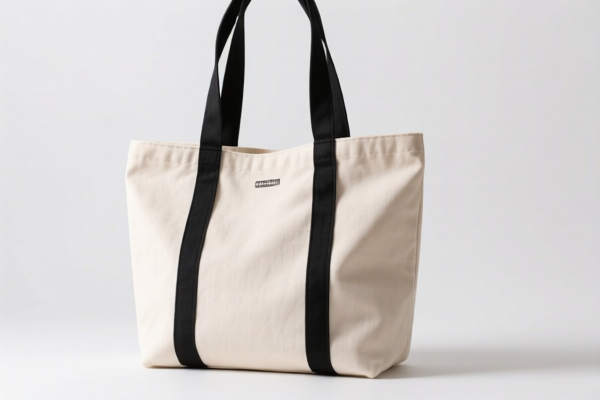
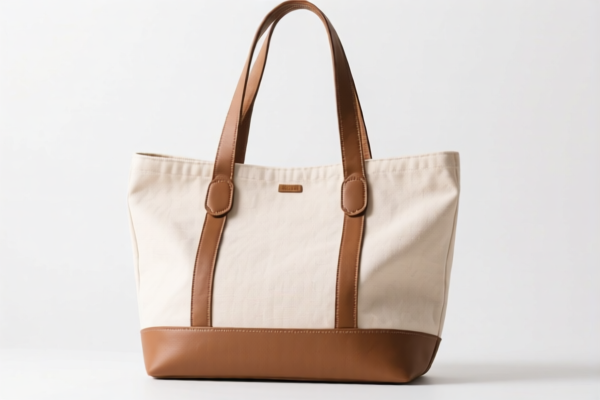
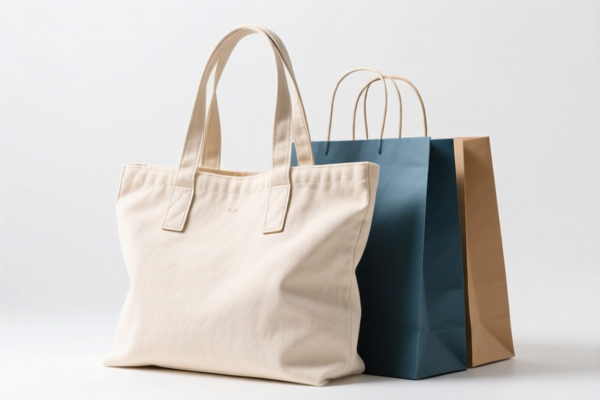
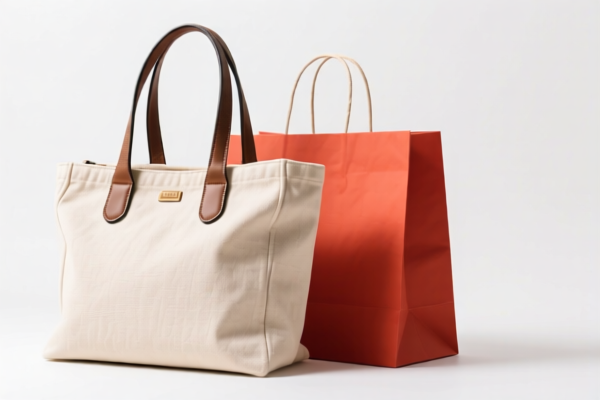
AI分析
👜 Canvas Shopping Tote Bags (Textile Shopping Bags)
🌐 HS Code Reference & Customs Clearance Guide | 2026 Latest Tariff Analysis | Professional Entry Strategy
📌 I. Product Definition & Classification: Do You Truly Understand "Canvas Totes"?
Canvas shopping bags, in international trade, are primarily classified under Chapter 42 (Articles of leather; saddle harness and harness for any animal; travel goods, handbags and similar containers). However, the exact HS Code depends heavily on three critical factors: 1. Material Composition (100% Cotton vs. Synthetic/Man-made Fibers). 2. Bag Shape/Function (Handheld vs. Backpack/Shoulder Strap). 3. Specific Use Case (Travel/Sports vs. General Retail).
⚠️ Key Distinction Points: - Material matters: "Canvas" is often used colloquially for cotton, but if it contains polyester, nylon, or other synthetic fibers, it falls under different subheadings with higher base tariffs. - Shape matters: A simple handheld tote differs from a structured backpack or shoulder bag. - Tax Impact: The tariff difference between 41.3% (Cotton) and 52.6% (Synthetic) is massive. Misclassification can lead to severe underpayment penalties.
📦 II. HS Code Classification Details (2026 Latest Authorized Reference)
Based on the provided data for "Canvas Shopping Tote Bags", here are the 5 specific classifications and their tax implications for imports from China to the US.
| HS Code | Product Description (Summary) | Material Specification | Bag Form/Shape | Total Tariff Rate |
|---|---|---|---|---|
4202.92.60.91 |
Canvas Shopping Bag | Cotton-based | Other containers (non-jewelry boxes) | 41.3% |
4202.92.15.00 |
Canvas Shopping Bag | Cotton/Plant Fiber | Travel, sports, and similar bags | 41.3% |
4202.92.91.00 |
Canvas Shopping Bag | Textile (e.g., Man-made Fiber) | Handbags/purses | 52.6% |
4202.92.31.20 |
Canvas Shopping Bag | Textile/Man-made Fiber | Backpacks or similar bags | 52.6% |
4202.32.93.00 |
Canvas Shopping Bag | Textile (Man-made) | Other containers meeting textile reqs | 52.6% |
🔍 Critical Analysis: - Lowest Tariff (41.3%): Requires Cotton content. Look at codes
4202.92.60.91and4202.92.15.00. - Highest Tariff (52.6%): Applies to Synthetic/Man-made Fibers (Polyester, Nylon, etc.) regardless of whether it's a handbag, backpack, or other container. Look at codes4202.92.91.00,4202.92.31.20, and4202.32.93.00.
💰 III. 2026 Latest Tariff Rate Breakdown (Including Surtaxes & Policy Add-ons)
✅ Applicable Country: United States (US)
✅ Origin: China (CN)
✅ Effective Time: Current 2026 Tariff Regime (Including Section 301 & Section 122 Surtaxes)
🎯 1. Category A: Cotton-Based Canvas Bags (Codes: 4202.92.60.91, 4202.92.15.00)
Total Tariff: 41.3%
| Item | Detail |
|---|---|
| Base Tariff (MFN) | 6.3% |
| Section 301 Surtax (China) | +25.0% |
| Section 122 Surtax (China) | +10.0% |
| Total Effective Rate | 41.3% |
| Tax Calculation | CIF Value × 41.3% |
| De Minimis Exemption | ❌ Not Applicable (Deny De Minimis for Section 301/122 goods) |
| Legal Basis Path | USITC:4202.92.60.91 → Footnote:301-25% → Footnote:122-10% |
📌 Explanation:
- If your canvas bag is made of 100% Cotton (or primarily cotton), you benefit from the lower base tariff (6.3%) compared to synthetics. - However, you still face the heavy 25% (Section 301) and 10% (Section 122) surcharges. - Total: 41.3%.
🎯 2. Category B: Synthetic/Man-Made Fiber Canvas Bags (Codes: 4202.92.91.00, 4202.92.31.20, 4202.32.93.00)
Total Tariff: 52.6%
| Item | Detail |
|---|---|
| Base Tariff (MFN) | 17.6% |
| Section 301 Surtax (China) | +25.0% |
| Section 122 Surtax (China) | +10.0% |
| Total Effective Rate | 52.6% |
| Tax Calculation | CIF Value × 52.6% |
| De Minimis Exemption | ❌ Not Applicable (Deny De Minimis) |
| Legal Basis Path | USITC:4202.92.91.00 → Footnote:301-25% → Footnote:122-10% |
📌 Explanation:
- If your "canvas" bag is made of Polyester, Nylon, or blended synthetic fibers, the base tariff jumps to 17.6%. - Adding the 25% and 10% surcharges results in a total of 52.6%. - This is a 11.3% higher cost than cotton bags.
🛠️ IV. Customs Clearance Operational Advice (Real-World Pitfall Avoidance)
✅ 1. Preparation Checklist (Mandatory)
| Document | Required? | Description |
|---|---|---|
| ✅ Product Specification Sheet | ✔️ | Must explicitly state Fiber Composition (e.g., "100% Cotton" vs. "100% Polyester"). |
| ✅ Material Test Report | ✔️ | Third-party lab report proving cotton content if claiming the 41.3% rate. |
| ✅ Product Photos | ✔️ | Clear images of the bag, including logo, handle structure, and interior lining. |
| ✅ Commercial Invoice | ✔️ | Must match the HS Code description precisely. |
| ✅ Packing List | ✔️ | Detailed item count and dimensions. |
✅ 2. Declaration Strategy (Crucial Tips)
🔥 "Composition is King, Shape is Queen, Mislabeling is Ruin!"
| Scenario | Correct Declaration | Risk of Error |
|---|---|---|
| 100% Cotton Bag | Use 4202.92.60.91 or 4202.92.15.00 |
Declaring as synthetic (52.6%) → Overpay 11.3% unnecessarily |
| 100% Polyester Bag | Use 4202.92.91.00 or 4202.92.31.20 |
Declaring as cotton (41.3%) → Underpayment Penalty + Back Taxes |
| Blended Fabric | Check the primary material by weight. If >50% cotton, use cotton code. | Ambiguous description → Customs Audit Delay |
| "Canvas" General Term | Never use just "Canvas Bag" in HS Code field. Use specific textile code. | Vague description → Red Flag for Customs |
✅ 3. Special Considerations
- "Canvas" Terminology: Customs does not classify by the word "Canvas." They classify by fiber content. A polyester bag is often called "canvas" by retailers but is taxed as synthetic.
- Shape Classification:
- Handheld/Tote: Typically
4202.92.91.00(Synthetic) or4202.92.60.91(Cotton). - Backpack/School Bag:
4202.92.31.20(Synthetic). - Travel/Sports Bag:
4202.92.15.00(Cotton). - Section 122 & 301: These surcharges apply to all textile bags from China. There is no exemption for small shipments (De Minimis does not apply).
🌍 V. Global Market Comparison (2026 Snapshot)
| Country/Region | Recommended HS Code | Base Tariff | Total Tariff (China Origin) | Notes |
|---|---|---|---|---|
| 🇺🇸 USA | 4202.92.60.91 (Cotton) |
6.3% | 41.3% | Includes 25% Sec 301 + 10% Sec 122 |
| 🇺🇸 USA | 4202.92.91.00 (Synthetic) |
17.6% | 52.6% | Includes 25% Sec 301 + 10% Sec 122 |
| 🇨🇳 China | 4202.92.60.91 |
6.3% | 6.3% | Export from China (if importing back, rare) |
| 🇪🇺 EU | 4202.92 Series |
Varies (0-12%) | 0-12% | No Section 301/122 equivalents. Check specific fiber rules. |
| 🇬🇧 UK | 4202.92 Series |
Varies (0-12%) | 0-12% | Post-Brexit tariffs apply. |
📌 Conclusion:
- The US market is the most expensive for Chinese-made textile bags due to additional surcharges. - Cotton vs. Synthetic is the biggest lever for cost control. A 11.3% difference on high-volume items is significant.
📌 VI. Common Errors & Pitfall Guide (Blood & Tears Lessons)
❌ Error 1: Declaring a Polyester bag as Cotton to save tax.
👉 Consequence: Customs tests the fabric, finds 100% polyester, assesses 52.6% instead of 41.3%. You pay the difference + penalties + legal fees.
❌ Error 2: Using "Shopping Bag" without specifying material.
👉 Consequence: Customs defaults to the highest possible tariff or holds the shipment for inspection.
❌ Error 3: Assuming "De Minimis" ($800) applies.
👉 Consequence: It does not. Section 301 and 122 goods are explicitly excluded from de minimis. Every single unit is taxed.
❌ Error 4: Ignoring the "Backpack" vs. "Handbag" distinction.
👉 Consequence: If you declare a backpack as a handbag, you might use the wrong code (4202.92.91.00 vs 4202.92.31.20), though the rate is the same (52.6%), the legal description must be accurate to avoid audits.
✅ Correct Practice:
"Canvas Tote Bag, 100% Cotton, Handheld, Plain White, No Logo, HS Code 4202.92.60.91"
🎯 VII. Conclusion: Professional Declaration, Cost Efficiency
🎯 Remember the Rule:
🔹 "Check the Fiber: Cotton = 41.3%, Synthetic = 52.6%"
🔹 "No De Minimis: Tax every single unit"
🔹 "Be Precise: 'Canvas' is not a HS Code; 'Cotton' and 'Polyester' are"
📌 Pro Tip:
If you are importing large volumes, consider sourcing from Vietnam, Cambodia, or Bangladesh for synthetic bags to avoid the 25% Section 301 tariff entirely (though Section 122 may still apply depending on current regulations, usually 301 is the main blocker). For cotton, the rate is lower, but verification is key.
📣 Immediate Action:
📞 Get a Fabric Test Report before shipment.
📝 Declare with exact material composition.
🚀 Save 11.3% by choosing the right material declaration!
✨ Professional Clearance Starts with Accurate Classification!
💼 Your profit margin depends on this 11.3% difference!
用户评价
关于 HS 编码归类
协调制度(HS)是由世界海关组织(WCO)制定的国际贸易商品分类标准。全球 200 多个国家采用 HS 系统作为海关关税、贸易统计和进出口监管的基础。
每个 HS 编码遵循以下层级结构:
- 章(2 位)——商品大类(例如:第 84 章:机器和机械设备)
- 品目(4 位)——章内的更具体分类
- 子目(6 位)——国际通用细分,所有 WCO 成员国统一使用
- 本国细分(8-10 位)——各国自行扩展的细分编码,如美国 HTSUS 10 位编码
正确的 HS 编码归类对于顺利通关、准确缴纳关税和遵守贸易法规至关重要。错误归类可能导致海关延误、多缴关税或罚款。
从CN进口到US时,适用的关税税率可能包括:
- 最惠国(MFN)税率——适用于 WTO 成员国的标准关税税率
- 普通税率——适用于无贸易协定国家
- 贸易救济关税——附加关税,如 301 条款(反倾销)、232 条款(国家安全)或反补贴税
本页内容仅供参考。如需正式归类,请咨询当地海关或持牌报关代理。