car trash can
CN → US| HS编码 | 关税税率 | 原产国 | 目的国 | 文档 |
|---|---|---|---|---|
| 3926901000 | 20.9% | CN | US | 官方文档 |
| 3926909989 | 22.8% | CN | US | 官方文档 |
| 4202999000 | 55.0% | CN | US | 官方文档 |
| 7326908688 | 87.9% | CN | US | 官方文档 |
| 3926901000 | 20.9% | CN | US | 官方文档 |
商品图片
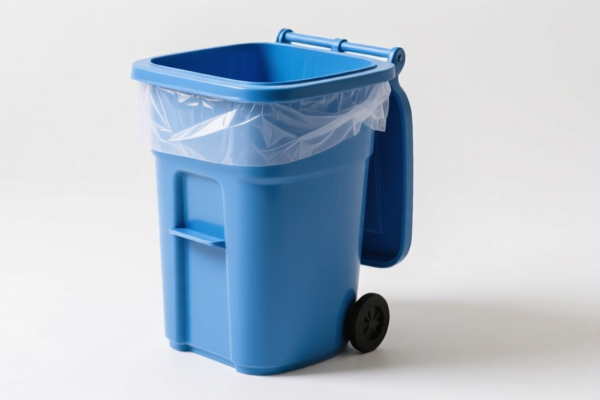
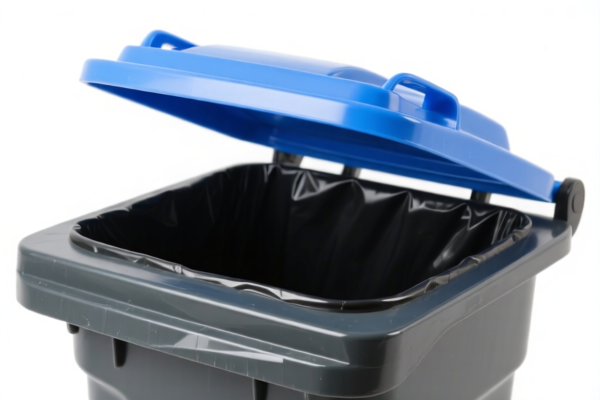
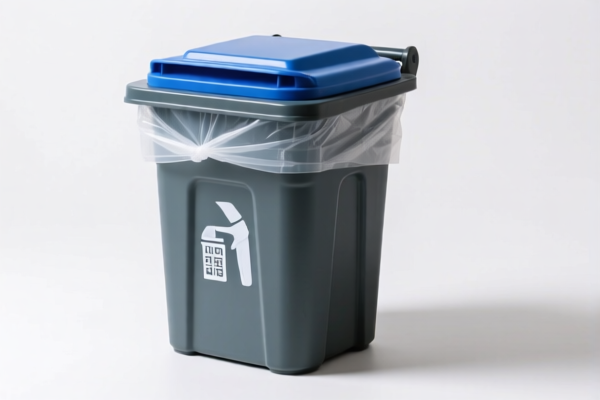
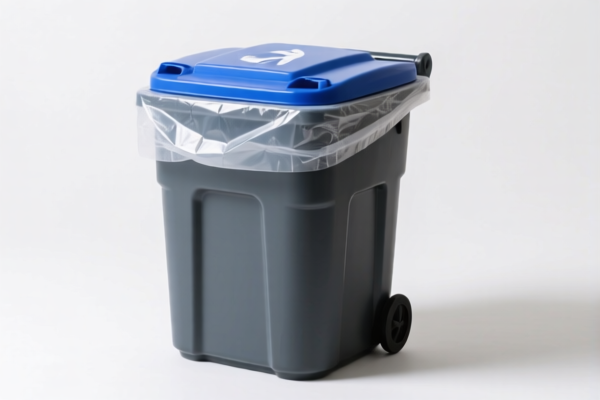
AI分析
🗑️ Car Trash Can (Automotive Waste Container)
🌐 HS Code Classification & Customs Clearance Guide | 2026 Tax Rules Analysis | Strategic Compliance Strategy
📌 Part 1: Product Definition & Material Logic – Why Does Material Determine the Code?
A Car Trash Can is not a single commodity in customs terminology; its classification depends entirely on its primary material and structural composition. In international trade, "trash cans" are generally categorized under Chapter 39 (Plastics), Chapter 42 (Articles of Apparel Accessories, Travel Goods), or Chapter 73 (Articles of Iron or Steel).
⚠️ Critical Distinction:
- If it is made of Plastic, it falls under Chapter 39 or 42;
- If it is made of Metal (Iron/Steel), it falls under Chapter 73.
Misclassification due to material error can lead to significant tariff differences (e.g., 20.9% vs. 87.9%).
📦 Part 2: HS Code Classification Details (2026 Latest Tariff Schedule)
Based on the provided data, here are the four possible HS Codes for Car Trash Cans, categorized by material:
| HS Code | Summary Description | Applicable Material/Type |
|---|---|---|
3926.90.10.00 |
Plastic Cans – Complies with the form and material of vehicle trash bins | Plastic (Rigid/Hard Plastic) |
3926.90.99.89 |
Other Plastic/Combined Material Products – Suitable for car trash cans | Plastic/Other Materials (Non-standard plastic or mixed composition not specifically listed as "cans") |
4202.99.90.00 |
Other Containers & Cases – Suitable for plastic or textile car trash cans | Plastic/Textile (Often flexible, bag-like, or integrated into travel goods) |
7326.90.86.88 |
Other Articles of Iron/Steel – Suitable for metal car trash cans | Metal (Iron or Steel frames/housings) |
🔍 Key Insight:
-3926.90.10.00is the most direct classification for standard rigid plastic car trash cans.
-4202.99.90.00is often used for soft-side or fabric-lined trash bins that resemble travel accessories.
-7326.90.86.88applies to metal or heavy-duty steel containers. Warning: This code carries the highest tariff burden.
💰 Part 3: 2026 Tariff Rate Detailed Breakdown (Including Surtaxes)
✅ Applicable Country: United States (US)
✅ Origin: China (CN)
✅ Effective Time: Current regulations including Section 301 & Section 122 surcharges
🎯 1. 3926.90.10.00 – Plastic Cans (Best Cost Option)
| Item | Detail |
|---|---|
| Base Tariff | 3.4% |
| Section 301 Surtax | 7.5% |
| Section 122 Tariff | 10% |
| Total Tax Rate | 20.9% |
| Tax Calculation | CIF Value × 20.9% |
📌 Explanation:
This is the most favorable code for plastic trash cans. The total tax of 20.9% is significantly lower than metal alternatives. It assumes the product is a standard rigid plastic container.
🎯 2. 3926.90.99.89 – Other Plastic/Mixed Products
| Item | Detail |
|---|---|
| Base Tariff | 5.3% |
| Section 301 Surtax | 7.5% |
| Section 122 Tariff | 10% |
| Total Tax Rate | 22.8% |
| Tax Calculation | CIF Value × 22.8% |
📌 Explanation:
Use this code if the trash can has non-standard plastic compositions or is classified as "other plastic articles" not specifically listed as "cans." The rate is only 1.9% higher than3926.90.10.00.
🎯 3. 4202.99.90.00 – Other Containers (Plastic/Textile)
| Item | Detail |
|---|---|
| Base Tariff | 20.0% |
| Section 301 Surtax | 25.0% |
| Section 122 Tariff | 10% |
| Total Tax Rate | 55.0% |
| Tax Calculation | CIF Value × 55.0% |
📌 Explanation:
This code is significantly more expensive. It is typically used for textile-based or soft-sided trash bins that are classified under "Travel Goods" or "Apparel Accessories." Avoid this if the product is primarily rigid plastic.
🎯 4. 7326.90.86.88 – Metal (Iron/Steel) Articles
| Item | Detail |
|---|---|
| Base Tariff | 2.9% |
| Section 301 Surtax | 25.0% |
| Section 122 Tariff | 10% |
| Steel/Aluminum/Copper Surcharge | +50% |
| Total Tax Rate | 87.9% |
| Tax Calculation | CIF Value × 87.9% |
⚠️ CRITICAL WARNING:
- The total tax rate of 87.9% is extremely high.
- The 50% surcharge on steel/aluminum/copper products is a major cost driver.
- Only use this code if the product is predominantly metal. Do not classify plastic items here.
🛠️ Part 4: Customs Clearance Practical Advice (Pitfall Avoidance)
✅ 1. Preparation Checklist (Mandatory)
| Document | Required | Purpose |
|---|---|---|
| Product Specification Sheet | ✔️ | Must explicitly state Material (e.g., "100% PP Plastic" or "Steel Frame with Plastic Liner") |
| Product Photos | ✔️ | Show the trash can’s structure, lid, and any metal/plastic ratio |
| Commercial Invoice | ✔️ | Clearly describe the product as "Plastic Car Trash Can" or "Metal Car Waste Bin" |
| Bill of Lading | ✔️ | Ensure packaging details match the invoice |
✅ 2. Declaration Strategy (Key Rules)
🔥 Golden Rule: "Material First, Code Second. Plastic is Cheap, Metal is Expensive!"
| Scenario | Correct HS Code | Risk if Misclassified |
|---|---|---|
| Standard Plastic Bin | 3926.90.10.00 (20.9%) |
If declared as Metal (7326...) → 87.9% Tax |
| Soft/Textile Bin | 4202.99.90.00 (55.0%) |
If declared as Plastic (3926...) → Underpayment Risk |
| Mixed Material (Plastic+Metal) | Analyze Principal Character | If metal frame is minor, still claim Plastic; if metal is primary structure, risk Metal classification |
| Non-Standard Plastic | 3926.90.99.89 (22.8%) |
Ensure it doesn't fit "Cans" definition, or risk incorrect classification |
✅ 3. Special Cases Handling
| Situation | Handling Advice |
|---|---|
| Plastic Bin with Metal Clip/Lid | If metal parts are <5% by value/weight, declare as Plastic (3926.90.10.00) |
| Steel Bin with Plastic Liner | Must declare as Metal (7326.90.86.88) despite plastic liner. Tax will be 87.9% |
| Fabric/Textile Trash Can | Declare as 4202.99.90.00. Avoid declaring as plastic to prevent customs audits |
| Eco-friendly Biodegradable Plastic | Still classified under Chapter 39 unless specifically exempted. Tax remains 20.9% |
📌 Part 5: Common Errors & Pitfalls (Blood & Tears Lessons)
❌ Error 1: Declaring a Metal Frame trash can as Plastic
👉 Consequence: Customs audit → Back taxes + Penalties. The 50% steel surcharge will be enforced retroactively.
❌ Error 2: Using "Car Accessory" as a generic description
👉 Consequence: Ambiguity leads to customs officer discretion, likely resulting in the highest applicable rate (Metal/87.9%).
❌ Error 3: Ignoring the "Section 122" Tariff
👉 Consequence: All listed rates include the 10% Section 122 tariff. Failure to account for this leads to underpayment.
❌ Error 4: Confusing 3926.90.10.00 and 3926.90.99.89
👉 Consequence: Minor rate difference (20.9% vs 22.8%), but consistency in classification is key for future audits.
✅ Correct Practice:
"Plastic Car Trash Can, 5L Capacity, Black, Made of Polypropylene (PP), with Lid"
🎯 Part 6: Conclusion – Professional Clearance, Cost Savings!
🎯 Remember the Rule:
🔹 "Plastic: ~20-22%. Metal: ~88%. Textile: ~55%."
🔹 "Check Material First. Don't Let Metal Tariffs Destroy Your Profit!"
📌 Pro Tip:
If your car trash can has any significant metal component (e.g., steel frame, metal clips), consider replacing it with plastic or aluminum alternatives (if exempt) to avoid the 50% steel surcharge. For plastic items, 3926.90.10.00 is the most cost-effective and clear classification.
📣 Immediate Action:
📞 Consult with a customs broker to confirm material composition before shipping.
🚀 Ensure your invoice explicitly states "Plastic" or "Metal" to match the HS Code.
✨ Professional Clearance Starts with Accurate Classification!
💼 Save 67% Tax by Choosing the Right HS Code!
用户评价
关于 HS 编码归类
协调制度(HS)是由世界海关组织(WCO)制定的国际贸易商品分类标准。全球 200 多个国家采用 HS 系统作为海关关税、贸易统计和进出口监管的基础。
每个 HS 编码遵循以下层级结构:
- 章(2 位)——商品大类(例如:第 84 章:机器和机械设备)
- 品目(4 位)——章内的更具体分类
- 子目(6 位)——国际通用细分,所有 WCO 成员国统一使用
- 本国细分(8-10 位)——各国自行扩展的细分编码,如美国 HTSUS 10 位编码
正确的 HS 编码归类对于顺利通关、准确缴纳关税和遵守贸易法规至关重要。错误归类可能导致海关延误、多缴关税或罚款。
从CN进口到US时,适用的关税税率可能包括:
- 最惠国(MFN)税率——适用于 WTO 成员国的标准关税税率
- 普通税率——适用于无贸易协定国家
- 贸易救济关税——附加关税,如 301 条款(反倾销)、232 条款(国家安全)或反补贴税
本页内容仅供参考。如需正式归类,请咨询当地海关或持牌报关代理。