car wash towel
CN → US| HS编码 | 关税税率 | 原产国 | 目的国 | 文档 |
|---|---|---|---|---|
| 5603920070 | 35.0% | CN | US | 官方文档 |
| 6307102030 | 22.8% | CN | US | 官方文档 |
| 6307101090 | 21.6% | CN | US | 官方文档 |
| 5603110070 | 35.0% | CN | US | 官方文档 |
| 3926909989 | 22.8% | CN | US | 官方文档 |
商品图片
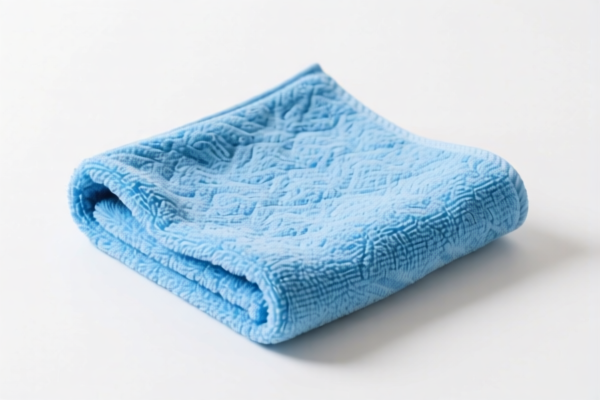
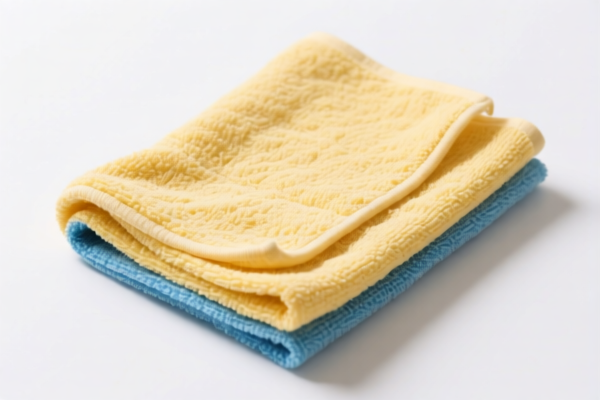
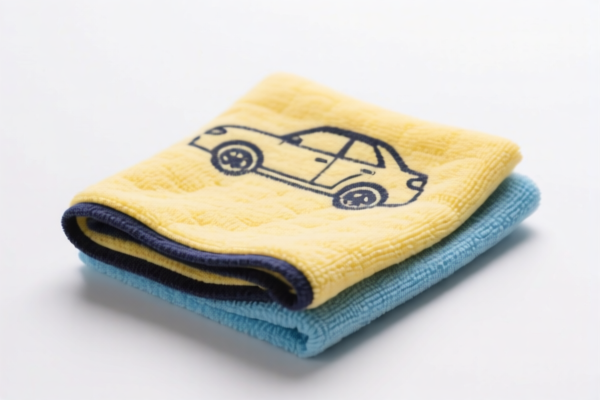
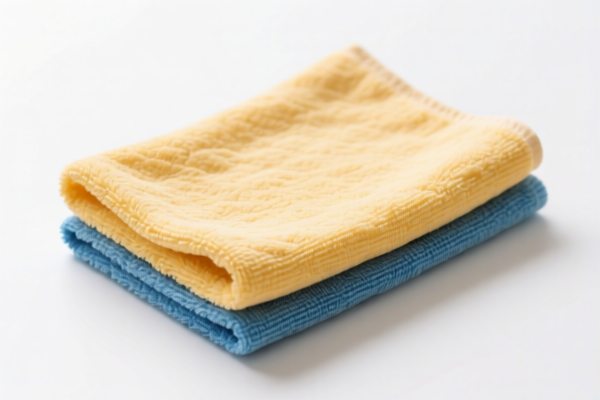
AI分析
🚗 Car Wash Towel (Automobile Cleaning Cloth)
🌐 HS Code Reference & Clearance Guide | 2026 Latest Tariff Analysis | Professional-Level Customs Strategy
📌 1. Product Definition & Classification: What exactly is a "Car Wash Towel"?
A car wash towel is a specialized textile or non-woven product used for cleaning, drying, and polishing automobiles. In international trade, its classification depends heavily on material composition (woven vs. non-woven, natural vs. synthetic) and manufacturing process. It is generally categorized under Textiles, Knitted/Crocheted Fabrics, or Made-Up Articles.
Key Distinction Points:
- Non-Woven Synthetic Fibers: If made from synthetic fibers (like polyester microfiber) via needle-punching or chemical bonding without weaving → Often falls under Chapter 56 (Non-wovens).
- Woven/Textile Cleaning Cloths: If made from woven fabrics (cotton, polyester blends, etc.) specifically for cleaning → Often falls under Chapter 63 (Other Made-Up Textile Articles).
- Plastic/Synthetic Resins: If the "fabric" is essentially a plastic sheet or matting that resembles a cloth but is technically plastic → Chapter 39.
📦 2. HS Code Classification Details (2026 Latest Tariff Authority Cross-Reference)
| HS Code | Product Description | Application Scenario | Material Type | Total Tax Rate (China Origin) |
|---|---|---|---|---|
5603.92.00.70 |
Non-woven fabrics, weight >10g/m² but ≤30g/m², other materials (e.g., synthetic non-woven cleaning mats) | Industrial cleaning pads, disposable non-woven car wipes | Non-woven Synthetic | 35.0% |
6307.10.20.30 |
Other made-up articles, including cleaning cloths, of all textile materials | Standard microfiber car towels, woven cleaning cloths | Textile/Weaved | 22.8% |
6307.10.10.90 |
Cleaning cloths, dusting cloths, of cotton | Cotton-based car wash towels, traditional lint-free wipes | Cotton/Natural Fiber | 21.6% |
5603.11.00.70 |
Non-woven fabrics, weight ≤10g/m², of synthetic fibers | Ultra-thin non-woven polishing pads, disposable synthetic wipes | Thin Non-woven Synthetic | 35.0% |
3926.90.99.89 |
Other articles of plastics and articles of other materials of headings 3901-3914 | Plastic-fiber cloths, synthetic resin-based cleaning mats that don't qualify as textiles | Plastic/Synthetic Resin | 22.8% |
🔍 Critical Note:
- Non-woven (5603) products often face higher duties due to specific trade measures.
- Textile Cleaning Cloths (6307.10) are the most common category for reusable microfiber car towels.
- Plastic Articles (3926) apply if the item is technically a plastic mat or sheet that merely "looks" like a cloth.
💰 3. 2026 Latest Tariff Rate Breakdown (Including Additional Duties & Policy Add-ons)
✅ Applicable Country: United States (US)
✅ Origin: China (CN)
✅ Effective Time: Post-November 10, 2025 (and subsequent imports)
🎯 1. HS Code: 5603.92.00.70 & 5603.11.00.70 — Non-Woven Textiles
| Item | Details |
|---|---|
| Base Tariff | 0.0% |
| Section 301 Additional Duty | +25.0% (Standard USITC 301 Footnote) |
| Section 122 Duty | +10.0% (Targeted China Import Duty) |
| Total Rate | 35.0% |
| Calculation | CIF Value × 35% |
| De Minimis Exemption | ❌ Not Applicable |
| Legal Basis | USITC:5603.92.00.70 → FOOTNOTE:301 + IEEPA:122 |
📌 Explanation:
- Non-woven products are heavily scrutinized. The 25% Section 301 tariff is applied on top of the base rate.
- The 10% Section 122 tariff adds further cost.
- Total 35% is a significant cost driver for non-woven car wipes.
🎯 2. HS Code: 6307.10.20.30 — Other Cleaning Cloths (Textile)
| Item | Details |
|---|---|
| Base Tariff | 5.3% |
| Section 301 Additional Duty | +7.5% (Specific sub-rate for certain textile articles) |
| Section 122 Duty | +10.0% |
| Total Rate | 22.8% |
| Calculation | CIF Value × 22.8% |
| De Minimis Exemption | ❌ Not Applicable |
| Legal Basis | USITC:6307.10.20.30 → FOOTNOTE:301.7.5 + IEEPA:122 |
📌 Explanation:
- Reusable microfiber or woven cleaning cloths fall here.
- The base rate is higher (5.3%), but the Section 301 add-on is lower (7.5%) compared to non-wovens.
- Total 22.8% is more favorable than non-wovens.
🎯 3. HS Code: 6307.10.10.90 — Cotton Cleaning Cloths
| Item | Details |
|---|---|
| Base Tariff | 4.1% |
| Section 301 Additional Duty | +7.5% |
| Section 122 Duty | +10.0% |
| Total Rate | 21.6% |
| Calculation | CIF Value × 21.6% |
| De Minimis Exemption | ❌ Not Applicable |
| Legal Basis | USITC:6307.10.10.90 → FOOTNOTE:301.7.5 + IEEPA:122 |
📌 Explanation:
- Cotton-based towels are the lowest taxed option among the textile categories.
- Base rate is 4.1%, plus 7.5% Section 301, plus 10% Section 122.
- Total 21.6% is the most cost-effective for natural fiber towels.
🎯 4. HS Code: 3926.90.99.89 — Plastic/Synthetic Articles
| Item | Details |
|---|---|
| Base Tariff | 5.3% |
| Section 301 Additional Duty | +7.5% |
| Section 122 Duty | +10.0% |
| Total Rate | 22.8% |
| Calculation | CIF Value × 22.8% |
| De Minimis Exemption | ❌ Not Applicable |
| Legal Basis | USITC:3926.90.99.89 → FOOTNOTE:301.7.5 + IEEPA:122 |
📌 Explanation:
- If the "towel" is made of plastic fibers or resin mats, it is classified here.
- Same tax burden as woven textile cleaning cloths (22.8%).
- Risk: Misclassification from Textile (6307) to Plastic (3926) can lead to delays if materials don't match customs definitions.
🛠️ 4. Customs Clearance Practical Advice (Real-World Pitfall Guide)
✅ 1. Required Documentation Checklist
| Document | Mandatory? | Description |
|---|---|---|
| ✅ Product Specification Sheet | ✔️ | Detail material (cotton, polyester, microfiber), weight, GSM, and manufacturing process (woven vs. non-woven). |
| ✅ Material Composition Label | ✔️ | Clearly state % of fibers (e.g., "80% Polyester, 20% Polyamide Microfiber"). |
| ✅ Product Photos | ✔️ | Show texture, tags, and packaging. Distinguish between "disposable non-woven" and "reusable woven". |
| ✅ Commercial Invoice | ✔️ | Use precise description: "Microfiber Car Wash Towel, Polyester, Reusable" or "Non-Woven Disposable Cleaning Pad". |
| ✅ Packing List | ✔️ | Ensure quantity and weight match invoice. |
| ✅ Test Report (Optional but Recommended) | ✔️ | Fiber composition test report to prove non-woven vs. woven status. |
✅ 2. Declaration Tips (Key Mantra)
🔥 "Material Defines HS, Weave vs. Non-Weave, Label Clearly, Avoid 35%!"
| Scenario | Correct HS Code | Mistake to Avoid |
|---|---|---|
| Reusable Microfiber Towel | 6307.10.20.30 (22.8%) |
Misdeclare as non-woven → 35.0% |
| Cotton Car Towel | 6307.10.10.90 (21.6%) |
Misdeclare as synthetic → Higher tax |
| Disposable Non-Woven Wipe | 5603.92.00.70 (35.0%) |
Accept high cost or redesign product |
| Plastic Cleaning Mat | 3926.90.99.89 (22.8%) |
Misdeclare as textile → Customs rejection |
✅ 3. Special Case Handling
| Situation | Recommendation |
|---|---|
| OEM Branding | Provide customer order + design proof. Avoid "generic" descriptions that confuse customs. |
| Mixed Materials | If towel has cotton AND polyester, use the predominant fiber. If equal, follow general rule of classification. |
| "Microfiber" Claims | Microfiber is usually synthetic (polyester/polyamide). If woven → 6307. If non-woven → 5603. Do not confuse! |
| Gift Sets | If towel is part of a "Car Care Kit", declare separately if possible. Bundling may trigger different classification for the kit. |
🌍 5. Global Market Comparison (2026 Latest)
| Country/Region | Recommended HS Code | Tariff (China Origin) | Certification | Notes |
|---|---|---|---|---|
| 🇺🇸 USA | 6307.10.20.30 |
22.8% | None specific | 35% for non-wovens is critical to avoid |
| 🇨🇳 China | 6307.10.20.30 |
5% | RoHS | No additional duties |
| 🇪🇺 EU | 6307.10 |
0% (if GSP) | CE (if plastic parts) | No Section 122 or 301 |
| 🇬🇧 UK | 6307.10 |
0% (if FTA) | UKCA | Post-Brexit rules apply |
| 🇯🇵 Japan | 6307.10 |
0% | PSE (if electrical, not applicable here) | Low tariff market |
📌 Conclusion:
- USA is the most challenging market due to Section 301 and Section 122 duties.
- Non-woven products (35%) are significantly more expensive than woven/textile products (21-23%).
- Cotton towels (21.6%) offer the lowest duty in the US market.
📌 6. Common Errors & Pitfalls (Blood Lessons)
❌ Error 1: Declaring a woven microfiber towel as non-woven
👉 Consequence: If customs tests and finds it woven, you get re-classification + penalty. If they accept non-woven, you pay 35% instead of 22.8%.
❌ Error 2: Not specifying "Microfiber" or "Material Composition"
👉 Consequence: Customs may assign a higher default duty or request a border sample test for classification, causing delays.
❌ Error 3: Using vague terms like "Cleaning Cloth" without HS Code specificity
👉 Consequence: Customs officer has discretion. May pick the highest duty bracket (35%) to maximize revenue.
❌ Error 4: Ignoring Section 122 (10%)
👉 Consequence: Many importers only account for Section 301. Forgetting Section 122 leads to underpayment and penalties.
✅ Correct Declaration Example:
"Microfiber Car Wash Towel, Woven, 80% Polyester/20% Polyamide, Reusable, Model XYZ"
➡️ HS Code: 6307.10.20.30
➡️ Tax: 22.8%
🎯 7. Conclusion: Precise Classification Saves Money!
🎯 Remember the Mantra:
🔹 "Woven/Microfiber = 22.8% | Cotton = 21.6% | Non-Woven = 35.0%"
🔹 "Specify Material, Avoid Non-Woven, Save 12%!"
📌 Pro Tip:
If you are importing non-woven towels, consider redesigning as woven or cotton-based to reduce tariffs by 12-13.4%.
Always pre-classify with a licensed customs broker before shipment.
📣 Immediate Action:
📞 Contact a customs broker + Provide material spec + Apply for Advance Ruling
🚀 Clear customs smoothly, maximize profit, avoid penalties!
✨ Professional Customs Clearance Starts with Accurate Classification!
💼 Every penny of tax savings is pure profit!
用户评价
关于 HS 编码归类
协调制度(HS)是由世界海关组织(WCO)制定的国际贸易商品分类标准。全球 200 多个国家采用 HS 系统作为海关关税、贸易统计和进出口监管的基础。
每个 HS 编码遵循以下层级结构:
- 章(2 位)——商品大类(例如:第 84 章:机器和机械设备)
- 品目(4 位)——章内的更具体分类
- 子目(6 位)——国际通用细分,所有 WCO 成员国统一使用
- 本国细分(8-10 位)——各国自行扩展的细分编码,如美国 HTSUS 10 位编码
正确的 HS 编码归类对于顺利通关、准确缴纳关税和遵守贸易法规至关重要。错误归类可能导致海关延误、多缴关税或罚款。
从CN进口到US时,适用的关税税率可能包括:
- 最惠国(MFN)税率——适用于 WTO 成员国的标准关税税率
- 普通税率——适用于无贸易协定国家
- 贸易救济关税——附加关税,如 301 条款(反倾销)、232 条款(国家安全)或反补贴税
本页内容仅供参考。如需正式归类,请咨询当地海关或持牌报关代理。