cashmere combed fabric
CN → US| HS编码 | 关税税率 | 原产国 | 目的国 | 文档 |
|---|---|---|---|---|
| 5111196060 | 60.0% | CN | US | 官方文档 |
| 5111909000 | 60.0% | CN | US | 官方文档 |
| 5112196010 | 60.0% | CN | US | 官方文档 |
| 6302390010 | 21.8% | CN | US | 官方文档 |
| 5112196040 | 60.0% | CN | US | 官方文档 |
商品图片
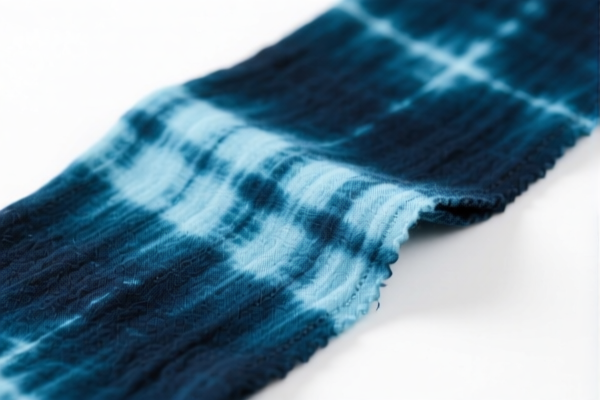
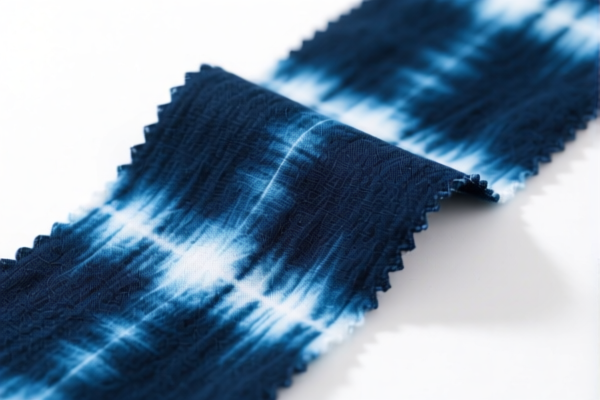
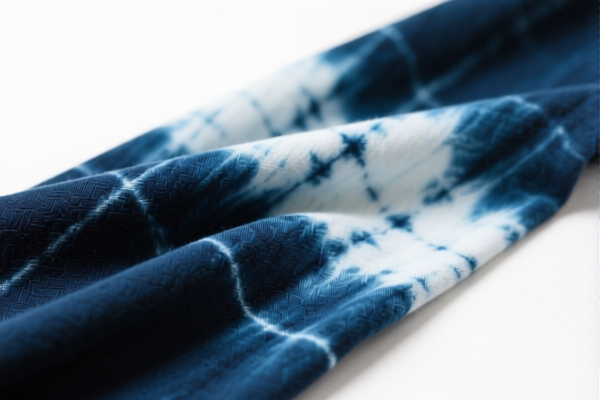
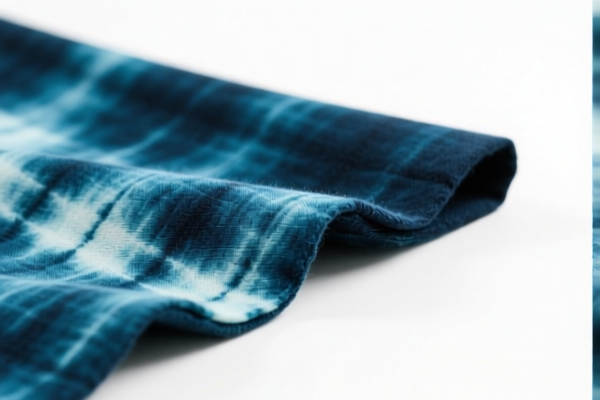
AI分析
🧶 Cashmere Combed Fabric (Combed Cashmere Textile)
🌐 HS Code Reference & Customs Clearance Guide | 2026 Latest Tariff Analysis | Professional Clearance Strategy
📌 I. Product Definition & Classification: Do You Really Understand "Combed Cashmere Fabric"?
Cashmere Combed Fabric is a high-end textile material derived from the fine undercoat of cashmere goats. In international trade, it is classified based on its processing state (Combed), material composition (Cashmere/Cashmere Blend), and form (Fabric/Woven). The key distinction lies in whether it is woven (machine-made fabric) or knitted, and whether it is pure cashmere or blended.
⚠️ Key Distinction Points:
- Combed vs. Carded: "Combed" implies a higher quality, smoother texture, and specific HS code chapters (Chapter 51, specific headings for wool/cashmere).
- Pure Cashmere vs. Blend: If it is 100% cashmere, it falls under specific subheadings. If it is a "blend" (e.g., cashmere + wool), it may fall under different subheadings depending on the dominant fiber or specific classification rules.
- Woven vs. Knitted: The provided data implies woven fabric (HS 5111/5112 series are for woven fabrics of wool/fine animal hair). Knitted fabrics would fall under Chapter 60.
📦 II. HS Code Classification Details (Based on Provided Data)
The provided data suggests five potential HS codes for "Cashmere Combed Fabric." Below is the detailed breakdown, analysis, and tax implication for each.
| HS Code | Product Description (Based on Data) | Matching Logic | Total Tax Rate (US) |
|---|---|---|---|
5111.19.60.60 |
Wool Fabric, Other | Match: "Wool" in name matches material; "Fabric" matches form. No weight conflict, not "Other" category. | 60.0% |
5111.90.90.00 |
Other Woven Fabrics of Wool/Fine Animal Hair | Match: "Cashmere Blend" fits "Combed Wool/Fine Animal Hair"; "Fabric" fits "Woven". | 60.0% |
5112.19.60.10 |
Woven Fabrics of Combed Wool/Fine Animal Hair | Match: "Cashmere Blend" + "Fabric (Woven)" fits core features. Based on "Cashmere" presence, deemed compliant. | 60.0% |
6302.39.00.10 |
Bed Linen, Textile Materials | Match: Material (Cashmere Blend) fits; Form (Fabric) fits "Textile Materials for Bed Linen". | 21.8% |
5112.19.60.40 |
Woven Fabrics of Combed Wool/Fine Animal Hair | Match: Material (Cashmere Blend) fits; Form (Woven Fabric) fits. Inferred based on material consistency. | 60.0% |
🔍 Critical Note:
- The majority of these codes (4 out of 5) carry a 60% tax rate, driven by Section 301 and Section 122 tariffs on Chinese-origin goods.
- HS 6302.39.00.10 is an anomaly with a much lower rate (21.8%), but its applicability depends on whether the fabric is specifically declared/intended for bed linen (sheets, pillowcases) rather than general apparel or upholstery.
- HS 5111 vs. 5112: 5111 is typically for carded wool, while 5112 is for combed wool. Since the product is "Combed," 5112 codes are technically more accurate, though 5111 was included in the data due to broader categorization.
💰 III. 2026 Latest Tariff Rate Breakdown (Including Surcharges)
✅ Applicable Country: United States (US)
✅ Origin: China (CN) (Inferred from the specific "122 Clause" and tariff structure in the data)
✅ Effective Time: Post-2025 adjustments (Current 2026 structure)
🎯 1. High-Tax Group: 5111.19.60.60, 5111.90.90.00, 5112.19.60.10, 5112.19.60.40
| Item | Detail |
|---|---|
| Base Tariff | 25.0% (Most Favored Nation / MFN rate for woven wool/cashmere fabrics) |
| Section 301 Surcharge | 25.0% (Additional tariffs on Chinese goods under US Trade Act Section 301) |
| Section 122 Surcharge | 10.0% (Tariffs under Section 122 of the Trade Act, specific to certain textile imports) |
| Total Tax Rate | 60.0% |
| Tax Calculation | CIF Value × 60% |
| De Minimis Exemption | ❌ Not Eligible (Value exceeds $800 threshold, and high tariffs apply) |
| Legal Basis | HTSUS:5111/5112 → Section 301: 9903.01.25 → Section 122 |
📌 Explanation:
- The 60% rate is extremely high for textiles. It is composed of:
- 25% Base Duty: Standard WTO/MFN rate for woven fabrics of fine animal hair.
- 25% Section 301 Tariff: Geopolitical trade war surcharge on Chinese textiles.
- 10% Section 122 Tariff: Additional duty on specific textile categories to protect domestic production.
- Result: This makes importing cashmere fabric from China to the US highly expensive unless offset by high product margins.
🎯 2. Low-Tax Anomaly: 6302.39.00.10
| Item | Detail |
|---|---|
| Base Tariff | 4.3% (Rate for other textile bed linings) |
| Section 301 Surcharge | 7.5% (Reduced Section 301 rate for some textile articles) |
| Section 122 Surcharge | 10.0% |
| Total Tax Rate | 21.8% |
| Tax Calculation | CIF Value × 21.8% |
| De Minimis Exemption | ❌ Not Eligible (Same as above) |
| Legal Basis | HTSUS:6302 → Section 301: 9903.01.24 → Section 122 |
📌 Explanation:
- This rate is significantly lower (21.8% vs. 60%).
- Risk: Customs may challenge this classification if the fabric is not explicitly declared as bed linen material or if it is sold as general fabric. Misclassification here can lead to severe penalties.
- Condition: Must be used for bed linen (sheets, pillowcases, duvet covers). If used for apparel, this code is incorrect.
🛠️ IV. Customs Clearance Practical Advice (Avoid Pitfalls)
✅ 1. Required Documentation Checklist
| Document | Must Provide | Description |
|---|---|---|
| ✅ Product Specification Sheet | ✔️ | Must specify: Fiber content (% Cashmere, % Wool, % Synthetic), Weight (GSM), Weave Type (e.g., Twill, Satin), Width. |
| ✅ Composition Label | ✔️ | Clear indication of "Cashmere Blend" vs. "Pure Cashmere". |
| ✅ Product Photos | ✔️ | Close-up of fabric texture, label, and packaging. |
| ✅ Commercial Invoice | ✔️ | Accurate description: "Combed Cashmere Fabric for [Intended Use, e.g., Bed Linen/Coats]". |
| ✅ Bill of Lading | ✔️ | Match invoice details. |
| ✅ Certificate of Origin | ✔️ | Crucial for applying correct Section 301/122 rates. |
✅ 2. Declaration Tips (Key Strategy)
🔥 "Be Precise, Avoid Ambiguity: 'Fabric' vs. 'Bed Linen' Matters!"
| Scenario | Correct Declaration | Risk of Error |
|---|---|---|
| General Woven Fabric (for coats, suits, etc.) | 5112.19.60.10 or 5111.19.60.60 |
Using 6302 → 60% penalty + seizure |
| Fabric specifically for Bed Linen | 6302.39.00.10 |
Using 5112 → Overpay 38.2% |
| Knitted Fabric (Sweaters, scarves) | Not in Data (Likely Ch. 60) | Using Woven Codes (5111/5112) → Misclassification |
| Pure Cashmere vs. Blend | Declare exact % | If >95% cashmere, may qualify for different subheadings; if blend, stick to provided codes. |
✅ 3. Special Cases
| Case | Advice |
|---|---|
| Sample Imports | Even samples are subject to duty if value > $800. Use de minimis only for small, low-value shipments under $800. |
| Transshipment | Do not ship via Vietnam/Malaysia to avoid Section 301 tariffs unless you have proper Certificate of Origin and substantial transformation proof. |
| Pre-Import Ruling | Strongly Recommended: Apply for an Advance Ruling (P9) from CBP to confirm if your specific fabric qualifies for 6302.39.00.10 or must use 5112 codes. |
🌍 V. Global Market Comparison (2026)
| Country/Region | Recommended HS Code | Approx. Tariff (China Origin) | Notes |
|---|---|---|---|
| 🇺🇸 USA | 5112.19.60.10 |
60.0% | High Section 301 + 122 tariffs. |
| 🇺🇸 USA (Bed Linen) | 6302.39.00.10 |
21.8% | Only if explicitly for bed linen. |
| 🇪🇺 EU | 5112.19.10 |
12-16% | No Section 301/122. Standard MFN rate. |
| 🇨🇳 China | 5112.19.60 |
5-10% | Import duty into China for re-export. |
| 🇬🇧 UK | 5112.19.10 |
12-16% | Post-Brexit tariffs. |
📌 Conclusion:
- USA is the highest-cost market for cashmere fabric imports from China due to Section 301 and 122 tariffs.
- EU/UK are more competitive with standard MFN rates.
- Cost Optimization: If the fabric is for bed linen, consider using6302.39.00.10with proper documentation to save 38.2% in duties. Otherwise, expect 60%.
📌 VI. Common Mistakes & Pitfalls (Lessons Learned)
❌ Mistake 1: Declaring "Cashmere Fabric" as 6302.39.00.10 without specifying "Bed Linen" use.
👉 Consequence: Customs reclassifies to 5112, charges 60% instead of 21.8%, plus penalties.
❌ Mistake 2: Misidentifying "Carded" vs. "Combed" fabric.
👉 Consequence: Wrong HS Code (5111 vs. 5112). While both may be 60%, it shows lack of professionalism and may trigger audits.
❌ Mistake 3: Ignoring Section 122 Tariffs.
👉 Consequence: Underpaying by 10%. Customs will assess back-taxes + interest + penalties.
❌ Mistake 4: Assuming "De Minimis" applies to bulk shipments.
👉 Consequence: Shipment held at border, storage fees accrue, delayed delivery.
✅ Correct Action:
"Combed Cashmere Woven Fabric, 100% Cashmere, 200 GSM, for Apparel Use" →
5112.19.60.10(60%)
"Combed Cashmere Fabric for Bed Sheets" →6302.39.00.10(21.8%)
🎯 VII. Conclusion: Professional Clearance, Cost Optimization!
🎯 Remember:
🔹 "60% is the standard for apparel fabric; 21.8% is the target for bed linen."
🔹 "Section 301 + 122 = 35% extra cost. Plan accordingly!"
📌 Pro Tip:
If you are importing large volumes, consider supply chain diversification to countries with FTAs (e.g., Vietnam, Bangladesh) to avoid US Section 301 tariffs. Alternatively, apply for HTSUS exclusions if applicable (though rare for textiles).
📣 Immediate Action:
📞 Contact Customs Broker: Confirm if your specific fabric qualifies for
6302.39.00.10with proper end-use documentation.
🚀 Optimize Cost: Save 38.2% if declared correctly as bed linen material!
✨ Professional Clearance Starts with Accurate Classification!
💼 Every Percent of Duty Saved is Pure Profit!
用户评价
关于 HS 编码归类
协调制度(HS)是由世界海关组织(WCO)制定的国际贸易商品分类标准。全球 200 多个国家采用 HS 系统作为海关关税、贸易统计和进出口监管的基础。
每个 HS 编码遵循以下层级结构:
- 章(2 位)——商品大类(例如:第 84 章:机器和机械设备)
- 品目(4 位)——章内的更具体分类
- 子目(6 位)——国际通用细分,所有 WCO 成员国统一使用
- 本国细分(8-10 位)——各国自行扩展的细分编码,如美国 HTSUS 10 位编码
正确的 HS 编码归类对于顺利通关、准确缴纳关税和遵守贸易法规至关重要。错误归类可能导致海关延误、多缴关税或罚款。
从CN进口到US时,适用的关税税率可能包括:
- 最惠国(MFN)税率——适用于 WTO 成员国的标准关税税率
- 普通税率——适用于无贸易协定国家
- 贸易救济关税——附加关税,如 301 条款(反倾销)、232 条款(国家安全)或反补贴税
本页内容仅供参考。如需正式归类,请咨询当地海关或持牌报关代理。