cassava starch powder
CN → US| HS编码 | 关税税率 | 原产国 | 目的国 | 文档 |
|---|---|---|---|---|
| 1108130010 | 0.0% | CN | US | 官方文档 |
| 1108140000 | 35.0% | CN | US | 官方文档 |
| 1106209000 | 35.0% | CN | US | 官方文档 |
| 1108140000 | 35.0% | CN | US | 官方文档 |
| 1108130010 | 0.0% | CN | US | 官方文档 |
商品图片
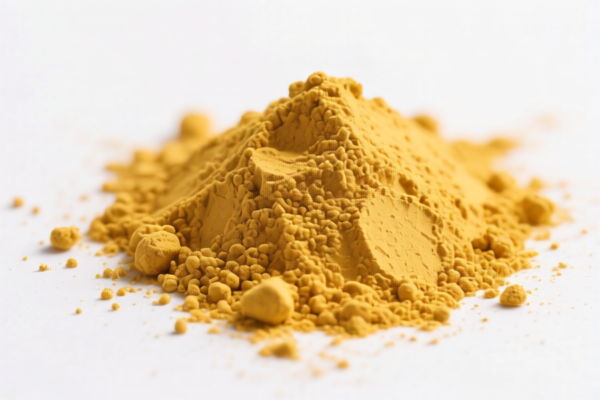
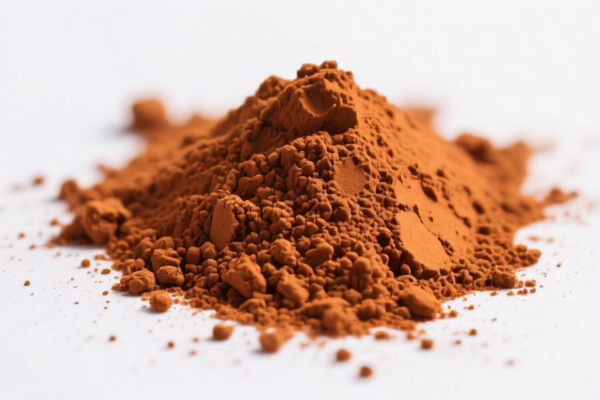
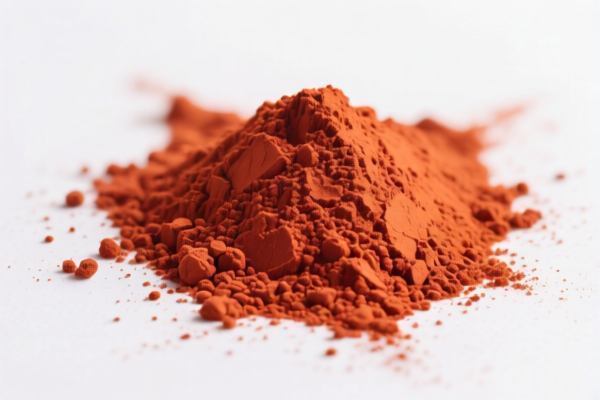
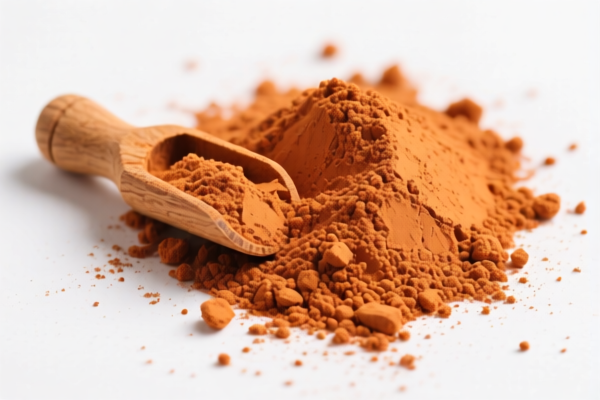
AI分析
🌿 Cassava Starch Powder (木薯淀粉粉)
🌐 HS Code Reference & Customs Clearance Guide | 2026 Latest Tariff Analysis | Professional Clearance Strategy
📌 1. Product Definition and Classification: Do You Truly Understand "Cassava Starch"?
Cassava starch is a refined carbohydrate extracted from the root of the cassava plant (Manihot esculenta). In international trade, it is primarily classified under Chapter 11 (Products of the Milling Industry), specifically as "Starches."
Key Distinctions in Classification: * Refined Cassava Starch (HS 1108.13/1108.14): This is the standard classification for cassava starch that has been cleaned, mashed, dried, and processed into powder or flakes. It is chemically pure starch. * Cassava Flour/Powder (HS 1106.20): This category typically applies to dried, ground cassava root, which may contain fiber and other non-starch components, or is simply dried cassava slices/granules.
⚠️ Critical Classification Point:
- If the product is pure starch extracted from cassava (white, fine powder, high amylose/amylopectin content) → Classified under 1108.13.00.10 or 1108.14.00.00.
- If the product is ground cassava root (contains fiber, slightly yellowish, lower starch purity) → Classified under 1106.20.90.00.
📦 2. HS Code Classification Details (2026 Latest Tariff Authority Comparison)
Based on the provided data, here are the valid HS Codes for Cassava Starch Powder:
| HS Code | Product Description | Application Scenario | Tax Detail Summary |
|---|---|---|---|
1108.13.00.10 |
Cassava Starch (Specific Subcategory) | Pure cassava starch, white powder, high purity. Explicitly matches "Starch Category." | Base: 0.56¢/kg + 35.0% Total |
1108.14.00.00 |
Starches: Cassava Starch (General) | General cassava starch product. Name matches classification explanation exactly. | Base: 0.0% + 35.0% Total |
1106.20.90.00 |
Dried Vegetable Starches (Cassava Root Powder) | Ground cassava root/powder where it is considered a vegetable product rather than pure refined starch. | Base: 0.0% + 35.0% Total |
🔍 Key Reminder:
- 1108.13.00.10 is the most specific code for refined cassava starch with a specific base tariff structure.
- 1108.14.00.00 is the broader category for cassava starch.
- 1106.20.90.00 applies if the product is viewed as "dried cassava root powder" rather than "pure starch."
- All codes listed above result in a 35% Total Tax Rate (excluding the specific per-kg base fee for 1108.13.00.10).
💰 3. 2026 Latest Tariff Rate Breakdown (Including Surtaxes & Policy Add-ons)
✅ Applicable Country: United States (US)
✅ Origin: China (CN)
✅ Effective Time: Current applicable rates based on provided data
🎯 1. 1108.13.00.10 —— Cassava Starch (Specific Subcategory)
| Item | Content |
|---|---|
| Base Tariff | 0.56¢/kg (Specific Duty) |
| Surtax (Section 301) | +25.0% (Ad Valorem) |
| Section 122 Tariff | +10.0% (Ad Valorem) |
| Total Tax Rate | 0.56¢/kg + 35.0% |
| Tax Calculation | (CIF Value × 35%) + (Weight in kg × $0.0056) |
| De Minimis Eligibility | ❌ No (High combined rate typically excludes low-value shipments from de minimis benefits) |
| Legal Basis Path | USITC:1108.13.00.10 → Surtax:25.0% → Section 122:10.0% |
📌 Explanation:
- This code has a unique hybrid tariff: a small specific duty per kilogram PLUS the ad valorem taxes.
- The 35% total ad valorem rate consists of 25% (Section 301) + 10% (Section 122).
- Warning: For large volumes, the per-kg fee is negligible, but the 35% surcharge is significant.
🎯 2. 1108.14.00.00 —— Cassava Starch (General Category)
| Item | Content |
|---|---|
| Base Tariff | 0.0% |
| Surtax (Section 301) | +25.0% |
| Section 122 Tariff | +10.0% |
| Total Tax Rate | 35.0% |
| Tax Calculation | CIF Value × 35% |
| De Minimis Eligibility | ❌ No |
| Legal Basis Path | USITC:1108.14.00.00 → Surtax:25.0% → Section 122:10.0% |
📌 Note:
- Identical surtax structure to 1108.13.00.10, but without the per-kg base fee.
- Suitable for generic cassava starch imports where specific subcategory details are not required.
🎯 3. 1106.20.90.00 —— Dried Cassava Root/Powder
| Item | Content |
|---|---|
| Base Tariff | 0.0% |
| Surtax (Section 301) | +25.0% |
| Section 122 Tariff | +10.0% |
| Total Tax Rate | 35.0% |
| Tax Calculation | CIF Value × 35% |
| De Minimis Eligibility | ❌ No |
| Legal Basis Path | USITC:1106.20.90.00 → Surtax:25.0% → Section 122:10.0% |
📌 Note:
- Applies if the product is deemed "dried cassava root" rather than refined starch.
- Same high tariff burden due to origin (China) and current trade policies.
🛠️ 4. Practical Customs Clearance Advice (Pitfall Avoidance Guide)
✅ 1. Required Documentation Checklist
| Document | Mandatory | Explanation |
|---|---|---|
| ✅ Product Specification Sheet | ✔️ | Must clearly state: "Cassava Starch" (not "Cassava Flour") and purity level. |
| ✅ Ingredient Analysis | ✔️ | Prove high starch content (>80-90%) to justify HS 1108 vs 1106. |
| ✅ Certificate of Origin (CO) | ✔️ | Essential for determining origin-based surtaxes. |
| ✅ Commercial Invoice | ✔️ | Must describe product as "Cassava Starch" and match HS Code. |
| ✅ Packing List | ✔️ | Detail net/gross weight and quantity. |
| ✅ Free Sale Certificate | ✔️ | Sometimes requested for food/feed ingredients. |
✅ 2. Declaration Tips (Key Mnemonics)
🔥 "Pure Starch = 1108; Root Powder = 1106; Always Pay 35%!"
| Scenario | Correct Declaration | Incorrect Practice |
|---|---|---|
| Refined White Powder | 1108.13.00.10 or 1108.14.00.00 |
Misdeclare as 1106 → Potential penalty if purity is high. |
| Dried Cassava Slices/Flour | 1106.20.90.00 |
Misdeclare as 1108 →海关 may reject for inconsistency. |
| Any Cassava Product from China | Declare all surtaxes | Hide Section 301/122 taxes → High risk of audit/penalty. |
✅ 3. Special Circumstances
| Situation | Handling Advice |
|---|---|
| High Purity vs. Low Purity | Provide lab results. >90% starch → 1108. Lower → 1106. |
| OEM/Private Label | Ensure invoice matches brand and model for traceability. |
| Food vs. Industrial Use | Declare intended use. Food-grade may require FDA registration (not covered in tax data but critical for clearance). |
🌍 5. Global Market Comparison (2026 Latest)
| Country/Region | Recommended HS Code | Tariff Rate | Certification Requirement | Note |
|---|---|---|---|---|
| 🇺🇸 United States | 1108.13.00.10 / 1108.14.00.00 |
35% + 0.56¢/kg | FDA Registration (if food) | High tariff due to Section 301 & 122. |
| 🇨🇳 China | 1108.14.00.00 |
Low/Zero (Export) | N/A | Export duties may apply depending on policy. |
| 🇪🇺 EU | 1108.14.00.00 |
~1.5% - 2.5% | CE/Food Safety Standards | No Section 301/122 surtaxes. |
| 🇦🇺 Australia | 1108.14.00.00 |
~5% | Food Standards Australia New Zealand (FSANZ) | Moderate tariff, no surtax. |
📌 Conclusion:
- USA is the most expensive market for Chinese cassava starch due to the 35% combined surtax.
- EU and Australia offer much more favorable tariff structures for the same product.
- Consider supply chain diversification (e.g., sourcing from Thailand/Vietnam) if exporting to the US to avoid high surtaxes.
📌 6. Common Errors & Pitfall Guide (Lessons Learned)
❌ Error 1: Declaring "Cassava Starch" as "Cassava Flour" (1106) to seek lower taxes.
👉 Consequence: If purity is high, customs may reclassify and apply back taxes + penalties.
Correct: Be honest about purity. Use 1108 for pure starch.
❌ Error 2: Ignoring the 0.56¢/kg base fee for 1108.13.00.10.
👉 Consequence: Underpayment for large volumes. Although small per unit, it adds up.
Correct: Calculate total tax as (CIF × 35%) + (Weight × $0.0056).
❌ Error 3: Not declaring Section 122 Tariff (10%).
👉 Consequence: Automatic underpayment, leading to holds and fines.
Correct: Always include all surtaxes in cost calculation.
✅ Correct Practice:
"Cassava Starch, Pure, White Powder, Food Grade, Model XYZ, FDA Registered Factory, Origin China"
🎯 7. Conclusion: Precise Classification for Cost Efficiency
🎯 Remember the Mnemonic:
🔹 "Pure Starch = 1108; Root Powder = 1106; Always Pay 35% for China!"
🔹 "HS Code Determines Tax; 35% Surcharge is Inevitable for US Imports from China!"
📌 Tips:
- If your cassava starch is sourced from Thailand, Vietnam, or Indonesia, check for preferential tariffs or exemption from Section 301/122 surtaxes.
- For US imports, consider Advance Ruling to confirm HS Code and tax liability before shipment.
📣 Immediate Action:
📞 Contact a professional customs broker + Provide Product Specs + Apply for HS Code Advance Ruling
🚀 Ensure your cassava starch clears customs smoothly, minimizes cost, and maximizes profit!
✨ Professional Clearance, Starts with Accurate Classification!
💼 Every Cent of Cost Deserves Precise Calculation!
用户评价
关于 HS 编码归类
协调制度(HS)是由世界海关组织(WCO)制定的国际贸易商品分类标准。全球 200 多个国家采用 HS 系统作为海关关税、贸易统计和进出口监管的基础。
每个 HS 编码遵循以下层级结构:
- 章(2 位)——商品大类(例如:第 84 章:机器和机械设备)
- 品目(4 位)——章内的更具体分类
- 子目(6 位)——国际通用细分,所有 WCO 成员国统一使用
- 本国细分(8-10 位)——各国自行扩展的细分编码,如美国 HTSUS 10 位编码
正确的 HS 编码归类对于顺利通关、准确缴纳关税和遵守贸易法规至关重要。错误归类可能导致海关延误、多缴关税或罚款。
从CN进口到US时,适用的关税税率可能包括:
- 最惠国(MFN)税率——适用于 WTO 成员国的标准关税税率
- 普通税率——适用于无贸易协定国家
- 贸易救济关税——附加关税,如 301 条款(反倾销)、232 条款(国家安全)或反补贴税
本页内容仅供参考。如需正式归类,请咨询当地海关或持牌报关代理。