casual crossbody bag
CN → US| HS编码 | 关税税率 | 原产国 | 目的国 | 文档 |
|---|---|---|---|---|
| 4202224010 | 42.4% | CN | US | 官方文档 |
| 4202227000 | 42.0% | CN | US | 官方文档 |
| 4202920805 | 42.0% | CN | US | 官方文档 |
| 6307908940 | 17.0% | CN | US | 官方文档 |
| 6307909891 | 24.5% | CN | US | 官方文档 |
商品图片
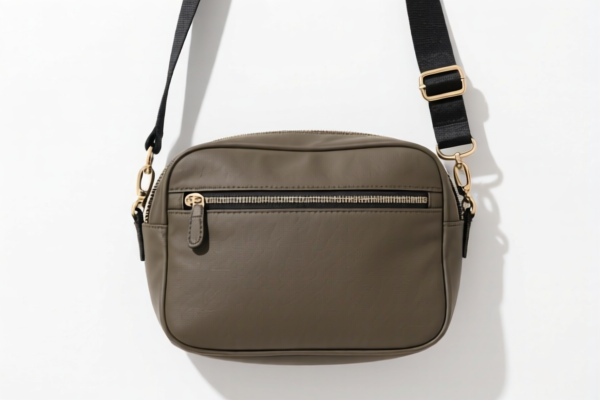
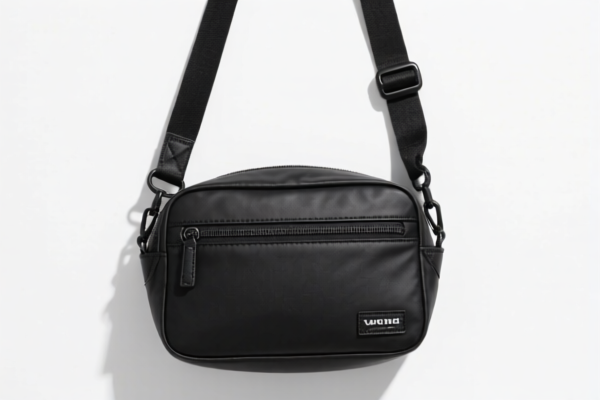
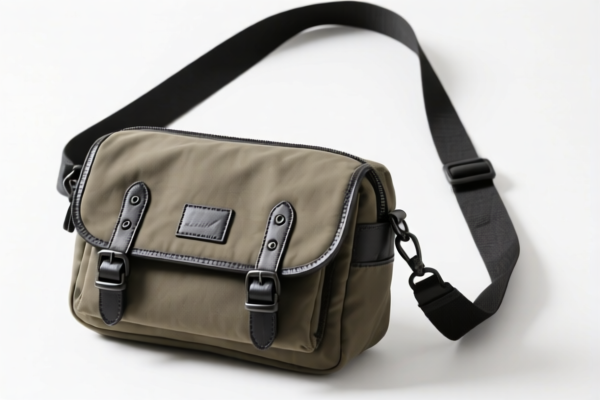
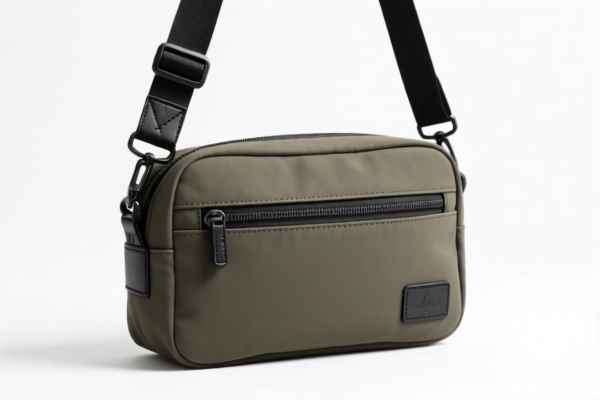
AI分析
👜 Casual Crossbody Bags & Totes: The Silk vs. Cotton Dilemma
🌐 HS Code Reference & Customs Clearance Guide | 2024-2026 Tariff Analysis | Professional Clearance Strategy 📌 I. Product Definition & Classification: Are You Shipping a "Bag" or "Textile"?
"Casual Crossbody Bag" is a broad term that often leads to catastrophic misclassification due to material differences. In international trade, the distinction between a finished article of leather/fashion material (Chapter 42) and a textile article (Chapter 63) determines your tax burden by up to 25%.
Key Distinction: * Fashion/Accessories Bags (Chapter 42): Bags made of leather, recovery leather, or specific textile surfaces where the bag itself is the primary identity. These are subject to Section 301 (25%) + Section 122 (10%) penalties. * Textile/Cotton Goods (Chapter 63): Bags made primarily of cotton textile, often classified as "Other made-up articles." Note: Some cotton bags may qualify for lower duties if classified as "Other," but many still attract the 10% Section 122 tariff.
⚠️ Critical Warning:
- If the outer surface contains silk or is classified as a fashion accessory, it likely falls under 4202.
- If it is purely cotton and considered a "made-up textile article," it might fall under 6307, potentially avoiding the 25% Section 301 tariff, but NOT the 10% Section 122 tariff.
📦 II. HS Code Classification Matrix (Data-Driven Analysis)
Based on the provided dataset, here is the precise breakdown for "Casual Crossbody Bags" based on material composition.
| HS Code | Product Summary | Material Key Factor | Classification Logic |
|---|---|---|---|
| 4202.22.40.10 | Silk Crossbody Bag | 100% Silk | Classified as "Articles of apparel or clothing accessories" made of silk. Treated as a luxury fashion item. |
| 4202.22.70.00 | Silk-Featured Crossbody Bag | Textile with Silk Surface | Classified as "Other" textile bags but still under Chapter 42 due to the "silk surface" feature. |
| 4202.92.08.05 | Cotton Tote Bag | Cotton/Canvas | Classified under "Other bags" (not apparel). Still Chapter 42, so high tariffs apply. |
| 6307.90.89.40 | Cotton Casual Tote | Cotton (Consumer Good) | Classified as "Other made-up articles; other finished products." Crucial: Avoids the 25% Section 301 tariff. |
| 6307.90.98.91 | Cotton Casual Tote | Cotton (Other Made-up) | Similar to above but categorized under "Other." Avoids 25% Section 301, but retains 7.5% Section 301. |
💰 III. Detailed Tariff Breakdown (2024-2026 Rates)
✅ Applicable Country: United States (US)
✅ Origin: China (CN)
✅ Effective Date: Current rates apply (including Section 301 & Section 122)
🎯 1. Chapter 42: Luggage/Handbags (High Risk)
A. 4202.22.40.10 – Silk Crossbody Bag
| Item | Detail |
|---|---|
| Base Duty | 7.4% |
| Section 301 Duty | +25.0% |
| Section 122 Duty | +10.0% |
| Total Rate | 42.4% |
| De Minimis Exemption? | ❌ NO (Valued > $800 threshold or excluded category) |
| Legal Path | HTSUS:4202.22.40.10 → Section 301 (Footnote 9903.88.01) → Section 122 |
B. 4202.22.70.00 – Silk-Featured Bag
| Item | Detail |
|---|---|
| Base Duty | 7.0% |
| Section 301 Duty | +25.0% |
| Section 122 Duty | +10.0% |
| Total Rate | 42.0% |
| De Minimis Exemption? | ❌ NO |
| Legal Path | HTSUS:4202.22.70.00 → Section 301 → Section 122 |
C. 4202.92.08.05 – Cotton Tote (Chapter 42)
| Item | Detail |
|---|---|
| Base Duty | 7.0% |
| Section 301 Duty | +25.0% |
| Section 122 Duty | +10.0% |
| Total Rate | 42.0% |
| De Minimis Exemption? | ❌ NO |
| Note | Even though it’s cotton, being classified under 4202 (Bags) subjects it to the full 25% Section 301 tariff. |
🎯 2. Chapter 63: Other Made-Up Textile Articles (Cost-Saving Potential)
D. 6307.90.89.40 – Cotton Casual Tote (Best Case)
| Item | Detail |
|---|---|
| Base Duty | 7.0% |
| Section 301 Duty | 0.0% |
| Section 122 Duty | +10.0% |
| Total Rate | 17.0% |
| De Minimis Exemption? | ❌ NO (Section 122 applies regardless of value) |
| Legal Path | HTSUS:6307.90.89.40 → Section 122 (Uyghur Forced Labor Prevention Act or related trade measures) |
| Savings | 25% lower than Chapter 42 alternatives! |
E. 6307.90.98.91 – Cotton Casual Tote (Alternative)
| Item | Detail |
|---|---|
| Base Duty | 7.0% |
| Section 301 Duty | +7.5% |
| Section 122 Duty | +10.0% |
| Total Rate | 24.5% |
| De Minimis Exemption? | ❌ NO |
| Legal Path | HTSUS:6307.90.98.91 → Section 301 (Footnote 9903.01.24) → Section 122 |
🛠️ IV. Customs Clearance Practical Advice (Avoiding Pitfalls)
✅ 1. Material Declaration is Critical
- Silk Bags: Must declare "100% Silk" or "Silk Outer Surface." Expect 42-42.4% duty.
- Cotton Bags: Do NOT declare as "Handbag" or "Fashion Accessory" if possible. Declare as "Cotton Tote Bag" or "Cotton Shopping Bag" to target 6307.
- Why? Chapter 63 items are often viewed as "household/textile goods" rather than "luxury fashion," allowing for the 0% Section 301 rate (for
6307.90.89.40).
- Why? Chapter 63 items are often viewed as "household/textile goods" rather than "luxury fashion," allowing for the 0% Section 301 rate (for
✅ 2. The "Section 122" Trap
- Warning: Even if you save the 25% Section 301 tariff by using Chapter 63, ALL Chinese-origin bags are subject to the 10% Section 122 tariff.
- Result: The cheapest option is 17% (
6307.90.89.40), not 7%. Never assume duty-free clearance for Chinese textiles.
✅ 3. Documentation Checklist
| Document | Requirement |
|---|---|
| Commercial Invoice | Must clearly state material composition (e.g., "100% Cotton, Woven") and function ("Tote Bag, Non-Travel"). |
| Product Photos | Show the entire bag, including lining and handles. Avoid images that look like "luxury fashion" (gold hardware, leather straps) if aiming for Chapter 63. |
| Labeling | Ensure care labels and origin tags ("Made in China") are visible in photos. |
| Section 122 Compliance | Ensure no forced labor components. Provide supply chain transparency documents if requested. |
✅ 4. Strategic Classification Tips
- For Silk: Accept the 42% rate. It’s unavoidable under current trade policies for fashion accessories.
- For Cotton: Argue for
6307.90.89.40(17%) over4202.92.08.05(42%).- Argument: The item is a "casual tote" used for shopping/leisure, not a "handbag" for fashion/accessory purposes.
- Risk: US Customs (CBP) may challenge this. Have a strong defense with product usage data.
🌍 V. Global Market Comparison (2026 Outlook)
| Market | HS Code | Total Duty (China Origin) | Key Policy |
|---|---|---|---|
| 🇺🇸 USA | 6307.90.89.40 |
17.0% | Section 122 (10%) applies to all Chinese textiles. |
| 🇺🇸 USA | 4202.22.40.10 |
42.4% | Section 301 (25%) + Section 122 (10%). |
| 🇪🇺 EU | 4202.22 |
~12-15% | No Section 301. Standard MFN rates apply. |
| 🇨🇳 China | 4202.22 |
~10% | Import duty only. No additional penalties. |
📌 VI. Common Mistakes & How to Fix Them
❌ Mistake 1: Declaring a Cotton Tote as "Leather Handbag" because it has metal hardware. 👉 Fix: Declare accurately as "Cotton Tote Bag." Misclassification can lead to fraud penalties.
❌ Mistake 2: Assuming all bags are subject to 25% Section 301.
👉 Fix: Check Chapter 63. If it’s a simple cotton tote, it may fall under 6307.90.89.40 with 0% Section 301.
❌ Mistake 3: Ignoring Section 122. 👉 Fix: Budget for an additional 10% on all Chinese textile imports to the US, regardless of HS Code.
🎯 VII. Conclusion: Smart Classification = Savings
🎯 Key Takeaway:
"Silk = Fashion = 42% Duty"
"Cotton Tote = Textile = 17% Duty (Best Case)"
📌 Pro Tip:
If you are importing casual cotton bags, aim for 6307.90.89.40. This saves you 25% compared to Chapter 42 classifications. However, you cannot escape the 10% Section 122 tariff.
📞 Action Item:
1. Confirm material composition (Silk vs. Cotton).
2. If Cotton, prepare to argue for Chapter 63.
3. Calculate landed cost with 17% (min) to 42.4% (max) duty.
4. Consult a customs broker for a Pre-Ruling if volumes are high.
✨ Professional Clearance, Precision Savings!
💼 Don’t let tariff misclassification eat your margins!
用户评价
关于 HS 编码归类
协调制度(HS)是由世界海关组织(WCO)制定的国际贸易商品分类标准。全球 200 多个国家采用 HS 系统作为海关关税、贸易统计和进出口监管的基础。
每个 HS 编码遵循以下层级结构:
- 章(2 位)——商品大类(例如:第 84 章:机器和机械设备)
- 品目(4 位)——章内的更具体分类
- 子目(6 位)——国际通用细分,所有 WCO 成员国统一使用
- 本国细分(8-10 位)——各国自行扩展的细分编码,如美国 HTSUS 10 位编码
正确的 HS 编码归类对于顺利通关、准确缴纳关税和遵守贸易法规至关重要。错误归类可能导致海关延误、多缴关税或罚款。
从CN进口到US时,适用的关税税率可能包括:
- 最惠国(MFN)税率——适用于 WTO 成员国的标准关税税率
- 普通税率——适用于无贸易协定国家
- 贸易救济关税——附加关税,如 301 条款(反倾销)、232 条款(国家安全)或反补贴税
本页内容仅供参考。如需正式归类,请咨询当地海关或持牌报关代理。