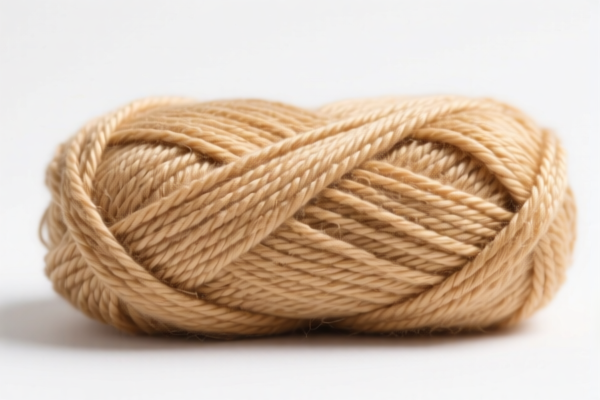
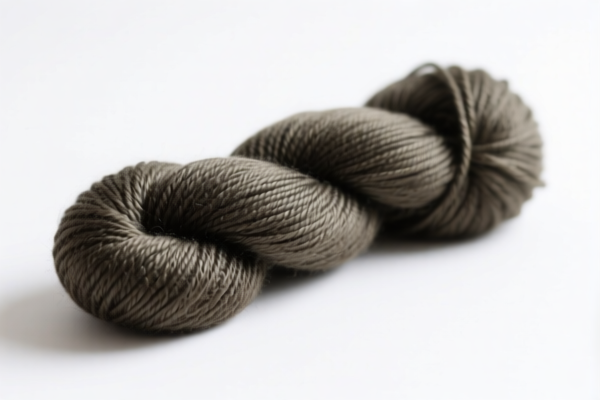
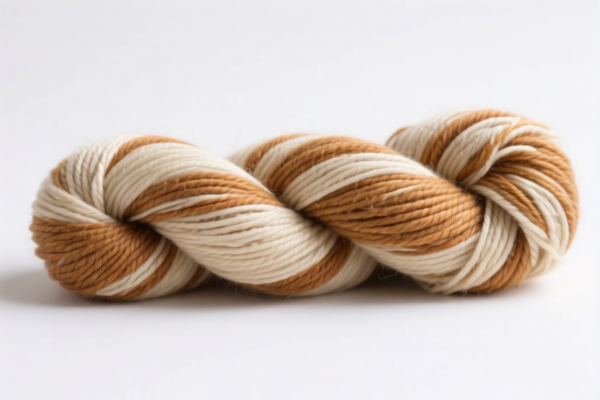
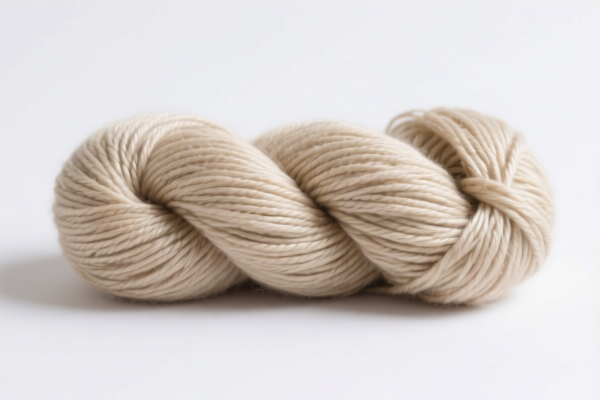
catgut yarn for experiments
CN → US| HS编码 | 关税税率 | 原产国 | 目的国 | 文档 |
|---|---|---|---|---|
| 4206001300 | 13.5% | CN | US | 官方文档 |
| 3006100100 | 10.0% | CN | US | 官方文档 |
| 4206001930 | 13.9% | CN | US | 官方文档 |
| 3001200000 | 10.0% | CN | US | 官方文档 |
商品图片
AI分析
🧵 Catgut Yarn for Experiments (Research-Grade Surgical Sutures)
🌐 HS Code Reference & Customs Clearance Guide | 2026 Latest Tariff Analysis | Professional Clearance Strategy for Medical/Research Supplies
📌 I. Product Definition: What is "Catgut Yarn for Experiments"?
"Catgut Yarn for Experiments" refers to sterile or non-sterile sutures made from animal intestine (typically sheep or cattle) intended specifically for research, testing, or scientific study, rather than direct clinical implantation.
While functionally similar to surgical sutures, their intended use (research vs. medical device) and processing status drive the HS Code classification. This distinction is critical for determining the correct tariff rate.
⚠️ Key Distinction:
- If classified as a Medical Device/Surgical Suture (Chapter 42) → Higher base tariff (3.5%-3.9%) but lower total burden due to specific exemptions.
- If classified as a Pharmaceutical/Medical Product (Chapter 30) → Lower base tariff (0%) but subject to different regulatory scrutiny.
- If classified as a Raw Animal Product (Chapter 41/42 miscellaneous) → Treated as general animal derivatives.
📦 II. HS Code Classification Details (Based on Provided Data)
Below are the four potential HS Codes derived from your input data, explaining the logical classification for each.
| HS Code | Product Description | Classification Logic | Tax Profile |
|---|---|---|---|
4206.00.13.00 |
Surgical Sutures (Research Context) Sizes/shapes of catgut sutures used in research for manufacturing sterile surgical sutures upstream. |
Classified under Chapter 42 (Articles of leather; saddlery and harness). Specifically, it’s treated as a surgical suture material but flagged for its role in the manufacturing chain of sterile sutures. | Total: 13.5% Base: 3.5% Section 301: 10% |
3006.10.01.00 |
Prepared Surgical Sutures (Pharmaceutical) Materials highly consistent with sterile surgical catgut, used for research purposes. |
Classified under Chapter 30 (Pharmaceutical Products). Specifically, Surgical Catgut, Collagen Sutures, etc. Since it matches the basic attributes of sterile surgical catgut, it falls here for "Research Use" compliance. | Total: 10.0% Base: 0.0% Section 301: 10% |
4206.00.19.30 |
Other Animal Gut Products Animal gut material in thread form, excluding racket strings. |
Classified as a general animal gut product. Since it doesn’t fully meet the specific "suture" or "pharmaceutical" criteria in the eyes of the classifier, it falls into the "Other" bucket of Chapter 42. | Total: 13.9% Base: 3.9% Section 301: 10% |
3001.20.00.00 |
Extracts of Glands/Organs Animal tissue/secretion extracts in liquid or powder form (collagen sources). |
Classified under Chapter 30, specifically Prepared Biological Substances. If the catgut is processed into an extract or solution for research (rather than a solid thread), this code applies. | Total: 10.0% Base: 0.0% Section 301: 10% |
🔍 Critical Analysis:
-4206.00.13.00is best if the item is solid thread/suture intended for manufacturing/testing of sterile sutures.
-3006.10.01.00is best if the item is medically recognized as a suture material, even for research.
-3001.20.00.00applies if the material is not a solid thread but an extract/liquid.
-4206.00.19.30is the fallback for general animal gut thread that doesn’t meet strict medical/suture definitions.
💰 III. 2026 Latest Tariff Rate Breakdown (US Market)
✅ Applicable Country: United States (US)
✅ Origin: China (CN) – Assumed based on Section 301 context
✅ Effective Date: 2025/2026 (Current Trade Policies)
🎯 1. 4206.00.13.00 – Surgical Sutures (Manufacturing/Research)
| Item | Detail |
|---|---|
| Base Duty | 3.5% (Standard MFN) |
| Section 301 (122 Clause) | +10% (Specific trade remedy) |
| Other Add-ons | $0.00% |
| Total Effective Rate | 13.5% |
| Calculation | CIF Value × 13.5% |
| De Minimis Eligibility | ❌ No (Medical/Surgical items typically excluded from $800 de minimis) |
| Legal Basis | USITC Tariff Schedule + 122 Clause Footnotes |
📌 Explanation:
- The 3.5% base rate reflects the duty on "Articles of leather... saddlery... other articles."
- The 10% is a specific 122 Clause tariff (often related to trade remedy duties or specific product exclusions).
- Total: 13.5% is moderate compared to other categories.
🎯 2. 3006.10.01.00 – Surgical Sutures (Pharmaceutical Chapter)
| Item | Detail |
|---|---|
| Base Duty | 0.0% (Zero-rated for most surgical sutures) |
| Section 301 (122 Clause) | +10% |
| Other Add-ons | $0.00% |
| Total Effective Rate | 10.0% |
| Calculation | CIF Value × 10.0% |
| De Minimis Eligibility | ❌ No |
| Legal Basis | USITC Tariff Schedule + 122 Clause Footnotes |
📌 Explanation:
- 0% Base Duty makes this the most tariff-efficient option IF the product qualifies as a "Surgical Suture" under Chapter 30.
- The 10% add-on is still applied due to origin (Section 301/122).
- Total: 10.0% is the lowest of all options.
🎯 3. 3001.20.00.00 – Extracts of Glands (Liquid/Powder)
| Item | Detail |
|---|---|
| Base Duty | 0.0% |
| Section 301 (122 Clause) | +10% |
| Other Add-ons | $0.00% |
| Total Effective Rate | 10.0% |
| Calculation | CIF Value × 10.0% |
| De Minimis Eligibility | ❌ No |
| Legal Basis | USITC Tariff Schedule + 122 Clause Footnotes |
📌 Explanation:
- Same tariff profile as3006.10.01.00.
- Crucial: Only use if the product is not a solid thread but an extract. Misclassification here (declaring thread as extract) will lead to customs penalties.
🎯 4. 4206.00.19.30 – Other Animal Gut Products
| Item | Detail |
|---|---|
| Base Duty | 3.9% |
| Section 301 (122 Clause) | +10% |
| Other Add-ons | $0.00% |
| Total Effective Rate | 13.9% |
| Calculation | CIF Value × 13.9% |
| De Minimis Eligibility | ❌ No |
| Legal Basis | USITC Tariff Schedule + 122 Clause Footnotes |
📌 Explanation:
- This is the highest tariff option.
- It applies if the product is seen as a generic animal gut product rather than a specialized medical/research suture.
🛠️ IV. Customs Clearance Practical Advice (Risk Mitigation)
✅ 1. Documentation Checklist (Must-Have)
| Document | Requirement | Purpose |
|---|---|---|
| ✅ Product Specification Sheet | ✔️ Must state: "For Research Only," "Not for Human Use," "Sterile/Non-Sterile" | Prevents FDA/Medical Device regulatory hurdles. |
| ✅ Certificate of Analysis (CoA) | ✔️ Shows material origin (sheep/cattle), processing method. | Proves authenticity for HS Code 3001 or 4206. |
| ✅ Commercial Invoice | ✔️ Clearly describe as: "Catgut Yarn for Scientific Research, Not for Clinical Use" | Aligns description with HS Code logic. |
| ✅ Letter of Intent/Research Proposal | ✔️ From a university/lab, stating the research purpose. | Supports the "Research" claim for 3006.10.01.00. |
| ✅ Non-Clinical Use Declaration | ✔️ Signed statement that product is not for human implantation. | Critical for avoiding FDA Class II/III device classification. |
✅ 2. Classification Strategy (Which HS Code to Choose?)
🔥 Golden Rule: "Use defines the Code, Form defines the Chapter."
| Scenario | Recommended HS Code | Why? |
|---|---|---|
| Solid Thread/Suture used in labs for material testing | 4206.00.13.00 or 3006.10.01.00 |
3006 is cheaper (10%) if it meets medical suture standards. 4206 is safer if it’s a "manufacturing component." |
| Solid Thread/Suture with no specific medical standard | 4206.00.19.30 |
Fallback for generic animal gut thread. Higher tax (13.9%) but avoids "medical device" scrutiny. |
| Liquid/Extract form of catgut collagen | 3001.20.00.00 |
Clearly not a "yarn/thread." Must be liquid/powder. Lowest tax (10%). |
⚠️ Warning:
- Do NOT use3006.10.01.00or3001.20.00.00if the product is not for medical/research use.
- Do NOT claim "Medical Use" if the product is not sterile or FDA-approved.
✅ 3. Special Case Handling
| Situation | Recommendation |
|---|---|
| OEM Catgut for Lab Testing | Provide client’s lab authorization letter. Use 3006.10.01.00 (10%) if possible. |
| Non-Sterile Catgut | Explicitly state "Non-Sterile" on invoice. May still qualify for 3006 if it’s a "suture precursor." |
| High-Value Research Import | Apply for Advance Ruling from US CBP to confirm HS Code. Cost: Low, Risk: Zero. |
| Small Samples (< $800) | Check if De Minimis ($800) applies. Note: Many medical-related items are excluded. Verify with broker. |
🌍 V. Global Market Comparison (2026)
| Market | Recommended HS Code | Tariff (China Origin) | Key Requirement |
|---|---|---|---|
| 🇺🇸 USA | 3006.10.01.00 |
10% | Non-Clinical Use Declaration |
| 🇪🇺 EU | 3006.10.00 |
0% + VAT | CE Marking (if medical) or REACH (if chemical) |
| 🇨🇳 China | 4206.00.13 |
3.5% | Import License for Biological Products |
| 🇯🇵 Japan | 3006.10.00 |
0% | PMDA Notification (if medical) |
📌 Conclusion:
- The US is the most complex market due to Section 301/122 duties.
- The EU and Japan have 0% base tariffs but strict biological safety regulations.
- Always declare "For Research Only" to avoid medical device registration costs.
📌 VI. Common Mistakes & Pitfalls (Learn from Others)
❌ Mistake 1: Calling it "Surgical Sutures" when it’s not sterile.
👉 Result: FDA hold or rejection.
✅ Fix: Use "Catgut Yarn for Research" or "Non-Sterile Suture Material."
❌ Mistake 2: Declaring as 4206.00.19.30 when it qualifies for 3006.10.01.00.
👉 Result: Overpaying 3.9% in duties.
✅ Fix: Verify if your catgut meets medical grade standards even if used for research.
❌ Mistake 3: Ignoring the 122 Clause.
👉 Result: Unexpected 10% duty at customs.
✅ Fix: Pre-calculate total cost with 10% add-on for all HS Codes.
❌ Mistake 4: Using "Textile" description for 4206.
👉 Result: Misclassification to Chapter 50/54 (Higher tariffs).
✅ Fix: Always describe as "Animal Gut Suture Material."
🎯 VII. Final Recommendation: Optimize Your Clearance
🎯 Top Choice for Cost Efficiency:
3006.10.01.00(Total 10% Duty)
If your catgut is medically recognizable as a suture material, even for research.
🎯 Top Choice for Safety/Compliance:
4206.00.13.00(Total 13.5% Duty)
If you want to avoid medical regulatory scrutiny by classifying it as a "manufacturing component."📌 Pro Tip:
- Always include a "Not for Human Use" statement on the commercial invoice.
- Apply for an Advance Ruling if the shipment value is high (> $5,000).
- Consult a Customs Broker to verify if your specific catgut formulation qualifies for3006vs4206.
📣 Immediate Action Steps:
1. Confirm Product Form: Thread vs. Extract?
2. Confirm Intended Use: Research vs. Manufacturing?
3. Select HS Code: 3006.10.01.00 (Lowest Tax) or 4206.00.13.00 (Safest).
4. Prepare Docs: "For Research Only" Letter + CoA.
5. File Entry: With correct HS Code and 10-13.9% duty reserve.
✨ Precision in Classification = Savings in Duty!
💼 Don’t let misclassification cost you 13.9% when you could pay 10%.
用户评价
关于 HS 编码归类
协调制度(HS)是由世界海关组织(WCO)制定的国际贸易商品分类标准。全球 200 多个国家采用 HS 系统作为海关关税、贸易统计和进出口监管的基础。
每个 HS 编码遵循以下层级结构:
- 章(2 位)——商品大类(例如:第 84 章:机器和机械设备)
- 品目(4 位)——章内的更具体分类
- 子目(6 位)——国际通用细分,所有 WCO 成员国统一使用
- 本国细分(8-10 位)——各国自行扩展的细分编码,如美国 HTSUS 10 位编码
正确的 HS 编码归类对于顺利通关、准确缴纳关税和遵守贸易法规至关重要。错误归类可能导致海关延误、多缴关税或罚款。
从CN进口到US时,适用的关税税率可能包括:
- 最惠国(MFN)税率——适用于 WTO 成员国的标准关税税率
- 普通税率——适用于无贸易协定国家
- 贸易救济关税——附加关税,如 301 条款(反倾销)、232 条款(国家安全)或反补贴税
本页内容仅供参考。如需正式归类,请咨询当地海关或持牌报关代理。