cell phone lens
CN → US| HS编码 | 关税税率 | 原产国 | 目的国 | 文档 |
|---|---|---|---|---|
| 9002119000 | 37.3% | CN | US | 官方文档 |
| 9002190000 | 35.0% | CN | US | 官方文档 |
| 9001904000 | 35.0% | CN | US | 官方文档 |
| 9001909000 | 35.0% | CN | US | 官方文档 |
| 8529908100 | 35.0% | CN | US | 官方文档 |
商品图片
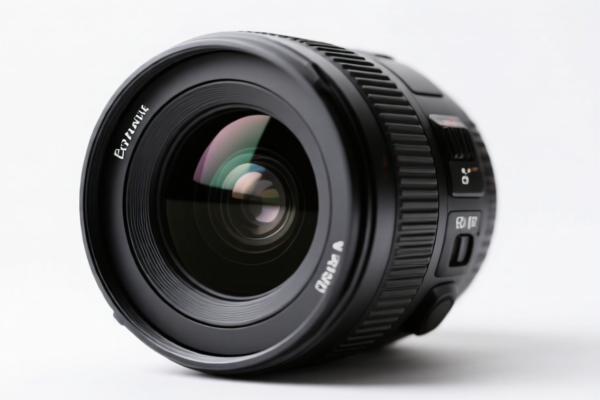
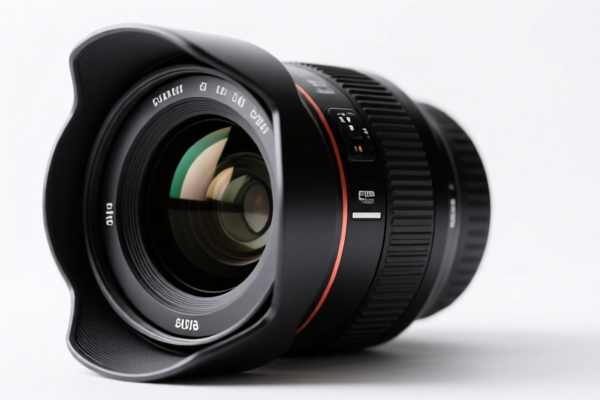
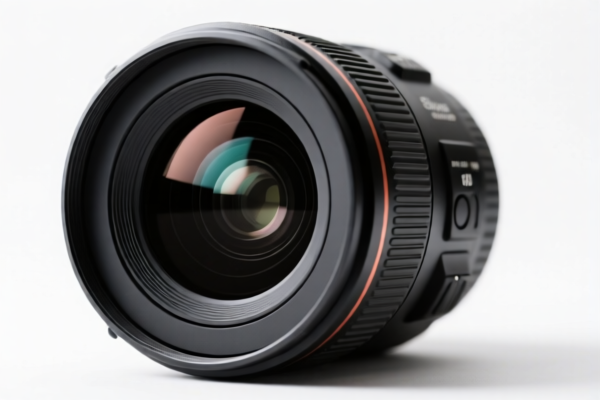
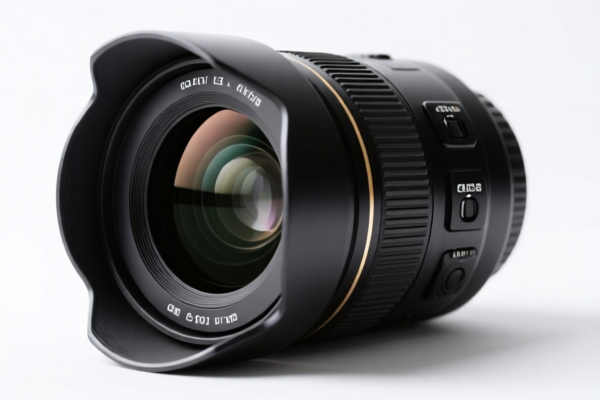
AI分析
📱 Cell Phone Lens (Camera Modules/Modules)
🌐 HS Code Reference & Customs Clearance Guide | 2026 Latest Tariff Analysis | Professional Clearance Strategy
📌 I. Product Definition & Classification: Do You Really Understand "Cell Phone Lens"?
A cell phone lens, in the context of international trade and customs classification, refers to the optical components used in smartphone cameras. It is critical to distinguish between the lens assembly itself (optical element) and the complete camera module (including sensors and circuits). The classification depends heavily on whether it is considered a "lens for photographic apparatus" or an "optical element/piece" for telecommunications equipment.
⚠️ Key Distinction Point:
- If classified as an Objectives (Lenses) for Photographic Cameras: Falls under 9002.19.00.00 (broadly).
- If classified as an Optical Element/Glass: Falls under 9001.90 series.
- If classified as a Part of a Television/Video Camera: Falls under 8529.90 (Note: While "television" here often refers to broadcast cameras, some customs interpretations group high-tech imaging components here if not clearly photographic).
📦 II. HS Code Classification Details (2026 Latest Tariff Authority Comparison)
Based on the provided data, here are the possible HS Codes, their summaries, and associated tax structures. Note that all listed codes attract significant additional tariffs for Chinese-origin goods entering the US market.
| HS Code | Summary/Classification Logic | Total Tax Rate | Tax Breakdown |
|---|---|---|---|
9002.11.90.00 |
Objectives & Attachments: Classified as objectives (lenses) and accessories for photographic cameras. Matches the definition of optical elements as parts of photographic devices. | 37.3% | Base: 2.3% Section 301 (Add-on): 25.0% Section 122: 10.0% |
9002.19.00.00 |
Other Objectives: Classified under objectives and other optical elements without material or form conflicts. Broad category for optical assemblies not specifically listed elsewhere. | 35.0% | Base: 0.0% Section 301 (Add-on): 25.0% Section 122: 10.0% |
9001.90.40.00 |
Other Optical Elements: Fits the definition of "lenses of any material and other optical elements." Focuses on the material property (glass/plastic) rather than the camera attachment function. | 35.0% | Base: 0.0% Section 301 (Add-on): 25.0% Section 122: 10.0% |
9001.90.90.00 |
Unmounted Optical Elements: Classified as unassembled lenses and other optical elements. Used if the lens is not yet mounted into a housing or module. | 35.0% | Base: 0.0% Section 301 (Add-on): 25.0% Section 122: 10.0% |
8529.90.81.00 |
Parts of Video Cameras: Classified as a "camera component," fitting the usage scope of "other parts of television cameras." Note: Risky classification if not clearly linked to broadcast/video equipment rather than photographic. | 35.0% | Base: 0.0% Section 301 (Add-on): 25.0% Section 122: 10.0% |
🔍 Key Reminder:
-9002.11.90.00has the highest base tariff (2.3%) due to its specific classification as a camera objective, but it is the most direct description of a "phone lens."
-9002.19.00.00,9001.90.40.00,9001.90.90.00, and8529.90.81.00all share a 0% base tariff but still face the 35% combined add-on tariffs (25% Section 301 + 10% Section 122).
- Section 122 Tariff: The 10% additional tariff mentioned in the data indicates specific trade remedies or duties applicable to certain Chinese imports, significantly impacting cost.
💰 III. 2026 Latest Tariff Rate Detailed Explanation (Including Surcharges & Policy Add-ons)
✅ Applicable Country: United States (US)
✅ Origin: China (CN) (Implied by Section 301/122 references)
✅ Effective Time: Current policies (Subject to change; verify at point of import)
🎯 1. 9002.11.90.00 —— Objectives for Photographic Cameras
| Item | Content |
|---|---|
| Base Rate | 2.3% (ad valorem) |
| Section 301 Surcharge | +25.0% (USITC Footnote, Section 301 Tariffs on Chinese Goods) |
| Section 122 Surcharge | +10.0% (Specific duty/trade remedy) |
| Total Tax Rate | 37.3% |
| Tax Calculation | CIF Value × 37.3% |
| De Minimis Exemption | ❌ Not Eligible (Section 301 goods are generally excluded from de minimis) |
| Legal Basis Path | USITC:9002.11.90.00 → Footnote:301 → Section122 |
📌 Explanation:
- This is the most "traditional" classification for lenses. The 2.3% base rate is the highest among the options.
- The additional 35% tariffs make the landed cost very high.
- Crucial: Ensure the product is clearly defined as a "lens for photographic apparatus" to justify this code, avoiding misclassification penalties.
🎯 2. 9002.19.00.00 —— Other Objectives
| Item | Content |
|---|---|
| Base Rate | 0.0% |
| Section 301 Surcharge | +25.0% |
| Section 122 Surcharge | +10.0% |
| Total Tax Rate | 35.0% |
| Tax Calculation | CIF Value × 35.0% |
| De Minimis Exemption | ❌ Not Eligible |
| Legal Basis Path | USITC:9002.19.00.00 → Footnote:301 → Section122 |
📌 Note:
- No base tariff, but still hits by the 35% combined surcharge.
- Suitable if the lens is part of a broader optical assembly not specifically defined under 9002.11.
🎯 3. 9001.90.40.00 & 9001.90.90.00 —— Other Optical Elements
| Item | Content |
|---|---|
| Base Rate | 0.0% |
| Section 301 Surcharge | +25.0% |
| Section 122 Surcharge | +10.0% |
| Total Tax Rate | 35.0% |
| Tax Calculation | CIF Value × 35.0% |
📌 Strategy:
- These codes focus on the material (optical glass/plastic) or state (unassembled).
- If importing loose lenses (not yet in a housing/module),9001.90.90.00is appropriate.
- If importing mounted lenses but not as a complete camera objective,9001.90.40.00may apply.
🎯 4. 8529.90.81.00 —— Parts of Television/Video Cameras
| Item | Content |
|---|---|
| Base Rate | 0.0% |
| Section 301 Surcharge | +25.0% |
| Section 122 Surcharge | +10.0% |
| Total Tax Rate | 35.0% |
⚠️ Warning:
- High Risk Classification: Cell phone lenses are primarily for photography, not video broadcasting.
- Using 8529 (Parts of Television Cameras) for phone lenses may lead to customs disputes or audits unless the phone camera is explicitly marketed as a "video transmission device" for industrial/security use.
- Generally, 9002 is the safer, more accurate classification for photographic lenses.
🛠️ IV. Customs Clearance Practical Advice (Battle-Tested Pitfall Guide)
✅ 1. Required Documentation Checklist (No Exceptions)
| Document | Must Provide? | Explanation |
|---|---|---|
| ✅ Product Specification Sheet | ✔️ | Must specify: Focal length, aperture, material (glass/plastic), mounting type. |
| ✅ Structure Diagram | ✔️ | Shows if it's a loose lens or part of a module. Crucial for distinguishing between 9002 (Assembly) and 9001 (Element). |
| ✅ Product Photos (Labeled) | ✔️ | Clear view of the lens front/back, any markings, and housing status. |
| ✅ Commercial Invoice | ✔️ | Must state "Cell Phone Camera Lens" or "Optical Element for Smartphone." Avoid vague terms like "Part." |
| ✅ Origin Certificate | ✔️ | To confirm Chinese origin (triggering Section 301/122). |
| ✅ Packing List | ✔️ | Detailing quantity, weight, and packaging type. |
✅ 2. Declaration Tips (Key Mantra)
🔥 "Identify Function: Camera vs. Video. State Material: Glass or Plastic. Be Specific: Objective or Element!"
| Scenario | Correct Declaration | Wrong Practice |
|---|---|---|
| Loose Lens (Glass/Plastic) | HS 9001.90.90.00 |
Misdeclaring as "Part of Phone" → Higher scrutiny |
| Mounted Lens (Camera Part) | HS 9002.11.90.00 or 9002.19.00.00 |
Misdeclaring as "Optical Glass" → Misclassification risk |
| Complete Camera Module | Not covered in data, but likely 8525.30 (Cameras) |
Forcing lens codes for full modules → Audit trigger |
| Industrial Security Camera Lens | HS 8529.90.81.00 (if video-focused) |
Misdeclaring photographic lenses as video parts → Inaccuracy |
✅ 3. Special Case Handling
| Situation | Handling Advice |
|---|---|
| OEM Custom Lenses | Provide design files and specifications. Prove if it's a "camera objective" (9002) or "optical element" (9001). |
| Mixed Shipments (Phone + Lens) | Declare separately! Lenses go under 9002/9001; Phones under 8517. Do not mix unless part of a single complete unit. |
| High-Value Precision Lenses | Consider applying for an Advance Ruling from US Customs (CBP) to lock in the HS Code and avoid disputes. |
| Section 122 Tariff Impact | Factor in the extra 10% in your cost model. It is non-negotiable for Chinese origin goods under this code. |
🌍 V. Global Market Comparison (2026 Latest)
| Country/Region | Recommended HS Code | Est. Tariff (China Origin) | Certification Required | Notes |
|---|---|---|---|---|
| 🇺🇸 United States | 9002.11.90.00 / 9002.19.00.00 |
35.0% - 37.3% | None specific for lenses | High tariff burden. Section 301 + 122 apply. |
| 🇨🇳 China | 9002.11.90.00 |
~2.3% (Import) / 0% (Export) | CCC (if applicable) | Lower cost for domestic use. |
| 🇪🇺 EU | 9002.10.00 |
~3.0% (General) | CE (if part of device) | No Section 301 equivalent. |
| 🇬🇧 UK | 9002.10.00 |
~3.0% | UKCA | Post-Brexit rules apply. |
| 🇯🇵 Japan | 9002.11.00 |
~3.0% | PSE (if electrical) | Stable low tariffs. |
📌 Conclusion:
- The US market is uniquely punitive for Chinese cell phone lenses due to Section 301 (25%) and Section 122 (10%) tariffs.
- Total duty rates of 35-37.3% significantly impact profitability.
- European and Asian markets remain more favorable with base tariffs around 3% and no similar surcharges.
📌 VI. Common Mistakes & Pitfall Guide (Blood Lessons)
❌ Mistake 1: Declaring "Cell Phone Parts" without specifying the optical nature.
👉 Consequence: Customs may reclassify to a different, potentially higher-tariff category or demand detailed breakdowns, delaying clearance.
❌ Mistake 2: Using 8529.90.81.00 for standard photographic lenses.
👉 Consequence: CBP may reject this as inaccurate. While the tax rate is similar, the legal justification is weak for photographic devices. Stick to 9002 for cameras.
❌ Mistake 3: Ignoring Section 122 Tariff in cost calculations.
👉 Consequence: Unexpected 10% extra cost at border, eroding margins.
❌ Mistake 4: Importing assembled modules as loose lenses.
👉 Consequence: If the product includes sensors/circuits, it may no longer be a "lens" (9002/9001) but a "camera" (8525), changing the classification entirely.
✅ Correct Approach:
"Camera Lens Assembly for Smartphone, Glass Elements, F/1.8 Aperture, Unmounted for OEM Assembly, Model XYZ, Origin: China"
🎯 VII. Conclusion: Professional Declaration, Cost Optimization
🎯 Remember the Mantra:
🔹 "Function First: Camera (9002) vs. Video (8529).
🔹 "Tariff Reality: Base + 25% + 10% = 35%+
🔹 "Document Precision: Specs, Photos, Origin. "
📌 Pro Tip:
If your cell phone lenses are assembled into complete camera modules (including CMOS sensor), they may fall under 8525.30 (Cameras for television/broadcast) or 8525.80 (Other cameras). Check if the module is a "complete camera" or just a "lens." The classification of the component (lens) vs. the assembly (camera) drastically changes the HS Code and potentially the tariff.
📣 Immediate Action:
📞 Contact a licensed customs broker to verify if your specific product (loose lens vs. module) qualifies for 9002 or requires 9001/8529.
🚀 Calculate landed cost including 35.3% duties to ensure profitability in the US market.
✨ Professional clearance starts with precise classification!
💼 Every percentage point in duty matters.
用户评价
关于 HS 编码归类
协调制度(HS)是由世界海关组织(WCO)制定的国际贸易商品分类标准。全球 200 多个国家采用 HS 系统作为海关关税、贸易统计和进出口监管的基础。
每个 HS 编码遵循以下层级结构:
- 章(2 位)——商品大类(例如:第 84 章:机器和机械设备)
- 品目(4 位)——章内的更具体分类
- 子目(6 位)——国际通用细分,所有 WCO 成员国统一使用
- 本国细分(8-10 位)——各国自行扩展的细分编码,如美国 HTSUS 10 位编码
正确的 HS 编码归类对于顺利通关、准确缴纳关税和遵守贸易法规至关重要。错误归类可能导致海关延误、多缴关税或罚款。
从CN进口到US时,适用的关税税率可能包括:
- 最惠国(MFN)税率——适用于 WTO 成员国的标准关税税率
- 普通税率——适用于无贸易协定国家
- 贸易救济关税——附加关税,如 301 条款(反倾销)、232 条款(国家安全)或反补贴税
本页内容仅供参考。如需正式归类,请咨询当地海关或持牌报关代理。