cellulose ester packaging film
CN → US| HS编码 | 关税税率 | 原产国 | 目的国 | 文档 |
|---|---|---|---|---|
| 3912110000 | 40.6% | CN | US | 官方文档 |
| 3912120000 | 40.6% | CN | US | 官方文档 |
| 3920730000 | 37.9% | CN | US | 官方文档 |
| 3920791000 | 41.2% | CN | US | 官方文档 |
| 3921140000 | 41.5% | CN | US | 官方文档 |
商品图片
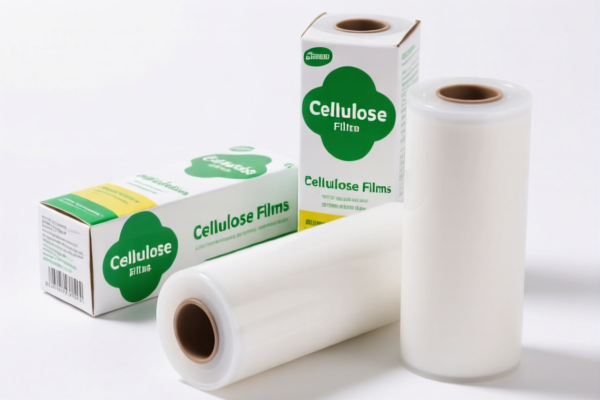
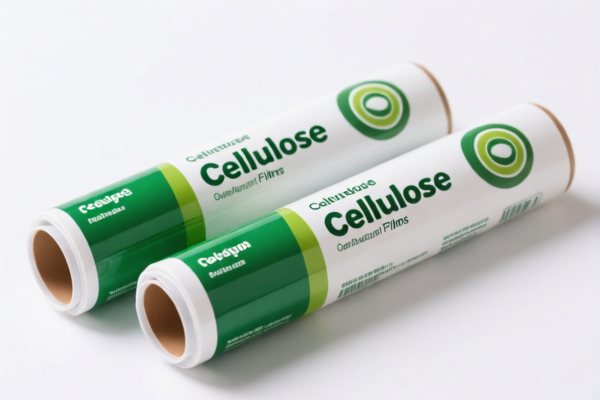
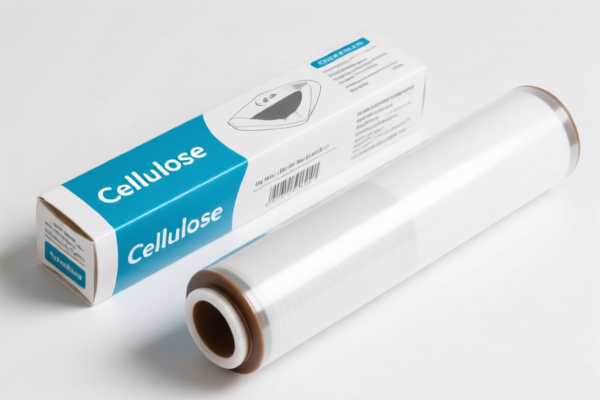
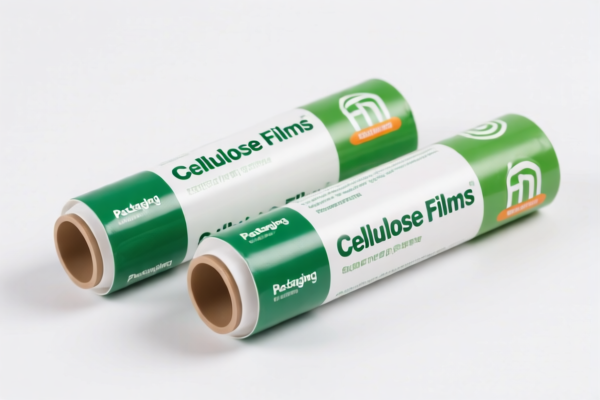
AI分析
📦 Cellulose Ester Packaging Film 🎞️
(Material: Cellulose Acetate / Cellulose Ester | Form: Film | Primary State)
🌐 HS Code Reference & Customs Clearance Guide | 2026 Latest Tariff Analysis | Strategic Entry for Cellulose Films
📌 I. Product Definition & Classification: Understanding "Cellulose Ester Film"
Cellulose Ester Packaging Film (typically Cellulose Acetate) is a transparent, biodegradable, or compostable plastic film widely used in food packaging, cigarette filters, and industrial applications.
In international trade (specifically US Imports from China), classification hinges on two critical factors: 1. Chemical Composition: Is it "Cellulose Acetate" (Primary) or a "Derivative/Regenerated"? 2. Physical Form & Thickness: Is it a simple sheet/film (<0.076mm) or a structured plate/sheet?
⚠️ Key Distinction Point: - Strict "Primary" Definition: If the film is purely Cellulose Acetate in its basic form → Chapter 3912. - General Plastic Film: If classified under general plastics chapters (like 3920/3921) due to additives or specific thickness rules → Chapter 3920/3921.
📦 II. HS Code Classification Details (2026 Latest Tariff Authority Cross-Reference)
Based on the provided data, here are the five valid HS Codes for Cellulose Ester Packaging Film, ranging from strict chemical definitions to physical form-based classifications.
| HS Code | Product Description (Summary) | Key Classification Logic | Total Tax Rate |
|---|---|---|---|
3912.11.00.00 |
Cellulose Acetate Film, Material: Cellulose Acetate, Form: Film, Consistent with Primary Form Definition. | ⭐ Most Direct Match: Pure cellulose acetate in primary shape. | 40.6% |
3912.12.00.00 |
Cellulose Acetate Film, Material: Cellulose Acetate, Form: Film, No Plasticization Conflict. | ⭐ Direct Match: Pure form, confirms no conflicting plasticizers affect classification. | 40.6% |
3920.73.00.00 |
Cellulose Acetate Film, Material: Cellulose Acetate, Form: Plates/Sheets/Films, Classification Consistent. | 🔄 Alternative: Classified under "Other Plates/Sheets/Films" of plastics. | 37.9% |
3920.79.10.00 |
Cellulose Ester Film, Material: Cellulose Derivative, Form: Film/Strip/Sheet ≤0.076mm Thickness. | 📏 Thickness Dependent: Specific for ultra-thin films (<0.76mm). | 41.2% |
3921.14.00.00 |
Cellulose Acetate Film, Material: Regenerated Cellulose, Form: Film, Classification Consistent. | ⚠️ Different Material Base: Classified as "Regenerated Cellulose" (e.g., Cellophane-like), not raw acetate. | 41.5% |
🔍 Critical Analysis: - Why so many codes? US Customs (CBP) may interpret "Cellulose Ester" differently. - If it's pure Cellulose Acetate,
3912is the most accurate chemical classification. - If it's treated as a general Plastic Film,3920or3921may apply based on thickness or manufacturing process. - Risk: Misclassification between3912(Primary) and3920(Fabricated Film) can lead to audits if the physical form doesn't match the "Primary Shape" definition.
💰 III. 2026 Tariff Rate Breakdown (Including Additional Duties & Policy Add-ons)
✅ Applicable Country: United States (US) ✅ Country of Origin: China (CN) ✅ Effective Date: Current rates apply (including Section 301 & 122 provisions)
🎯 1. HS Code: 3912.11.00.00 & 3912.12.00.00 (Primary Cellulose Acetate)
| Item | Detail |
|---|---|
| Base Tariff | 5.6% (Ad Valorem) |
| Section 301 Additional Tariff | +25.0% (Standard List 3/4A China tariffs) |
| Section 122 Tariff | +10.0% (Specific provisions for certain plastic articles/materials) |
| Total Tax Rate | 40.6% |
| Calculation Basis | CIF Value × 40.6% |
| De Minimis Exemption? | ❌ NO (Value exceeds $800 threshold for most commercial shipments; high tariff items rarely qualify for 801.32a relief if properly declared) |
| Legal Basis Path | USITC:3912.11.00.00 → FOOTNOTE:301 → FOOTNOTE:122 |
📌 Explanation: - Base 5.6%: Standard Most Favored Nation (MFN) rate for cellulose esters in primary forms. - 25% Section 301: The bulk of the cost. Applied to most Chinese-made plastic films. - 10% Section 122: A specific add-on tariff often applied to plastic materials to protect domestic manufacturing. - Total 40.6%: This is a high-cost item. Margin erosion is significant.
🎯 2. HS Code: 3920.73.00.00 (Plastic Films/Sheets)
| Item | Detail |
|---|---|
| Base Tariff | 2.9% (Lower than 3912) |
| Section 301 Additional Tariff | +25.0% |
| Section 122 Tariff | +10.0% |
| Total Tax Rate | 37.9% |
| Calculation Basis | CIF Value × 37.9% |
| Savings vs. 3912 | 2.7% lower than primary classification |
📌 Caution: While cheaper,
3920.73requires the product to be definitively classified as a "Plastic Film" rather than a "Primary Chemical Product." If CBP deems it primary, you risk back-taxes + penalties.
🎯 3. HS Code: 3920.79.10.00 (Ultra-Thin Cellulose Derivative)
| Item | Detail |
|---|---|
| Base Tariff | 6.2% |
| Section 301 Additional Tariff | +25.0% |
| Section 122 Tariff | +10.0% |
| Total Tax Rate | 41.2% |
| Condition | Film thickness ≤ 0.076 mm |
📌 Note: Higher base rate due to specific "thin film" categorization under cellulose derivatives. Only apply if strictly under 0.76mm.
🎯 4. HS Code: 3921.14.00.00 (Regenerated Cellulose)
| Item | Detail |
|---|---|
| Base Tariff | 6.5% |
| Section 301 Additional Tariff | +25.0% |
| Section 122 Tariff | +10.0% |
| Total Tax Rate | 41.5% |
| Material Note | Requires proof it is Regenerated Cellulose (e.g., viscose-based), not just synthetic cellulose acetate. |
🛠️ IV. Customs Clearance Practical Advice (Risk Mitigation Guide)
✅ 1. Preparation Checklist (Non-Negotiable)
| Document | Required? | Explanation |
|---|---|---|
| ✅ Product Specification Sheet | ✔️ | Must specify: Material (Cellulose Acetate vs. Regenerated), Thickness, Width, Additives. |
| ✅ Material Safety Data Sheet (MSDS) | ✔️ | To prove chemical composition and absence of restricted plasticizers. |
| ✅ Third-Party Test Report | ✔️ | Lab test confirming Cellulose Acetate content. Critical for distinguishing 3912 from 3920. |
| ✅ Commercial Invoice | ✔️ | Clearly state: "Cellulose Acetate Film, Primary Form, for Packaging Use". Avoid vague terms like "Plastic Sheet." |
| ✅ Packing List | ✔️ | Include roll dimensions, core type, and packaging material. |
| ✅ Certificate of Origin (CO) | ✔️ | Mandatory for proving CN origin to apply 301/122 tariffs accurately. |
✅ 2. Declaration Strategy (Critical Tips)
🔥 “Be Precise, Avoid Ambiguity!”
| Scenario | Recommended Declaration | Reason |
|---|---|---|
| Pure Cellulose Acetate | 3912.11.00.00 "Cellulose Acetate Film, Primary Form" |
Most accurate for raw/primary ester films. |
| Thick/Laminated Film | 3920.73.00.00 "Plastic Film, Cellulose Acetate, >0.076mm" |
If processed into specific sheets, 3920 may be safer if primary status is lost. |
| Ultra-Thin (<0.076mm) | 3920.79.10.00 "Cellulose Derivative Film, ≤0.076mm" |
Specific subheading for thin derivatives. |
| Regenerated/Cellophane | 3921.14.00.00 "Regenerated Cellulose Film" |
Only if chemically regenerated (viscose process). |
⚠️ Warning: Do NOT use generic terms like "Plastic Wrap" or "Biodegradable Film" without HS Code specificity. CBP will likely downgrade or reclassify, leading to delays.
✅ 3. Special Considerations
| Situation | Advice |
|---|---|
| Thickness Variance | Ensure thickness is consistently >0.076mm if claiming 3912 or 3920.73. If <0.076mm, you must use 3920.79.10.00 or face misclassification. |
| Additives | If the film contains >20% other plasticizers, it may no longer be "Primary Form" → Move to 3920. |
| Section 122 Eligibility | Verify if your specific manufacturer/supplier is exempt from the 10% Section 122 tariff (rare, but check current lists). |
| Pre-Ruling (Advance Ruling) | STRONGLY RECOMMENDED. Request a CBP Advance Ruling to lock in 3912.11 or 3920.73 before shipping. Cost: ~$500-$1000; Savings: Avoids $40k+ in back taxes. |
🌍 V. Global Market Comparison (2026 Context)
| Market | Recommended HS Code | Estimated Duty (CN Origin) | Key Certification |
|---|---|---|---|
| 🇺🇸 USA | 3912.11.00.00 or 3920.73.00.00 |
37.9% - 41.5% | None specific, but MSDS required. |
| 🇪🇺 EU | 3912.11.00 (Similar) |
~6.5% (Standard) + Possible Carbon Tax | REACH Compliance, Biodegradability Cert. |
| 🇨🇳 China | 3912.11.00 |
5.6% | No 301/122 tariffs. |
| 🇬🇧 UK | 3912.11.00 |
~6.5% | UKCA Marking if applicable. |
📌 Insight: The US is the most expensive market for this product due to the叠加 (stacking) of 301 (+25%) and 122 (+10%) tariffs. EU tariffs are significantly lower (~6.5%), but REACH compliance is stricter.
📌 VI. Common Errors & Pitfalls (Learn from Others)
❌ Error 1: Declaring as "Cellophane" (3921.10) when it's actually Cellulose Acetate (3912).
👉 Result: CBP rejects for material mismatch. Penalty + Reinspection.
❌ Error 2: Ignoring Thickness in Declaration.
👉 Result: If <0.076mm, 3912 is incorrect. Must be 3920.79.10.00. Back Taxes Applied.
❌ Error 3: Vague Description "Plastic Film". 👉 Result: CBP assigns highest general duty + possible fraud flags. Shipment Delayed.
❌ Error 4: Assuming "Biodegradable" changes HS Code. 👉 Result: Biodegradability does NOT change HS Classification. It only affects marketing/eco-labels. No Tax Benefit.
✅ Correct Approach:
"Cellulose Acetate Film, Primary Form, 0.1mm Thickness, Roll Form, for Food Packaging, Made in China"
🎯 VII. Conclusion: Strategic Sourcing & Cost Control
🎯 Key Takeaway:
🔹 Tax Impact is Massive: With 37.9% - 41.5% total duties, profit margins will be heavily impacted. 🔹 Classification is King:
3920.73.00.00(37.9%) is the lowest tax option, but only if legally defensible as a "Plastic Film" rather than "Primary Chemical." 🔹 Action Plan: 1. Test the film thickness and chemical composition rigorously. 2. Apply for a CBP Advance Ruling before shipping the first container. 3. Calculate landed cost including the 10% Section 122 fee – do not forget it!
📣 Immediate Action:
📞 Consult a Customs Broker: Provide product samples + specs. 📄 Request Advance Ruling: Lock in
3912.11or3920.73. 📊 Optimize Supply Chain: Consider if transshipment (if eligible) or alternative sourcing can mitigate the 40% tax burden.
✨ Professional Clearance, Start with Precise Classification! 💼 Every Percentage Point of Tariff Matters in High-Tax Environments!
用户评价
关于 HS 编码归类
协调制度(HS)是由世界海关组织(WCO)制定的国际贸易商品分类标准。全球 200 多个国家采用 HS 系统作为海关关税、贸易统计和进出口监管的基础。
每个 HS 编码遵循以下层级结构:
- 章(2 位)——商品大类(例如:第 84 章:机器和机械设备)
- 品目(4 位)——章内的更具体分类
- 子目(6 位)——国际通用细分,所有 WCO 成员国统一使用
- 本国细分(8-10 位)——各国自行扩展的细分编码,如美国 HTSUS 10 位编码
正确的 HS 编码归类对于顺利通关、准确缴纳关税和遵守贸易法规至关重要。错误归类可能导致海关延误、多缴关税或罚款。
从CN进口到US时,适用的关税税率可能包括:
- 最惠国(MFN)税率——适用于 WTO 成员国的标准关税税率
- 普通税率——适用于无贸易协定国家
- 贸易救济关税——附加关税,如 301 条款(反倾销)、232 条款(国家安全)或反补贴税
本页内容仅供参考。如需正式归类,请咨询当地海关或持牌报关代理。