ceramic tableware
CN → US| HS编码 | 关税税率 | 原产国 | 目的国 | 文档 |
|---|---|---|---|---|
| 6912003510 | 19.8% | CN | US | 官方文档 |
| 6911103710 | 25.5% | CN | US | 官方文档 |
| 6911103510 | 43.5% | CN | US | 官方文档 |
| 6907401051 | 45.0% | CN | US | 官方文档 |
| 6907409051 | 43.5% | CN | US | 官方文档 |
商品图片
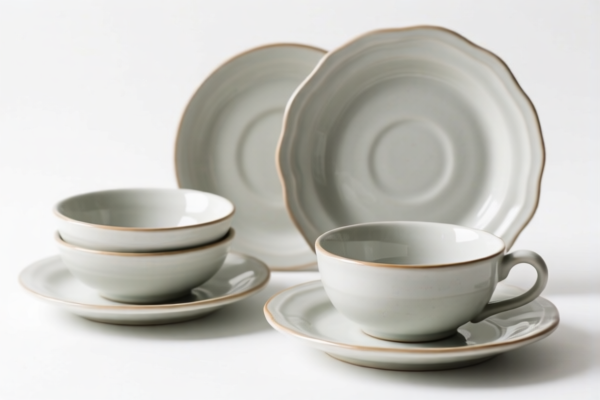
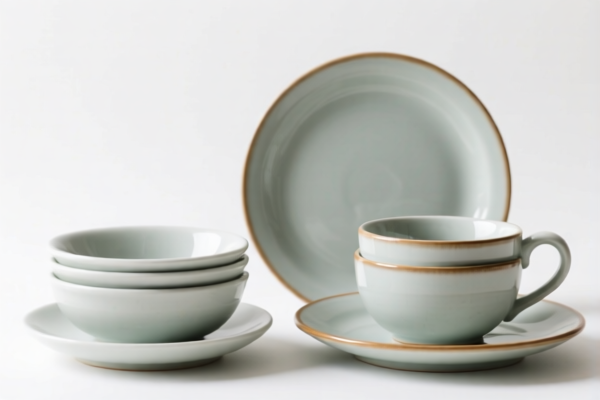
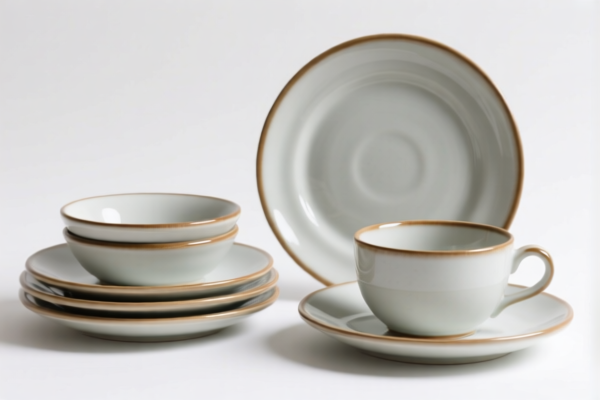
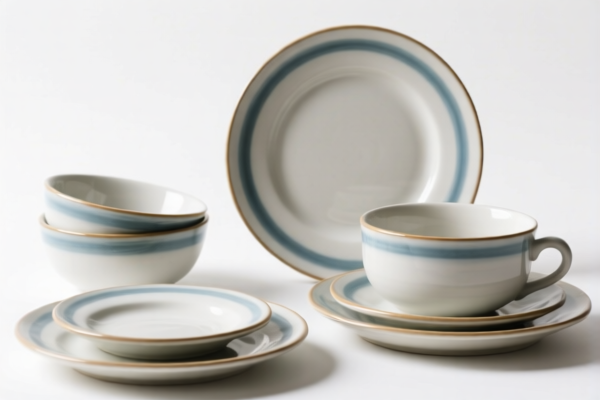
AI分析
🍽️ Ceramic Tableware: HS Code Classification & US Customs Clearance Guide (2024-2026)
🌐 HS Code Reference & Clearance Strategy | Latest Tariff Analysis | Professional Compliance Guide
Ceramic tableware is a high-volume trade category with significant tariff implications, particularly for imports from China into the United States. The classification depends heavily on the material composition (porcelain vs. other ceramic), shape/function (plates vs. decorative items), and specific dimensions.
⚠️ Critical Warning:
Improper classification can lead to massive tariff disparities (from 9.8% to 43.5%) and potential customs seizures. The difference between "Porcelain Plates" and "Other Ceramic Plates" is often just a few hundredths of a gram in weight or a millimeter in diameter!
📦 1. HS Code Classification Matrix (Based on Provided Data)
Below are the 5 specific HS Codes derived from your data, categorized by their logical grouping and tax implications.
| HS Code | Product Description & Scope | Key Differentiator | Total Tax Rate |
|---|---|---|---|
| 6912.00.35.10 | Other Ceramic Plates: Matching material/form, specific size description. | Non-porcelain ceramic (e.g., stoneware, earthenware). | 19.8% |
| 6911.10.37.10 | Porcelain Plates: Size limited (Max Ø 27.9 cm). | Porcelain + Size constraint (<27.9cm). | 25.5% |
| 6911.10.35.10 | Porcelain Dining/Kitchen Ware: Plate form. | Porcelain + General dining use (no size limit specified in summary). | 43.5% |
| 6907.40.10.51 | Ceramic Articles: Decorative or other categories. | Non-tableware: Decorative tiles, ornamental ceramics. | 45.0% |
| 6907.40.90.51 | Ceramic Surfacing/Fixtures: Other non-specific categories. | Non-tableware: Generic ceramic fixtures, tiles not meeting specific decorative codes. | 43.5% |
💰 2. Detailed Tariff Breakdown & Tax Policy Analysis
All rates below assume Origin: China (CN) importing into the United States (US). The "Total Tax" is a composite of Base Rate, Section 301 Additional Duty, and Section 122 Duty.
🎯 A. The "Low-Tax" Option: 6912.00.35.10
Total Rate: 19.8%
Best for: Stoneware, Earthenware, or Non-Porcelain Ceramic Plates
| Component | Rate | Legal Basis |
|---|---|---|
| Base Duty | 9.8% | USITC General Rate |
| Section 301 Add-on | 0.0% | Note: Specific sub-code may be exempt or lower tier |
| Section 122 Duty | 10.0% | 122 Provisions (often applies to specific ceramic categories) |
| TOTAL | 19.8% |
📝 Explanation:
This code applies to ceramic plates that are NOT porcelain. If your product is made of high-fire stoneware or earthenware, this is your lowest cost option. Ensure the material specification on the invoice explicitly states "Ceramic (Non-Porcelain)" or "Stoneware."
🎯 B. The "Size-Sensitive" Option: 6911.10.37.10
Total Rate: 25.5%
Best for: Small to Medium Porcelain Plates (Max Diameter ≤ 27.9 cm)
| Component | Rate | Legal Basis |
|---|---|---|
| Base Duty | 8.0% | USITC General Rate |
| Section 301 Add-on | 7.5% | Trade Enhancement Act (Section 301) |
| Section 122 Duty | 10.0% | 122 Provisions |
| TOTAL | 25.5% |
📝 Explanation:
This code is for Porcelain. The key constraint is the maximum dimension of 27.9 cm. If your porcelain plate is 28 cm or larger, it does NOT qualify for this rate. It likely falls into the higher-taxed 6911.10.35.10 category.
⚠️ Risk: Even a 0.1 cm overage can trigger a reclassification to 43.5%.
🎯 C. The "High-Tax" Trap: 6911.10.35.10
Total Rate: 43.5%
Best for: Large Porcelain Plates or General Porcelain Dining Ware
| Component | Rate | Legal Basis |
|---|---|---|
| Base Duty | 26.0% | USITC General Rate (Higher base for general porcelain) |
| Section 301 Add-on | 7.5% | Trade Enhancement Act (Section 301) |
| Section 122 Duty | 10.0% | 122 Provisions |
| TOTAL | 43.5% |
📝 Explanation:
This is the "default" or "catch-all" for porcelain tableware that does not meet the strict size criteria of 6911.10.37.10. The Base Duty is much higher (26%) compared to the size-limited version (8%).
💡 Strategy: If you are exporting porcelain, design your plates to be ≤ 27.9 cm to save 18% in total taxes.
🎯 D. The "Non-Tableware" Classifications: 6907.xxxx
Total Rates: 43.5% - 45.0%
Best for: Decorative Items, Tiles, Wall Fixtures
| HS Code | Description | Base | Sec 301 | Sec 122 | Total |
|---|---|---|---|---|---|
| 6907.40.10.51 | Ceramic Articles (Decorative/Other) | 10.0% | 25.0% | 10.0% | 45.0% |
| 6907.40.90.51 | Ceramic Surfacing/Fixtures (Other) | 8.5% | 25.0% | 10.0% | 43.5% |
📝 Explanation:
These codes are for ceramics that are NOT intended for eating/drinking. This includes decorative tiles, wall plaques, and ceramic bathroom fixtures.
⚠️ Risk: If you declare a plate as "Decorative Ceramic" to avoid tableware taxes, but it is clearly a plate, Customs will reclassify it and apply penalties. Only use these for items with no food-contact intent.
🛠️ 3. Customs Clearance & Operational Advice
✅ 1. Critical Documentation Requirements
| Document | Requirement | Purpose |
|---|---|---|
| Commercial Invoice | Must specify "Porcelain" vs. "Other Ceramic" clearly. | Determines Base Rate (8% vs 26%). |
| Product Specifications | Must include exact dimensions (especially for plates ≤ 27.9 cm). | Validates eligibility for 25.5% rate. |
| Material Certificate | Proof of composition (e.g., "High-fire Stoneware" or "Hard-paste Porcelain"). | Prevents reclassification by CBP. |
| Product Photos | Clear images of front, back, and bottom (markings). | Proves tableware function vs. decorative use. |
✅ 2. Smart Classification Strategy (How to Save Money)
🟢 Strategy A: For Porcelain Plates
- Goal: Achieve 25.5% tax rate.
- Action: Ensure all porcelain plates have a maximum dimension of 27.9 cm or less.
- Warning: Do not ship a 28 cm plate under this code. It will be audited and taxed at 43.5%.
- Invoice Wording: "Porcelain Dinner Plate, 10.5 inches (26.7 cm), Food Safe, Set of 4"
🟡 Strategy B: For Non-Porcelain Ceramic Plates
- Goal: Achieve 19.8% tax rate.
- Action: Use stoneware, earthenware, or biscuit ceramics. Clearly label as "Non-Porcelain Ceramic".
- Invoice Wording: "Stoneware Plate, Ceramic (Non-Porcelain), Food Safe, Set of 4"
🔴 Strategy C: Decorative Items
- Goal: Avoid Tableware Classification.
- Action: Ensure items are not designed for food contact. Use for wall decoration, vases, or figurines.
- Invoice Wording: "Ceramic Decorative Wall Plate, Not for Food Use"
- Risk: High scrutiny. If it looks like a plate, CBP may still tax it as tableware.
✅ 3. Common Pitfalls & Avoidance
| Mistake | Consequence | Solution |
|---|---|---|
| Mislabeling Porcelain as "Ceramic" | CBP assumes higher base rate (26%) or audits material. | Always specify "Porcelain" or "Stoneware". |
| Ignoring Size Limits | 28 cm plate classified as 6911.10.37.10 → 18% penalty. | Measure all products. Stick to ≤27.9 cm for porcelain. |
| Declaring Tableware as "Decorative" | Seizure, penalties, and back-taxes. | Only use 6907 codes for non-food items. |
| Vague Descriptions | "Ceramic Plate" → CBP assigns worst-case scenario. | Use specific: "Porcelain, 10-inch, White, Glossy Finish" |
🌍 4. Global Market Comparison (US Focus)
| Market | HS Code Focus | Key Duty Factor |
|---|---|---|
| 🇺🇸 USA | 6911.10.37.10 (25.5%) vs 6911.10.35.10 (43.5%) | Section 301 (7.5%) + Sec 122 (10%) are critical. |
| 🇨🇳 China | 6911.10 / 6912.00 | Low import tariffs for US exports; focus on US outbound duties. |
| 🇪🇺 EU | 6911.10 / 6912.00 | Standard 6.5% duty; no Section 301/122 equivalents. |
| 🇬🇧 UK | 6911.10 / 6912.00 | Standard 6.5% duty post-Brexit. |
📌 Conclusion:
The US market is the most complex due to Section 301 and Section 122 duties. Accurate classification is not just about compliance—it’s a profitability lever.
📌 5. Final Checklist for Exporters
- Measure: Is the plate ≤ 27.9 cm? If yes → Consider 6911.10.37.10.
- Material: Is it Porcelain? If yes → Choose between 6911.10.37.10 (if size matches) or 6911.10.35.10.
- Material: Is it Non-Porcelain (Stoneware/Earthenware)? → Use 6912.00.35.10 for lowest rate (19.8%).
- Function: Is it for Food? If no → Consider 6907.xxxx codes (43.5%-45%).
- Documentation: Ensure Invoice & Packing List reflect the exact HS Code description and material type.
🚀 Pro Tip:
For high-volume shipments, request a US CBP Binding Ruling in advance. This provides legal certainty and protects against retroactive duties if your product design changes slightly.
✨ Precision in Classification = Precision in Profit.
💼 Don't let a 0.1 cm error cost you 18% in taxes.
用户评价
关于 HS 编码归类
协调制度(HS)是由世界海关组织(WCO)制定的国际贸易商品分类标准。全球 200 多个国家采用 HS 系统作为海关关税、贸易统计和进出口监管的基础。
每个 HS 编码遵循以下层级结构:
- 章(2 位)——商品大类(例如:第 84 章:机器和机械设备)
- 品目(4 位)——章内的更具体分类
- 子目(6 位)——国际通用细分,所有 WCO 成员国统一使用
- 本国细分(8-10 位)——各国自行扩展的细分编码,如美国 HTSUS 10 位编码
正确的 HS 编码归类对于顺利通关、准确缴纳关税和遵守贸易法规至关重要。错误归类可能导致海关延误、多缴关税或罚款。
从CN进口到US时,适用的关税税率可能包括:
- 最惠国(MFN)税率——适用于 WTO 成员国的标准关税税率
- 普通税率——适用于无贸易协定国家
- 贸易救济关税——附加关税,如 301 条款(反倾销)、232 条款(国家安全)或反补贴税
本页内容仅供参考。如需正式归类,请咨询当地海关或持牌报关代理。