chair cushion
CN → US| HS编码 | 关税税率 | 原产国 | 目的国 | 文档 |
|---|---|---|---|---|
| 6307909891 | 24.5% | CN | US | 官方文档 |
| 6307909885 | 24.5% | CN | US | 官方文档 |
| 9404902090 | 23.5% | CN | US | 官方文档 |
| 9404909605 | 17.3% | CN | US | 官方文档 |
| 3926902100 | 21.7% | CN | US | 官方文档 |
商品图片
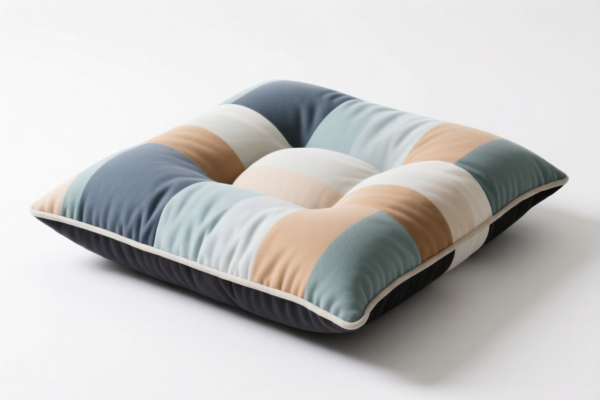
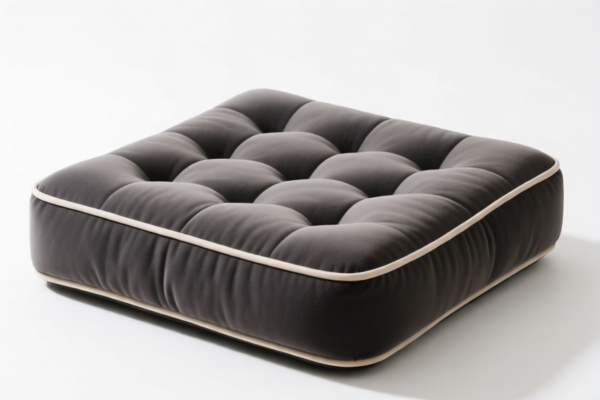
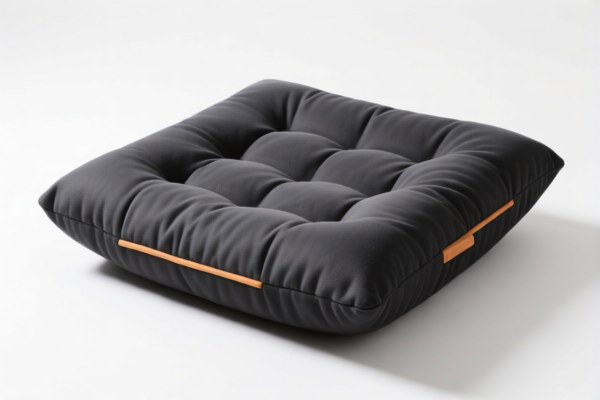
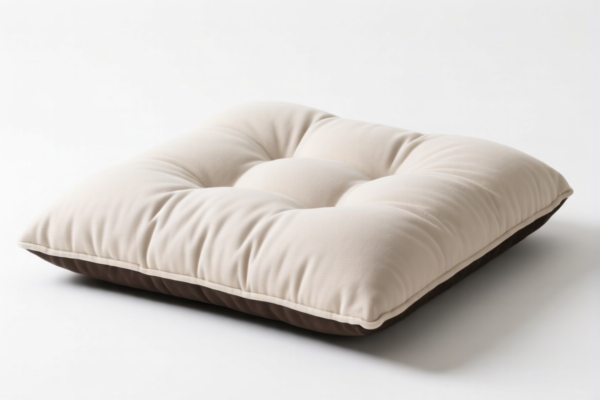
AI分析
🪑 Chair Cushion (Seat Cushions & Pads)
🌐 HS Code Reference & Customs Clearance Guide | 2026 Latest Tariff Analysis | Professional Strategy for US Imports from China
📌 Part 1: Product Definition & Classification: Do You Really Know "Chair Cushions"?
Chair cushions are versatile home and office accessories. In international trade, they are not a single unified category but are split based on material, filling, and primary function. The classification determines whether you fall under Textiles (Ch. 63), Furniture Parts (Ch 94), or Plastics (Ch 39).
1. Textile/ Fabric Upholstery Products (Ch. 63)
If the cushion is made of textile materials (cotton, polyester, etc.), acts as a general accessory, or is a "made-up" textile article without specific furniture fitting claims, it defaults to Chapter 63.
2. Furniture Accessories / Bedding Articles (Ch. 94)
If the cushion is specifically designed as a padding for furniture (like a seat pad) or is classified as a "similar furnishing article" (often implying filling materials like foam, feathers, or down), it may fall under 9404.
3. Plastic/ Synthetic Rubber Articles (Ch. 39)
If the cushion is made primarily of plastic, PVC, or synthetic sheets (e.g., anti-slip mats, medical hygiene pads), it belongs to Chapter 39.
⚠️ Key Distinction Point:
- Textile Shell + General Use → 6307.90.98 (Other made-up textile articles)
- Furniture Padding / Similar Article → 9404.90 (Articles of bedding, etc.)
- Plastic/Synthetic Material → 3926.90 (Other articles of plastics)
📦 Part 2: HS Code Classification Details (2026 Latest Tariff Authority对照)
Based on the provided data, here are the five potential HS Codes with their corresponding tax implications for imports from China to the US.
| HS Code | Product Description | Applicability Scenario | Tax Detail Breakdown |
|---|---|---|---|
6307.90.98.91 |
Seat Cushions (Made-up Articles) | General textile seat pads, fits the morphology of "made-up articles." Default tendency for general cushions. | Base: 7.0% Section 301: 7.5% Section 122: 10% Total: 24.5% |
6307.90.98.85 |
Seat Pads / Furniture Accessories | Matches "pad" morphology and furniture accessory use. Inferred as cotton or fiber textile. No material conflict. | Base: 7.0% Section 301: 7.5% Section 122: 10% Total: 24.5% |
9404.90.20.90 |
Mattress Supports / Similar Articles | Falls under "cushions and similar padded articles." Inferred as filled or sponge material. Consistent with pillows/backrests. | Base: 6.0% Section 301: 7.5% Section 122: 10% Total: 23.5% |
9404.90.96.05 |
Bedding & Similar Furniture Articles | Falls under "bedding articles and similar furnishing." Inferred shell is cotton or other non-conflicting material. Fits the "catch-all" category for similar items. | Base: 7.3% Section 301: 0.0% Section 122: 10% Total: 17.3% |
3926.90.21.00 |
Plastic/Synthetic Cushions | Inferred material is plastic or synthetic fiber. Belongs to care/auxiliary pads (e.g., sweat-proof pads, hygiene pads). | Base: 4.2% Section 301: 7.5% Section 122: 10% Total: 21.7% |
🔍 Critical Insight:
- Lowest Tariff Option:9404.90.96.05at 17.3% (provided the material and usage fit "similar furnishing articles" and Section 301 does not apply fully or is excluded in this specific subheading). - Highest Tariff Option:6307.90.98.91&6307.90.98.85at 24.5% (Standard textile classification). - Material Dependency: If your cushion is plastic-based,3926.90.21.00offers a competitive 21.7% rate.
💰 Part 3: 2026 Latest Tariff Rate Details (Including Surcharges)
✅ Applicable Country: United States (US)
✅ Origin: China (CN)
✅ Effective Time: Current active rates (Based on Section 122 and Section 301)
🎯 1. 6307.90.98.91 / 6307.90.98.85 —— Textile Seat Cushions
| Item | Content |
|---|---|
| Base Duty | 7.0% |
| Section 301 Surcharge | +7.5% |
| Section 122 Surcharge | +10% |
| Total Rate | 24.5% |
| Tax Calculation | CIF Value × 24.5% |
| De Minimis Exemption | ❌ Not Applicable (Subject to full duty) |
| Legal Basis | HTSUS 6307.90 + Trade Policy Surcharge Footnotes |
📌 Explanation:
- The 7.0% is the standard Most Favored Nation (MFN) rate for made-up textile articles. - The 7.5% and 10% are punitive tariffs. Section 122 (under USMCA compliance checks or specific trade actions) adds 10%, while Section 301 adds 7.5% (specific rate may vary by product list, but data indicates 7.5%). - Total Impact: Nearly 1/4 of the product value goes to duties. Cost control is essential.
🎯 2. 9404.90.20.90 —— Filled/Spunge Cushions
| Item | Content |
|---|---|
| Base Duty | 6.0% |
| Section 301 Surcharge | +7.5% |
| Section 122 Surcharge | +10% |
| Total Rate | 23.5% |
| Tax Calculation | CIF Value × 23.5% |
| De Minimis Exemption | ❌ Not Applicable |
📌 Note:
- Slightly cheaper than the textile category (23.5% vs 24.5%). - Best for cushions with significant filling (foam, down, fiberfill) that act as furniture components.
🎯 3. 9404.90.96.05 —— Bedding/Similar Furnishing (Lowest Rate!)
| Item | Content |
|---|---|
| Base Duty | 7.3% |
| Section 301 Surcharge | 0.0% |
| Section 122 Surcharge | +10% |
| Total Rate | 17.3% |
| Tax Calculation | CIF Value × 17.3% |
| De Minimis Exemption | ❌ Not Applicable |
📌 Strategic Advantage:
- Zero Section 301 Tax! This is the biggest saving. - If your cushion can be legally argued as a "similar furnishing article" (e.g., decorative padding, non-specific furniture pad) under this specific subheading, you save 7.2% compared to standard textile cushions. - Risk: High scrutiny on "material" and "use". Must not be easily classified as a simple textile seat pad.
🎯 4. 3926.90.21.00 —— Plastic/Synthetic Pads
| Item | Content |
|---|---|
| Base Duty | 4.2% |
| Section 301 Surcharge | +7.5% |
| Section 122 Surcharge | +10% |
| Total Rate | 21.7% |
| Tax Calculation | CIF Value × 21.7% |
| De Minimis Exemption | ❌ Not Applicable |
📌 Note:
- Applicable only if the material is primarily plastic/synthetic (e.g., PVC seat covers, silicone mats, medical hygiene pads). - Low base duty (4.2%) helps offset the surcharges, but still higher than the "0% 301" option of 9404.96.05.
🛠️ Part 4: Customs Clearance Practical Advice (Actionable Guide)
✅ 1. Document Checklist (Essential for Accurate Classification)
| Document | Mandatory? | Explanation |
|---|---|---|
| ✅ Product Specification Sheet | ✔️ | Must specify Material Composition (e.g., 100% Cotton Shell + Polyester Fill vs. PVC Surface). |
| ✅ Product Photos | ✔️ | Show texture, thickness, filling type, and any branding. |
| ✅ Bill of Lading / Packing List | ✔️ | Ensure description matches HS code intent (e.g., "Furniture Pad" vs. "Textile Seat Cover"). |
| ✅ Commercial Invoice | ✔️ | Value must be accurate CIF for duty calculation. |
| ✅ Material Test Report | ✔️ | If claiming 9404.90.96.05 or 3926.90.21.00, lab tests proving material (cotton vs. plastic vs. mixed) are critical. |
✅ 2. Classification Strategy & Pitfalls
| Scenario | Recommended HS Code | Avoid |
|---|---|---|
| Standard Fabric Seat Pad | 6307.90.98.91 (24.5%) |
Do NOT try to force into 9404 if it's clearly a simple textile pad. |
| Filled Cushion (Foam/Down) | 9404.90.20.90 (23.5%) |
Ensure it's not just a "cover" but a filled article. |
| Decorative/General Pad (Strategic) | 9404.90.96.05 (17.3%) |
Only if materials/use allow. Argue as "similar furnishing article" to avoid Section 301. |
| Plastic/Silicone Mat | 3926.90.21.00 (21.7%) |
Must be plastic-based. Fabric-backed mats may be reclassified as textile. |
🔥 Golden Rule:
"Material determines Chapter, Use determines Subheading."
- If it’s textile → Ch 63.
- If it’s furniture padding → Ch 94.
- If it’s plastic → Ch 39.
Misclassification leads to penalties, audits, and delayed customs clearance.
✅ 3. Special Considerations
| Situation | Advice |
|---|---|
| Mixed Materials | If a cushion has a cotton shell and a plastic non-slip bottom, US Customs may classify based on the essential character. If the shell is primary, it might still go to Ch 63. |
| Section 122 Compliance | Ensure origin documentation is perfect. Section 122 tariffs often apply to Chinese goods under specific trade enforcement. |
| Pre-Ruling | Given the rate differences (24.5% vs 17.3%), consider applying for an ISF/HTSUS Pre-Ruling if importing large volumes. It provides legal certainty. |
🌍 Part 5: Global Market Comparison (2026 Context)
| Market | Likely HS Code | Est. Tariff (China Origin) | Note |
|---|---|---|---|
| 🇺🇸 USA | 6307.90.98.91 / 9404.90.96.05 |
17.3% - 24.5% | High surcharges. 9404.90.96.05 is optimal if compliant. |
| 🇨🇳 China | 6307.90.98 / 9404.90 |
5% - 10% | Lower tariffs, but this guide focuses on US Imports. |
| 🇪🇺 EU | 6307.90 / 9404.90 |
4% - 6% | No Section 301/122 equivalents. Generally cheaper. |
📌 Conclusion:
- The US market is the most expensive due to punitive tariffs. - Optimization Opportunity: If your product structure allows, classifying under9404.90.96.05saves 7.2% in duties compared to standard textile cushions.
📌 Part 6: Common Mistakes & Pitfalls (Lessons Learned)
❌ Mistake 1: Calling a "Fabric Seat Pad" a "Furniture Accessory" to avoid Section 301.
👉 Result: Customs rejects the claim if material is clearly textile. Penalty + Back Duty.
❌ Mistake 2: Mixing Plastic and Fabric without clear boundary.
👉 Result: Ambiguity leads to classification as Textile (Ch 63) by default, missing out on Plastic rates.
❌ Mistake 3: Ignoring Section 122.
👉 Result: Underpaying 10% tax. Customs audits will demand payment + interest.
✅ Correct Approach:
"Know your material. Know your use. Declare accurately."
For9404.90.96.05, ensure the product description emphasizes "Furnishing" and "Similar Article" status, supported by material specs that avoid direct conflict with primary textile chapters.
🎯 Part 7: Conclusion: Strategic Sourcing for Cost Efficiency
🎯 Key Takeaway:
- Cheapest Option: 9404.90.96.05 @ 17.3% (Avoids Section 301).
- Standard Textile: 6307.90.98.91 @ 24.5%.
- Plastic: 3926.90.21.00 @ 21.7%.
📌 Recommendation:
1. Analyze Material: If possible, adjust design to fit9404.90.96.05criteria (e.g., specific filling, non-primary textile use).
2. Consult Customs Broker: Before shipping large volumes, get a binding ruling on9404.90.96.05eligibility.
3. Document Rigorously: Keep all material tests and product definitions ready for inspection.
✨ Professional Customs Clearance Starts with Precise Classification!
💼 Every Percentage Point Saved is Pure Profit!
用户评价
关于 HS 编码归类
协调制度(HS)是由世界海关组织(WCO)制定的国际贸易商品分类标准。全球 200 多个国家采用 HS 系统作为海关关税、贸易统计和进出口监管的基础。
每个 HS 编码遵循以下层级结构:
- 章(2 位)——商品大类(例如:第 84 章:机器和机械设备)
- 品目(4 位)——章内的更具体分类
- 子目(6 位)——国际通用细分,所有 WCO 成员国统一使用
- 本国细分(8-10 位)——各国自行扩展的细分编码,如美国 HTSUS 10 位编码
正确的 HS 编码归类对于顺利通关、准确缴纳关税和遵守贸易法规至关重要。错误归类可能导致海关延误、多缴关税或罚款。
从CN进口到US时,适用的关税税率可能包括:
- 最惠国(MFN)税率——适用于 WTO 成员国的标准关税税率
- 普通税率——适用于无贸易协定国家
- 贸易救济关税——附加关税,如 301 条款(反倾销)、232 条款(国家安全)或反补贴税
本页内容仅供参考。如需正式归类,请咨询当地海关或持牌报关代理。