clothing accessories
CN → US| HS编码 | 关税税率 | 原产国 | 目的国 | 文档 |
|---|---|---|---|---|
| 6217108500 | 24.6% | CN | US | 官方文档 |
| 7117909000 | 28.5% | CN | US | 官方文档 |
| 6217109550 | 32.1% | CN | US | 官方文档 |
| 6117809570 | 32.1% | CN | US | 官方文档 |
| 6117909095 | 32.1% | CN | US | 官方文档 |
商品图片
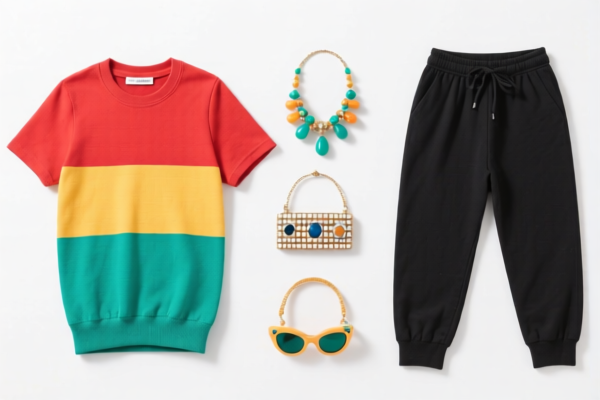
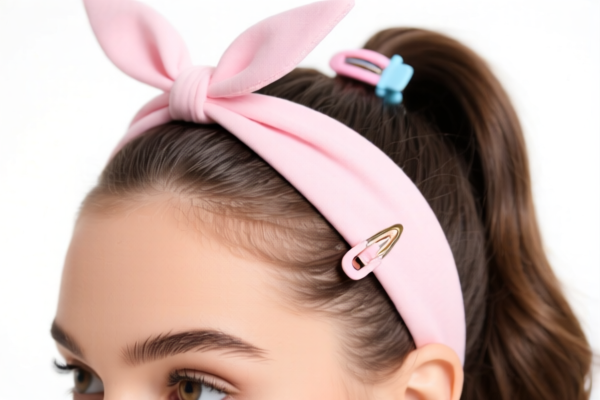
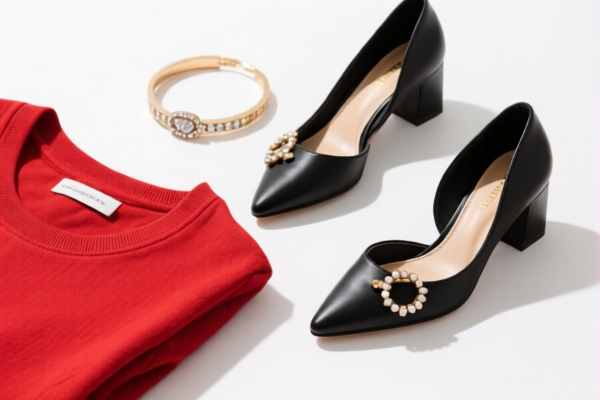
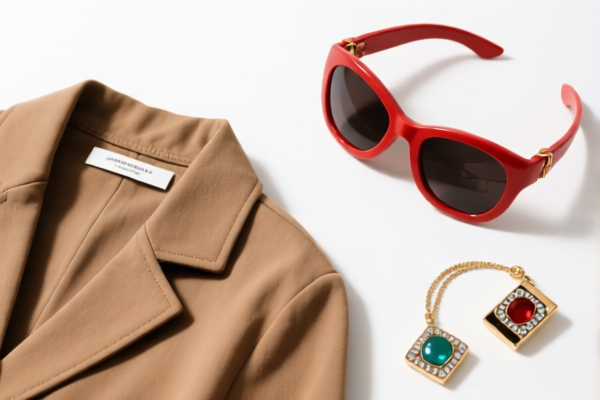
AI分析
🧵 Clothing Accessories: The Ultimate Global HS Code & Duty Guide (2026 Edition)
🌐 HS Code Reference & Customs Clearance Strategy | 2026 Tariff Breakdown | Professional Entry Protocols
📌 一、Product Definition & Classification: Why "Clothing Accessories" Are More Complex Than They Seem?
Clothing Accessories are a broad category of items that complement, finish, or adorn garments. They range from simple functional parts (buttons, zippers) to decorative elements (brooches, fake jewelry) and specialized hardware.
In international trade, Material Determination is King. If the material isn't explicitly specified, Customs often defaults to the "Other" (兜底/兜底类目) category, which can lead to significantly higher tariffs.
⚠️ Key Classification Logic: - Garment Parts (Functional): Zippers, buttons, linings → Often fall under 6217 (Other Made Up Clothing Accessories) or 6117 (Other Made Up Clothing Accessories for knitted fabrics). - Jewelry/Decor (Non-Garment): Fake jewelry, plastic brooches → Often fall under 7117 (Imitation Jewelry). - Material Ambiguity: If material is unknown/undefined, the system defaults to the "Other" sub-category, triggering higher "Base Tariffs" and "122 Clause" penalties.
📦 二、HS Code Classification Matrix (2026 Authorized Reference)
Based on the provided dataset for "Clothing Accessories" where material is unspecified or general.
| HS Code | Product Description | Material Logic | Total Duty Rate |
|---|---|---|---|
| 6217.10.85.00 | Garment Accessories (Woven) | Default "Other" category based on functional consistency with garments. | 24.6% |
| 7117.90.90.00 | Clothing Accessories (Imitation Jewelry) | Classified under "Other" non-precious decorative accessories. | 28.5% |
| 6217.10.95.50 | Clothing Accessories (Woven - Other) | Matches "Clothing Accessories" exactly; defaults to "Other" material rule. | 32.1% |
| 6117.80.95.70 | Knitted/Non-Knitted Accessories | Matches "Garment Attachments"; defaults to "Other" material. | 32.1% |
| 6117.90.90.95 | Garment Parts (Knitted/Other) | Matches "Garment Attachments/Parts"; defaults based on accessory rules. | 32.1% |
🔍 Critical Insight: - 6217.10.85.00 (24.6%) is the lowest duty option if the item is considered a standard functional garment part (woven). - 7117.90.90.00 (28.5%) applies if the accessory is deemed "Imitation Jewelry" rather than a functional garment part. - 6217.10.95.50 / 6117.80.95.70 / 6117.90.90.95 (All 32.1%) are the highest risk codes. These are "Other/Undefined" categories triggered when the material is not clearly defined (e.g., "mixed materials" or "unknown plastic").
💰 三、2026 Tariff Breakdown: The "Hidden Costs" Explained
✅ Applicable Region: United States (US)
✅ Origin: China (CN)
✅ Validity: Current 2026 Tariff Structure
🎯 1. The "Lowest" Cost: 6217.10.85.00 (24.6%)
Best for: Standard woven garment parts (e.g., belts, woven trims).
| Component | Rate | Source |
|---|---|---|
| Base Tariff | 14.6% | Standard Most-Favored-Nation (MFN) rate for this sub-category. |
| Section 301 (Added) | 0.0% | No additional Section 301 penalty for this specific sub-class. |
| "122 Clause" Tariff | 10% | Specific punitive tax for goods from China under this clause. |
| TOTAL | 24.6% | 14.6 + 0.0 + 10 |
📌 Why it's lower: The classification
6217.10.85.00avoids the "General Section 301" 7.5% surcharge that applies to broader categories, but still carries the mandatory 10% "122 Clause" penalty.
🎯 2. The "Jewelry" Risk: 7117.90.90.00 (28.5%)
Best for: Decorative plastic/metal pins, fake necklaces, brooches.
| Component | Rate | Source |
|---|---|---|
| Base Tariff | 11.0% | Lower base rate for imitation jewelry. |
| Section 301 (Added) | 7.5% | CRITICAL: Applies as a general "301" surcharge on non-precious metals. |
| "122 Clause" Tariff | 10% | Mandatory 10% penalty on Chinese imports. |
| TOTAL | 28.5% | 11.0 + 7.5 + 10 |
📌 The Trap: While the Base Tariff (11%) is lower than garment parts (14.6%), the 7.5% Section 301 surcharge pushes the total up to 28.5%, making it more expensive than the optimal garment part classification.
🎯 3. The "Undefined" Penalty: 6217.10.95.50 / 6117.80.95.70 / 6117.90.90.95 (32.1%)
Best for: Accessories made of "Unknown Material" or mixed compositions.
| Component | Rate | Source |
|---|---|---|
| Base Tariff | 14.6% | Standard rate for "Other" clothing accessories. |
| Section 301 (Added) | 7.5% | CRITICAL: Applies due to "Other" category classification. |
| "122 Clause" Tariff | 10% | Mandatory 10% penalty. |
| TOTAL | 32.1% | 14.6 + 7.5 + 10 |
📌 The Danger Zone: - Why 32.1%? Because the material is not specified, Customs applies the "Other" (兜底) rule. - This rule triggers the 7.5% Section 301 surcharge (which is waived in
6217.10.85.00). - Result: A 7.5% tax increase simply because you didn't specify the material (e.g., "Polyester" or "Metal") clearly on the commercial invoice.
🛠️ 四、Customs Clearance Strategy: How to Save 7.5% or More
✅ 1. Material Specification is Mandatory (Avoid the "Other" Penalty)
Rule: Never declare "Clothing Accessories" without a material breakdown.
Strategy: - If Woven Cotton: Use
6217.10.85.00(24.6%). SAVE 7.5%. - If Metal/Plastic Jewelry: Use7117.90.90.00(28.5%). - If Mixed/Unknown: DO NOT use6217.10.95.50or6117.x.x.x. - Action: Physically separate items or test materials. If you must declare "Other", you will pay 32.1%.
✅ 2. Functional vs. Decorative Distinction
| Item Type | Recommended HS Code | Duty | Reason |
|---|---|---|---|
| Woven Belts, Ties, Sash | 6217.10.85.00 |
24.6% | Functional garment part (No 301 surcharge). |
| Plastic Buttons, Zippers | 6217.10.85.00 |
24.6% | Functional part. |
| Brooches, Fake Necklaces | 7117.90.90.00 |
28.5% | Classified as jewelry (301 surcharge applies). |
| Mixed Material Trim | 6217.10.95.50 |
32.1% | AVOID unless material cannot be proven. |
✅ 3. Document Checklist for Smooth Clearance
| Document | Requirement | Why? |
|---|---|---|
| Commercial Invoice | Must explicitly state Material Composition (e.g., "100% Polyester", "Zinc Alloy"). | Prevents Customs from guessing "Other" and applying 32.1%. |
| Product Photos | Clear view of tags, labels, and texture. | Proves functional nature vs. decorative jewelry. |
| Structure Diagram | Shows how the accessory attaches to the garment. | Proves it is a "Garment Part" (6217) not "Jewelry" (7117). |
| Bill of Materials (BOM) | Detailed list of all components. | Essential for "122 Clause" verification. |
🌍 五、Global Market Comparison (2026 Context)
| Market | Recommended HS Code | Typical Duty (China Origin) | Risk Level |
|---|---|---|---|
| 🇺🇸 USA | 6217.10.85.00 |
24.6% (Lowest) | ⚠️ High (122 Clause applies) |
| 🇪🇺 EU | 6217.10.85.00 |
~5% - 10% (No 122/301) | ✅ Low |
| 🇨🇳 China | 6217.10.85.00 |
~8% - 10% (Export tax) | ⚠️ Moderate |
| 🇯🇵 Japan | 6217.10.85.00 |
~3% - 5% | ✅ Low |
📌 USA Specific Warning: The US is the only market in the dataset that applies the "122 Clause" (10%) and Section 301 (7.5%) simultaneously to these codes. This makes accurate classification critical for US imports.
🚨 六、Common Pitfalls & "Cost of Mistakes"
❌ Pitfall 1: Generic Description
Error: Invoice says "Clothing Accessories (Mixed Material)". Result: Customs defaults to
6217.10.95.50or6117.90.90.95. Cost: 32.1% vs 24.6%. Savings Lost: 7.5% on $100k shipment = $7,500 lost.
❌ Pitfall 2: Confusing Jewelry with Parts
Error: Declaring a decorative brooch as a "Garment Accessory" to avoid the 7.5% surcharge. Result: Customs reclassifies as
7117.90.90.00. Cost: Still 28.5% (Base 11% + 7.5% + 10%). Lesson: If it looks like jewelry, declare it as jewelry (7117). Trying to hide it as a garment part may lead to penalties for misdeclaration.
✅ Correct Strategy:
Be Specific! - "Woven Cotton Sash Belt" →
6217.10.85.00(24.6%) - "Zinc Alloy Fashion Brooch" →7117.90.90.00(28.5%) - "Plastic Button Set" →6217.10.85.00(24.6%)
🎯 七、Conclusion: The "Material Matters" Mantra
🎯 Key Takeaway:
"Specify the Material, Save the 7.5%!"
- If you don't specify the material, the system assumes "Other" → 32.1% duty.
- If you specify "Woven/Garment Part" correctly → 24.6% duty.
- Difference: 7.5% (The Section 301 surcharge).
📌 Action Plan:
1. Check Material: Is it woven? Knitted? Metal? Plastic?
2. Choose Code: Match it to 6217.10.85.00 (Woven) or 7117.90.90.00 (Jewelry).
3. Avoid "Other": Never use 6217.10.95.50 or 6117.90.90.95 unless you are certain you cannot prove the material.
4. Verify: Ensure the invoice explicitly states the material composition.
✨ Professional Customs Compliance: Precision Pays! 💼 Don't let "Unknown Material" cost you thousands. Define, Declare, and Defend your classification today!
用户评价
关于 HS 编码归类
协调制度(HS)是由世界海关组织(WCO)制定的国际贸易商品分类标准。全球 200 多个国家采用 HS 系统作为海关关税、贸易统计和进出口监管的基础。
每个 HS 编码遵循以下层级结构:
- 章(2 位)——商品大类(例如:第 84 章:机器和机械设备)
- 品目(4 位)——章内的更具体分类
- 子目(6 位)——国际通用细分,所有 WCO 成员国统一使用
- 本国细分(8-10 位)——各国自行扩展的细分编码,如美国 HTSUS 10 位编码
正确的 HS 编码归类对于顺利通关、准确缴纳关税和遵守贸易法规至关重要。错误归类可能导致海关延误、多缴关税或罚款。
从CN进口到US时,适用的关税税率可能包括:
- 最惠国(MFN)税率——适用于 WTO 成员国的标准关税税率
- 普通税率——适用于无贸易协定国家
- 贸易救济关税——附加关税,如 301 条款(反倾销)、232 条款(国家安全)或反补贴税
本页内容仅供参考。如需正式归类,请咨询当地海关或持牌报关代理。