cockpit cover
CN → US| HS编码 | 关税税率 | 原产国 | 目的国 | 文档 |
|---|---|---|---|---|
| 8607995000 | 38.1% | CN | US | 官方文档 |
| 3926909989 | 22.8% | CN | US | 官方文档 |
| 3926909940 | 22.8% | CN | US | 官方文档 |
| 8907900090 | 17.5% | CN | US | 官方文档 |
商品图片
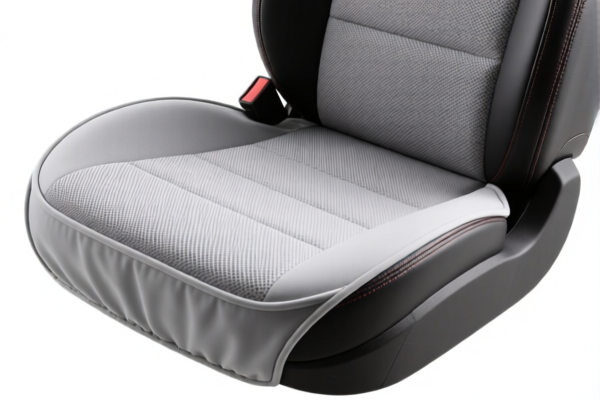
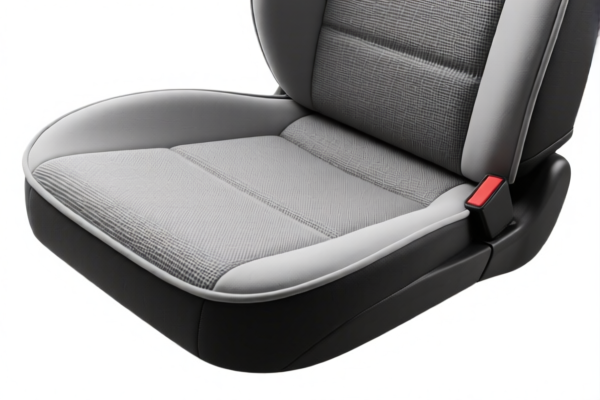
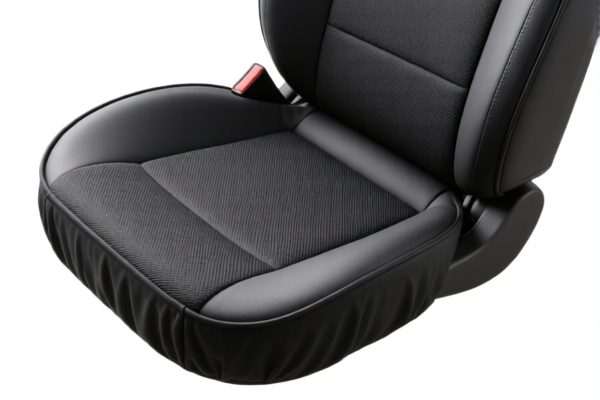
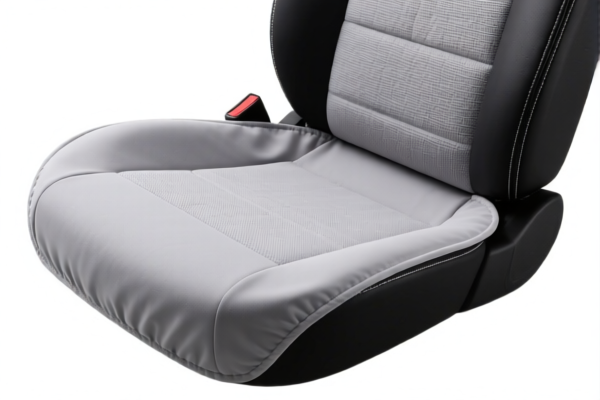
AI分析
🚂 Cockpit Cover (舱盖)
🌐 HS Code Reference & Customs Clearance Guide | 2026 Latest Tariff Analysis | Professional Clearance Strategy
📌 I. Product Definition & Classification: Do You Really Understand "Cockpit Cover"?
A Cockpit Cover (舱盖) is a protective enclosure or lid used in various industrial contexts. In international trade, its classification depends entirely on its material, application, and structural nature. It is not a single standardized item but rather a component that falls into different categories based on how it is used:
Railway Components: If used as part of a railway vehicle’s roof or enclosure system.
Plastic/Composite Parts: If made primarily of plastic or composite materials for general industrial use.
Floating Structures: If used as a covering for boats, barges, or other marine vessels.
⚠️ Key Distinction Point:
- If it is a structural part of a train/carriage → It belongs to Railway Vehicle Parts.
- If it is a plastic lid/cover for machinery or storage → It belongs to Plastic Articles.
- If it is part of a boat or barge → It belongs to Floating Structures.
📦 II. HS Code Classification Details (2026 Latest Tariff Authority Reference)
Based on the provided data, here are the possible HS Code classifications for "Cockpit Cover" depending on its specific use and material:
| HS Code | Product Description | Application Scenario | Material/Nature |
|---|---|---|---|
8607.99.50.00 |
Parts of railway vehicles (Cover as a railway vehicle component) | Railway train roofs, cabin enclosures, train covers | Metallic or composite structural part |
3926.90.99.89 |
Other plastic articles (Cover as a plastic/composite product) | Industrial plastic covers, equipment lids, non-railway plastic parts | Plastic or composite material |
3926.90.99.40 |
Other plastic articles (Cover inferred as plastic lid) | General-purpose plastic covers, container lids | Plastic material |
3926.90.99.89 |
Other plastic articles (Cover as generic plastic item) | Catch-all for plastic covers not elsewhere specified | Plastic material |
8907.90.00.90 |
Other floating structures (Cover as part of a floating structure) | Boat covers, barge roofs, marine vessel enclosures | Part of a marine/floating structure |
🔍 Key Reminder:
- Railway covers are strictly classified under Chapter 86 (Railways/Trams). Misclassifying a train part as a generic plastic item will lead to severe penalties.
- Plastic covers fall under Chapter 39 (Plastics). The specific sub-code depends on the exact type of plastic article.
- Marine covers are classified under Chapter 89 (Ships/Boats). If the cover is an integral part of a floating structure, it must be declared as such.
💰 III. 2026 Latest Tariff Rate Details (Including Additional Taxes)
✅ Applicable Country: United States (US)
✅ Country of Origin: China (CN)
✅ Effective Date: From November 10, 2025 (for subsequent imports)
🎯 1. 8607.99.50.00 —— Railway Vehicle Parts (Cockpit Cover for Trains)
| Item | Detail |
|---|---|
| Base Tariff Rate | 3.1% (ad valorem) |
| Section 301 Additional Tariff | +25.0% |
| Section 122 Tariff | +10.0% |
| Total Tariff Rate | 38.1% |
| Tax Calculation | CIF Value × 38.1% |
| De Minimis Exemption | ❌ Not Eligible |
| Legal Basis | Base Tariff (3.1%) + Section 301 (25%) + Section 122 (10%) |
📌 Explanation:
- 3.1% is the standard Most Favored Nation (MFN) rate for railway parts.
- 25% is the additional tariff imposed under Section 301 of the Trade Act against Chinese goods.
- 10% is an additional tariff under Section 122 (often related to national security or specific trade actions).
- Total: 38.1% is a high tariff, so precise classification as a railway part is critical to avoid misclassification penalties.
🎯 2. 3926.90.99.89 & 3926.90.99.40 —— Other Plastic Articles (Plastic Cockpit Covers)
| Item | Detail |
|---|---|
| Base Tariff Rate | 5.3% (ad valorem) |
| Section 301 Additional Tariff | +7.5% |
| Section 122 Tariff | +10.0% |
| Total Tariff Rate | 22.8% |
| Tax Calculation | CIF Value × 22.8% |
| De Minimis Exemption | ❌ Not Eligible |
| Legal Basis | Base Tariff (5.3%) + Section 301 (7.5%) + Section 122 (10%) |
📌 Note:
- These two HS codes (3926.90.99.89and3926.90.99.40) have the same total tariff rate of 22.8%.
- 7.5% is the additional tariff under Section 301 for plastic articles.
- 10% is the Section 122 additional tariff.
- This rate is lower than railway parts (38.1%), but higher than some other plastic goods.
🎯 3. 8907.90.00.90 —— Other Floating Structures (Marine Cockpit Covers)
| Item | Detail |
|---|---|
| Base Tariff Rate | 0.0% (ad valorem) |
| Section 301 Additional Tariff | +7.5% |
| Section 122 Tariff | +10.0% |
| Total Tariff Rate | 17.5% |
| Tax Calculation | CIF Value × 17.5% |
| De Minimis Exemption | ❌ Not Eligible |
| Legal Basis | Base Tariff (0%) + Section 301 (7.5%) + Section 122 (10%) |
📌 Note:
- This is the lowest tariff rate among all options (17.5%).
- Base rate is 0%, but additional tariffs still apply.
- Only applicable if the cover is part of a floating structure (boat/barge). Misclassification here is a major risk.
🛠️ IV. Customs Clearance Practical Advice (Avoiding Pitfalls)
✅ 1. Required Documentation Checklist (Mandatory)
| Document | Required? | Description |
|---|---|---|
| ✅ Product Specifications | ✔️ | Material (Plastic/Metal), Dimensions, Weight, Intended Use |
| ✅ Technical Drawings/Photos | ✔️ | Show structure, mounting, and integration (e.g., is it on a train or boat?) |
| ✅ Commercial Invoice | ✔️ | Must clearly state "Cockpit Cover" and specify application (Railway/Plastic/Marine) |
| ✅ Packing List | ✔️ | List contents clearly, avoid mixing with unrelated items |
| ✅ Certificate of Origin (CO) | ✔️ | Required for tariff calculations (China origin) |
| ✅ Third-Party Test Report | ✔️ | If for railway/marine, may need safety certification (e.g., AAR, ABS) |
✅ 2. Declaration Strategy (Key Rules)
🔥 "Declare Correctly, Pay Less! Wrong Code = Heavy Penalty!"
| Scenario | Correct Declaration | Wrong Declaration | Consequence |
|---|---|---|---|
| Railway Train Cover | 8607.99.50.00 (38.1%) |
Declare as "Plastic Cover" (3926...) |
Severe Penalty + Back Taxes + Possible Seizure |
| Plastic Equipment Cover | 3926.90.99.89 (22.8%) |
Declare as "Railway Part" (8607...) |
Overpay 15.3% unnecessarily |
| Boat Cover | 8907.90.00.90 (17.5%) |
Declare as "Plastic Cover" | Overpay 5.3% unnecessarily |
| Generic Plastic Lid | 3926.90.99.40 (22.8%) |
N/A | Standard rate applies |
📌 Critical Rule:
- Railway parts MUST be declared under Chapter 86.
- Plastic items MUST be declared under Chapter 39.
- Marine parts MUST be declared under Chapter 89.
- Do NOT mix categories!
✅ 3. Special Cases
| Scenario | Advice |
|---|---|
| OEM Custom Covers | Provide client’s design specs to prove intended use (Railway/Plastic/Marine) |
| Multi-Material Covers | If made of plastic + metal frame, declare based on primary function/material or consult a customs broker |
| Used vs. New | Tariff rates are generally the same, but condition may affect valuation |
| Pre-Ruling Request | Highly Recommended: Apply for an Advance Ruling from CBP to confirm HS Code before shipment |
🌍 V. Global Market Comparison (2026 Latest)
| Country/Region | Recommended HS Code | Tariff Rate (China Origin) | Notes |
|---|---|---|---|
| 🇺🇸 United States | Depends on Use | 17.5% ~ 38.1% | High additional taxes (301 + 122) |
| 🇨🇳 China | Depends on Use | 5% ~ 10% | No additional 301/122 taxes |
| 🇪🇺 European Union | Depends on Use | 0% ~ 4% | No Section 301/122 taxes |
| 🇬🇧 United Kingdom | Depends on Use | 0% ~ 4% | Post-Brexit tariffs vary |
| 🇯🇵 Japan | Depends on Use | 0% ~ 5% | No additional US-style tariffs |
📌 Conclusion:
- US imports face the highest costs due to Section 301 and Section 122 tariffs.
- Accurate classification is crucial to avoid overpaying or facing penalties.
📌 VI. Common Mistakes & Pitfalls (Lessons Learned)
❌ Mistake 1: Declaring a Railway Cover as a "Plastic Part"
👉 Result: Penalties, Back Taxes + 38.1% - 22.8% = 15.3% Underpayment Fine
❌ Mistake 2: Declaring a Plastic Cover as a "Railway Part"
👉 Result: Overpayment of 15.3% in taxes
❌ Mistake 3: Not specifying the intended use in the invoice
👉 Result: Customs Delay, Additional Inspection, Potential Misclassification
❌ Mistake 4: Using vague terms like "Cover" without details
👉 Result: CBP Request for Information (RFI), Shipment Hold
✅ Correct Approach:
"Cockpit Cover, Material: [Plastic/Metal], Intended Use: [Railway Vehicle/Boat/Industrial Equipment], Model: XYZ, Origin: China"
🎯 VII. Conclusion: Precise Classification Saves Money!
🎯 Remember the Rules:
🔹 "Railway = 38.1%, Plastic = 22.8%, Marine = 17.5%"
🔹 "Wrong Code = Fine + Delay + Extra Cost!"📌 Pro Tip:
- If unsure, always apply for a CBP Advance Ruling before shipping.
- Provide detailed photos, specs, and intended use to your customs broker.
📣 Immediate Action:
📞 Contact a Licensed Customs Broker
📄 Provide Product Details + Photos + Intended Use
🚀 Ensure Smooth Clearance & Optimal Tariff Rates!
✨ Professional Customs Clearance Starts with Accurate Classification!
💼 Every Dollar Saved Counts!
用户评价
关于 HS 编码归类
协调制度(HS)是由世界海关组织(WCO)制定的国际贸易商品分类标准。全球 200 多个国家采用 HS 系统作为海关关税、贸易统计和进出口监管的基础。
每个 HS 编码遵循以下层级结构:
- 章(2 位)——商品大类(例如:第 84 章:机器和机械设备)
- 品目(4 位)——章内的更具体分类
- 子目(6 位)——国际通用细分,所有 WCO 成员国统一使用
- 本国细分(8-10 位)——各国自行扩展的细分编码,如美国 HTSUS 10 位编码
正确的 HS 编码归类对于顺利通关、准确缴纳关税和遵守贸易法规至关重要。错误归类可能导致海关延误、多缴关税或罚款。
从CN进口到US时,适用的关税税率可能包括:
- 最惠国(MFN)税率——适用于 WTO 成员国的标准关税税率
- 普通税率——适用于无贸易协定国家
- 贸易救济关税——附加关税,如 301 条款(反倾销)、232 条款(国家安全)或反补贴税
本页内容仅供参考。如需正式归类,请咨询当地海关或持牌报关代理。